A mix from the streets of Poznan. Old and new together.
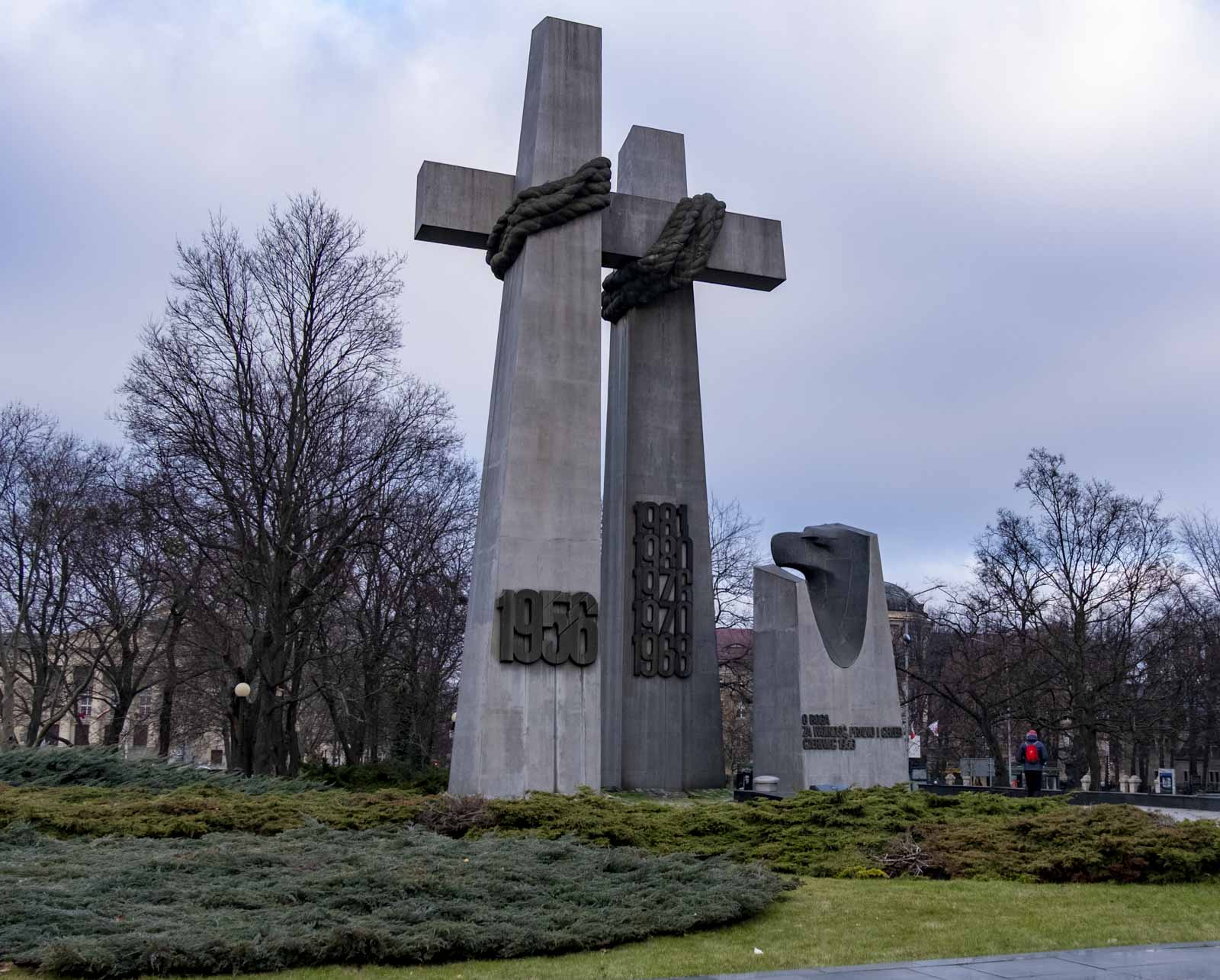
The Poznan June 1956 monument with two crosses 19.5 and 21 m high (symbols of death and resurrection) was built for the victims of the great protest against Russia and Communism in 1956.
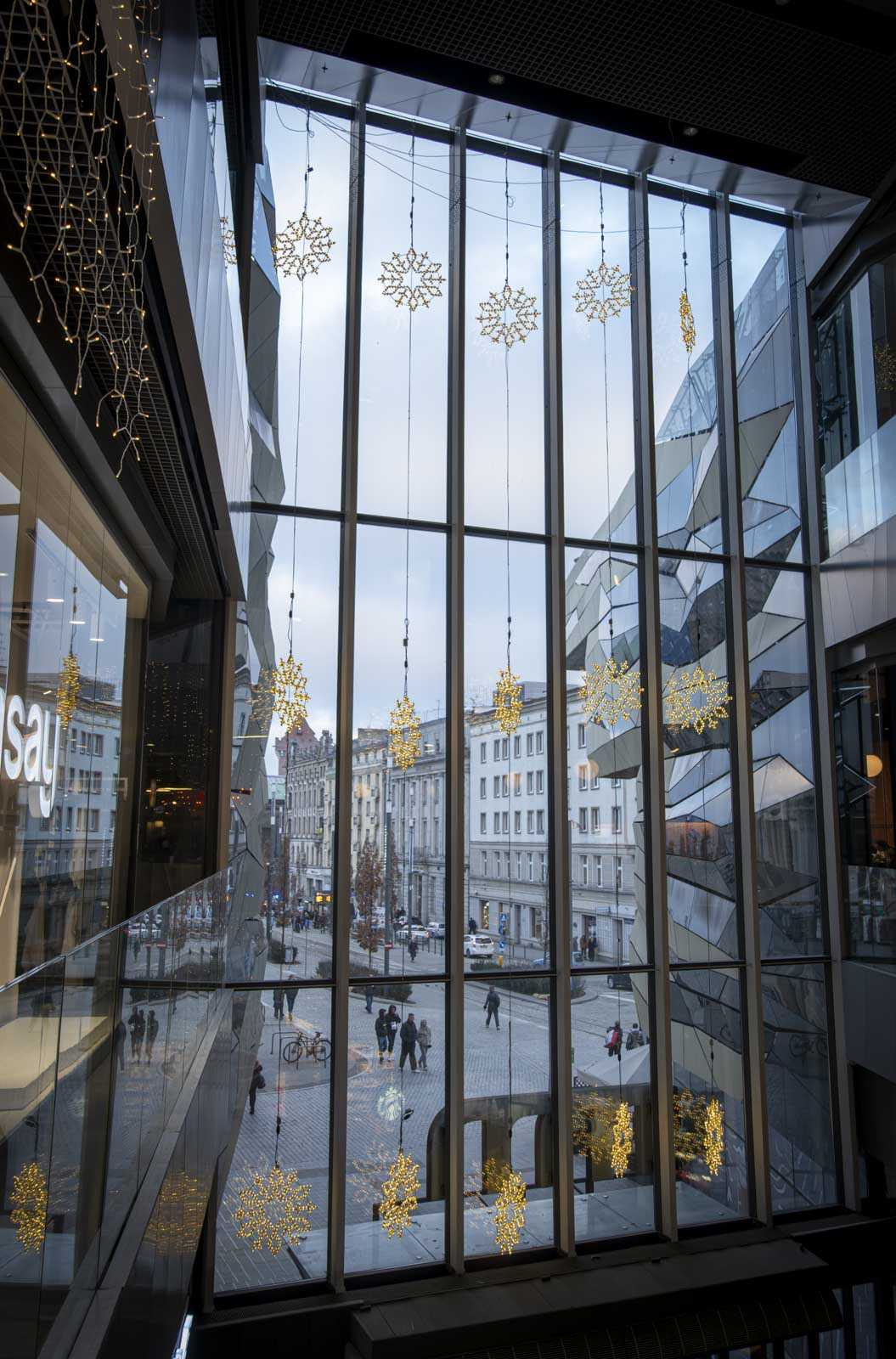
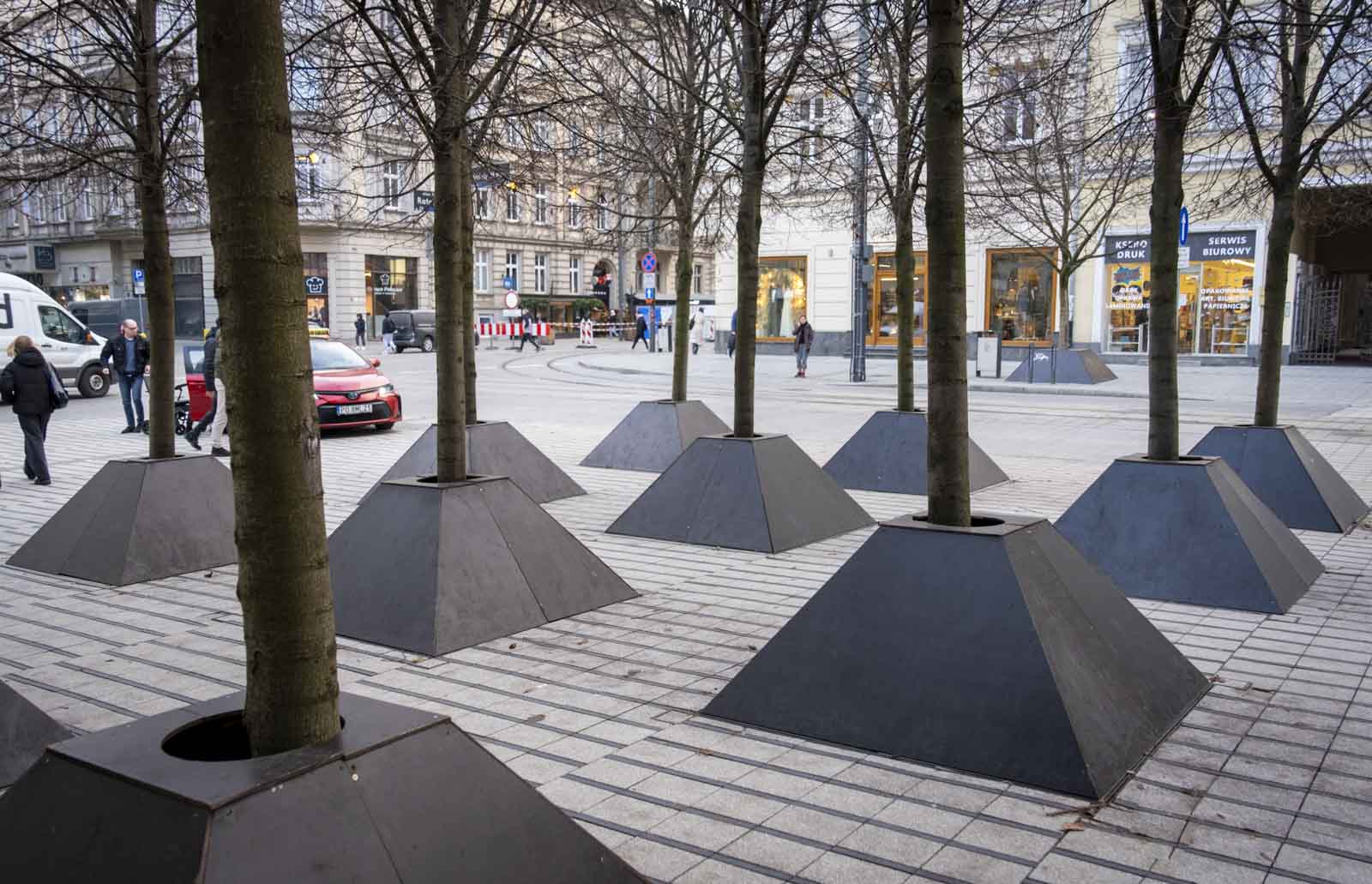
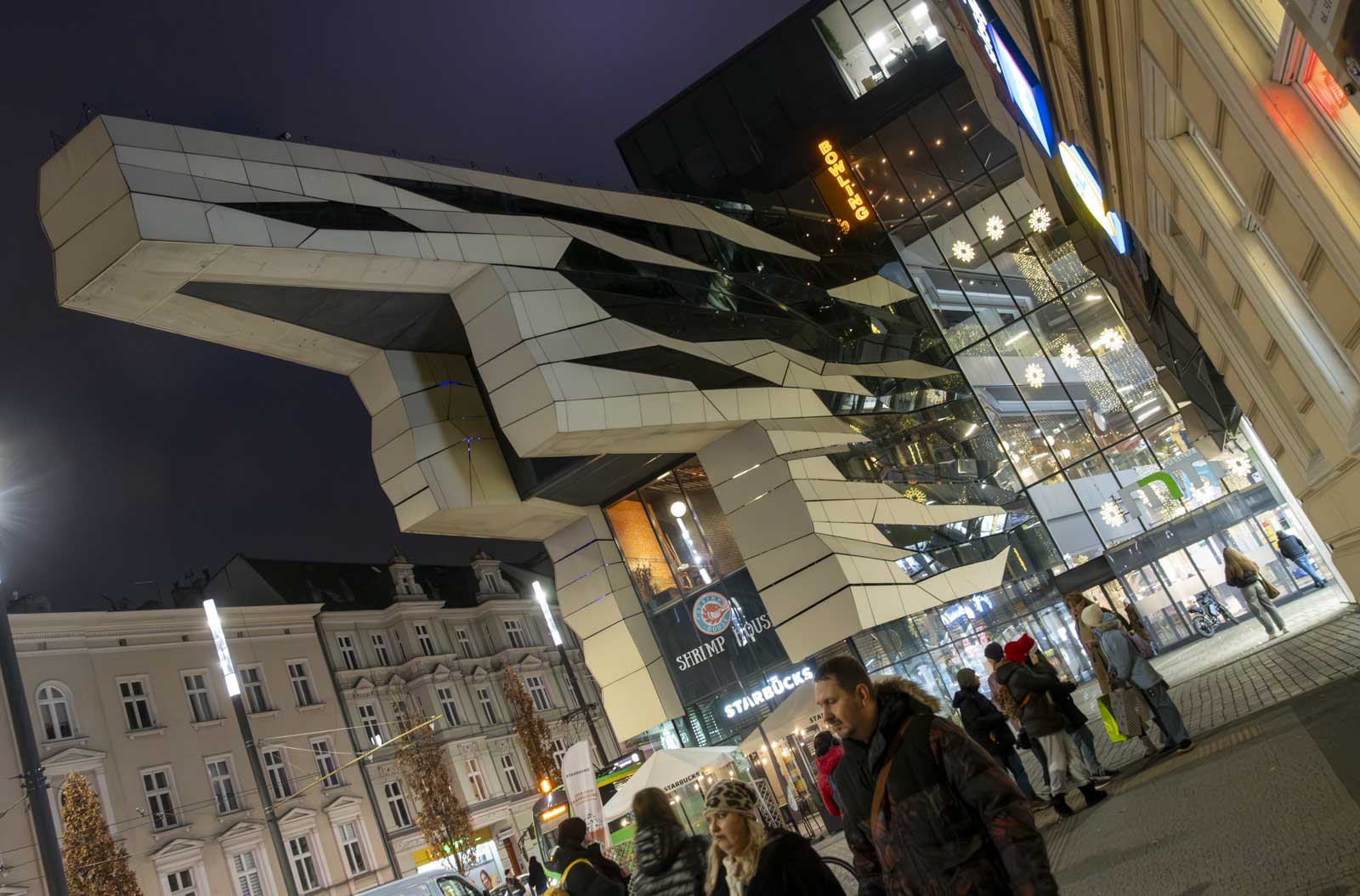
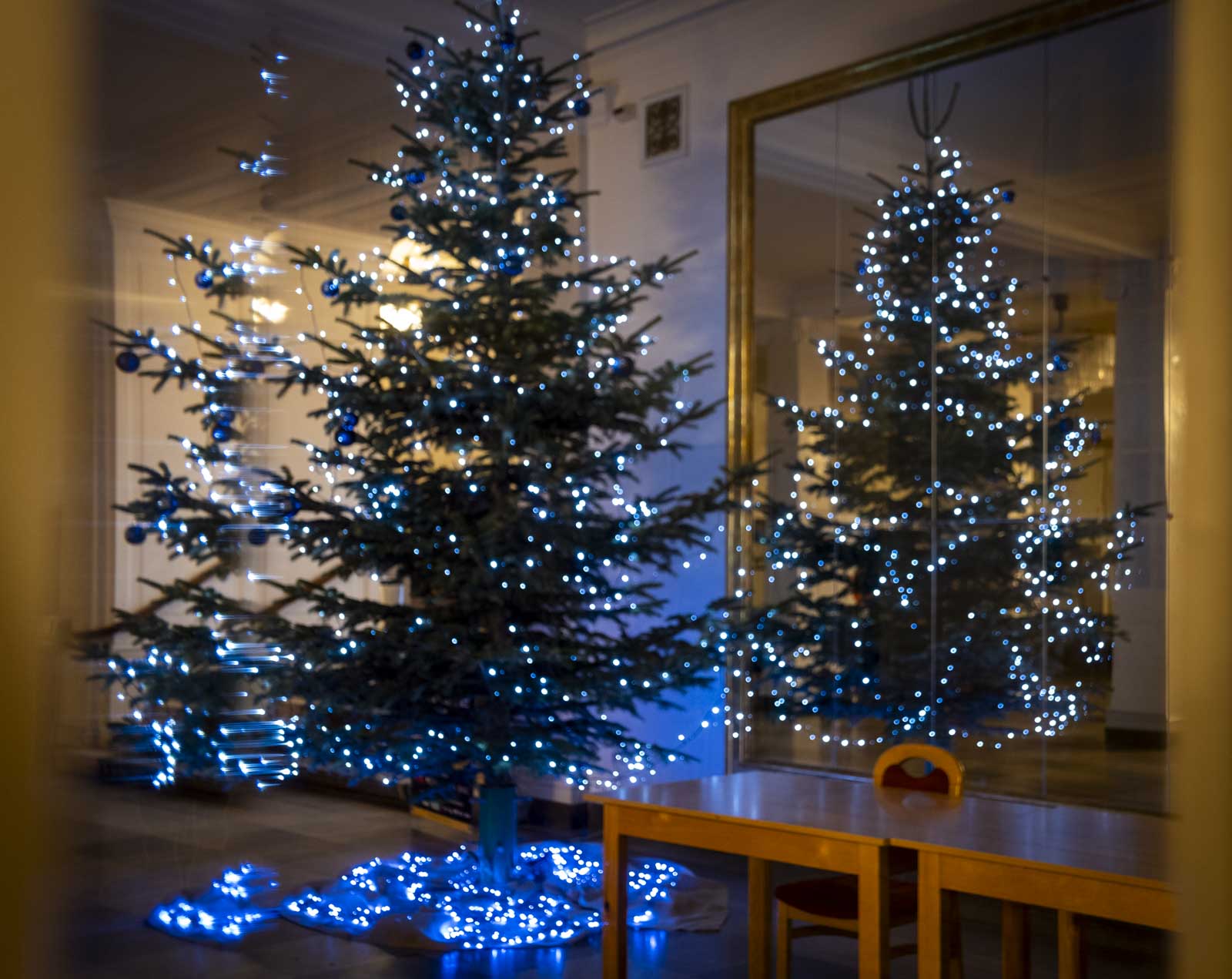
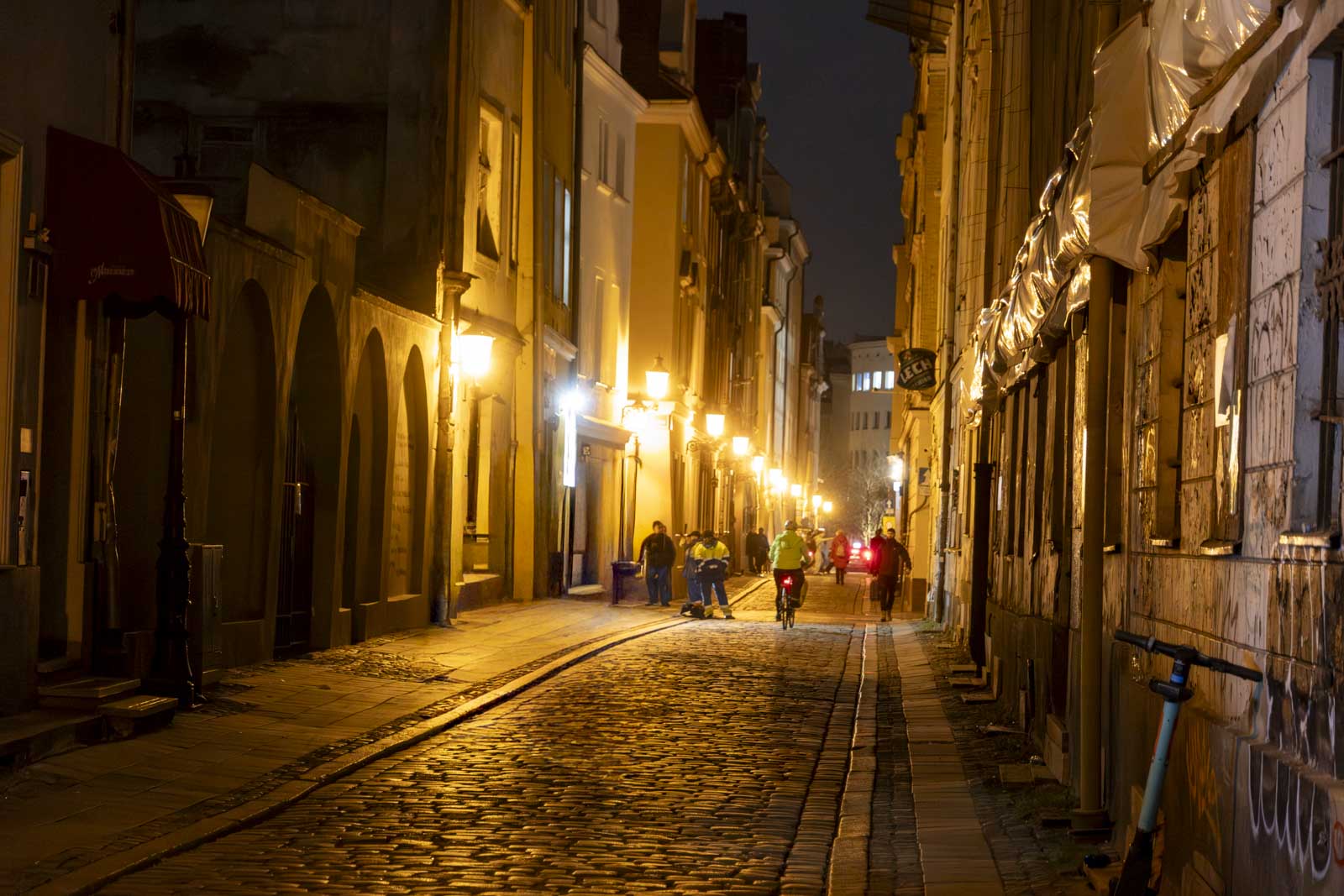
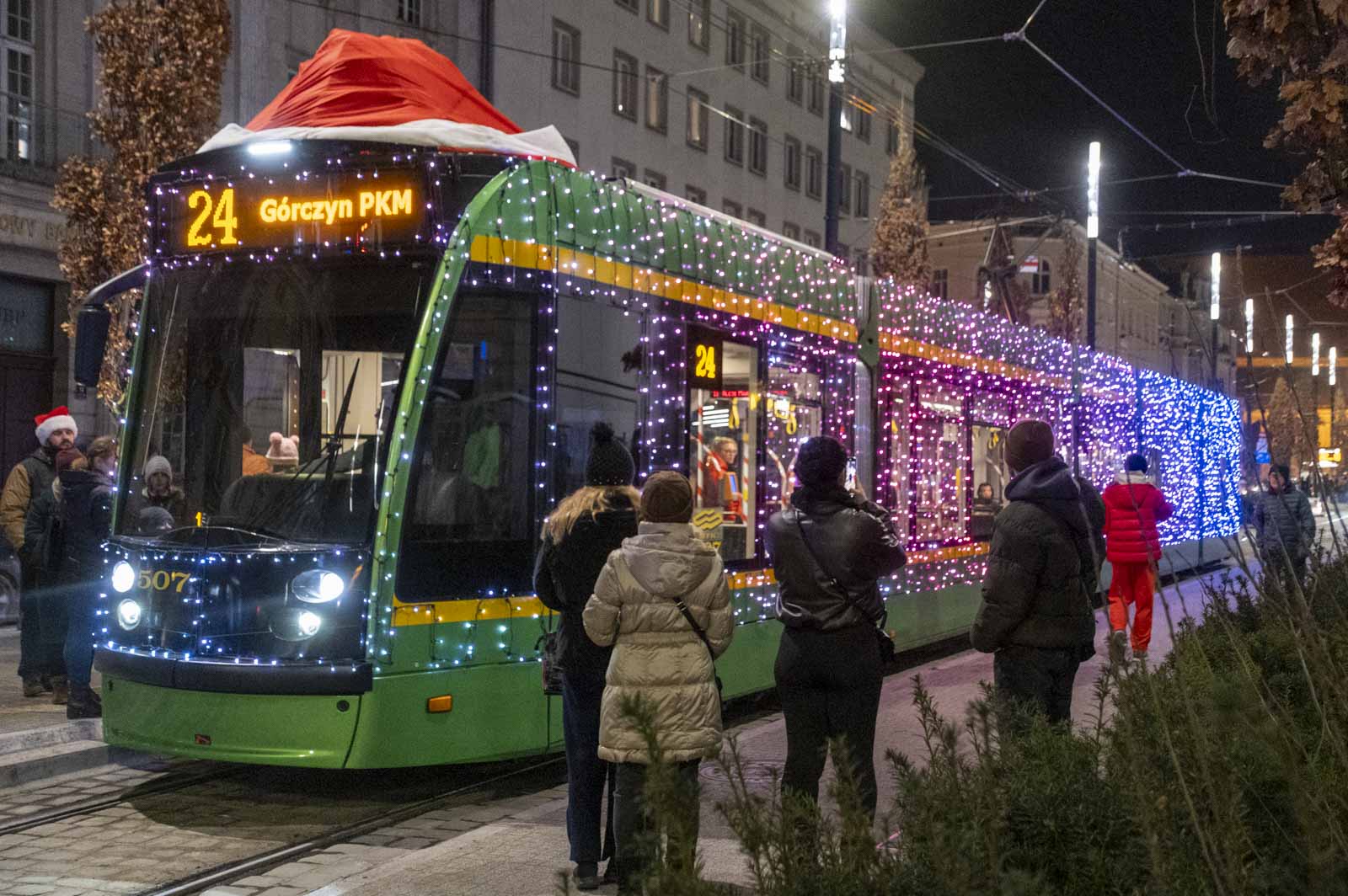
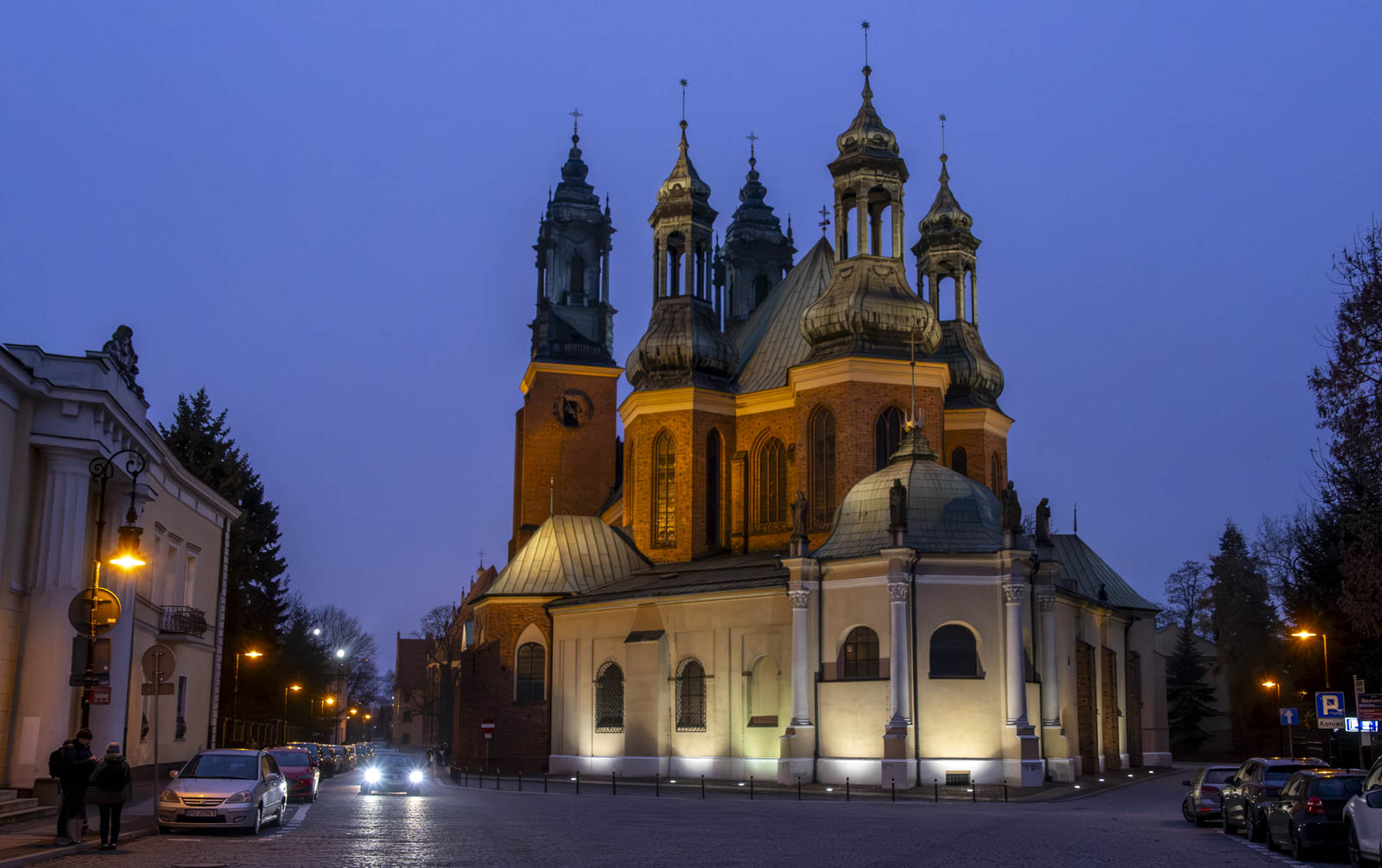
A mix from the streets of Poznan. Old and new together.
The Poznan June 1956 monument with two crosses 19.5 and 21 m high (symbols of death and resurrection) was built for the victims of the great protest against Russia and Communism in 1956.
This week Ritva – inspired by Leonard Cohen’s lyrics and his characteristic blend of melancholy and optimism – offers a challenge based on these lines:
Ring the bells that still can ring
Forget your perfect offering
There is a crack, in everything
That’s how the light gets in
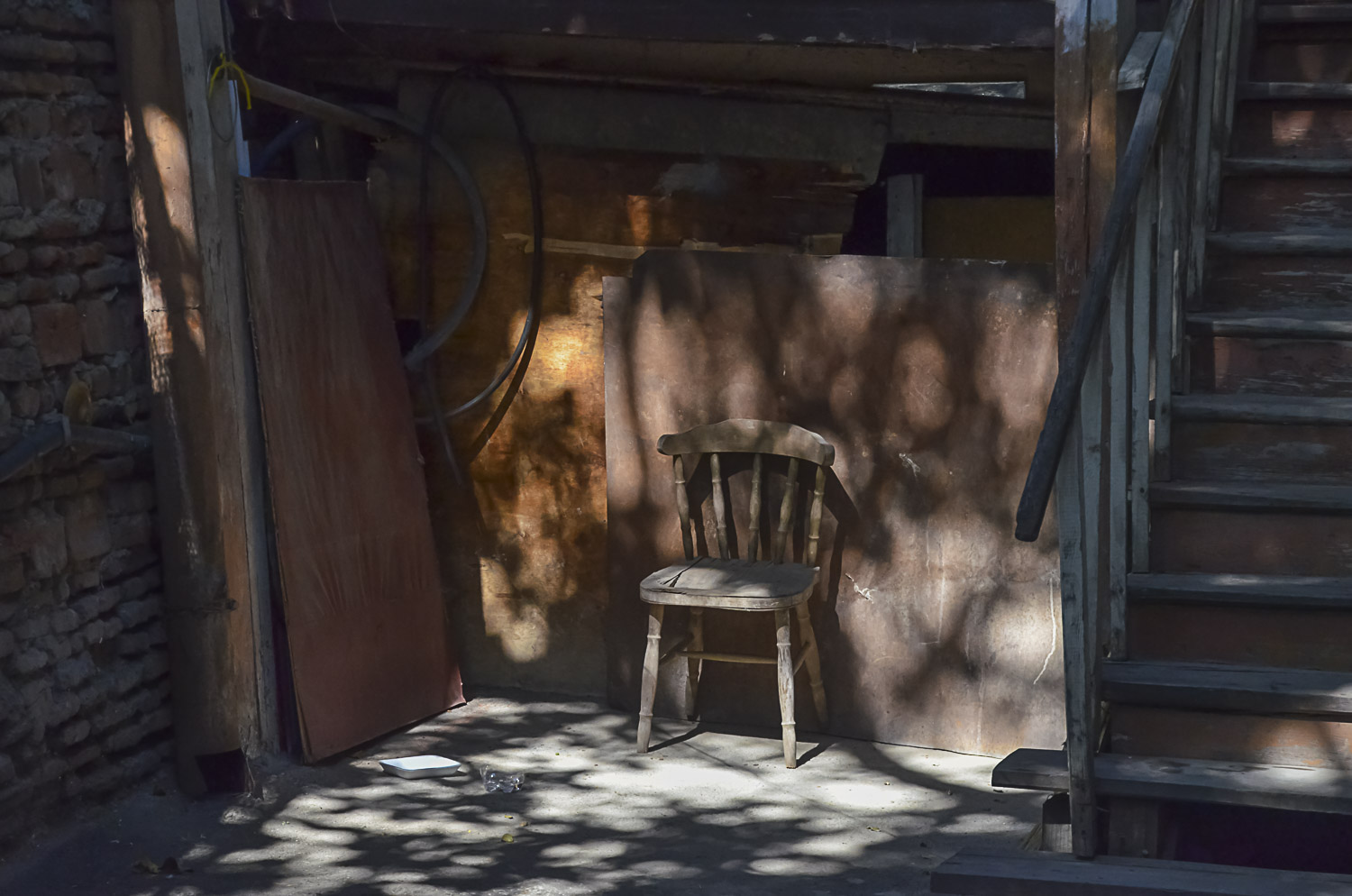
This is a personal favourite quote, and I will try to show some feelings it arises within me. Light and thoughts of healing is the main focus. Your feelings might be very different.

Who lived in these rooms…and were they really happy?


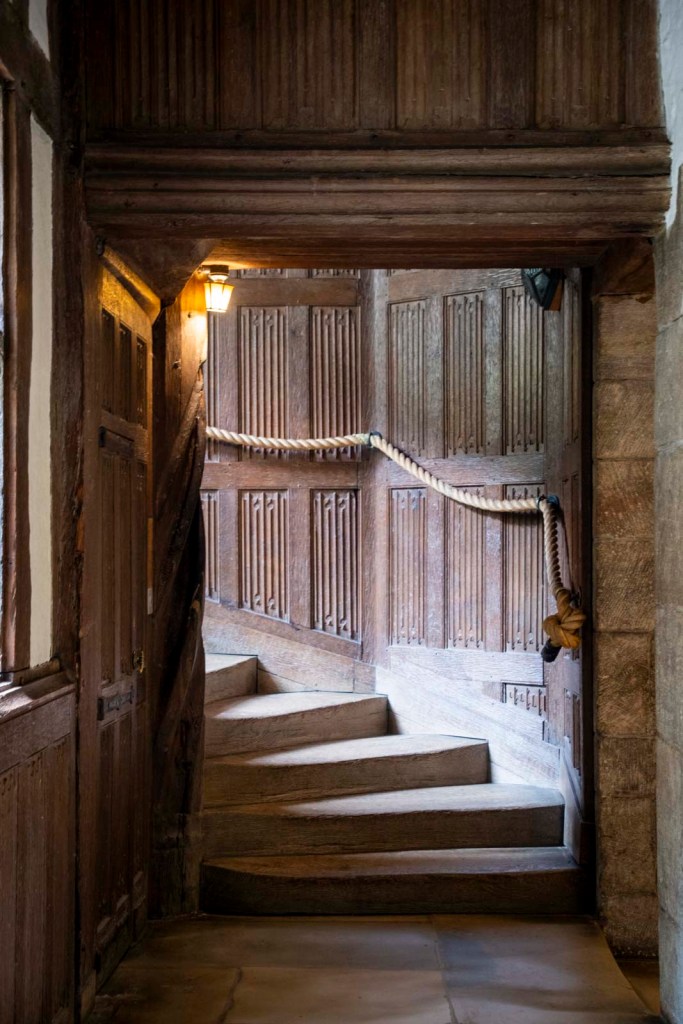
Were children running and playing here or were they always restricted by strong rules and traditions, dressed up in impossible costumes?

Have you ever seen the ice breaking up? The special light and the sound it makes when you walk on it?

Never stop being a child within, because children help us see the light still shining in this world.

Nature is the helper and the answer to many of our human imperfections. When we cannot find beacons ourselves – nature can.
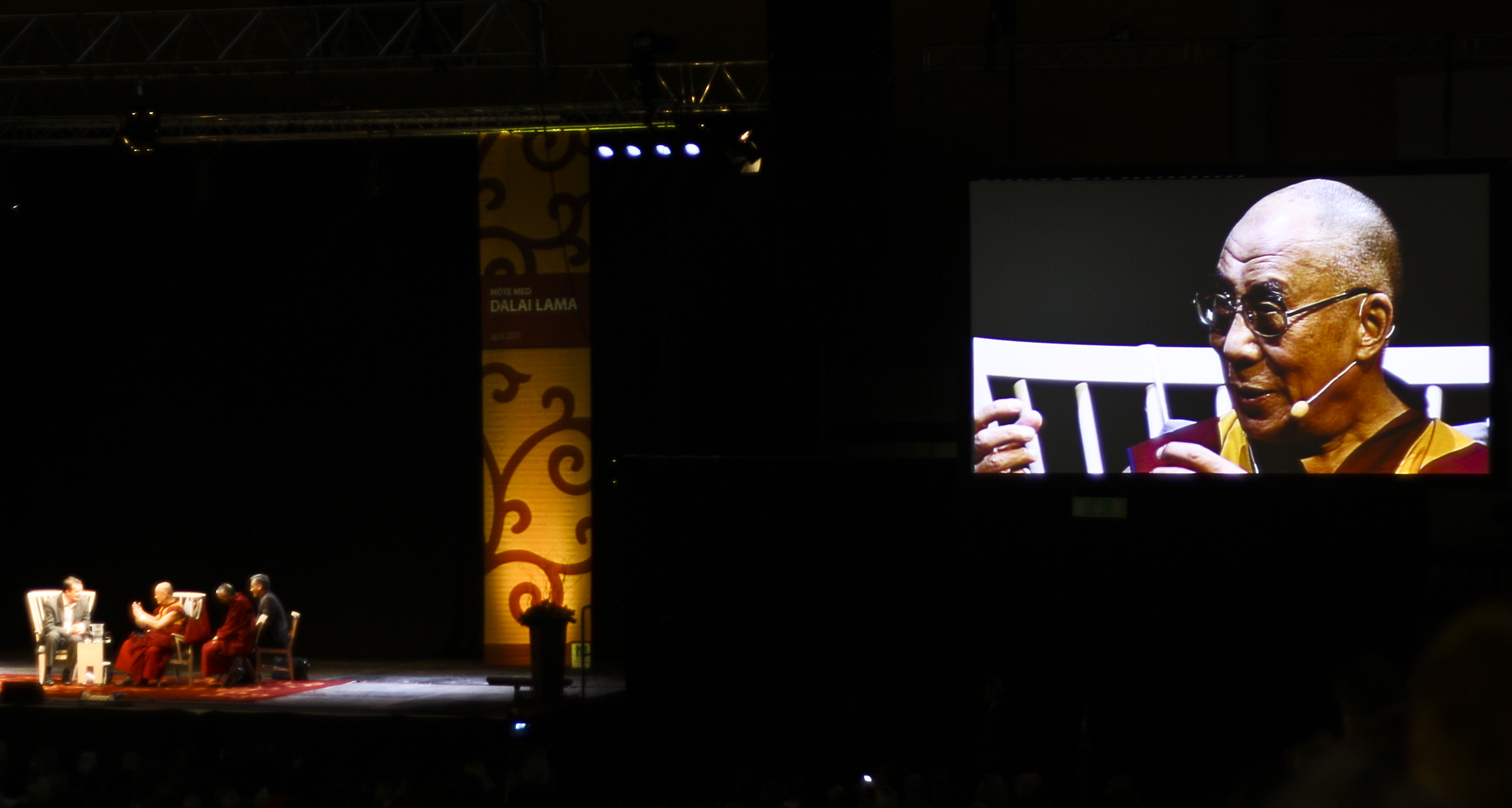
We struggle, like mankind always have done, to find a meaning – a light – in our lives. Some people find it in religion or from special and charismatic people. From Love.

People are like buildings, they can be dilapidated, but beauty still shines through those cracks, and we can try to accept them and find peace within through them.
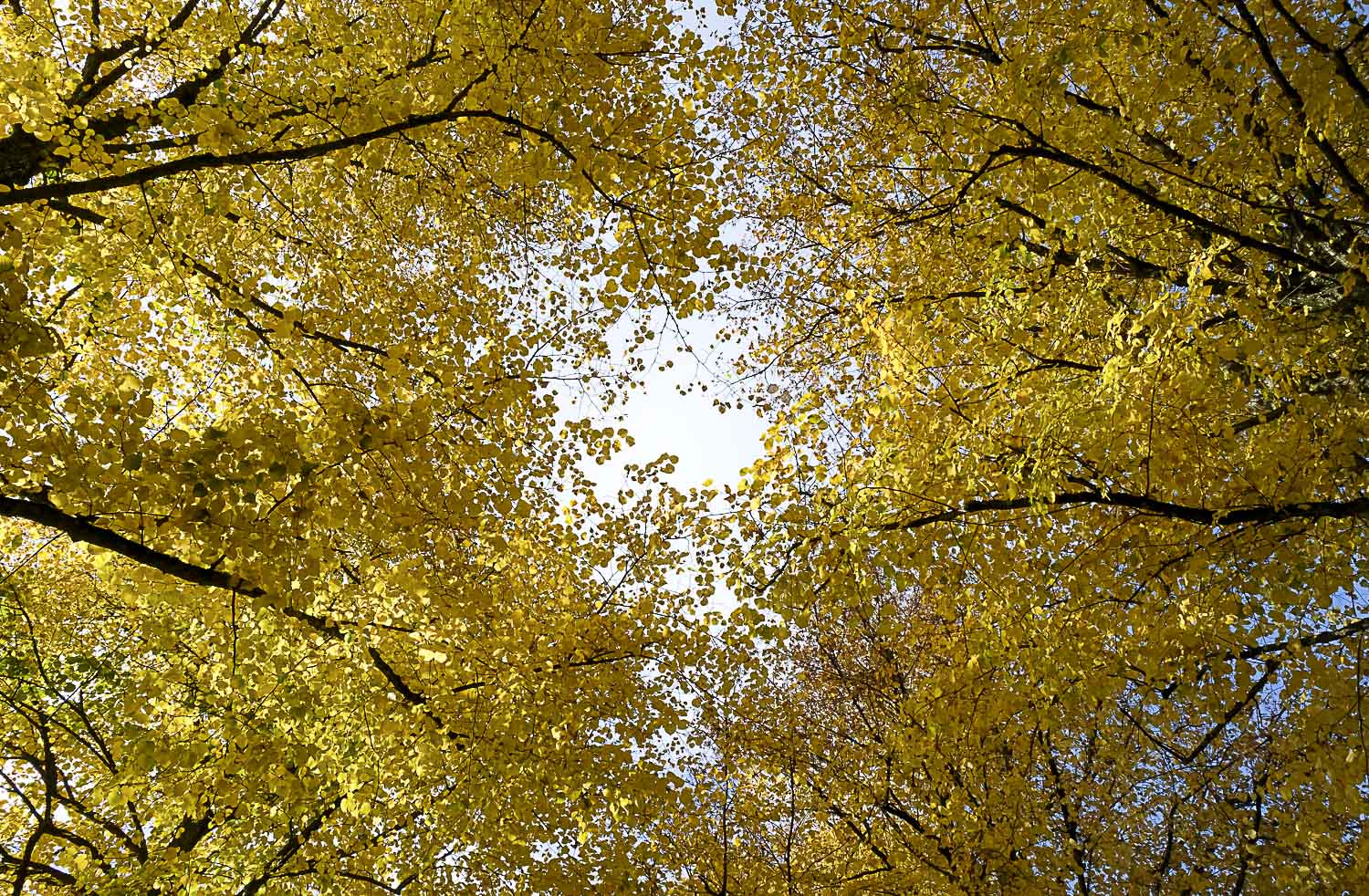
The struggle for light is constant, but I always see the darkness first. I strive to share beauty and light in everything I do, because the walk of life will be easier, despite the cracked steps and roads we walk.
Ritva says it so well: ”By sharing these images, we not only showcase our individual stories, but also create an opportunity for dialogue and connection. Let each image tell a story, convey an emotion, or illustrate a moment of seeing light.” Thank you, Ritva, for a thoughtful and uplifting challenge. Don’t forget to link to Ritva’s original post and use the Lens-Artists tag.
A big thank you to Anne, for the artistic approach to photography with ICM, it was so much fun to do and fun to see what we were able to do with this style. Next week Egídio leads us to something new again, please visit his inspirational blog to see more.
Until then, stay curious and creative.
Leanne Cole is our fantastic host this week, and she invites us to show what the normal tourist wants to see – but in another way. ”You might go to the same place, but you are after something different.”
So her challenge is to look for those photos that are of tourist attractions, but where we have tried to get the untypical image of it. They can be near or far away in other countries.
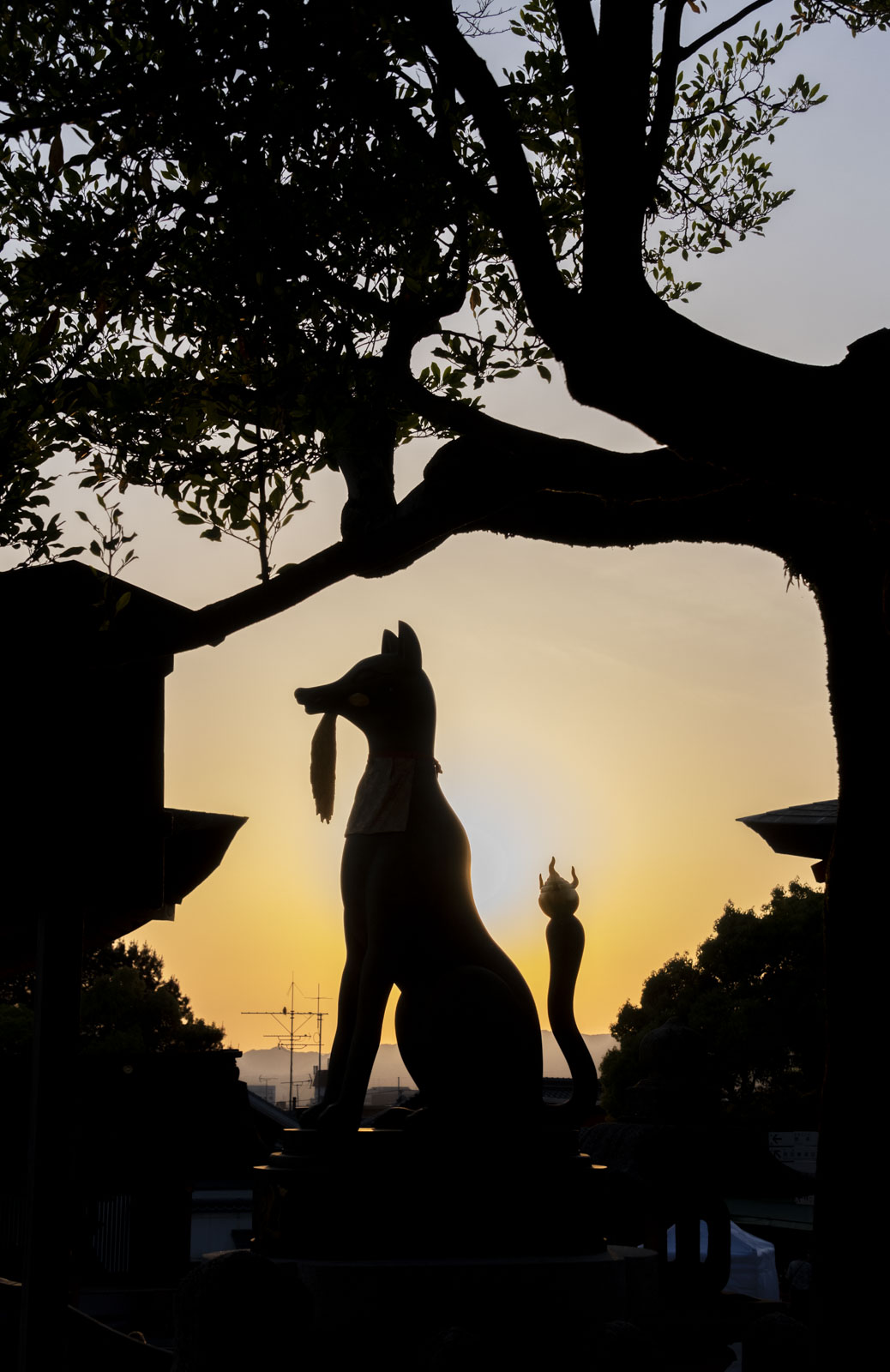
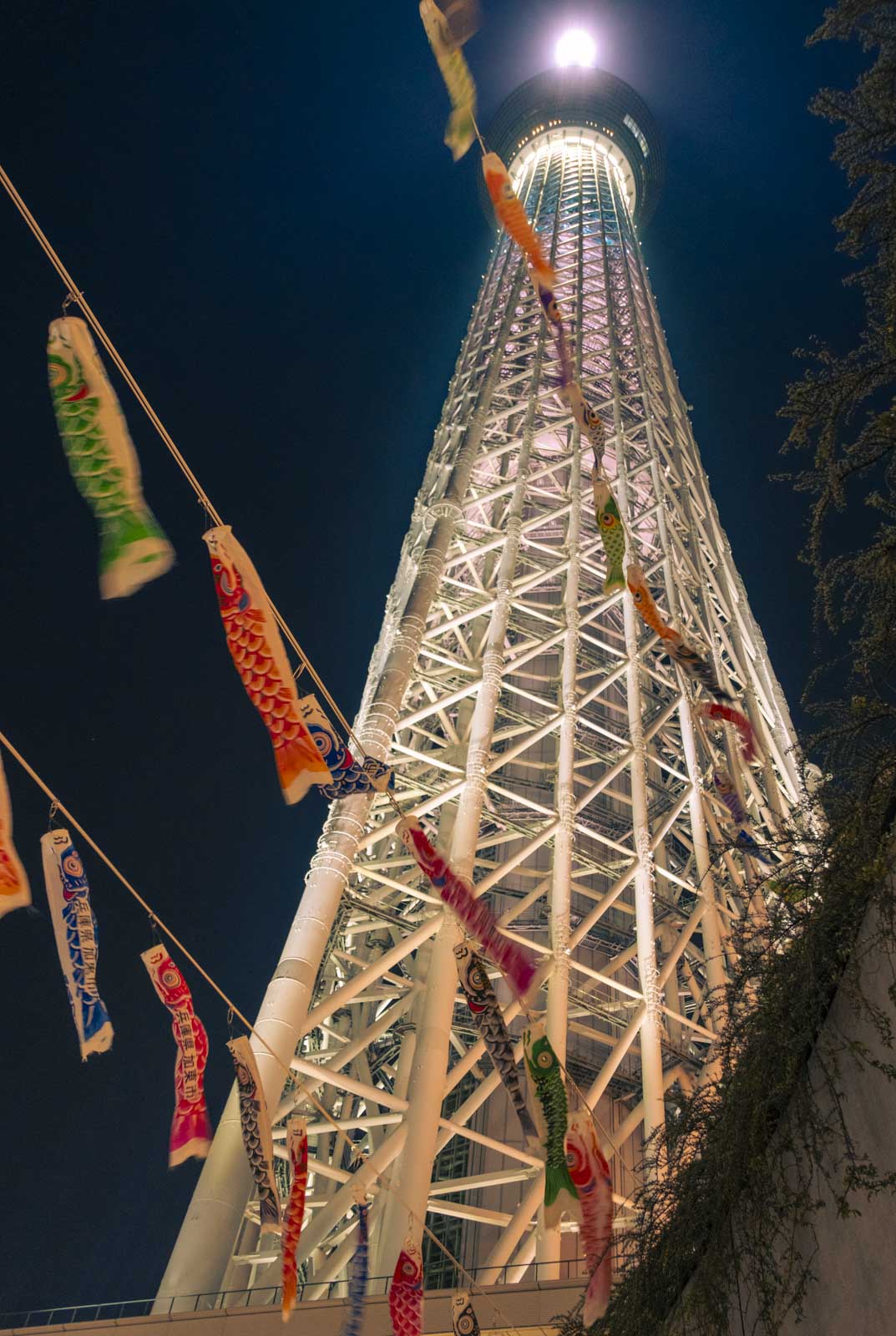
I have just returned from a trip to England, so I am a bit late, but here we go…with Japan! Japan was a delightful country to visit this spring, and the first gallery shows some famous attractions – my way:
The superfast Shinkansen train, Fushimi Inari-taisha in Kyoto (Inari is the god of rice and sake and the messenger is a fox), Kawachi Fujien (The world famous wisteria garden in Kitakyushu), the Shibuya crossing in rain (- the busiest pedestrian crossing in the world with about 2300 crossings every 3,3 minute) and lastly, Tokyo Sky Tree.



From Sweden then, not that many:
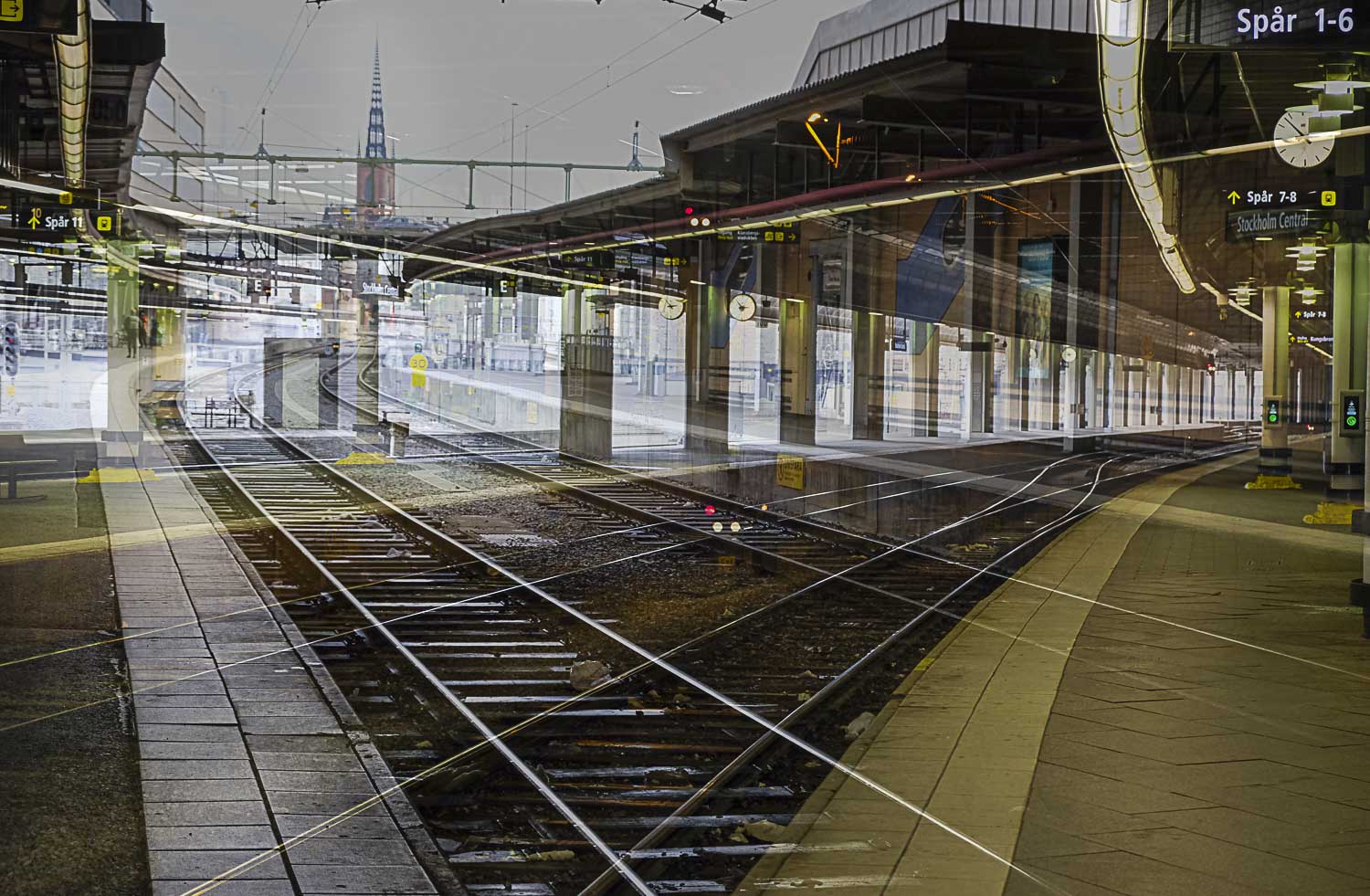
Stockholm in double exposure (City Hall and Central Station). The Doll Museum was closed, but my shot was taken through the window.


Thank you to Tina for her beautiful and thought provoking challenge on Habitats two weeks ago, and I hope you all had a lovely week off too! Thank you again to Leanne Cole for leading us this week – please visit her site for always amazing photography.
I hope you want to join in next week when our next guest host, Elizabeth of Albatz Travel Adventures, challenges us to share Pairs.

The Japanese culture is very much beauty and refined custom – but also so much more. What do you think is hiding behind these glass doors?

Pachinko! Pachinko is a mechanical game originating in Japan. It is used as an archade game and for gambling. These parlors are widespread in Japan, and is comparable to slot machine palaces in the West. Althought it has now declined in popularity, in 1994 the sales and revenues from Pachinko parlors contributed 5.6% of Japan’s 500 trillion yen GDP and employed 330000 people. (Wikipedia)
Gambling for cash is illegal in Japan, but the popularity has enabled a legal loophole allowing it to exist.

Machines for children wanting toys and candy? We have some quite similar ones here in the West.

In Japan, Karaoke is extremely popular – and maybe posing with pretty girls! This guy posed with paper girls, happily smiling, while his little son ran away from the scene – I wonder why…

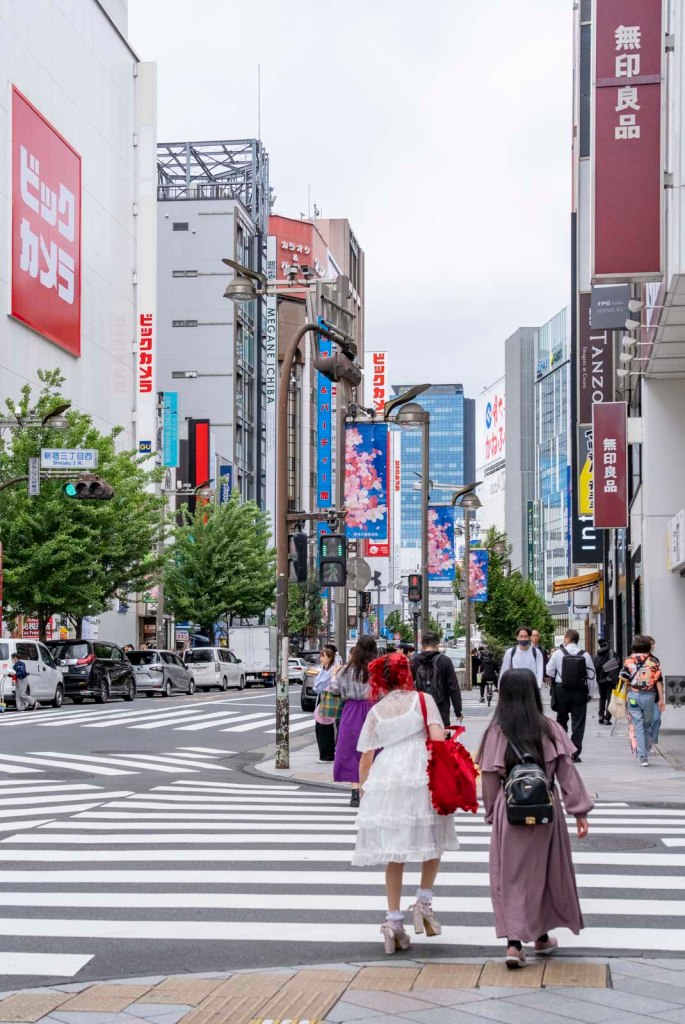
I must post a piece of the young Japanese literature and film culture too. Anime. Manga. And a couple of girls dressed in stylish street fashion. (There are MANY styles – from Dolly Key to Genderless)
There’s no end to the popularity of these stories and charachters in Japan – you see them everywhere. In Sweden they enjoy massive attention. I know. My daughter and her friends still watch some of those movies, and I have watched a couple of them, because I wanted to understand why youngsters love them. In fact I found them very intricate, well written, and morally and ethically wise. But on the other hand, I haven’t seen them all…
Hayao Miyazaki’s masterpiece Spirited Away teaches friendship, love and bravery in a universal way which made the movie famous world wide. I must say I liked it. It is worth seeing even if you are an adult or an elderly person.
The Royal Library is Sweden’s national library and it opened in 1661. Besides being just that, a library, the RL is tasked with preserving and storing everything that is published in Sweden, whether it’s a school book, fashion magazine, a DVD movie, or a news bulletin broadcast on the radio. Its vast collection includes well over 18 million items, of which the oldest are over a thousand years old. The RL has been housed in its current location, in the middle of Humlegården park, since 1877.
We seldom visit Stockholm, but now so many years had passed, that we felt it necessary to go in order to keep up with the city’s changes. And, of course the National Library was on our list.

In fact I had never been to the National Library, so I was very excited to finally go. And even if I have been to more beautiful libraries, this one was serene looking and strict in its design.
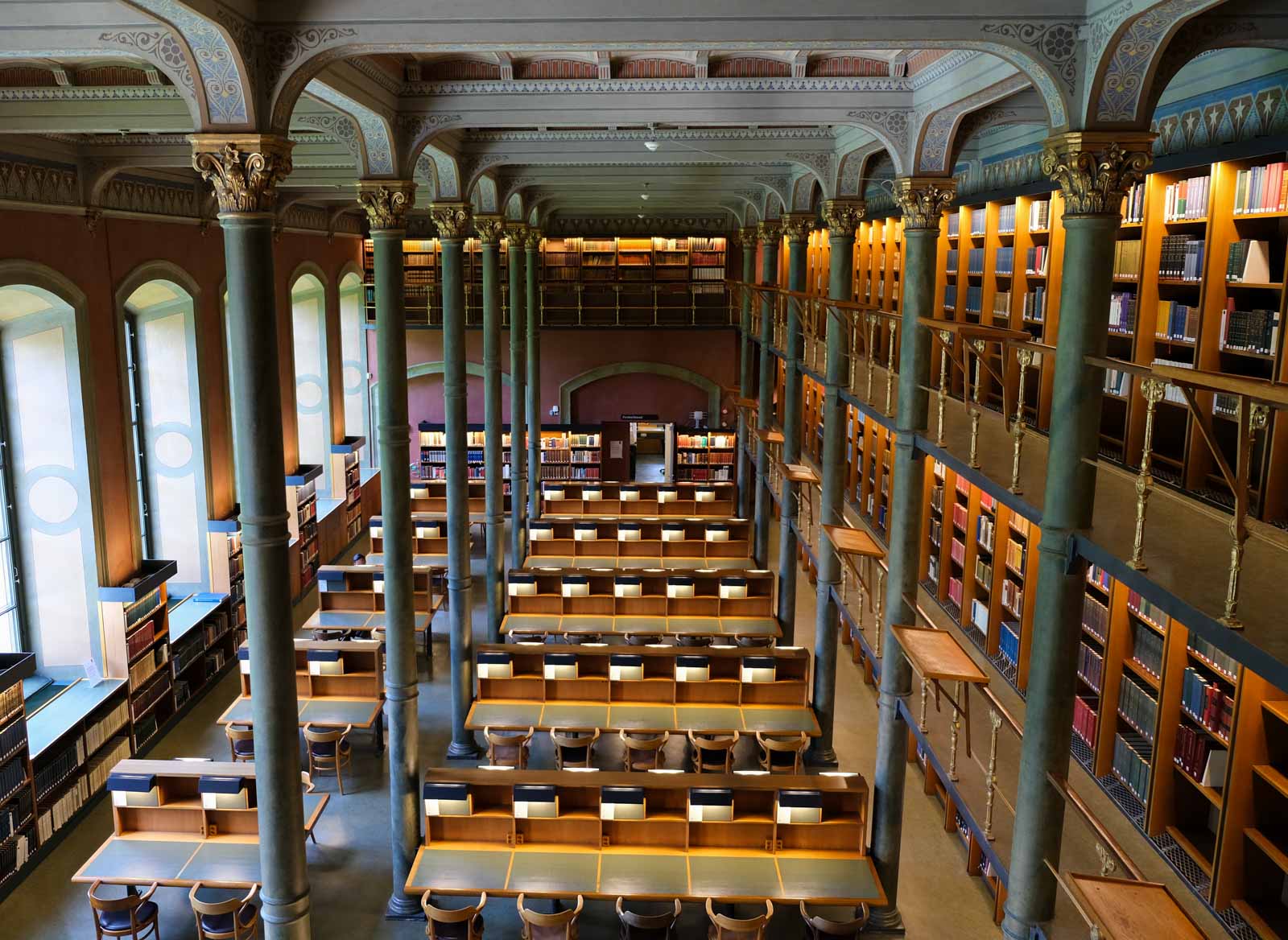


The reading hall was spacious and bright, just the way I love reading halls to be, and the scientists’ reading hall had a lower ceiling and more comfortable chairs (of course). They were both inviting.

Walking down to the basement we were in for a surprise …none of us had ever heard of this…As we walked down the last stairs, we were even more excited. Codex Gigas, or the Devil’s Bible, was waiting for us.

Not great that it was taken in a war, but those were the days when such things happened in wars. (In fact, they still seem to do so…) If there are grades in Hell, maybe it was better to take it than to burn it. Anyway, we greatly enjoyed seeing this gigantic Bible and reading about it. It is an impressive book where each page measures 89cmx49cm, and the total amount of parchment leaves are 310. It weighs almost 75 kilos.
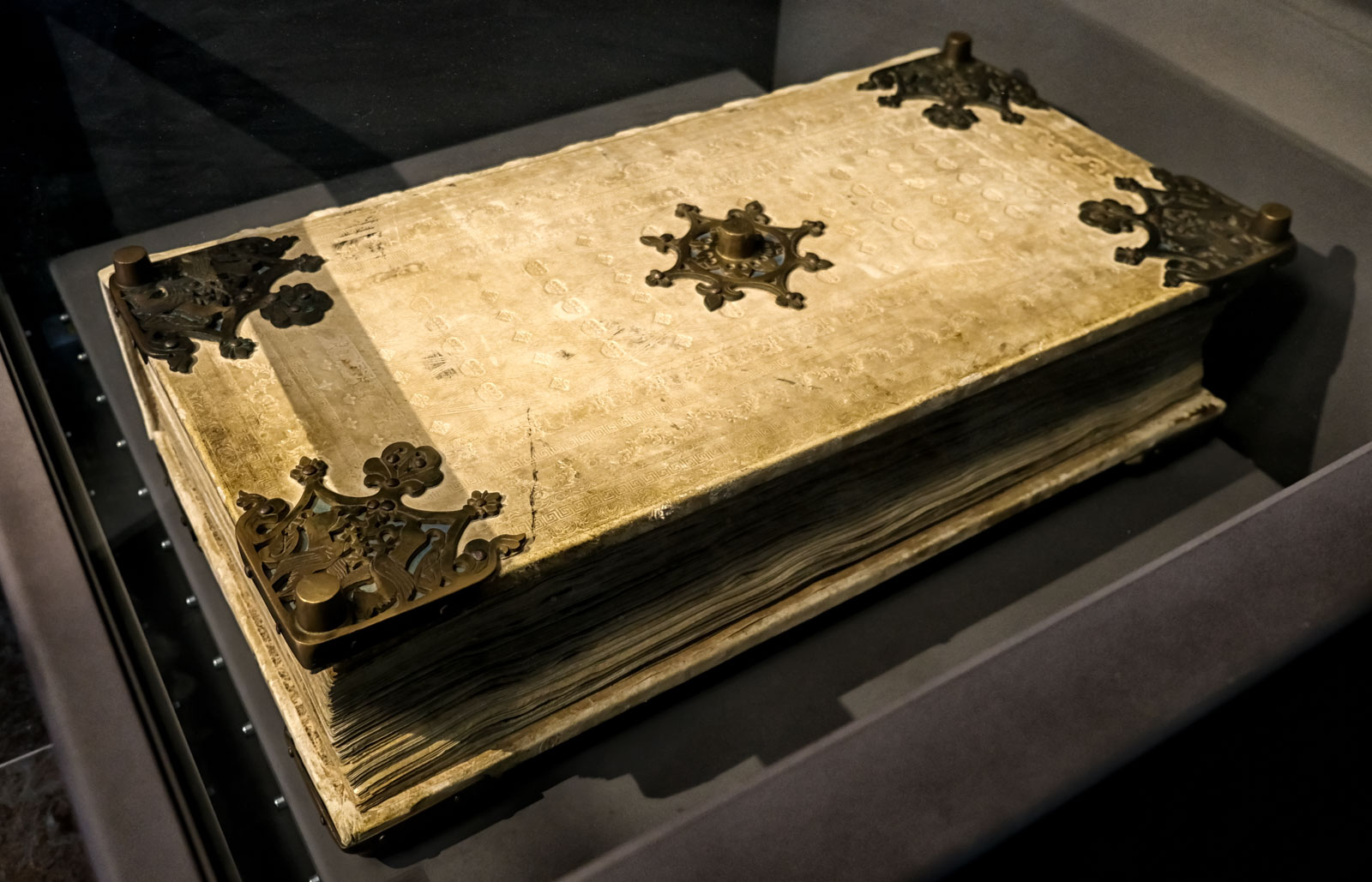
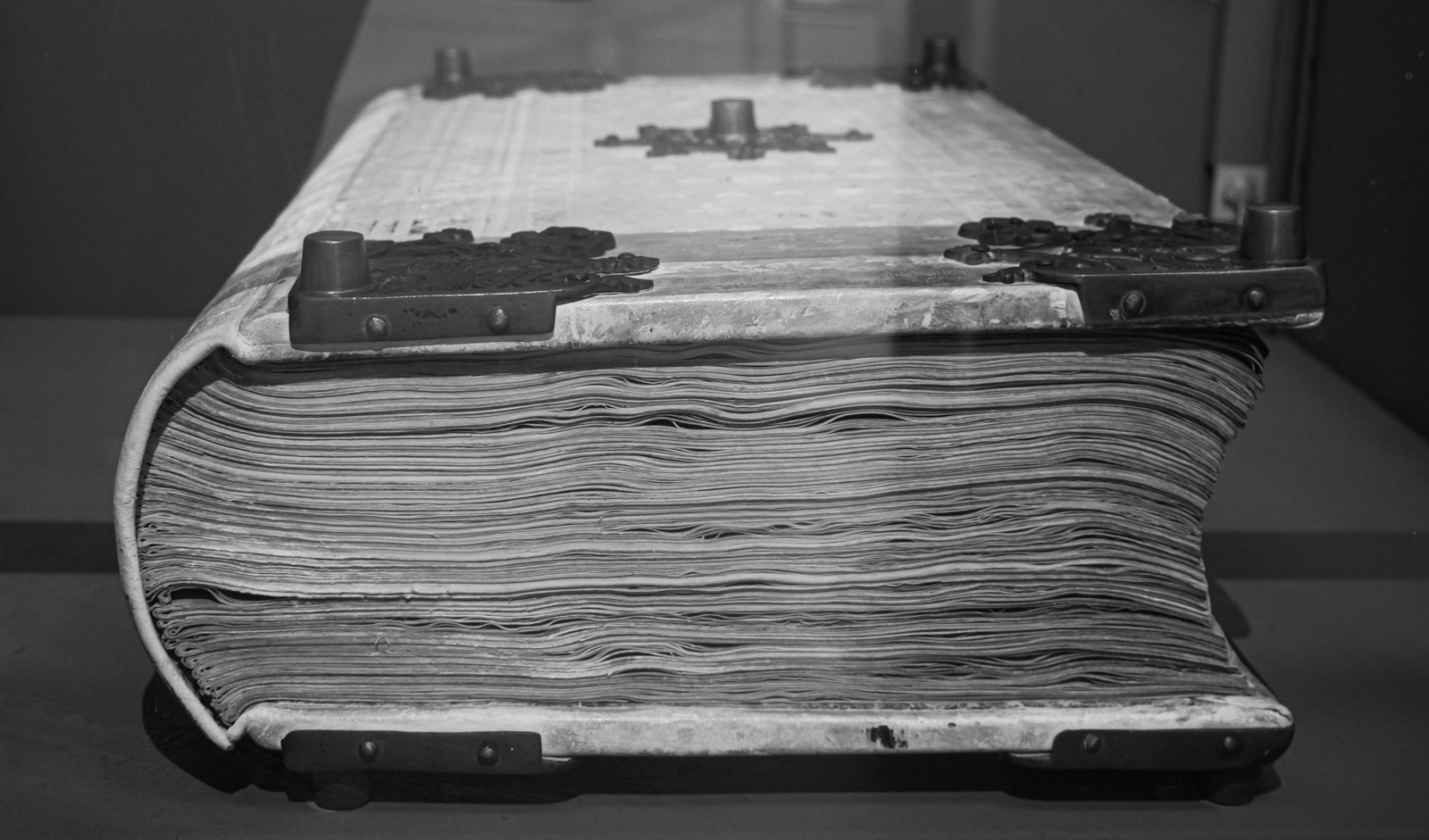
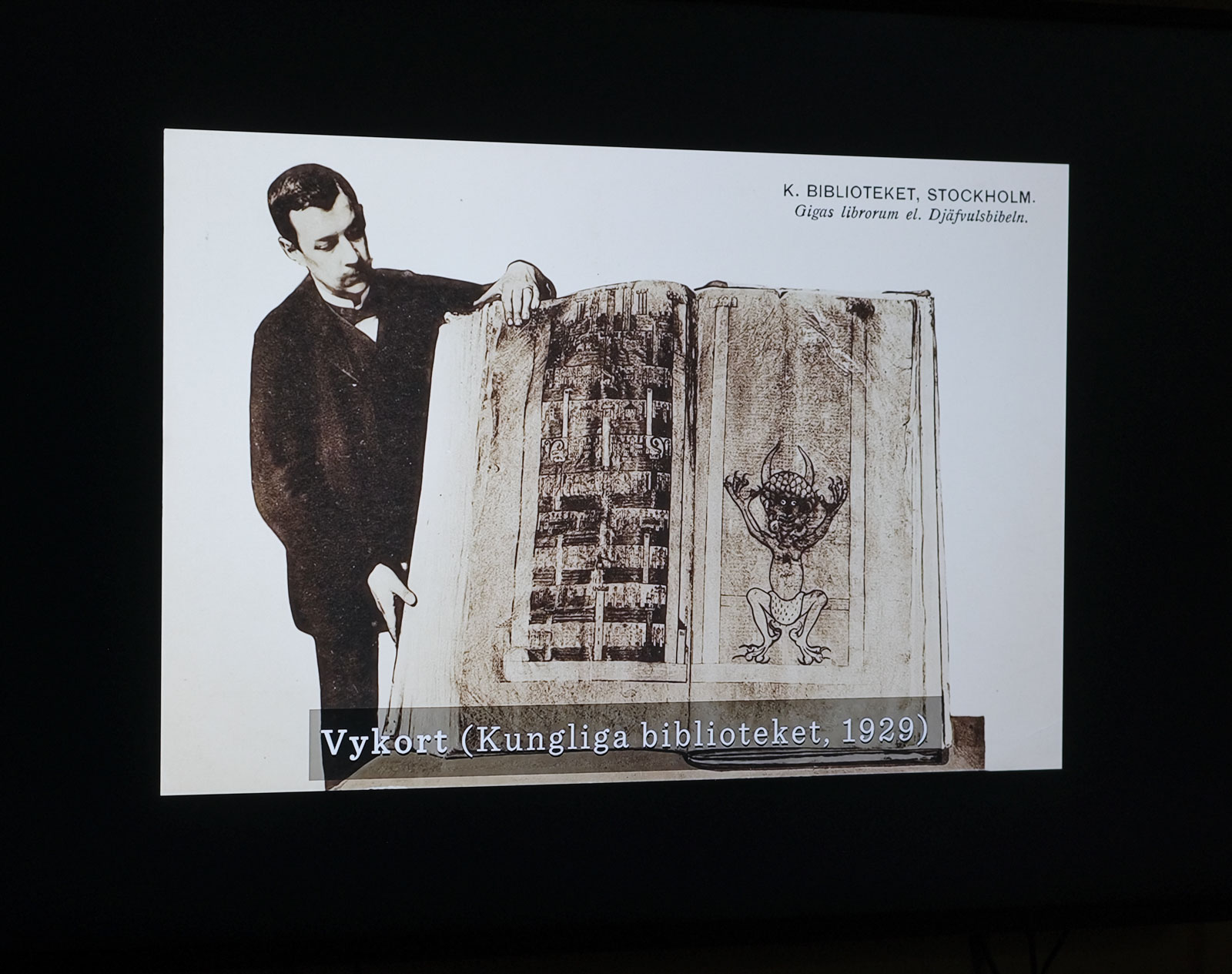
Interesting too is that this Bible contains not only the Holy Bible, but also other popular works, like medical works and an Encyclopedia. They were all written in Latin. Fascinating. Click the link on Codex Gigas above if you want to read more about it.
We welcome Dan as our host this week, and the Lens-Artists Photo Challenge this time is to capture moments that break the boundaries of our everyday life.
Today I have chosen to write about a Swedish prince who broke free from his life as a royal and from the conventions and norms he was expected to follow. To feel Unbound. I hope this twist is OK with you, Dan!

Prince Eugen of Sweden was the son of King Oscar II and Sophia of Nassau.
Showing early artistic promise, he studied in Paris, and went on to become one of Sweden’s most prominent landscape painters.


We visited his home in Stockholm, at the beautiful Waldemarsudde.
After finishing high school, Prince Eugen studied art history at Uppsala University. He did not make the decision to pursue a career in painting easily, not least because of his royal status.
Prince Eugen was very open-minded and never married, in an era when royal princes almost always found princesses to wed. His homosexual orientation was unknown to the general public.

In this gallery, we see the prince painting, and next to him another famous Swedish painter, Carl Larsson. His home Waldemarsudde, and pieces from his collections. The last painting was my favourite of his own paintings, The Blue Villa.

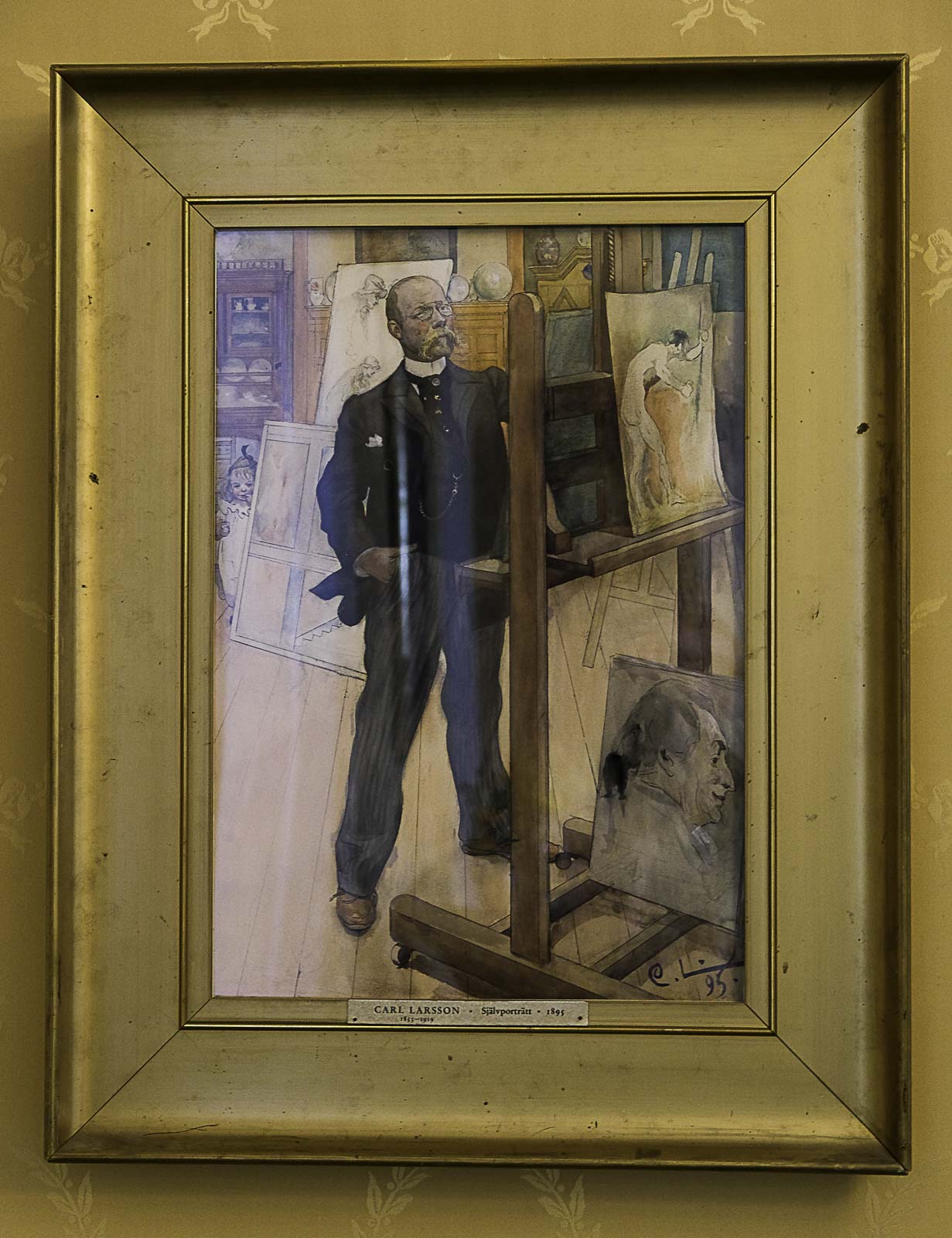
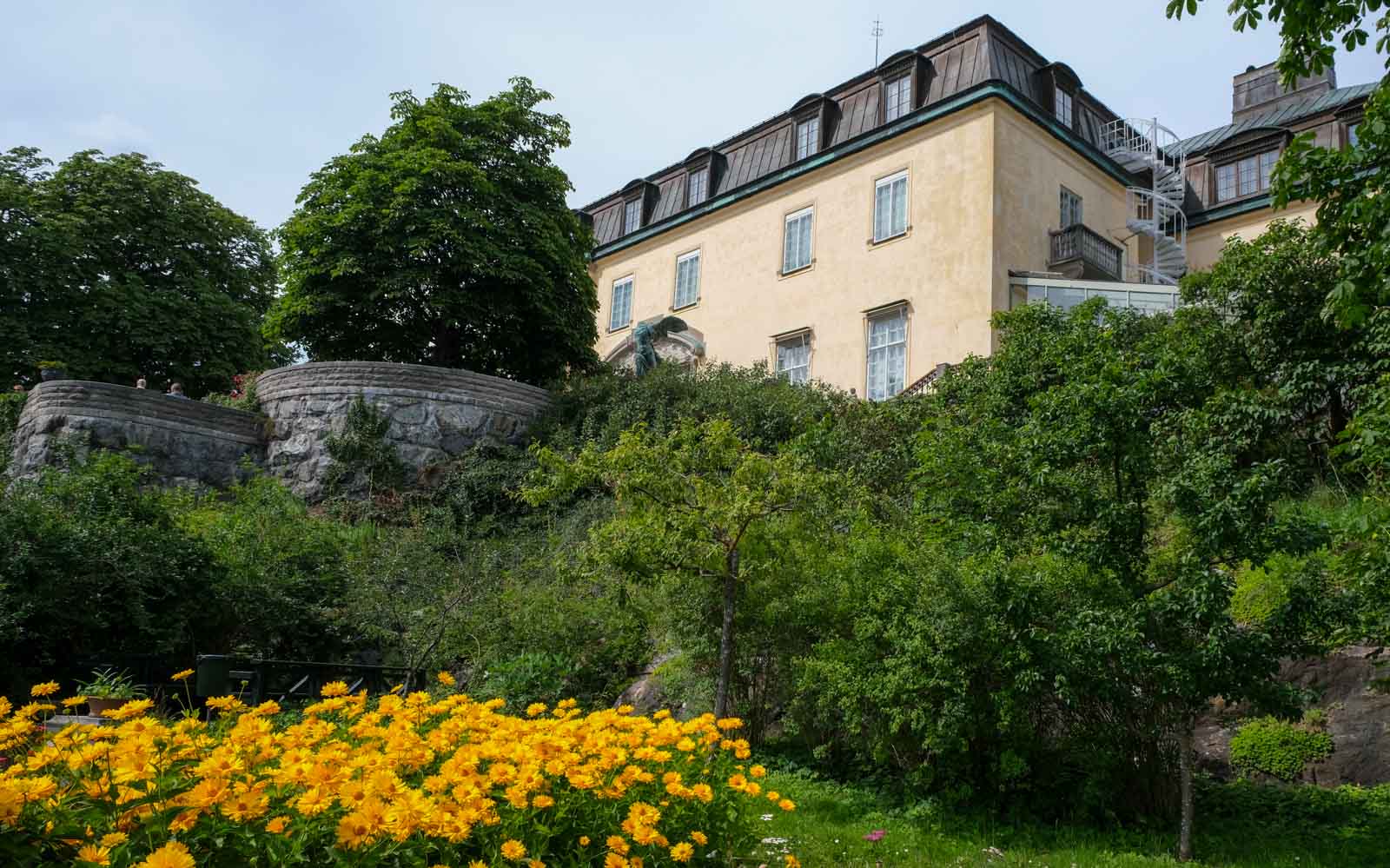
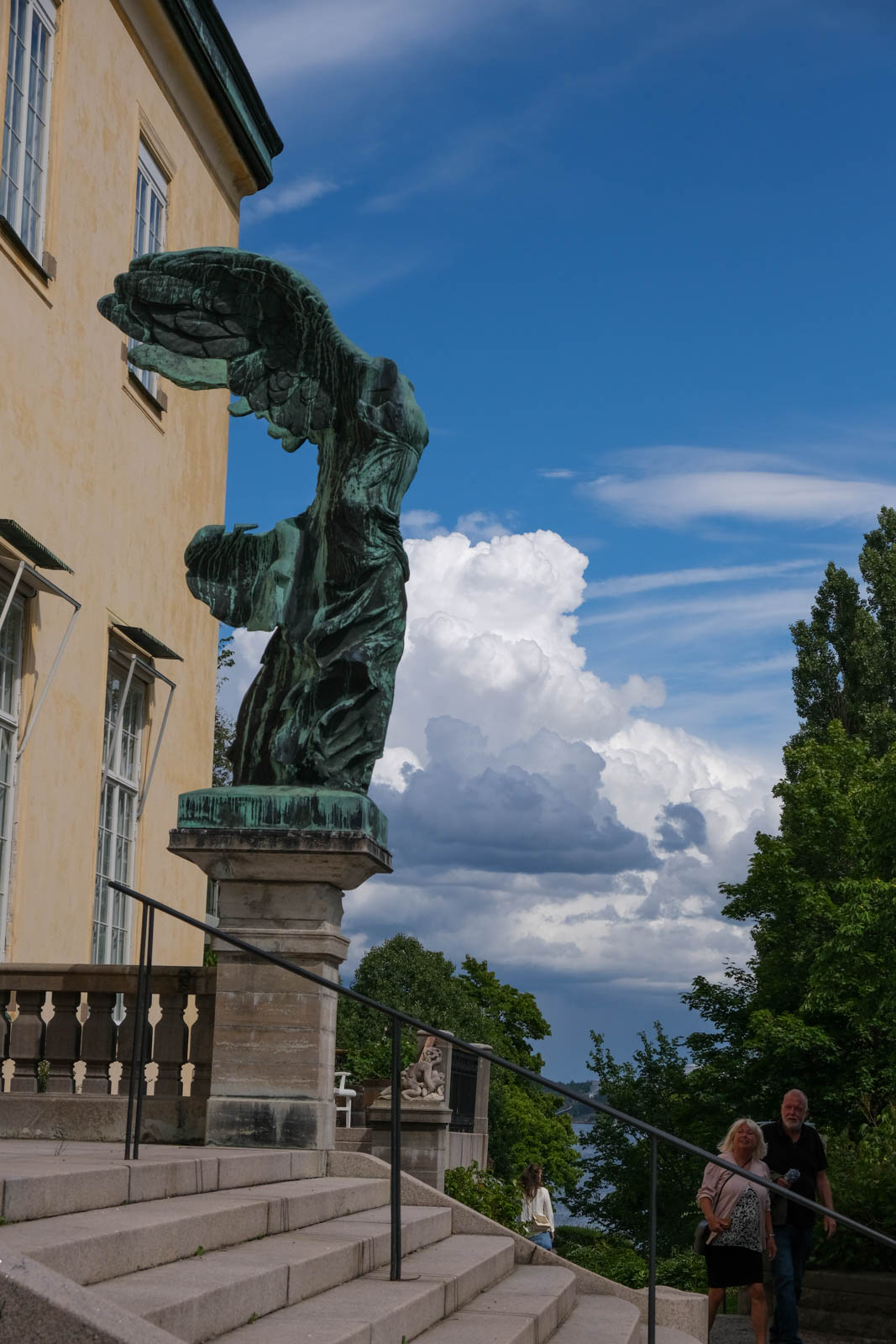

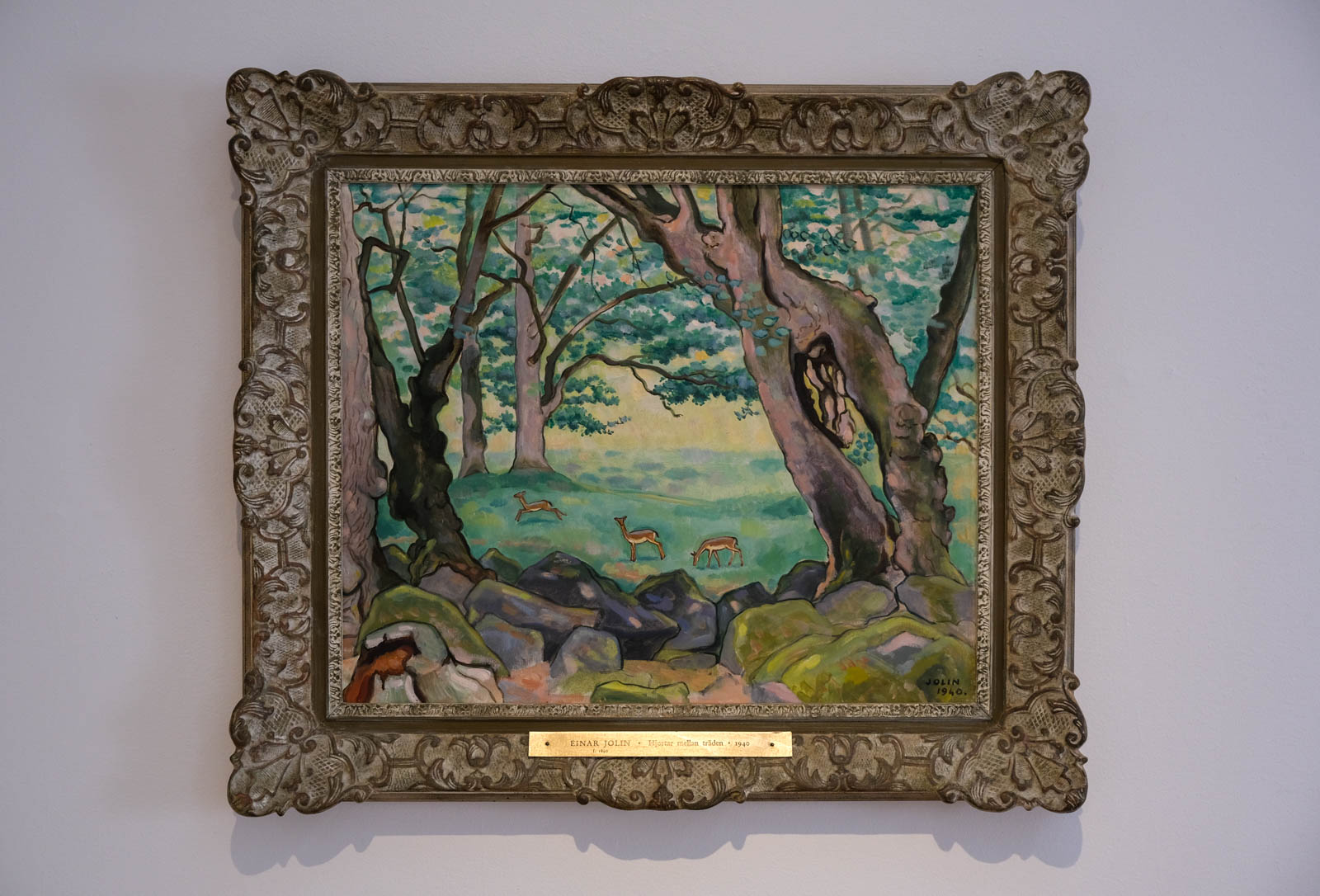


Prins Eugen loved Norway, and was also a prince of Norway before the union was dissolved in 1905. He loved flowers, and one of his famous designs is a flower pot – Waldemarsuddekrukan.
Throughout his life Prince Eugen was an art collector, a designer and a supporter of fellow artists. He was also involved in many cultural organisations and committees. He bequeathed his villa Waldemarsudde at Djurgården in Stockholm, and its collections, to the nation. It is now one of Sweden’s most popular museums.
Sincere thanks to Dan for this interesting challenge, “unbound”. Please be sure to visit and link to his amazing post here, and remember to use the Lens-Artists Tag. Thanks also to Dawn for last week’s Fences challenge, and to you for the incredible variety of responses. Finally, we hope you’ll join us next week when Janet of This, That and The Other Thing will join us as our final Guest Host of the month. Until then, please stay safe, be kind and enjoy the journey.
This week, we’re focusing on telling a story with photos. Sometimes, if we’re lucky, we can convey a story in one image; other times we need several. For this challenge, there is a limit of 5 photos per story.
My two stories are both from last weekend. Midsummer Eve and Midsummer Day.
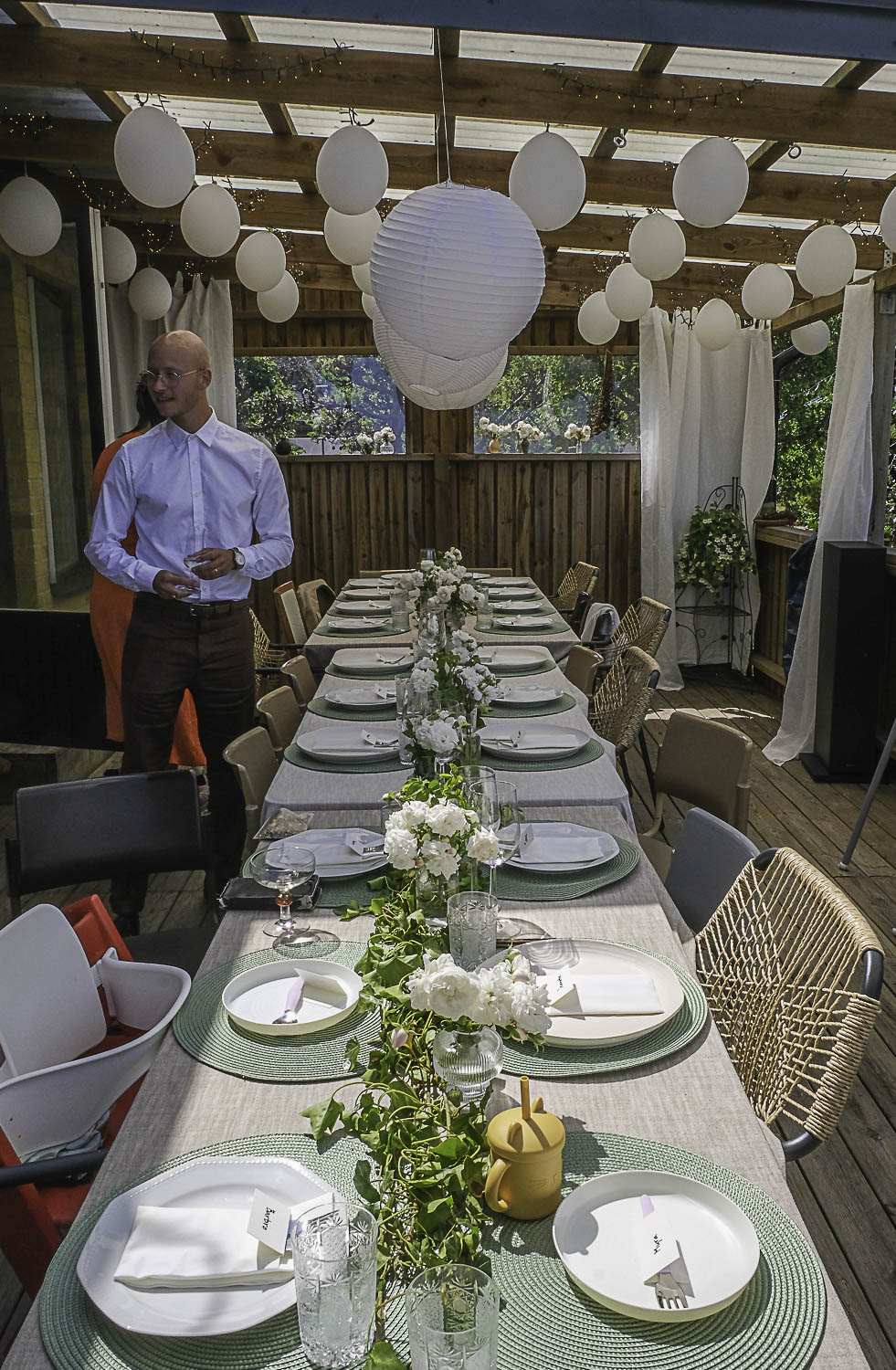


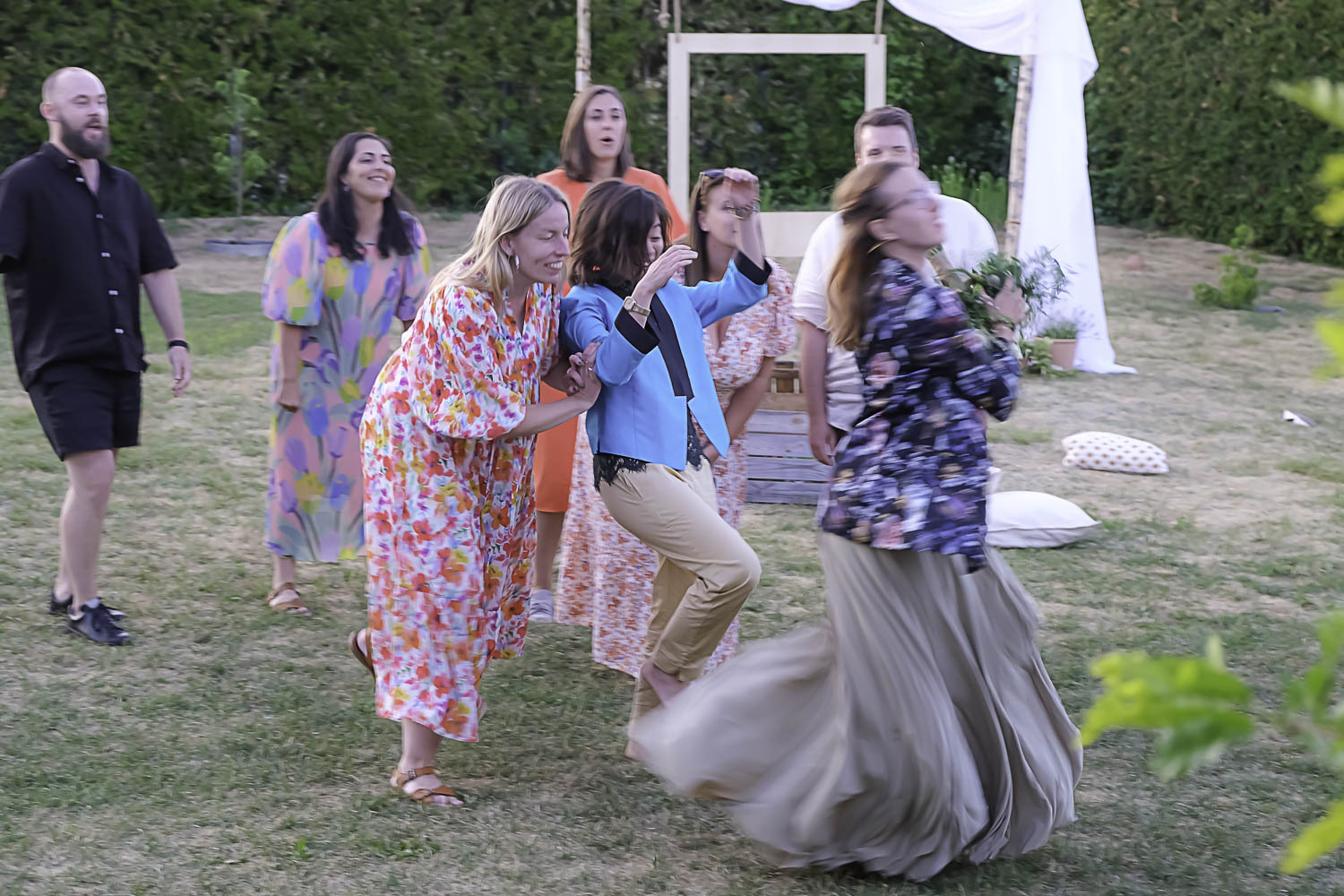
I believe they speak for themselves – without pictures of the young couple. Of all the games we played that day, the most precious one is catching the bridal bouquet. I don’t know about the custom in other countries, but in Sweden, catching it means you are the next one to get married!

Dancing around the maypole and playing games is always a treat for both young and old.
These pictures show Björnen sover, a singing game, used both as a round dance and a children’s song. The tune is a simplified version of the one used for Gubben Noak, published by Carl Michael Bellman, published in Songs of Fredman in 1792. According to Wikipedia, still today research hasn’t proved if Bellman wrote the tune or not. Since it became famous, the tune has been used for several different lyrics in the centuries since Bellman, including many children’s songs.

The game
Because Russia and the USSR sometimes have been called the Russian Bear the term björnen sover (”the bear sleeps”) has in Swedish sometimes referred to times in international politics when Russia has attracted less attention, but not everyone is trusting them.
So, now it is your turn to tell a story in 1 to 5 photos. The story you tell is totally up to you. Document for example an event you liked, a meal you enjoyed or a visit to a favorite place. Share a photo that conveys an emotion, and show us a memory of a place, time or person. In your post, be sure to include the Lens-Artists tag and a link to Patti’s original post.
Last week Tina invited us to share photos of Spiritual Places. A special thanks to Tina for her inspiring theme, which generated your marvelous posts. I was especially touched by the images that honored Bren, a wonderful creative artist who recently died from cancer.
Now, a special announcement. We’re very pleased to tell you that once again 5 very talented photographers have accepted our invitation to host our July “Month of Guest Hosts” here at Lens-Artists. Be sure to visit their unique sites each week as they explore the following topics:
In August, the Lens-Artists team will be back. I, Ann-Christine, will be your host on Saturday, August 5. Look for my post on Leya at noon ET. And by then, this hectic time will be over and I am free to do some inspired blogging again. In the meantime, I am hoping that your July is relaxing and filled with inspiration for the July topics!
Interested in joining the Lens-Artists challenge? Click here for more information.
We who live in the southern part of Sweden often visit Denmark. Good food, nice people, lovely architecture and several great art museums. This time we had a nice surprise – snow! I have never seen a piece of Denmark in snow, and some Danes hadn’t either it seemed…
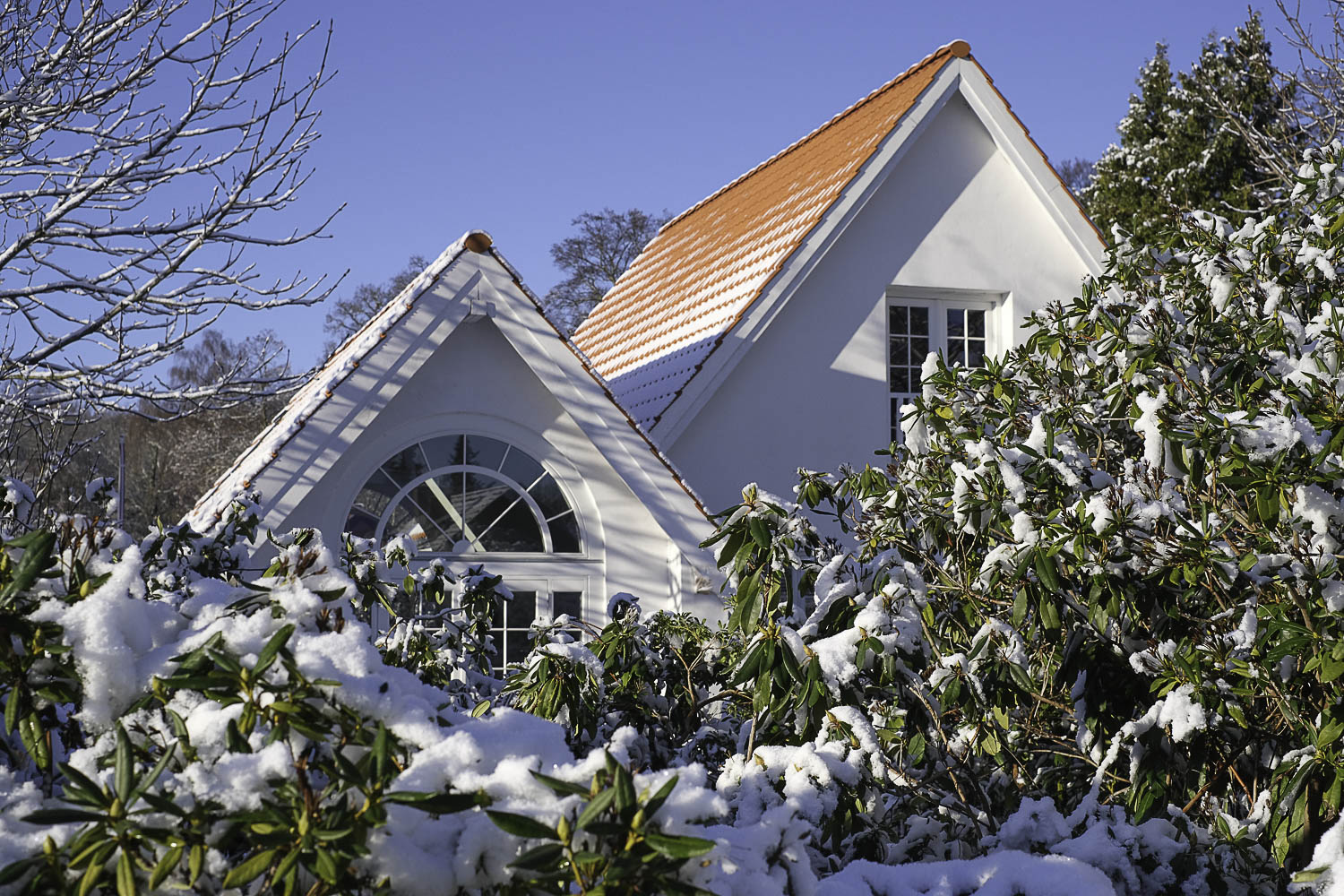
The walk from the train to Louisiana art museum is a treat with the lovely architecture – different in every house.

The park at Louisiana was the main attraction this time – not only because of the snow. We had excellent weather with a cold sun and no wind.

People were photographing everywhere, the snow and the calm sea. It is Sweden at the other end of the water. 20 minutes by ferry.
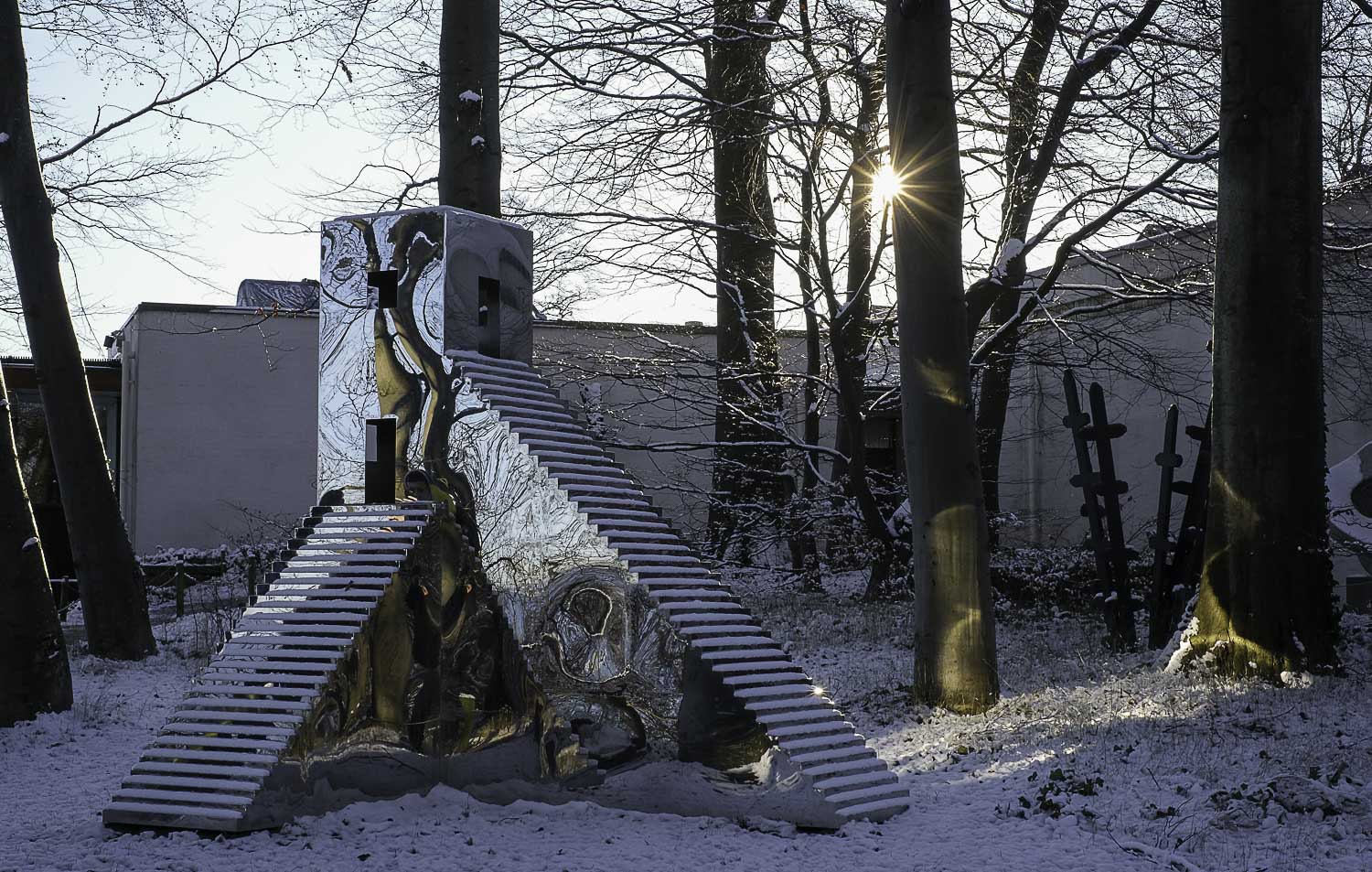
We spent a lovely hour walking around the grounds. Sculptures, installations and special art spread out everywhere.
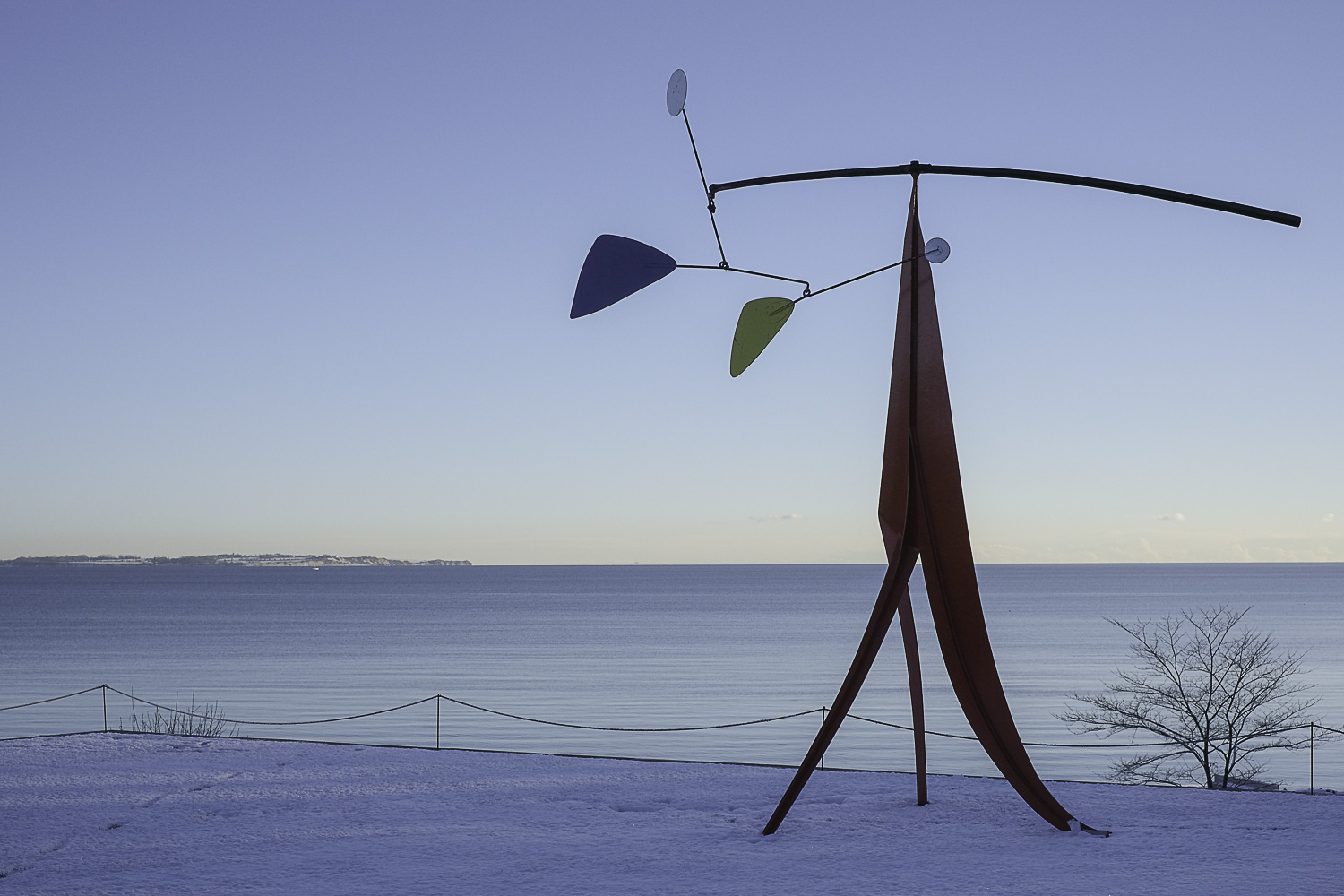
A day of serenity

The small island at the horizon is a Swedish piece of land. Hven, the home of the famous astronomer Tycho Brahe. His observations are generally considered to be the most accurate of his time. (16th century)

Tjolöholm Castle is in many respects a fairytale castle. The castle was built 1898-1904 by James Fredrik and Blanche Dickson. In fact it was Blanche who finished it, as her husband died shortly after the plans were ready.
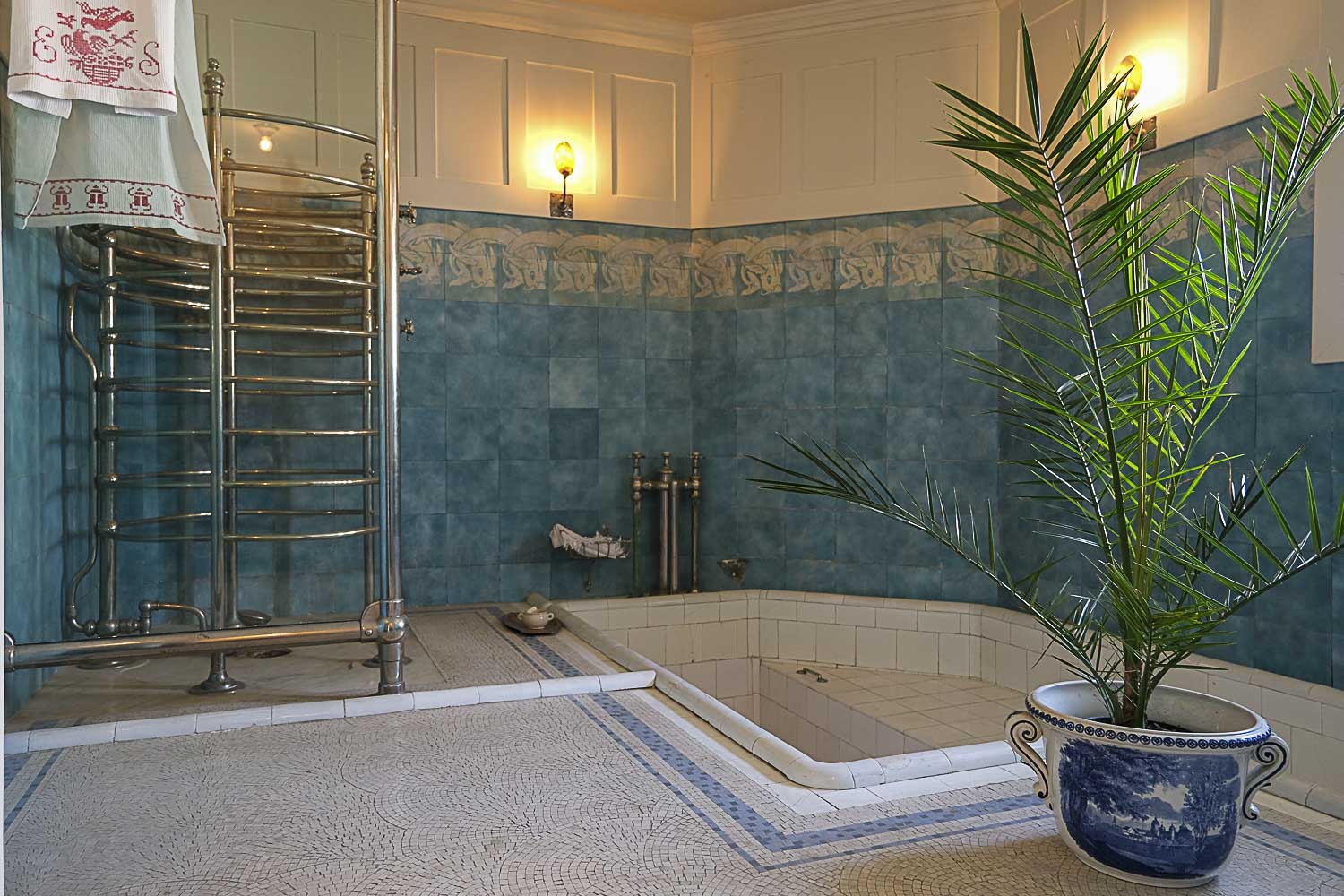
The young architect, Lars Israel Wahlman, combined the Tudor style with modernities from the turn of the century such as showers with circularly flowing water, electricity, central heating, and a vaccuum cleaner (so big and heavy that it had to be drawn by horses). The intention was to create a home that was both comfortable and dignified.

Parts of the castle were being renovated when we visited, which of course made it more difficult to take decent photos.
Some of the most impressive ideas and rooms were the bathrooms with the special showers. All ordered from Liberty in London – the worksmen as well!

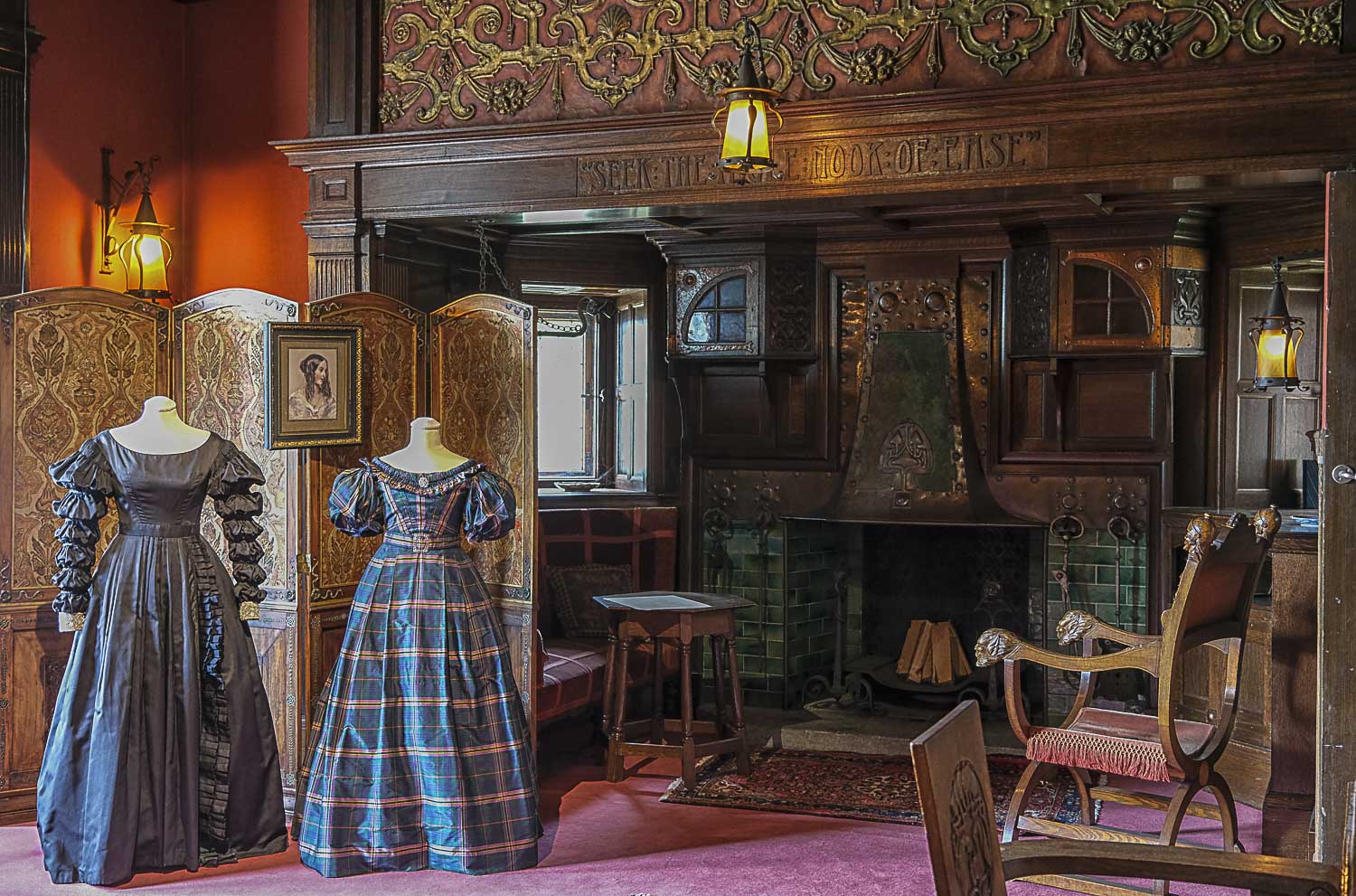
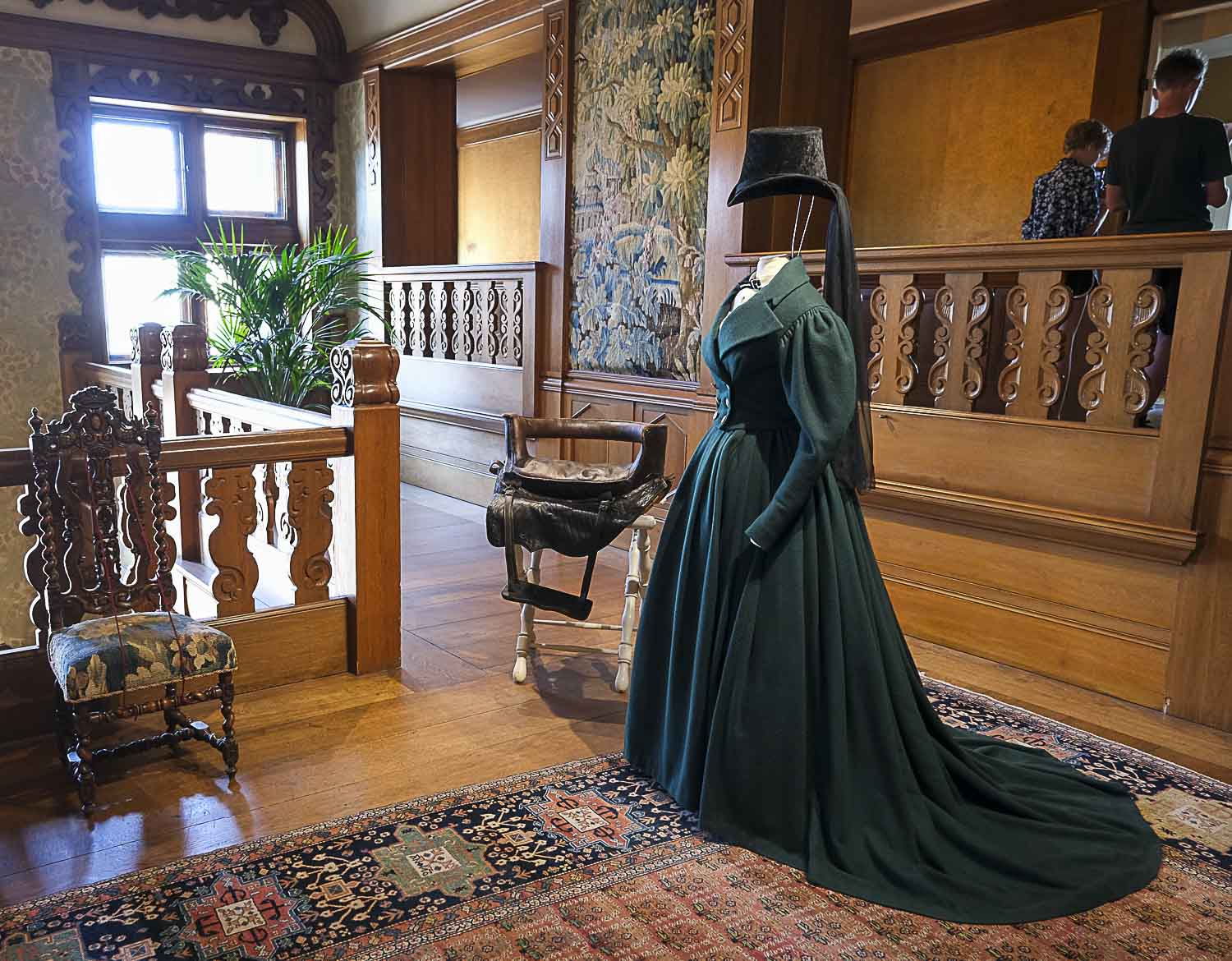
I also loved the fashion exhibition, grand royal 19th century, Queen Victoria and Prince Albert depicted from majestic festivities to the family’s private sphere. The Dickson family had moved from England and bought Tjolöholm to build a new home. The style is Arts and Crafts, and the whole interior is intact. A very unusual thing – rather fantastic. The furniture, tapestery and almost everything indoors was bought from Liberty in London – a company that still exists.
The lady’s riding costume certainly makes for the side saddle…



Rooms I really loved seeing were the children’s rooms and the flower arranging room.
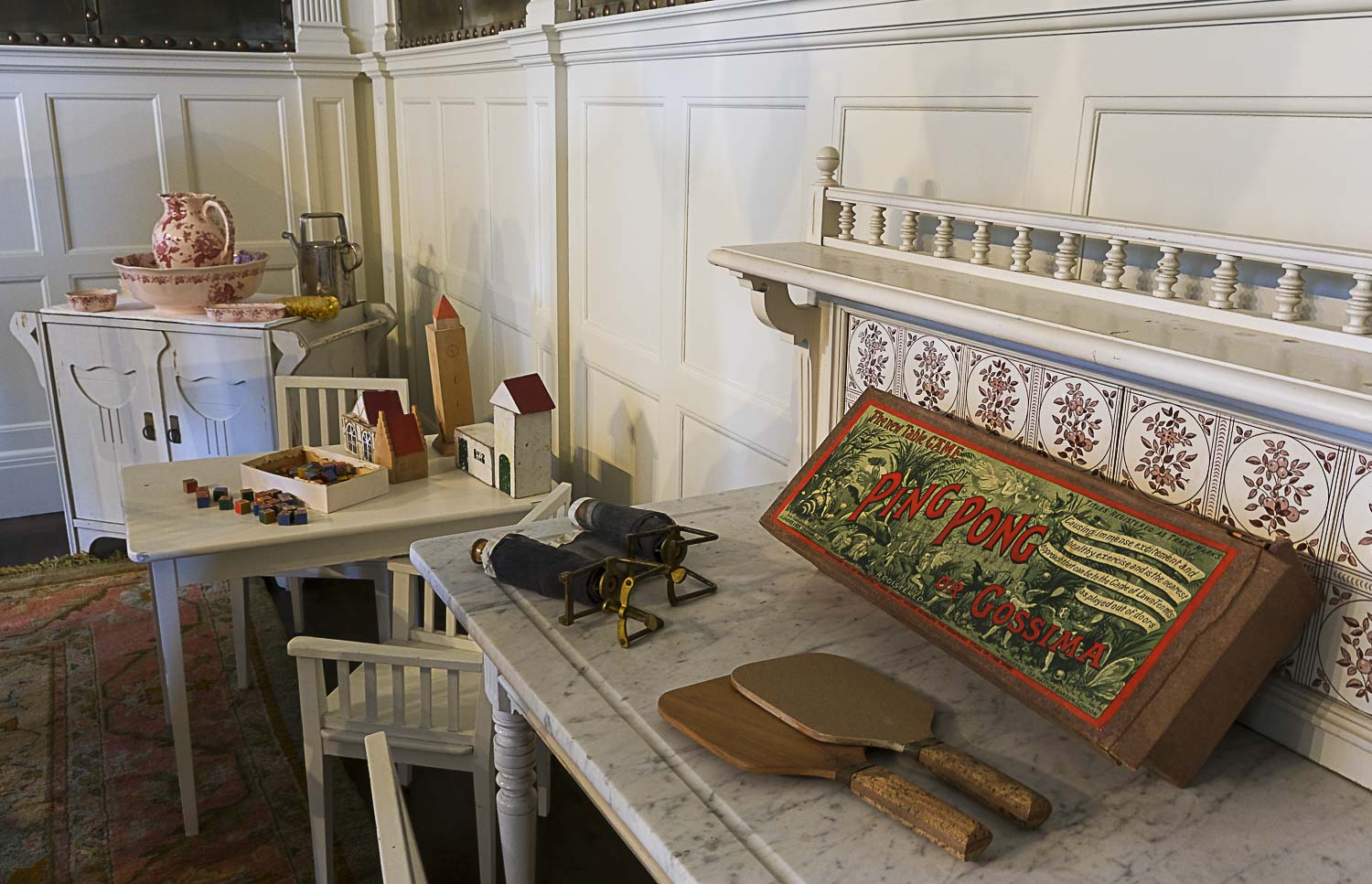


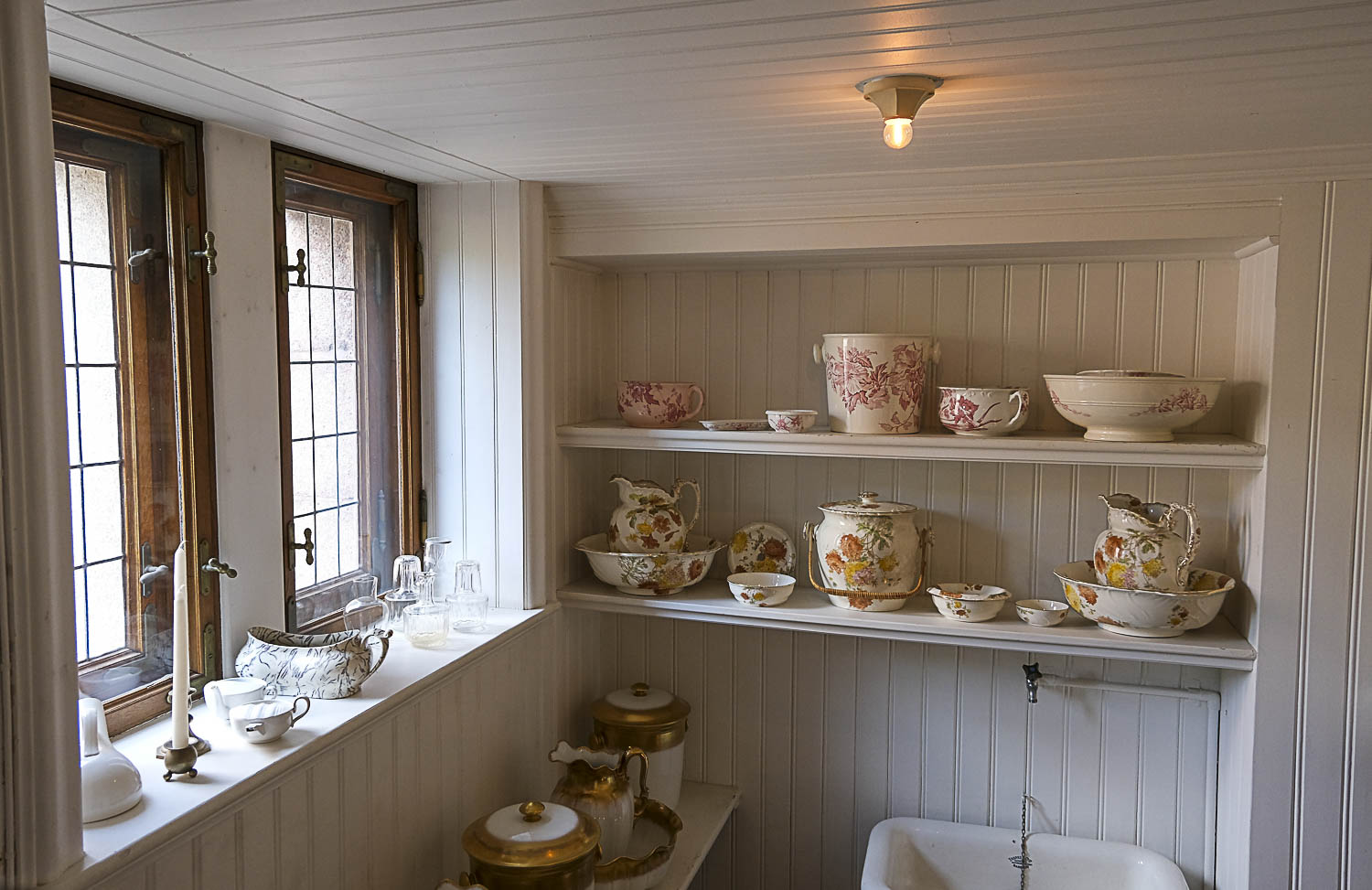
Then…rooms with very special things in them or special thoughts guiding their interior decoration.


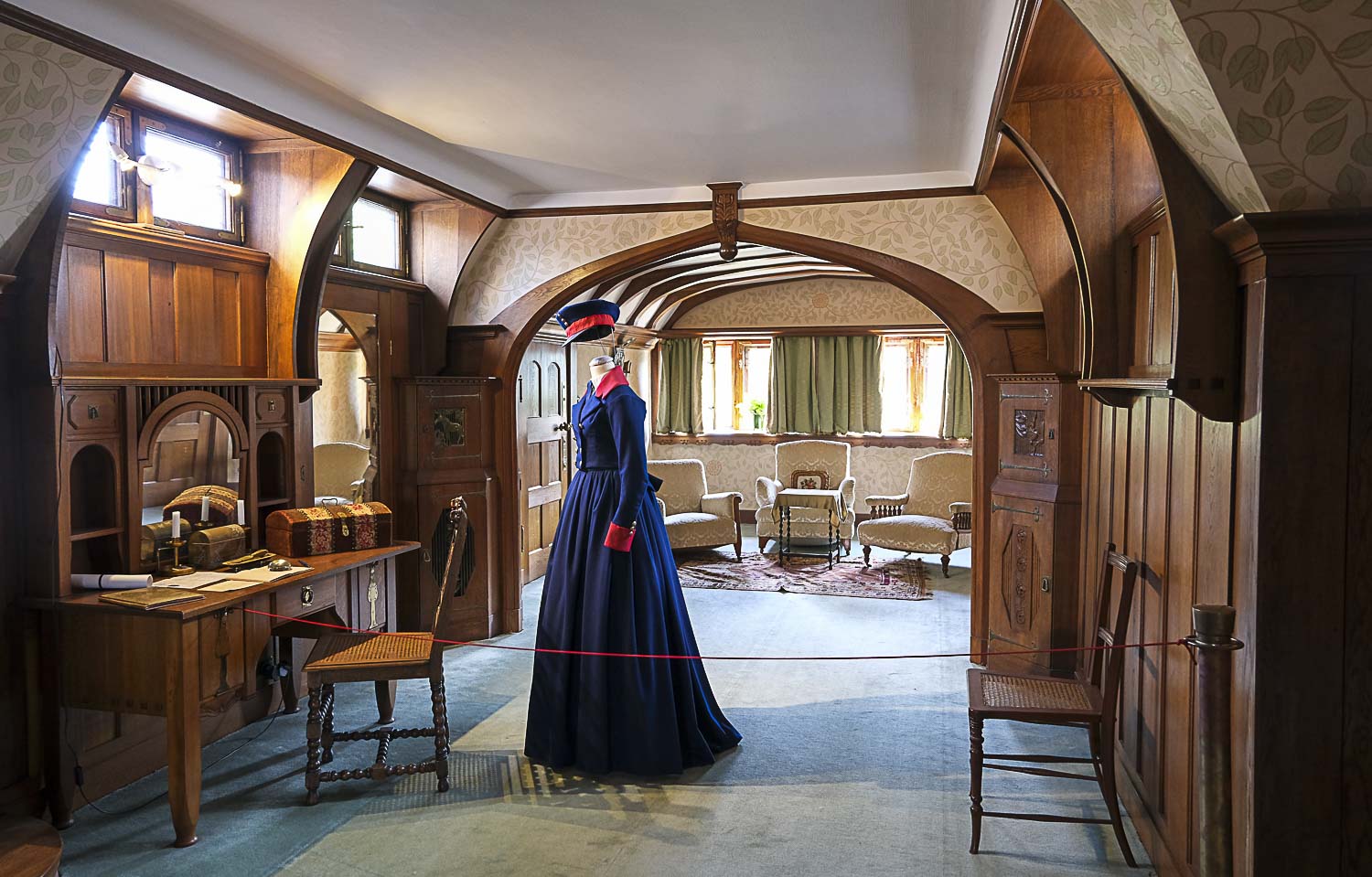
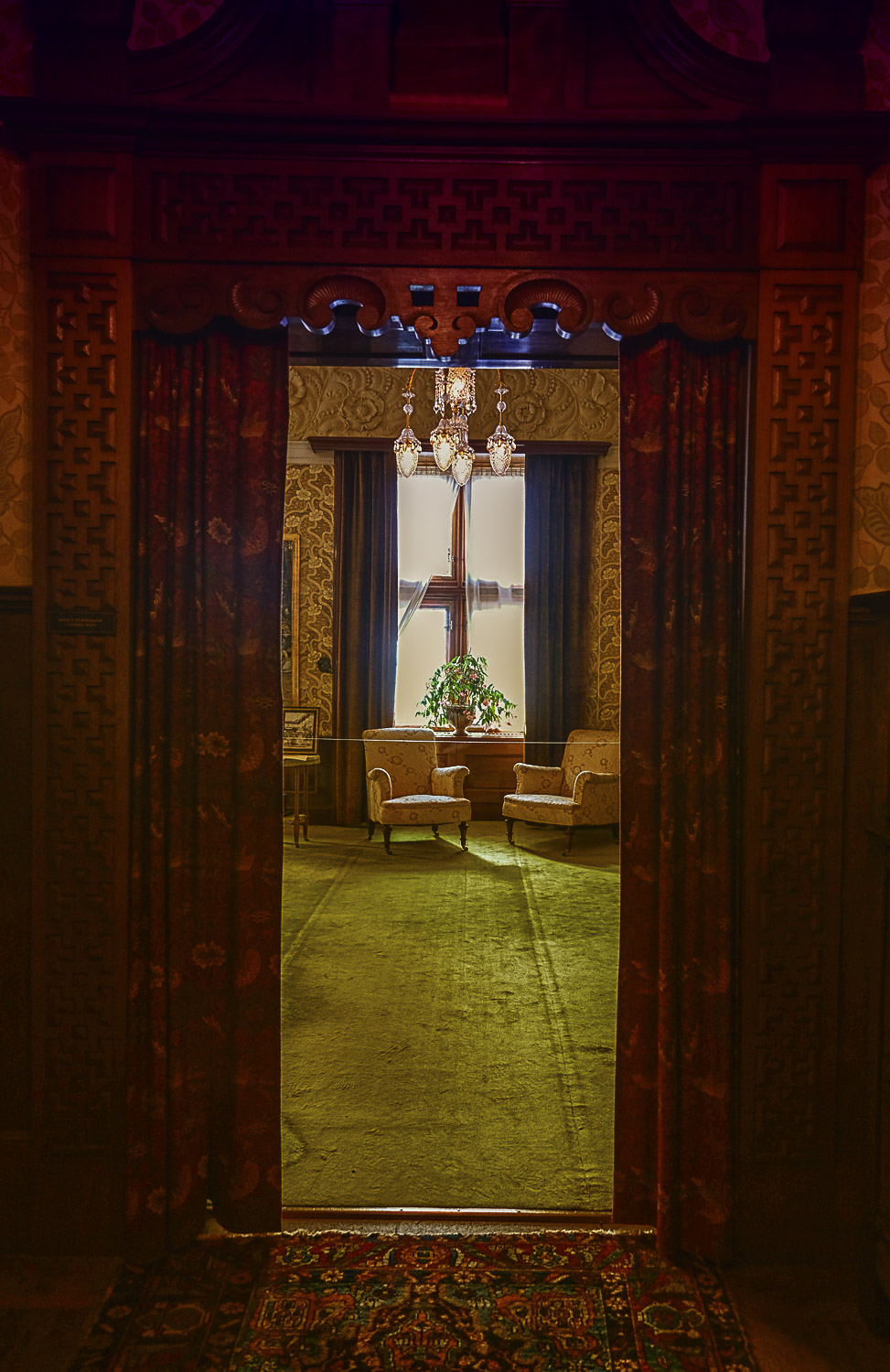
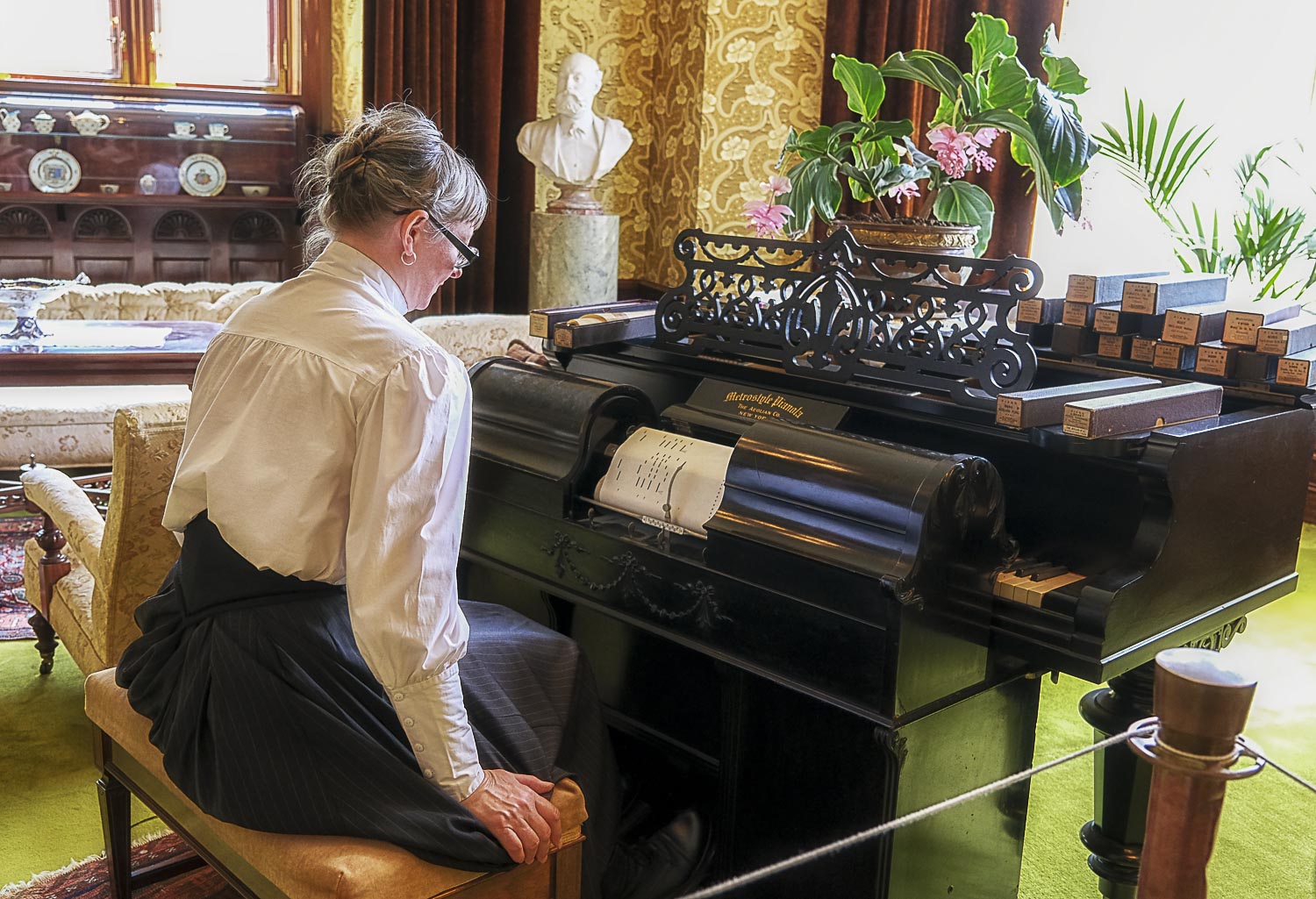
I especially want you to look at the green carpet room. The entrance to the room was meant to lead the eye along the (very) green broadloom (?) and through the window, out in the green of the garden. To create a feeling of wholeness – indoors and outdoors nature. The player piano or pianola in the last picture, is one of the last existing, working pianolas. The many boxes on top of it contains pieces of music for the instrument. The lady, one of the guides, offered to play the pianola for us. It worked perfectly well!
There is much more to be seen in this charming Tudor castle, so I suggest you visit yourself someday.
There will be one more post from me on the Castle – and the beautiful castle garden. Hope you enjoyed a piece of the cake – I enjoyed your coming along with me!
 Leya
Leya 
Du måste vara inloggad för att kunna skicka en kommentar.