


”Be creative – there are lines everywhere. Footsteps in the sand, train tracks, the walls of a town on a narrow street, a row of arches on a building or of lights at night, a babbling brook or a winding river – it’s up to you to see and shoot them.” Tina’s challenge this week is Leading Lines.
Lines natural or man made – or both! In the header, a church in Stettin.

Lines on the ground I am walking – a hike to Svartisen glacier, Norway.
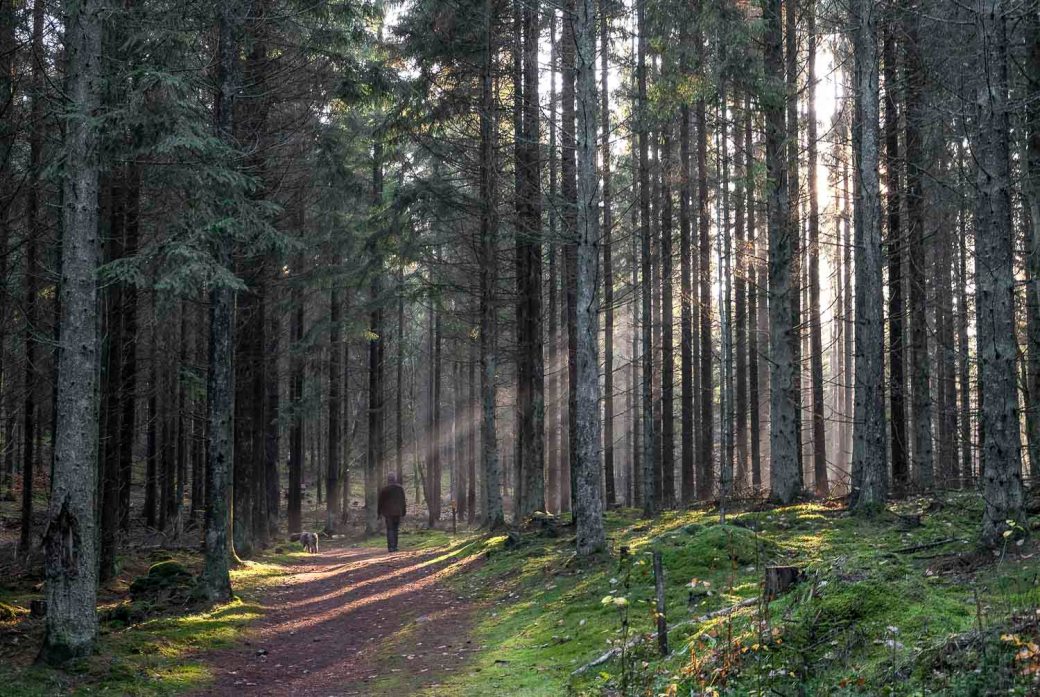
Lines from more than one direction, still leading your eye to the target.
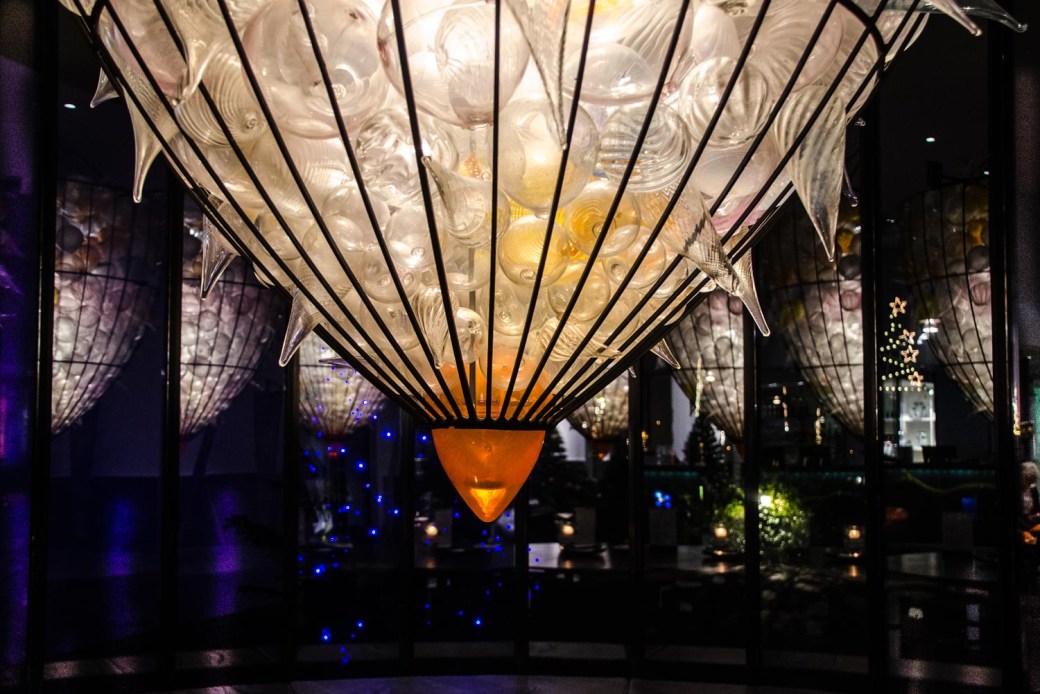
A spectacular lamp fills the room at Kosta Boda Spa Hotel – its lines are also reflected in the windows.

The Concert Hall of Stettin – lines striving for the camera window high up on the wall.

An exhibition in Denmark – but lines are leading to the lady in red!

Vadstena, Sweden – a foggy morning – how close are the trees at the end of the bridge?

Drying fish in Norway – a classic leading lines shot.


Of course I had to finish with my cats again…The Balkans tour in December brought some different leading lines – but still, I hope they are leading your eyes the right way. Click them up full size to follow them all the way!
We invite you to join us this week and explore Tina’s wonderful theme. As usual, Tina, Amy, Patti and I value your creative responses and thoughts. Thanks for joining us!
Remember to link to Tina’s original post, and tag it with “Lens-Artists.” If you’re new to tagging, click here for an explanation of how and why. Remember your post will get more views and comments if you tag. If you’ve not seen our Tag Section yet in the Word Press Reader, click here to see it.
It will be Patti’s turn to host Lens-Artists Photo Challenge #81 on Saturday, January 25, 2020. Hope to see you then!

David Gareja Lavra is a historical and architectural monument within the monastic complex of David Gareja. It was built during the first half of the 6th century under the guidance of San David Gareja, one of the thirteen Assyrian monks who arrived in the country at the same time. He came to bring Christianity to Georgia, and he founded around 15 monasteries in the arid and desert like nature on the border to Azerbaijan.
David Gareja is a Georgian Orthodox monastery complex located in the Kakheti region, and the complex includes hundreds of cells, churches, chapels, refectories and living quarters hollowed out of the rock face.
Despite the harsh environment, the monastery remained an important centre of religious and cultural activity for many centuries; at certain periods the monasteries owned extensive agricultural lands and many villages. The renaissance of fresco painting chronologically coincides with the general development of the life in the David Gareja monasteries. The high artistic skill of frescoes made them an indispensable part of world treasure. From the late 11th to the early 13th centuries, the economic and cultural development of David Gareja reached its highest phase.
We left early in the morning on a private tour, because the roads were all very narrow and bumpy – no buses could go there. Road builders and machines were constantly working and in some places we had to drive in the nearby fields instead of the road.
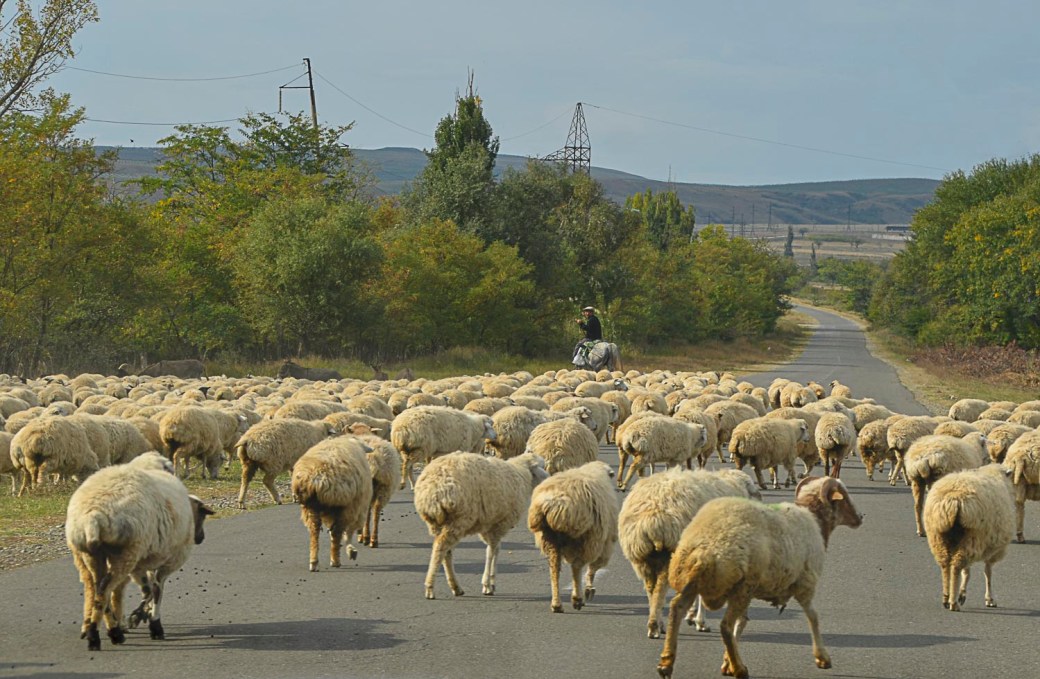
We wondered where these sheep would get any food, but loved to see them – and their shepherds on horses.
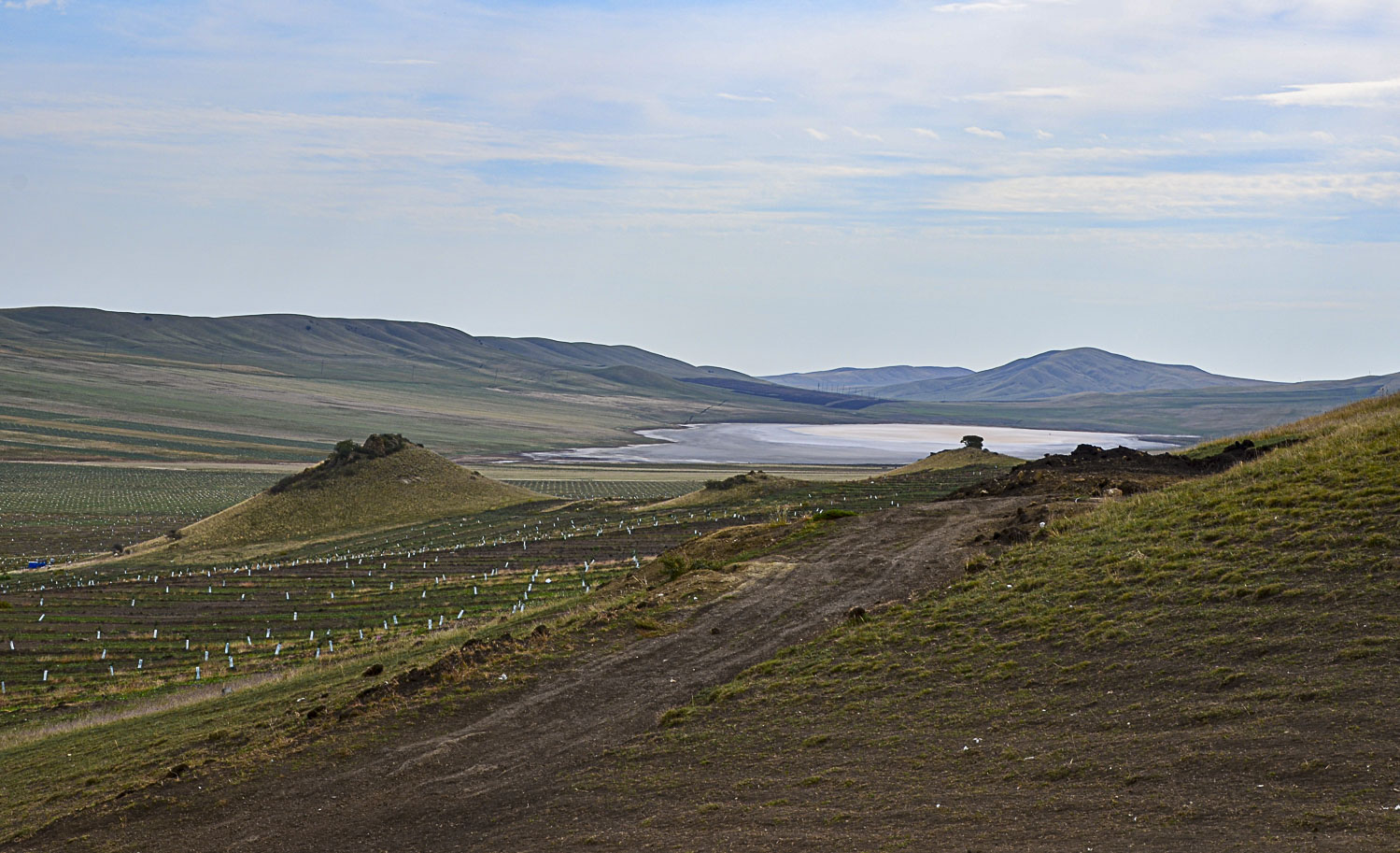
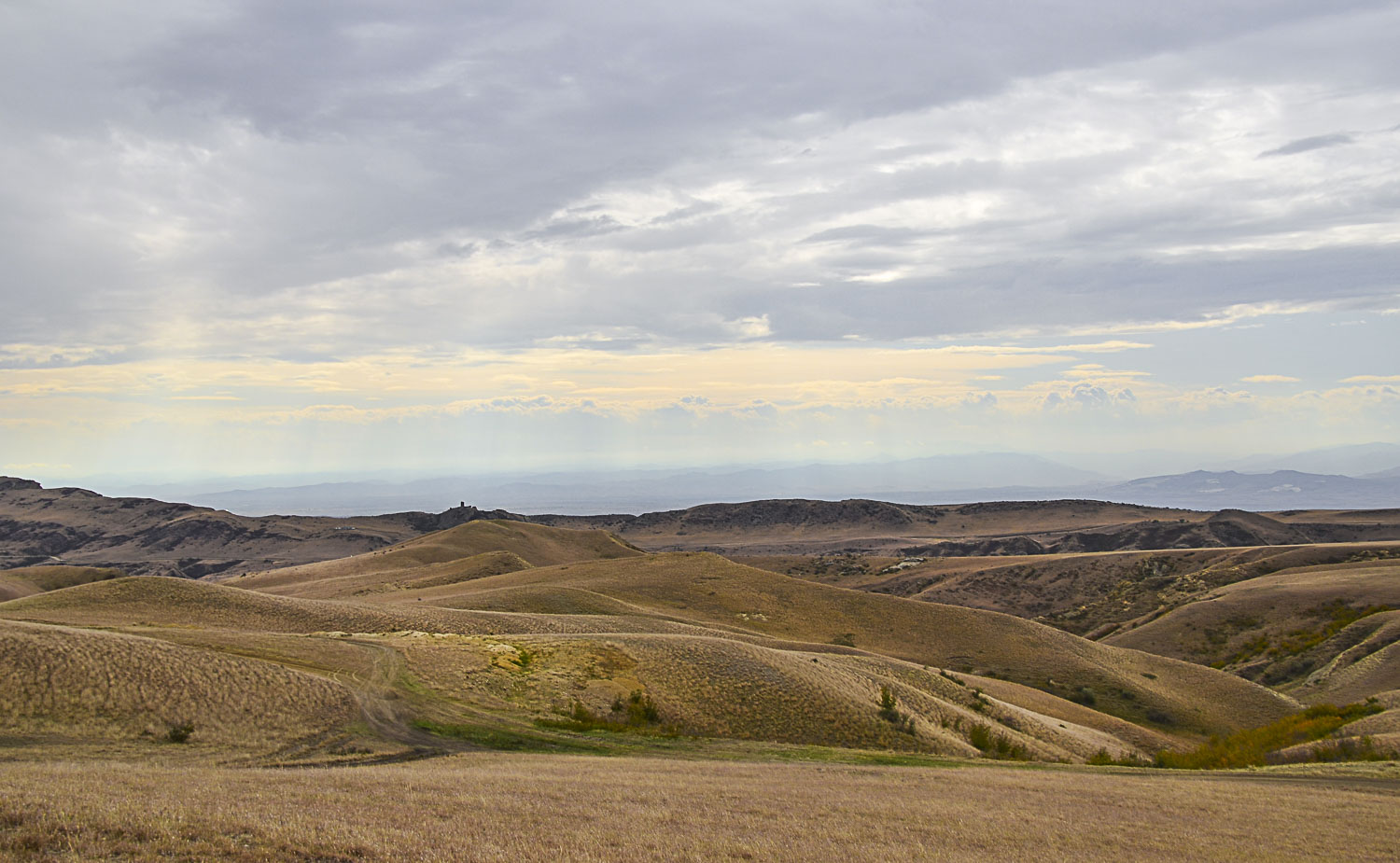
I loved the landscape, the low ridges, the long views and the serenity of the lines. We also saw gigantic areas with olive trees, according to our guide a co-operation with EU. When ready, the olives would be exported for the EU market.
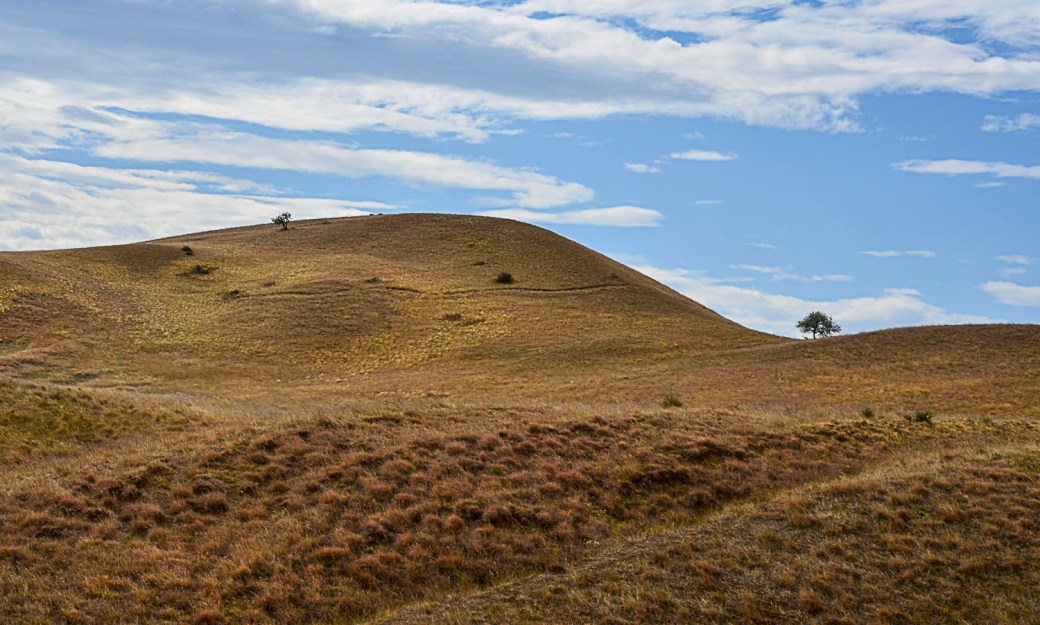
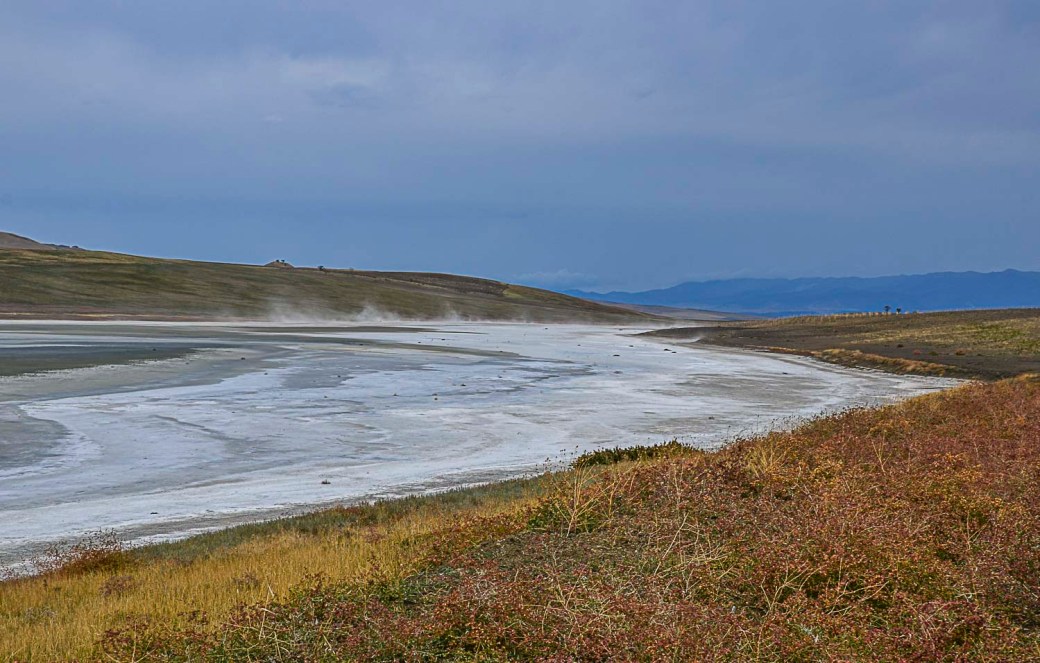
We passed some salt lakes as well. Millions of years ago, the whole area was covered in water, and today these lakes are the only remaining waters to be seen. They have no outflow in this hot and dry area, so what is left is – salt.
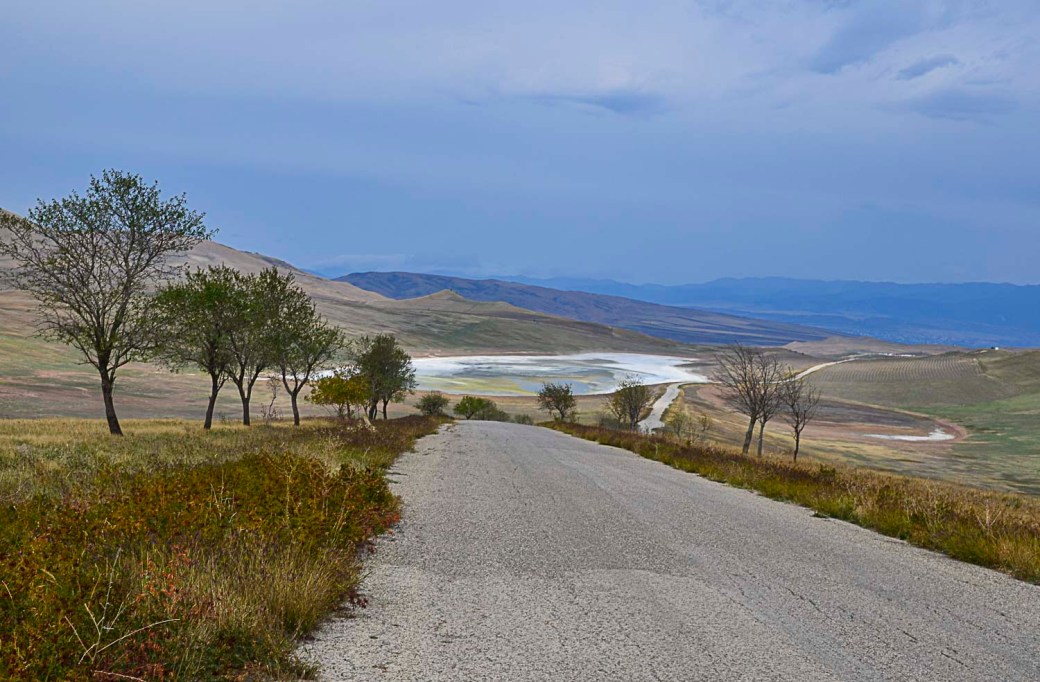
This means that the soil is saturated with salt and difficult to cultivate. Even the ground water here is too salty. In order to use it as drinking water, it has to be filtered. This windy day, salt was flying in the air, and you could feel it on your tongue when speaking.
While driving, our knowledgeable guide told us of The David Gareja monasteries and their long history of wars and vandals, destroying and rebuilding. The Mongolians och Timur Lenk were devastating, but that was nothing to the Persians killing of 6000 monks celebrating Easter in 1615. After the prayer in all 15 monasteries, all monks were locked inside the churches and killed. The rich artworks and other treasures were destroyed or stolen. After this blow, the D G monasteries never came back to their former glory.
Then, what seemed a final blow, came after the violent Bolshevik takeover of Georgia in 1921 – David Gareja was closed down and remained uninhabited. In the years of the Soviet–Afghan War, the monastery’s territory was used as a training ground for the Soviet military, that inflicted damage to the unique cycle of murals in the monastery.
After the restoration of Georgia’s independence in 1991, the monastery life in David Gareja – Lavra – was revived. Today it is the home of 13-30 monks.

We only visited Lavra, and we were not allowed to see how the monks really lived their daily life. But, the guide told us that in one of the higher located caves, the monks had their meals – kneeling at stone tables.


The area is also home to protected animal species and evidence of some of the oldest human habitations in the region.


Part of the complex is located in the Agstafa rayon of Azerbaijan and has become subject to a border dispute between Georgia and Azerbaijan, with ongoing talks since 1991. But as there are strong economic and cultural ties between Azerbaijan and Georgia, they both have peaceful intentions in the determination of borders.
On leaving the monastery, my head was filled with thoughts of how a monk’s life must be out there in the desert. I wonder how young or old they are today, what their cave cells look like and how cold it is there in the long, lonely nights. Questions without answers.
A fact is – that Georgians are, and have always been, a strong people. They have been invaded by so many other powers, countries and people, but every time they have risen again. How they have remained so friendly and good at heart is a true enigma.
This week Tina is asking us for something Cold – and cold it is in Sweden now. But where I live it almost never gets below -20C. In recent years the climate has changed and our winters send us very little snow, and temperatures mostly around zero (+-0C). Gone are my childhood days when skiing was a winter joy.
For some real cold, I must go up north visiting friends or my daughter in Umeå. For many years we went to Dalarna to ski, but not anymore. So Tina, I will venture up north and to Iceland – for the real thing. In the header, Gullfoss, and I believe the coldest moment ever in my life.
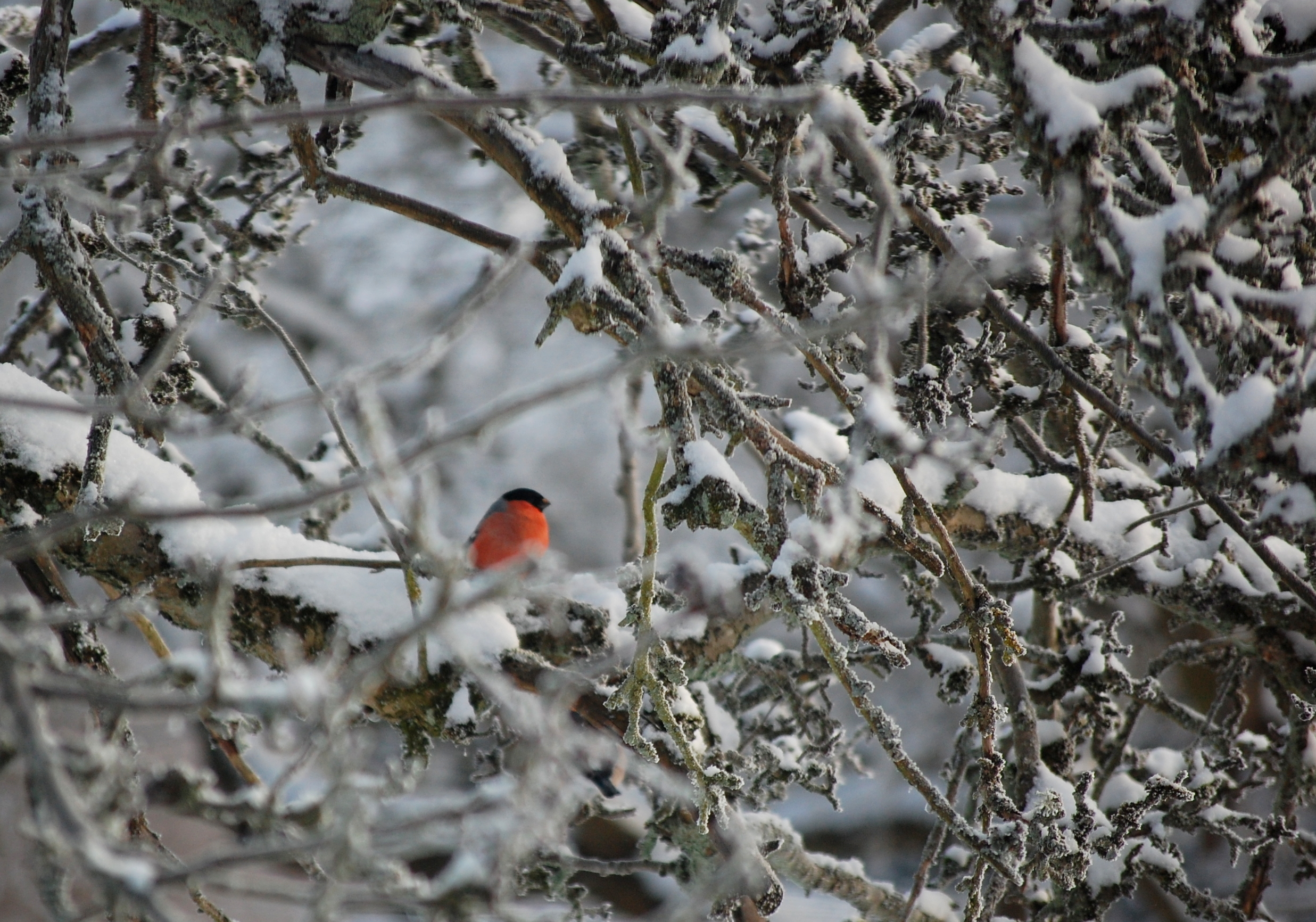
My old apple tree and a Bullfinch. And yes, I do love winter – when it is Winter.
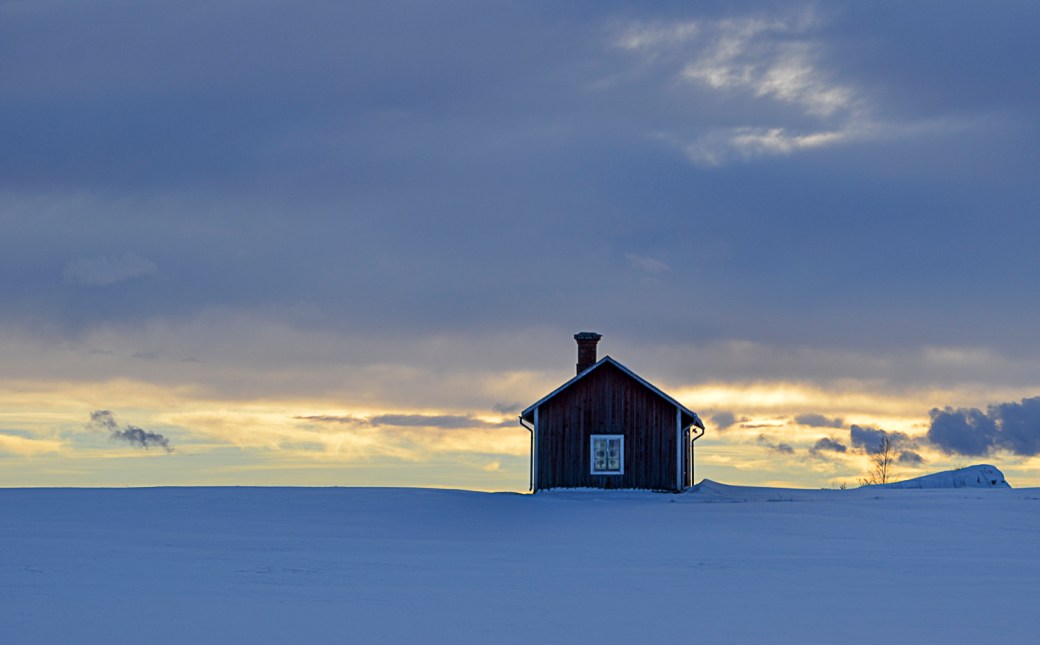
A warm house in a cold winter night is another name for paradise!
―
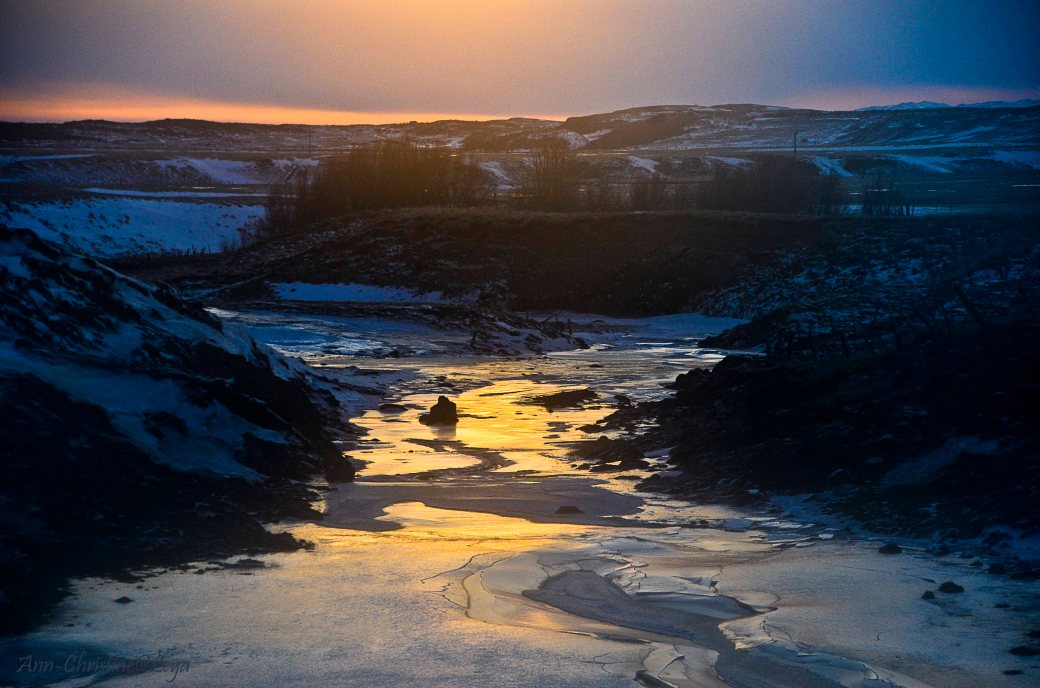
It’s too cold outside for angels to fly.
―

Keeping the warmth

And last, of course, the beautiful Tännforsen, Jämtland, Sweden. Our highest fall, 37 meters and 60 meters wide.


Du måste vara inloggad för att kunna skicka en kommentar.