Lens-Artists Challenge #312 – Sense of Scale

Sofia challenges us to show how we give people a sense of scale in our pictures. This is sometimes quite essential… Please visit Sofia’s site to get more inspiring examples!

My take on this challenge must mainly be using people for scale, but also different perspectives as from below or above, from afar or from a frog’s perspective. Finishing with a macro, of course.
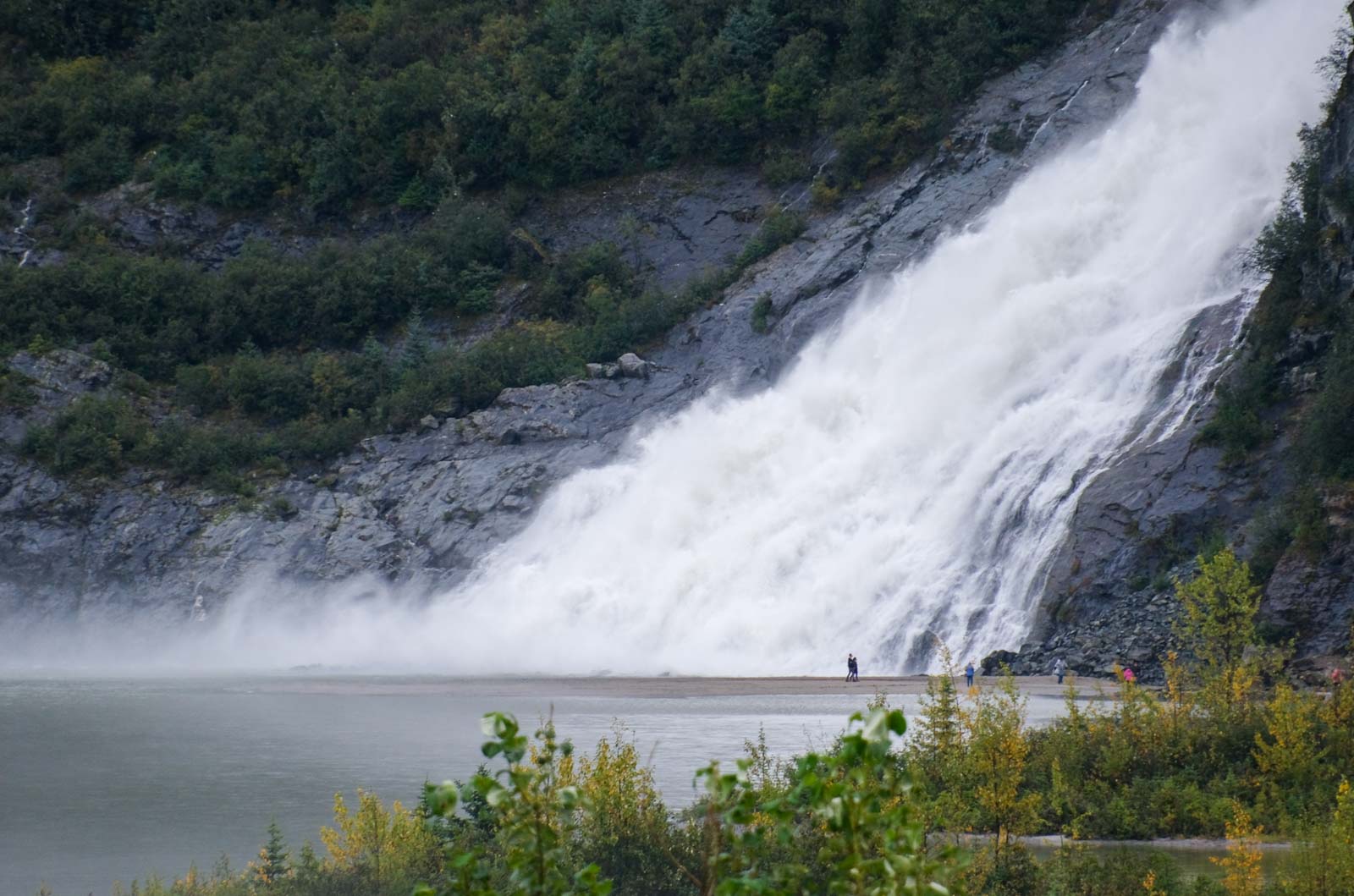
This was a waterfall in Alaska that I did not hike up to – but wow when I zoomed the lens! People walking there made it quite clear it was not as small as it seemed from where I was standing.
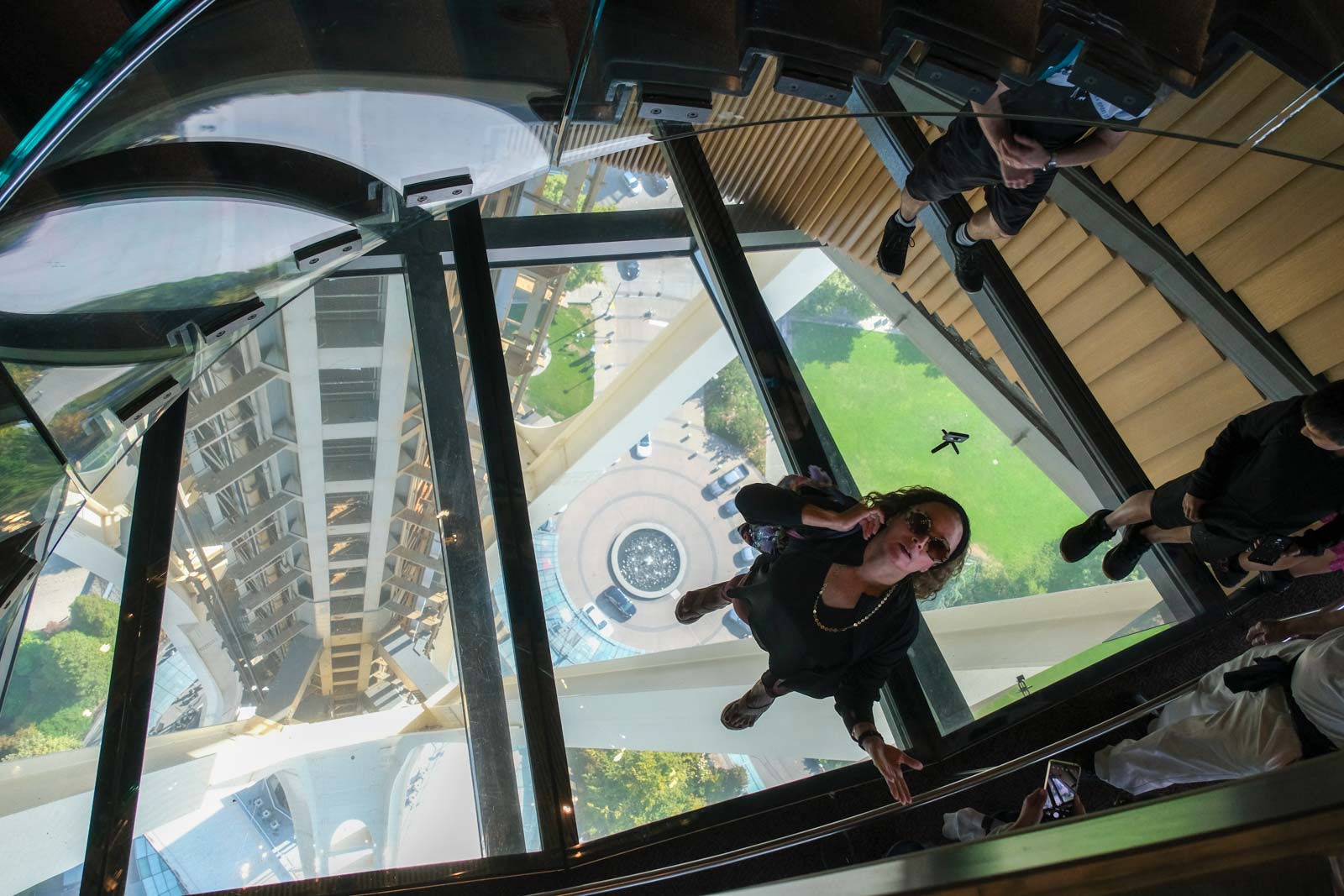
This picture is from a tour to the Space Needle in Seattle – where looking through the glass floor sets the scale properly…
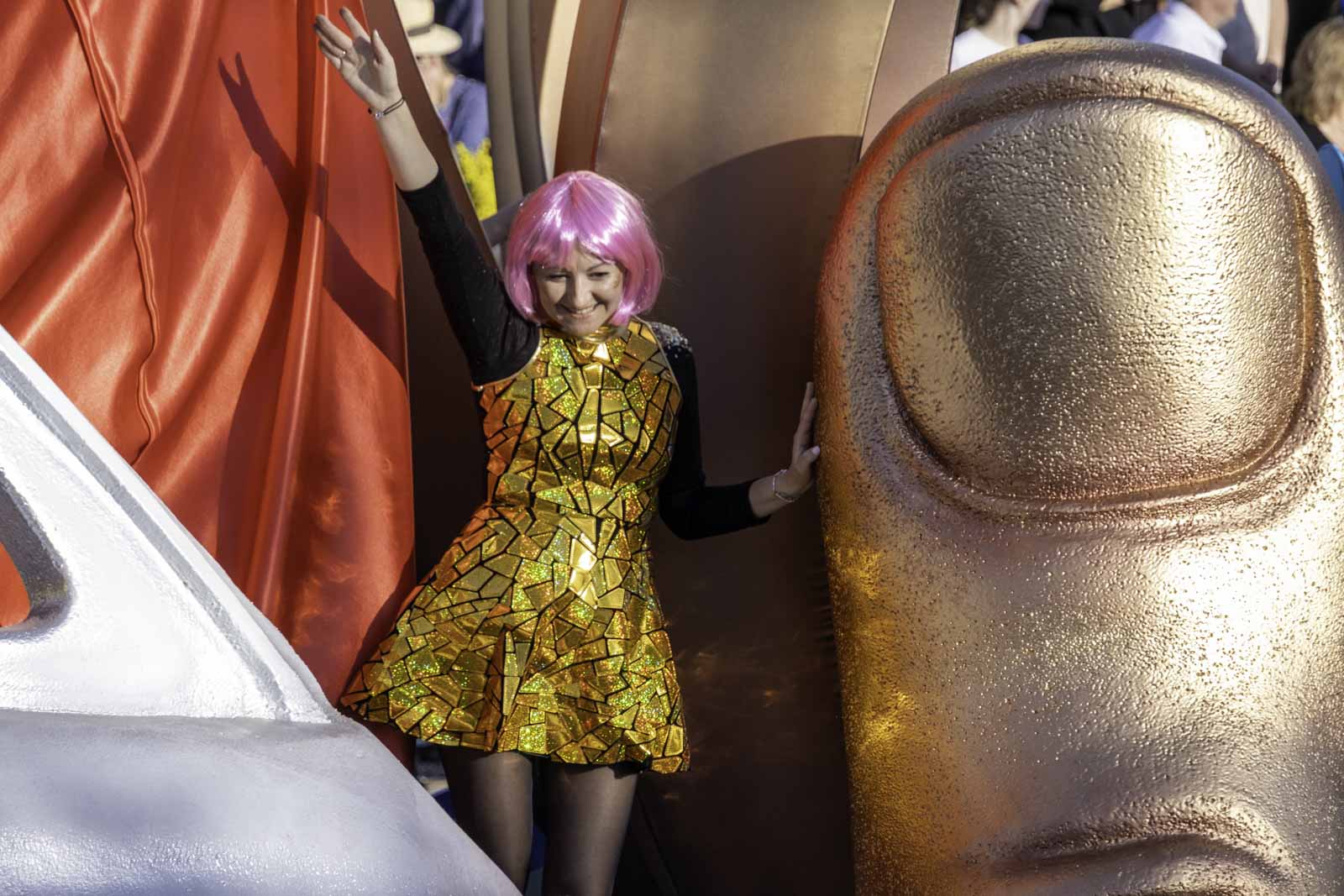
The Nice Carnival with its many show wagons is also a way to celebrate the sense of scale and give you interesting surprises.
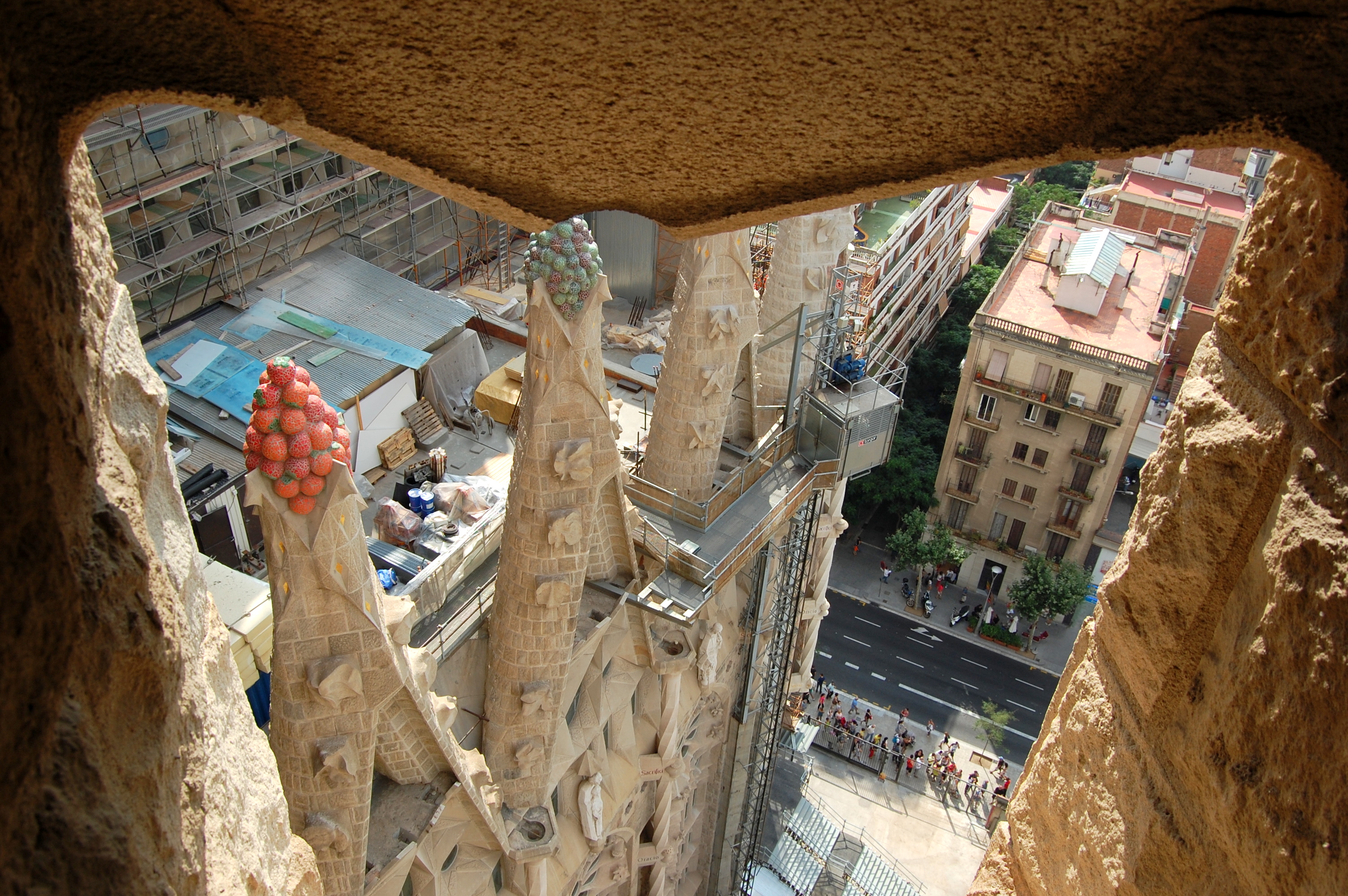
Some years ago we went to Barcelona under the construction of the great Sagrada Familia. The picture was taken from one of the towers. People and buildings giving you a hint of the size of this gigantic Cathedral.

Back home I was once fortunate enough to visit a statue of a harbour worker – when an elderly lady turned up and walked beside him. A sense of scale in more than one dimension.

This was the first time I visited Segovia, Spain, and I walked in awe up to the aqueduct running through the city, towering over the houses. I believe this is one of the more exciting and surprising moments during all my travels. The elderly gentlemen in front of me were very sweet, and I had no problems keeping the same pace as they did…

Next is an old favourite from the kite festival in Denmark. With kites you can easily use your camera from under their bellies… People and cars become tiny and the kites just as spectacular as they are. I think I’ll have to go there once more!
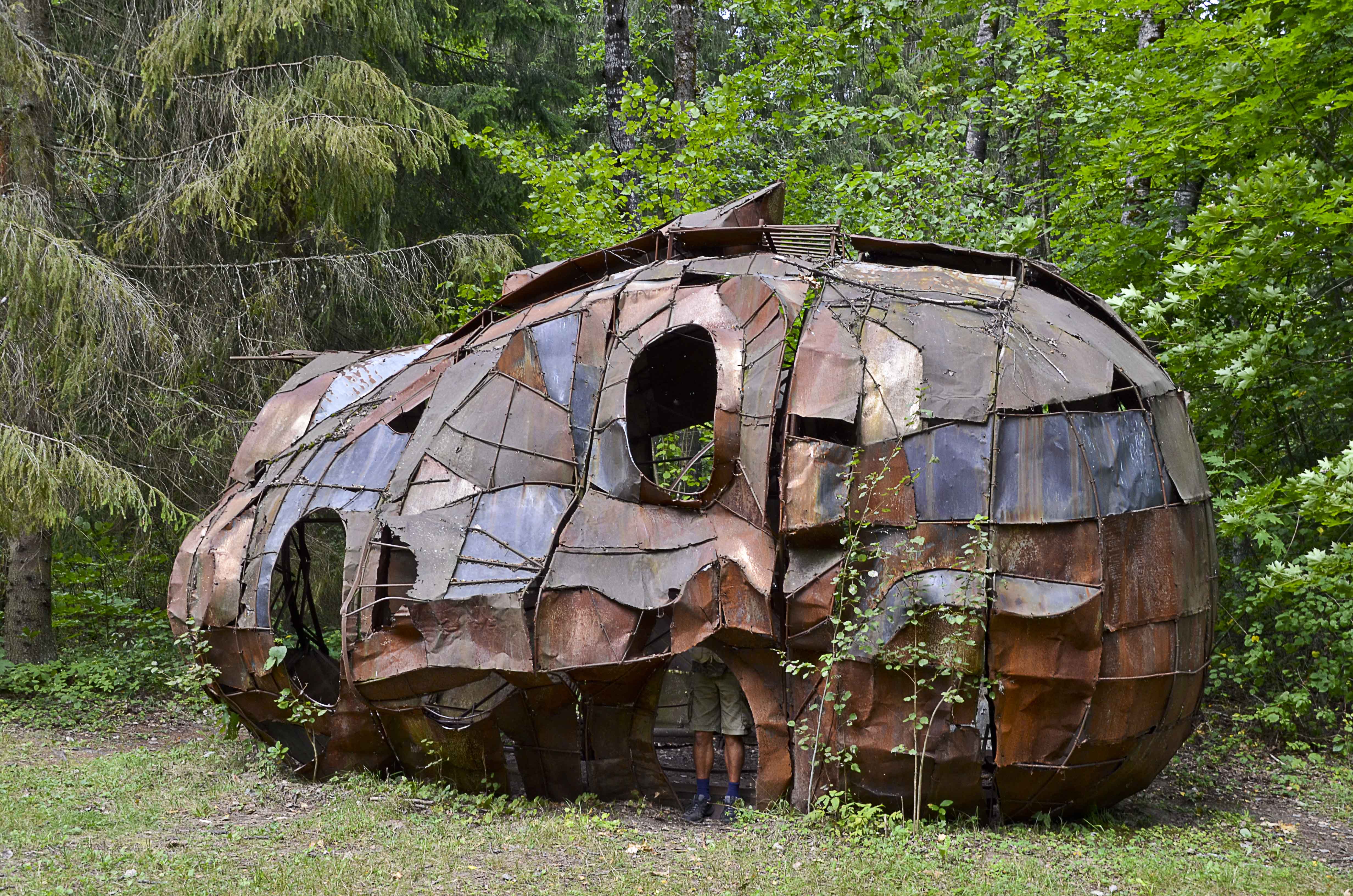
This one I have used before too – but I still love those legs sticking out of a rusty head in Riga.

Lying down on the stone floor in our apartment in Spain, I found the tiniest ants I had ever seen. A tea spoon became a valuable measurement of scale.
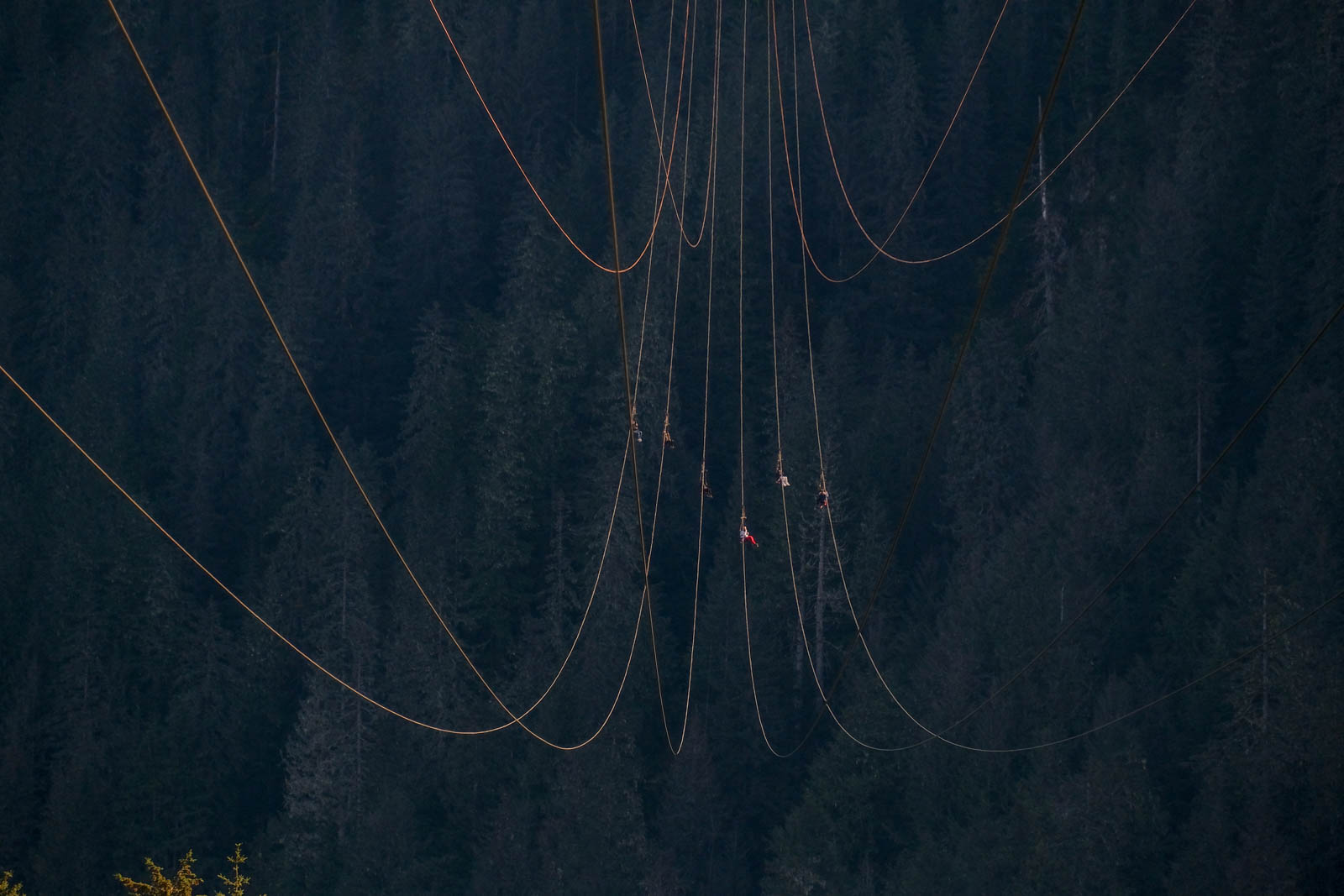
Then came the tiniest husband I had ever seen… In Alaska he jumped from a mountain – safely of course. If I remember it right, he is number two from the left. I let the tree tops stay in the corner of the picture to remember just how difficult this scale was to fathom.
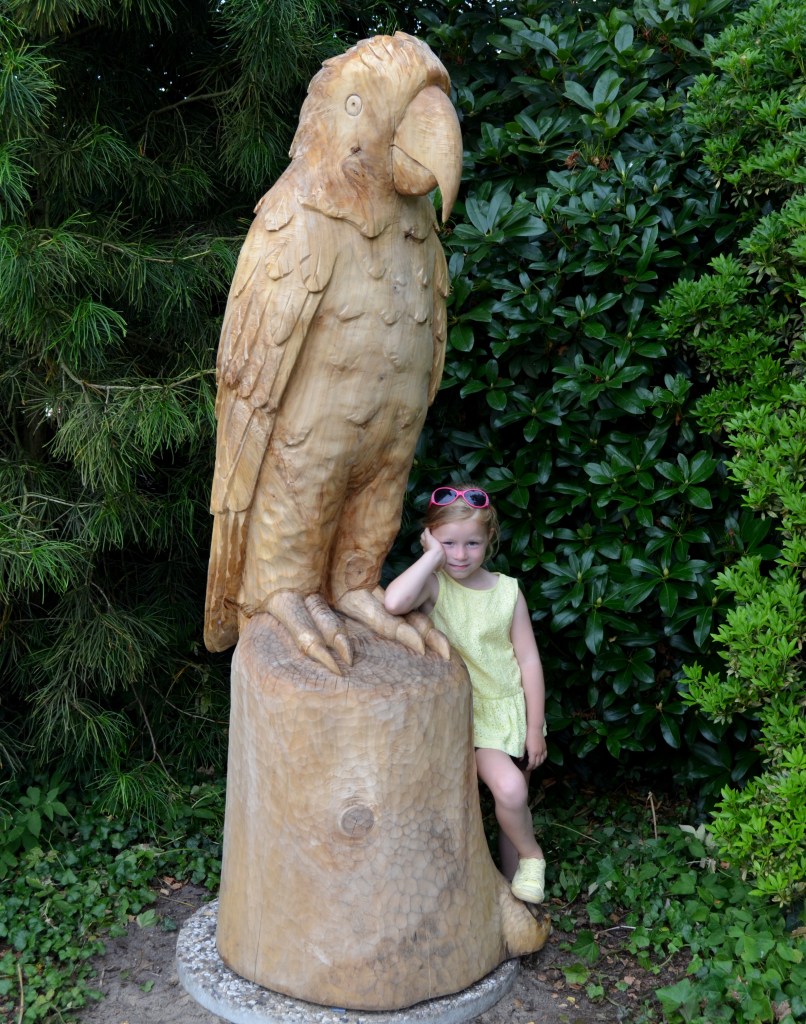
Finally…

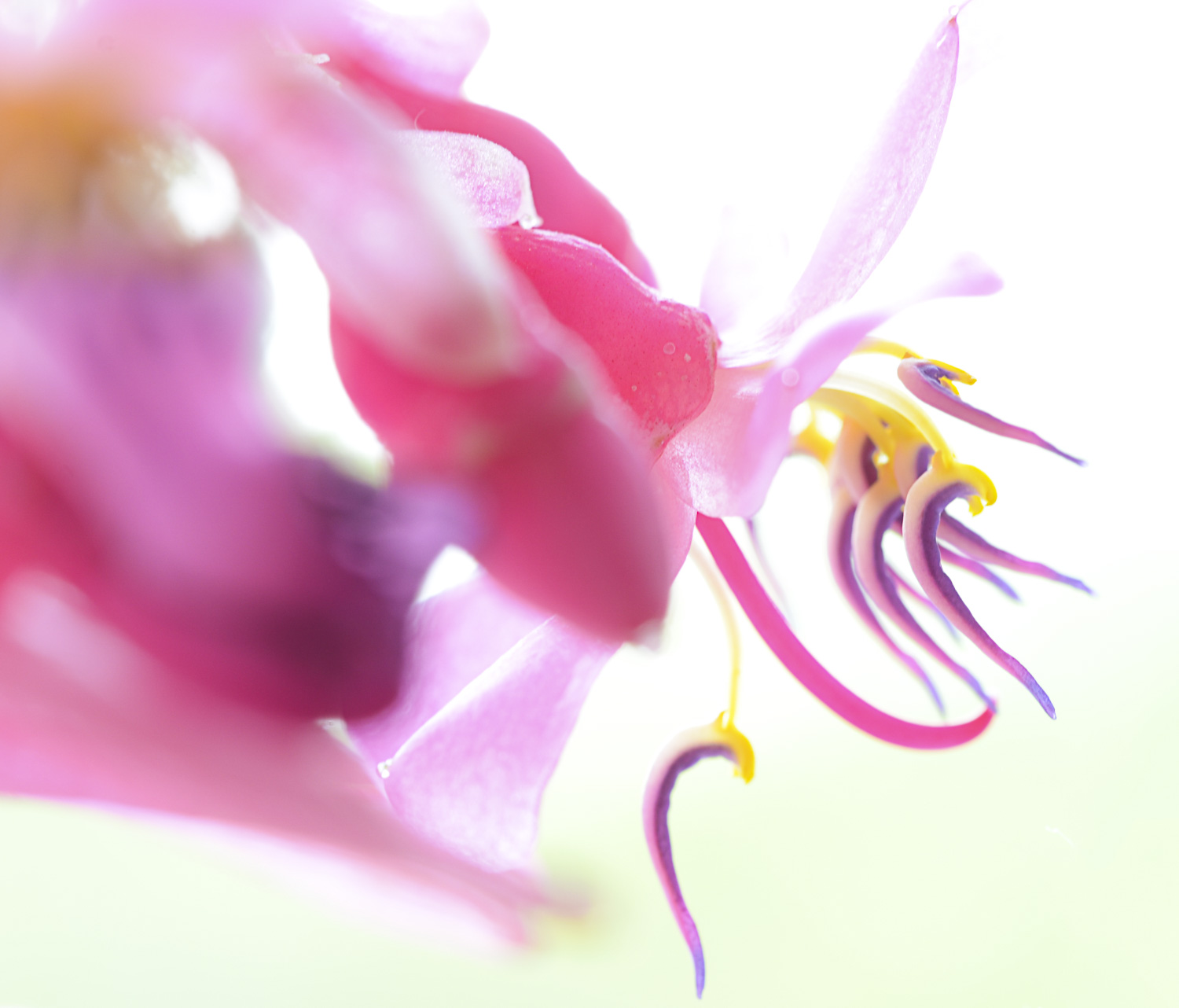
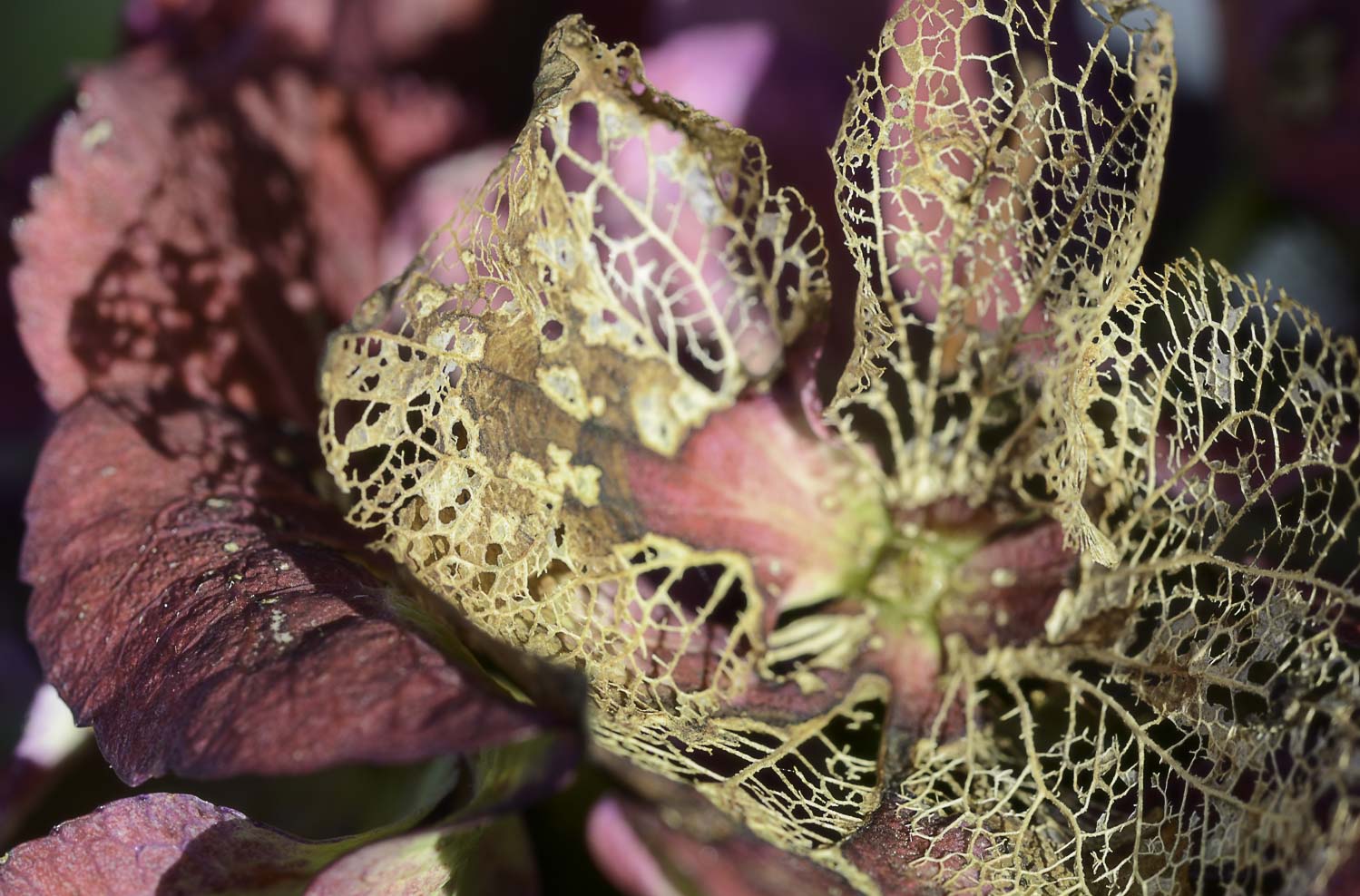
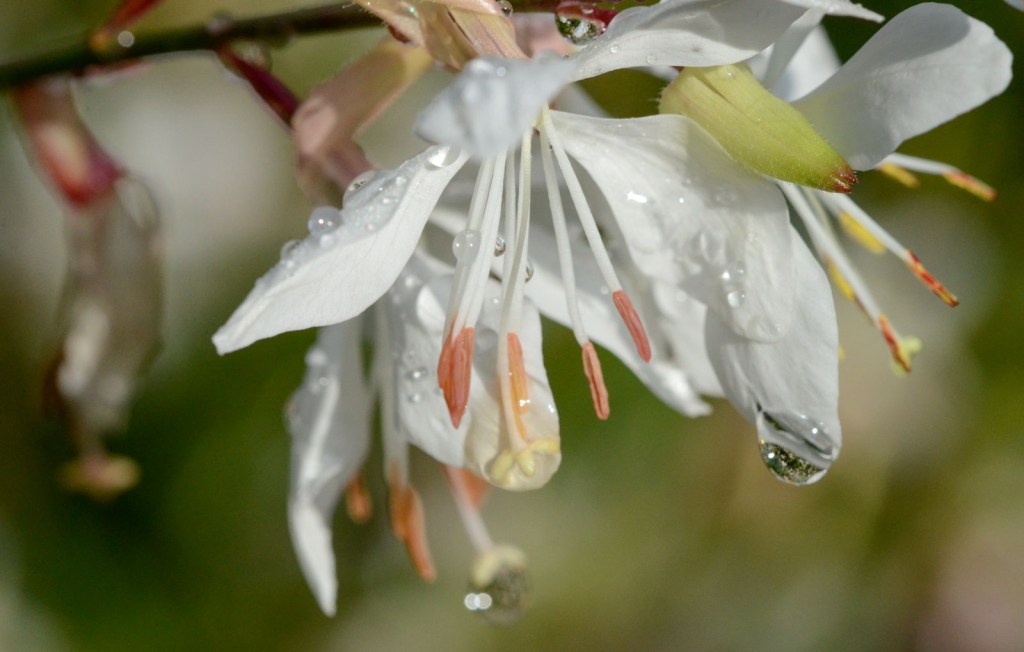
…in Weltfogelpark Walsrode in Germany, apart from the real birds, also the tree sculptures were greatly admired. In Bhutan the forest and trees set the scale for the golden Buddha statue. I had to finish with the tiniest of snails (5mm) in this withered flower.

A big thank you for all your garden displays last week, big and small, fancy and spectacular, creative and inspiring – and above all – Loved and Needed! It truly was a treat to read every comment and see every picture. I had a great week.

Don’t forget to tag Lens-Artists and link to Sofias original post. Next week is John’s turn to host so please visit his site for inspiration. Until then, stay well and enjoy every day.

Lens-Artists Challenge #304 – Behind

Ritva is giving us a real treat this week – showing how to use the background to enhance our compositions. What makes your subject shine? A good background is essential to any picture.

Please visit Ritva’s beautiful site for more inspiration and examples!

I will choose some of my favourite techniques for the background to enhance the subject. Backlit late evening poppies create a positive, soft blur around the flowers. This is clearly one of my favourites as I often photograph insects and flowers.

Using negative space is efficient to highlight your subject against a minimal background. How lucky was I to see a woman in RED walking down the stairs when I had my camera ready?

We can harmonize or contrast colours for visual impact. Here I wanted to enhance the filmish feeling by using B&W.

Colour harmony again –

– to the left a totally green picture with an interesting, overgrown branch, and to the right the old red train running in the contrasting green surroundings.

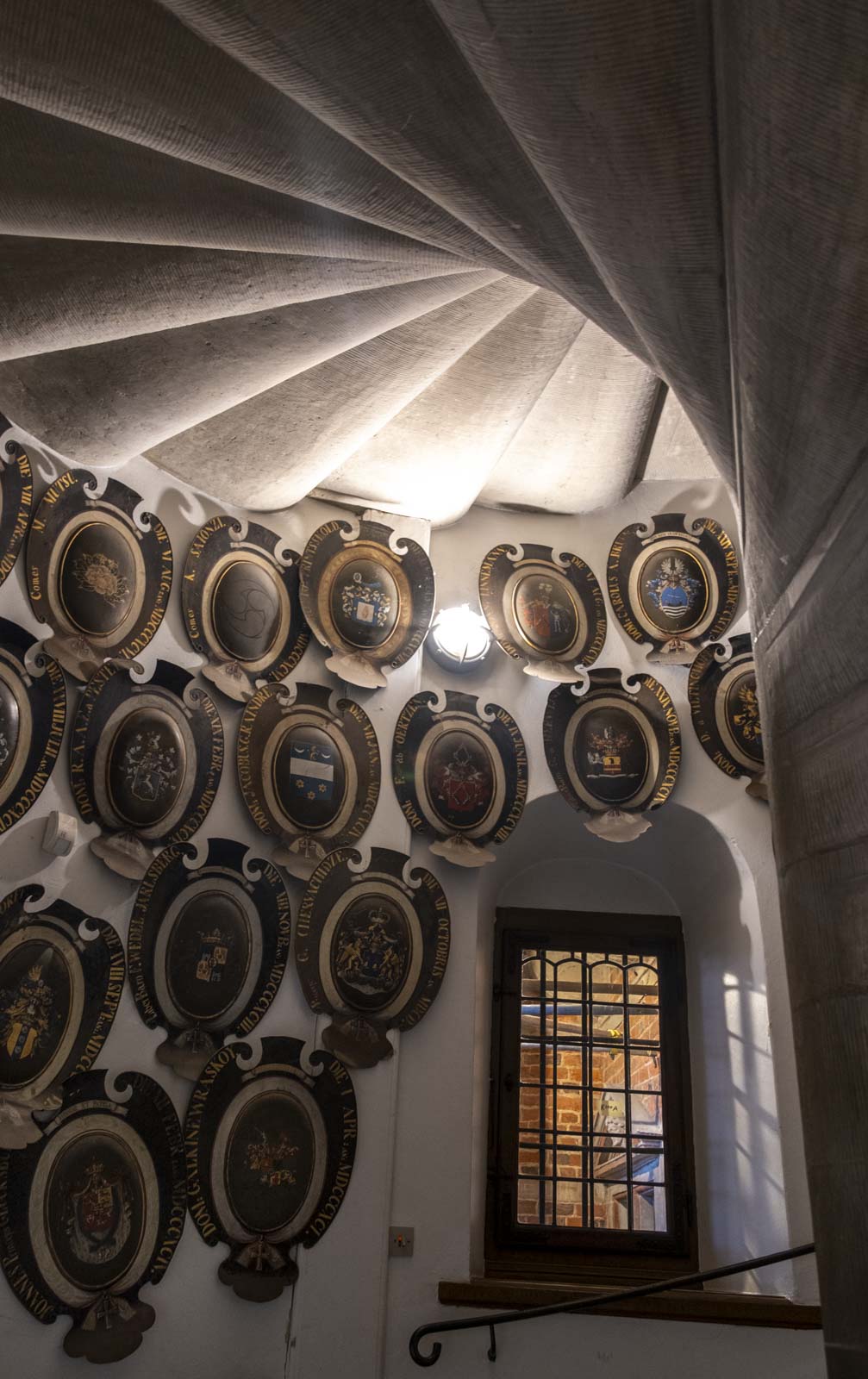
A picture within a picture is something I really like. There are two from Japan, the first one in the header and on the left side here another one. We see a gardener talking to a young woman about ”his” garden while admiring it from the terrace. The picture filled staircase was photographed in a Danish castle, where you also can see another room through the window. There is much going on in this scene, but I decided to use it all in my image.

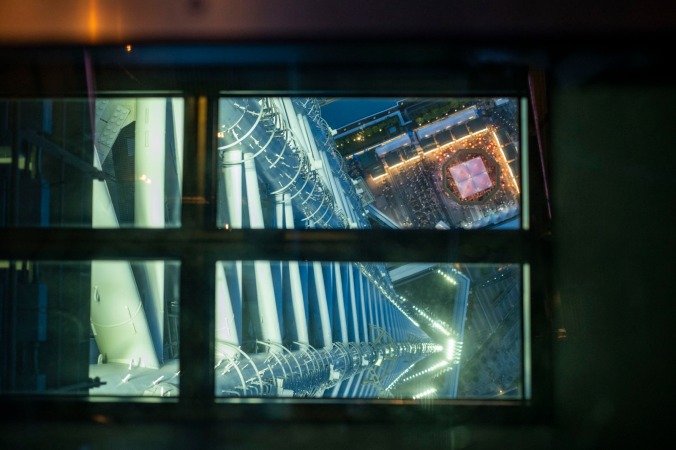
Lastly, two pictures from Tokyo Sky Tree, the first one taken through the framed glass floor and the second one where the city is set between window frames. In both cases, the subject is shining because of its dark surroundings. This applies to the header image too.

As I started with poppies, I will leave you with a poppy too – an enchanting flower. For this one, I was down on the ground and getting close. Deapth of field and back light make it stand out.

Last week we dwelled in the world of connections with Donna as our guide. We got lovely interpretations of connection, and many of them I had never even thought about!

A big thank you to Ritva for an innovative and excellent challenge, and be sure to link to her original post and use our tag. I am already looking forward to next week’s challenge with Egídio. Join him Saturday 12:00 EST to enjoy his beautiful photography, through Brazilian eyes.

Lens-Artists Challenge #296 – Abstract

Ritva challenges us this week to think abstract. Abstract photography breaks the normal rules of realism. She explains that it focuses on the shapes, colors, textures, and patterns of the subject rather than its literal representation. Please visit her extraordianry site for more inspiration and examples!

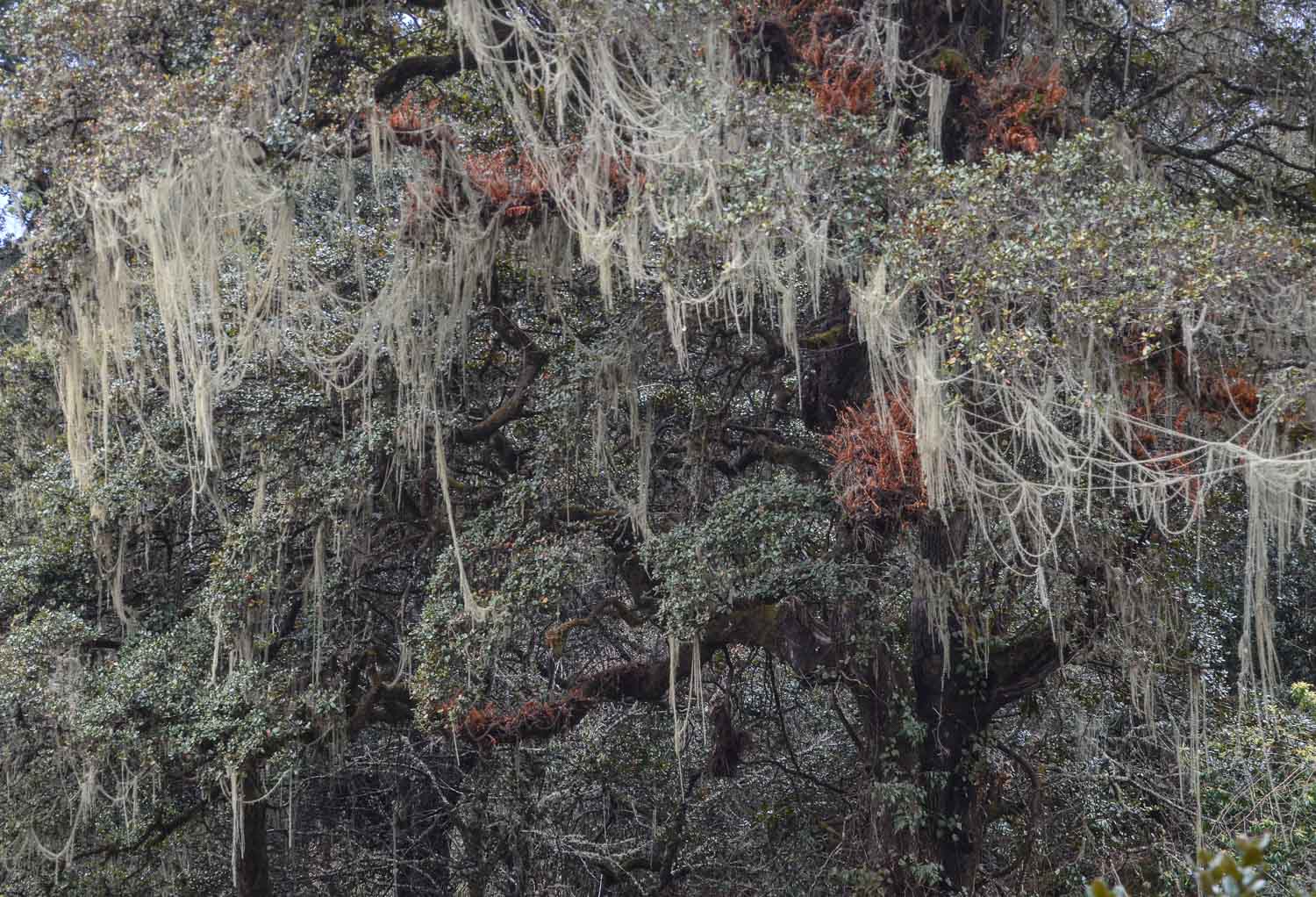
Abstract, sometimes reality is just as abstract – this tree in Bhutan surely has an abstract quality.

Art has a voice – let it speak”
― Rochelle Carr

A gallery from the archives tells me I do like abstract…or non figurative. I think we all do, but maybe we just don’t think of our photos as abstract. We fall in love with certain qualities of the place or thing or anything that makes us create a photograph, be it abstract or not.

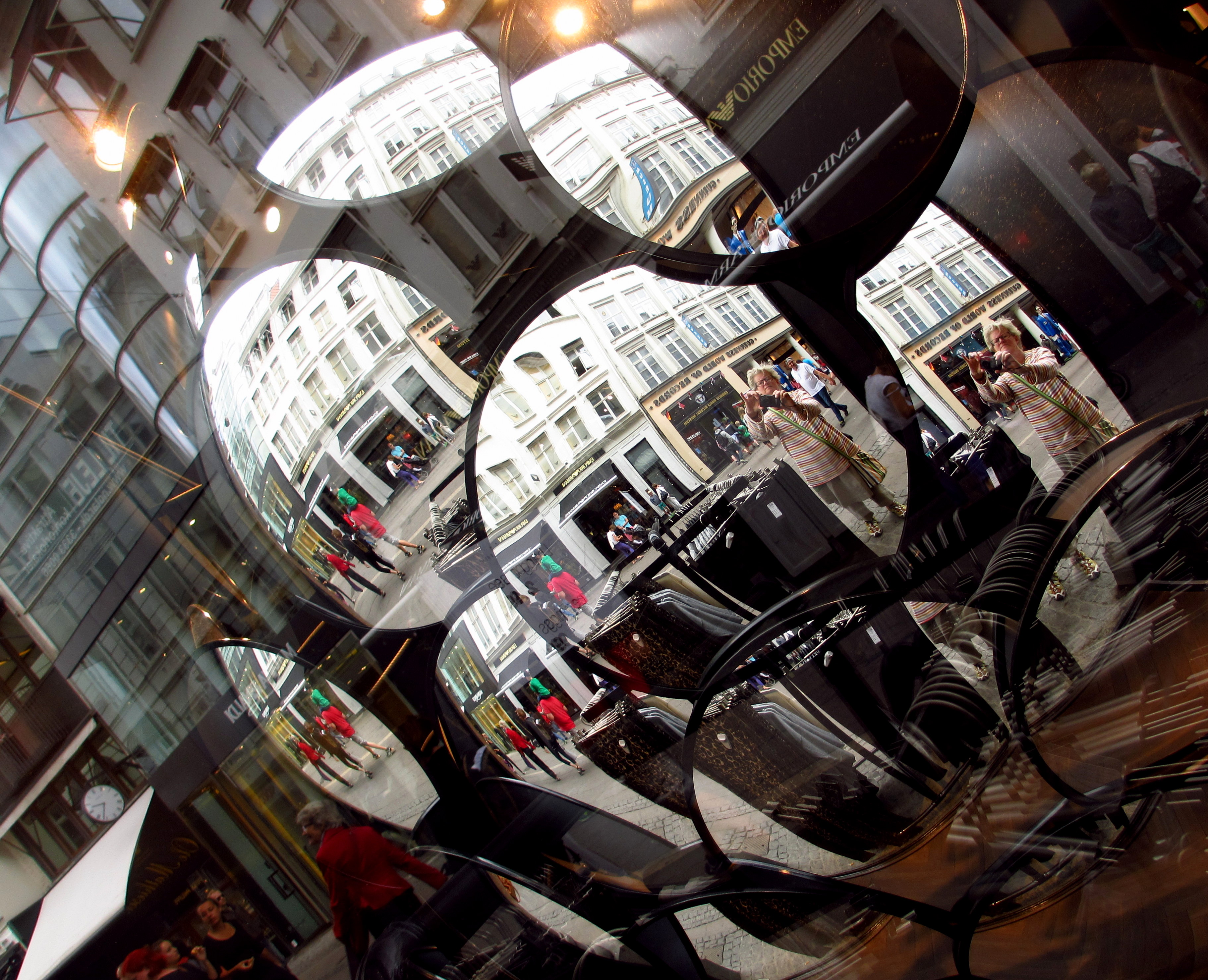
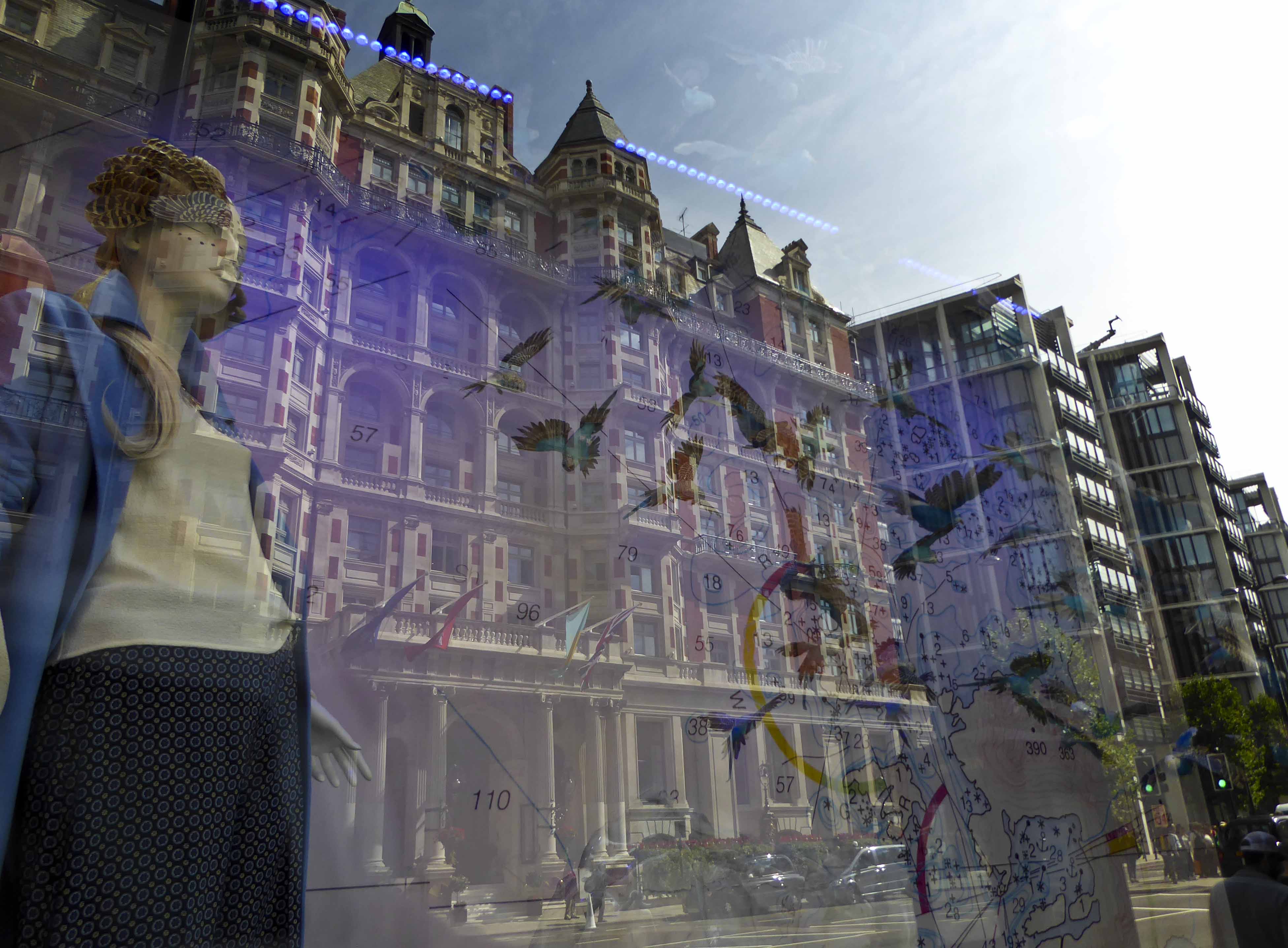
Techniques – and luck – used in the gallery are close-up, double exposure, collage, reflections, steam and light play.

There is no abstract art. You must always start with something. Afterward you can remove all traces of reality.

– Pablo Picasso

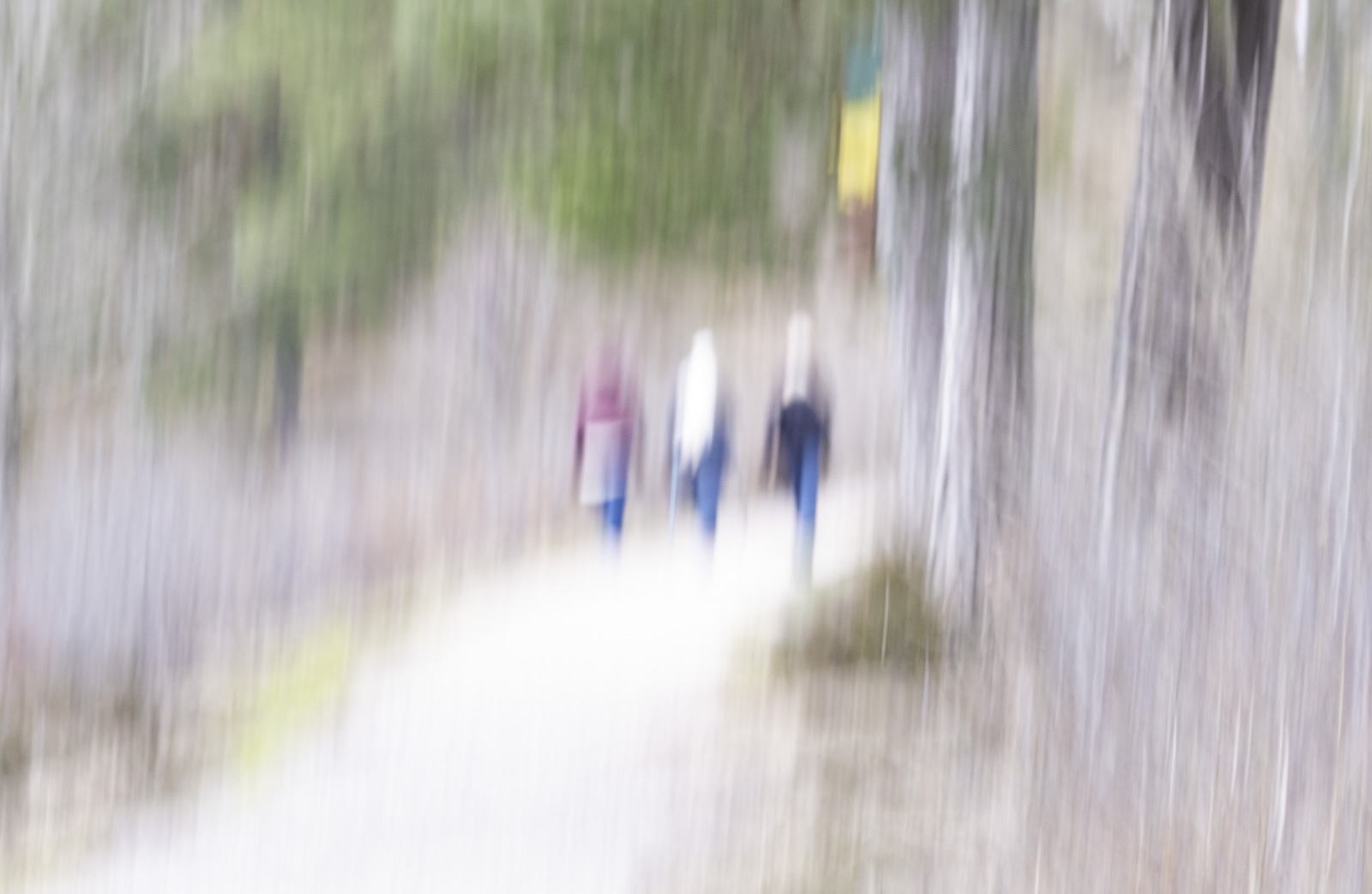
The gallery above was made with ICM on a walk in the surroundings of my old school last week.

To participate in this challenge, link to or leave a comment on the host’s original challenge post and please use the #Lens-Artists tag so we can easily find you in the Reader.

And if you want even more information on the Lens-Artists Challenge, please click here.

Last week Donna’s wonderful post invited us to rock, and what beautiful rocks and places we got to visit! Next week Egídio is hosting, I am sure his theme and beautiful photography will once again give us wonderful inspiration.

Until then, stay calm and wait for the next bus. I will be on the road for the next three weeks, but trying to stay in touch!

Lens-Artists Challenge #294 – Before and After

John leads us this week, and wants us to share three or four favourite photos before and after editing. It is amazing what we can do with everything from cropping to AI! Maybe editing is not my favourite thing, but in order to be happy with our photos, I think most of us do something – like increasing light or cropping.

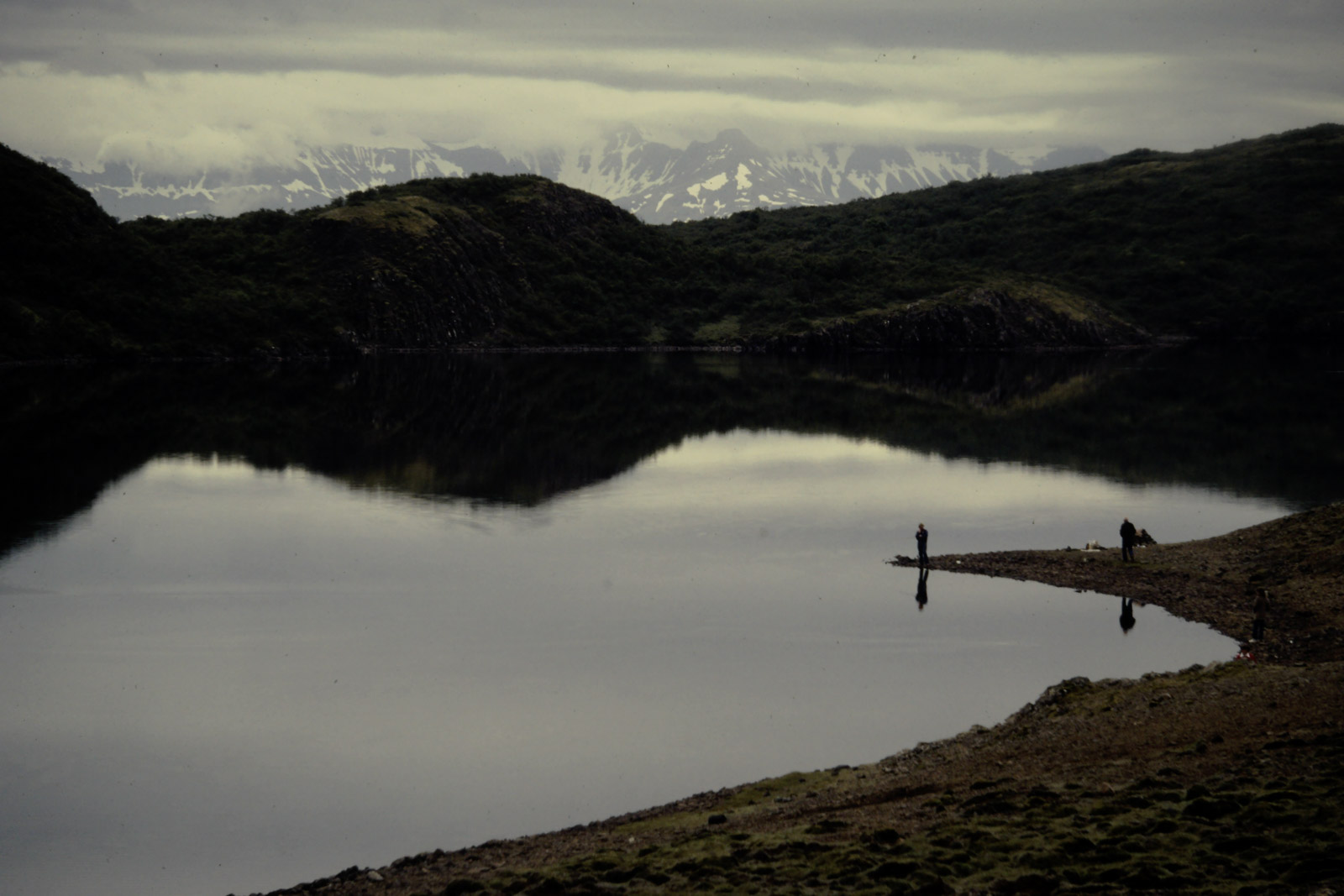
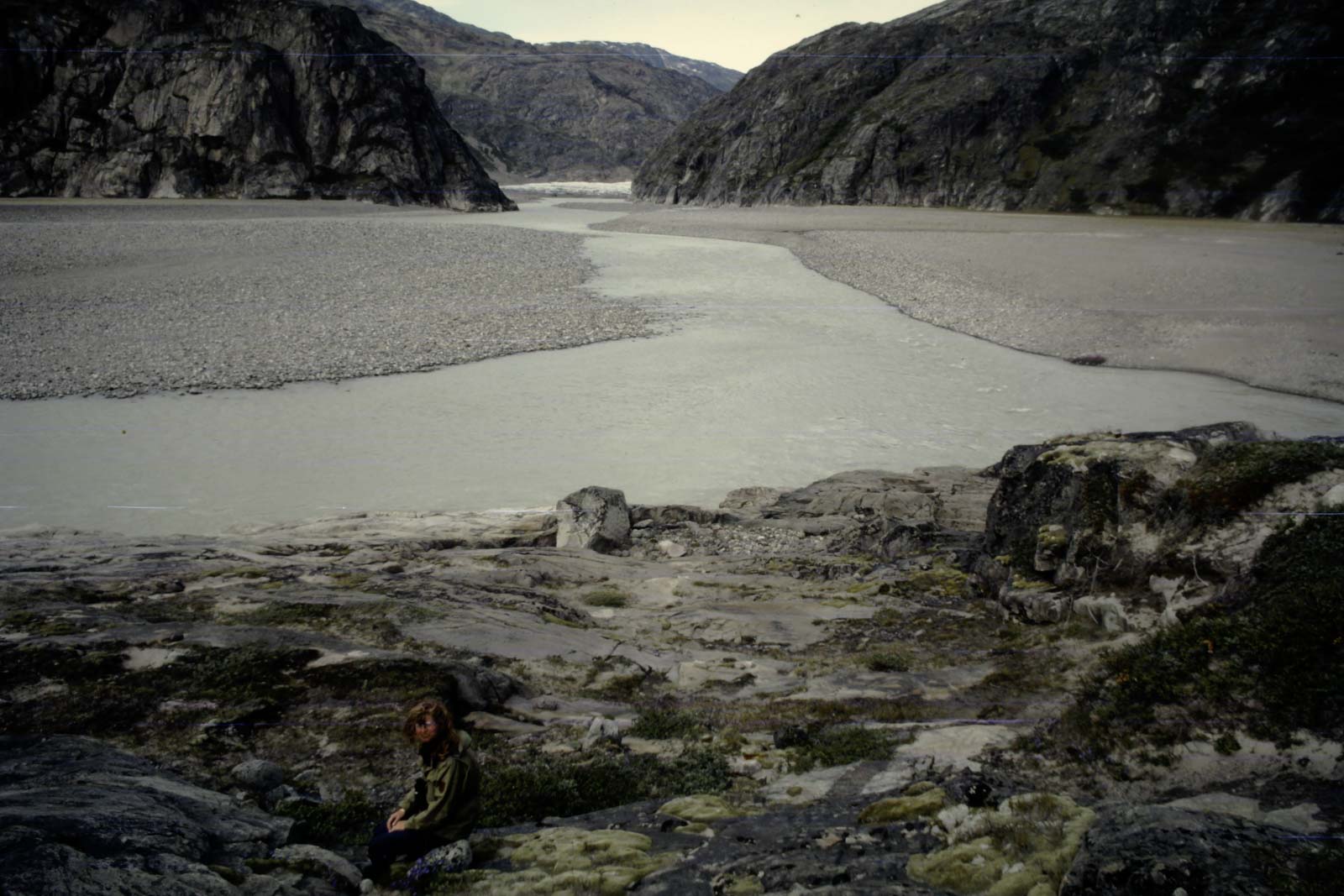
John’s challenge was just in time for my biggest photo project ever – scanning and editing our old slides. Trying to bring back the feeling I and my husband had when we took the shot is not easy. I have started with Greenland from 1982. I guess there are software better for this task than what I have, but I will use the tools I have available. Which also tells that these photos are not favourites, but works in progress…

I always start in LR. Here I raised the exposure and added a mask for brightening of some shadows, then I reduced noise and haze. I always reduce highlight and raise the white. Then it is time to remove spots – and the slides have MANY spots. So, I will not repeat this sentence for the rest of them. Unfortunately the sky could not be altered smoothly, so I left it the way it was.

LR again, exposure up and shadows. Then masking to adjust the darkest parts, and after that, some noise reduction. I also raised the texture a bit for the beauty of the mountains. The sky was not a happy one, nor was the greenish snow on top, so I tried a new sky to match the ground colours, and reducing the saturation of green.

Some of the slides – quite many in fact, has got a thin blue line somewhere in the picture. Raising the exposure also revealed how hopeless the look of little me is here. So I removed myself as well. (That would be a useful possibility in real life too…) Photoshop is better than Lightroom to remove things you don’t want in the picture. Then back to LR and a reduction of noise and saturation (or sometimes an increased saturation) of yellow, green, blue and orange.

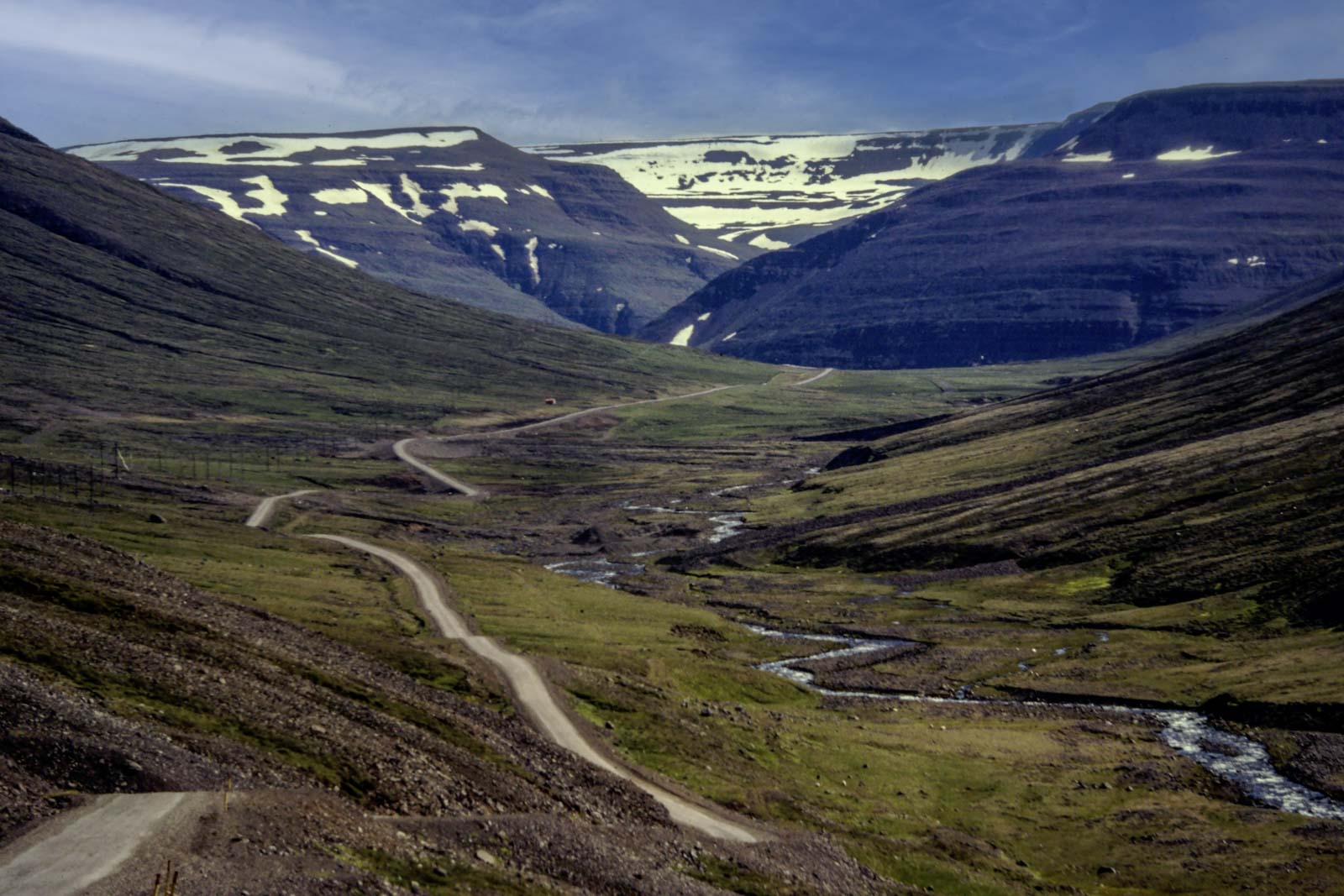
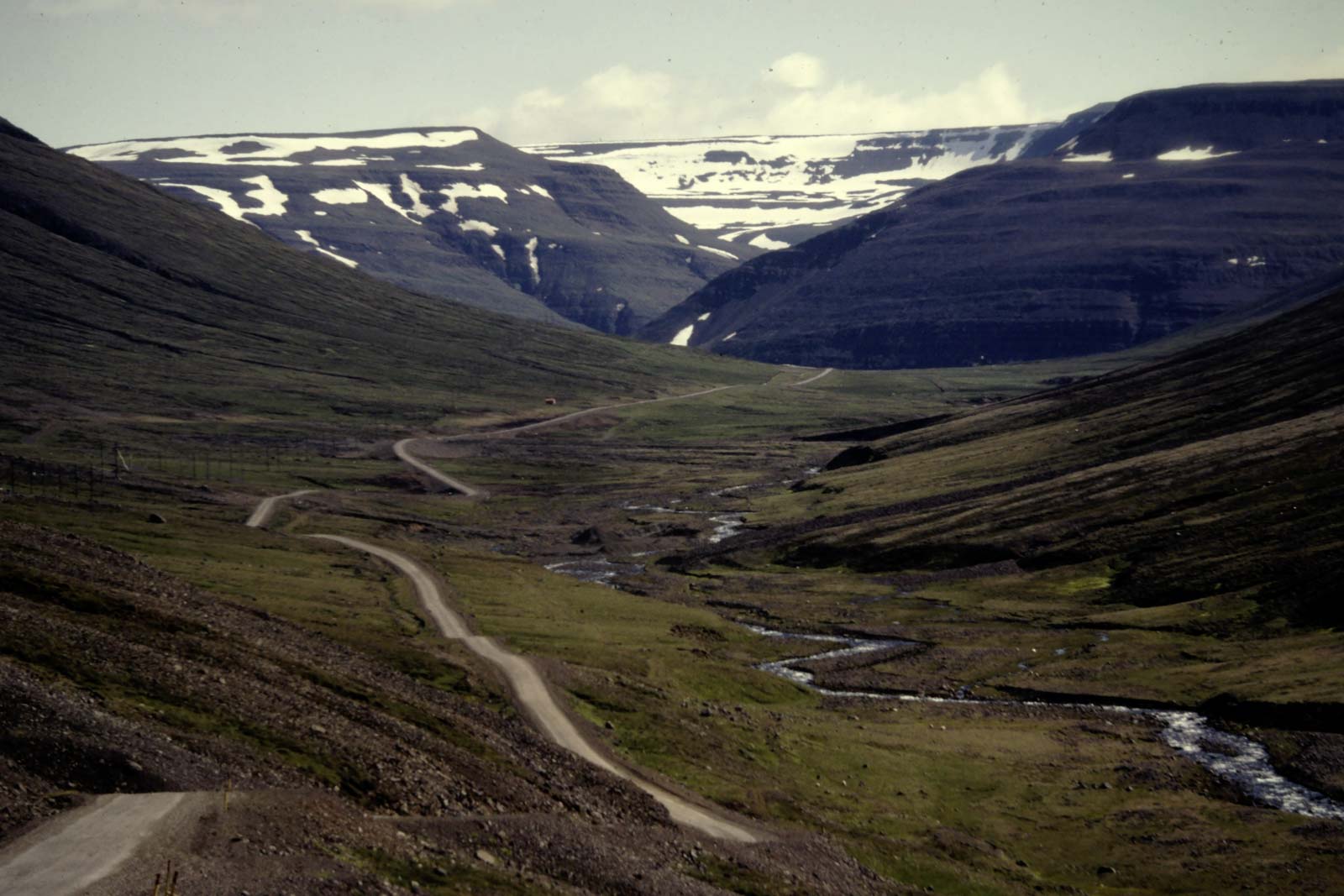
This looked a rather gloomy valley, but was one of the pictures I was quite happy with after editing. Maybe because there was no need to do much. Highlights and shadows adjusted, I reduced the haze a bit and calibration of the colour blue to deepen the overall colours. In PS I changed the sky, which I think lifted the whole landscape.

Finally – I would be grateful for any tips and tricks from anyone who has edited old slides!

John asks us to feature three or four images in our gallery that we tweaked for whatever reason as well as the original image straight out of the camera.

Last week, Sofia challenged us with Water in Motion – a delightful theme for all of us, with varied and creative answers! Next week, Donna of https://windkisses.com/ will host the challenge. Please visit her lovely site for inspiration, and you can find more information here if you want to join the fun.

Lens-Artists Challenge #289 – Tools of Composition

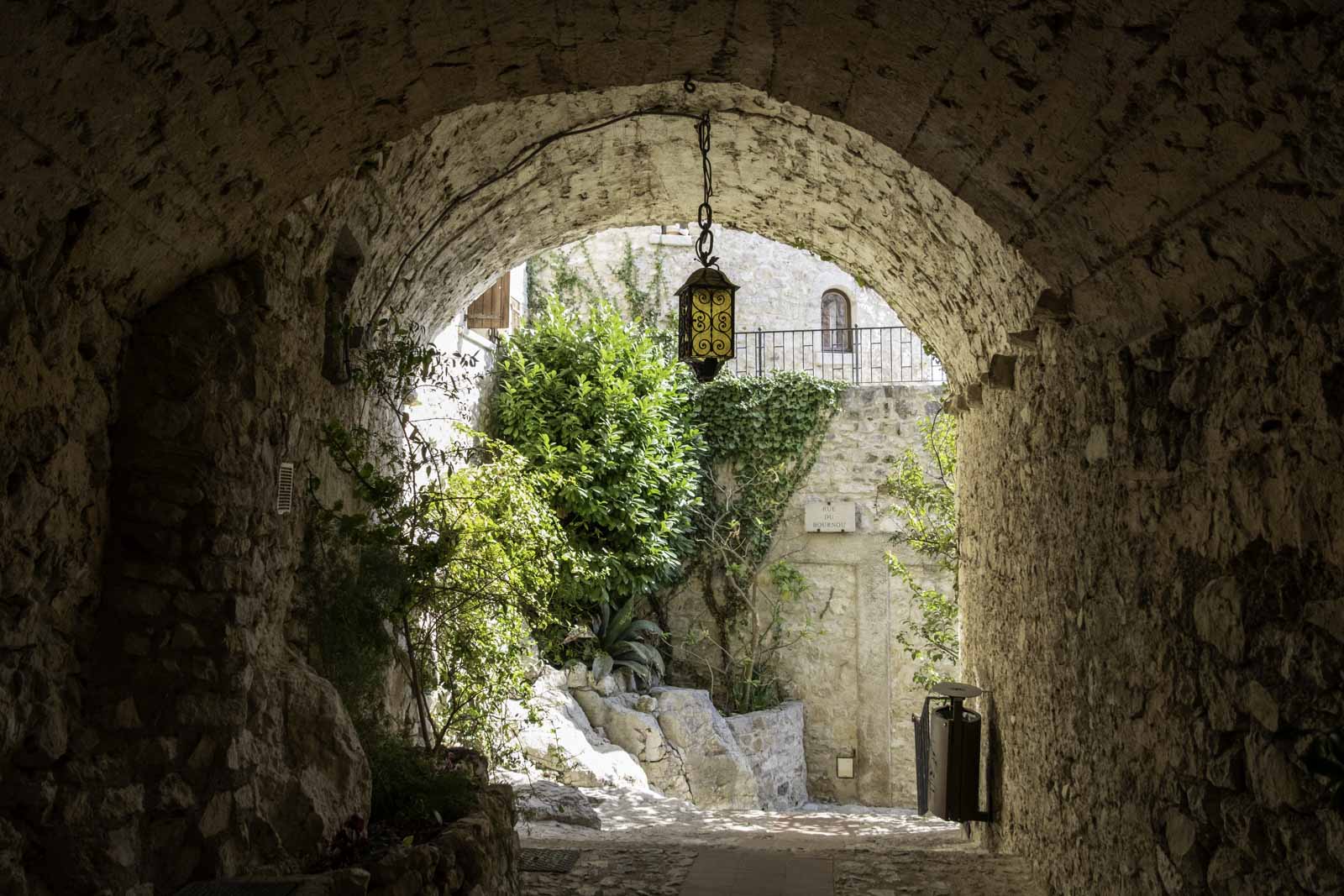
John leads the challenge this week, and wants us to focus on the importance of Shape, Form, Texture and Light in our compositions. I guess most of us do, but without thinking about it. This tunnel in Eze, France, is smoothly showing off all these aspects. I simply take photos of what I find a beautiful view.

John suggests we choose to highlight one or more of these aspects, and present one or two of our favorites. We can decide to focus on only one aspect or include examples of all of them. I thought I would focus on my favourites, texture and light – but found I had some examples for all four of them. Some more of the latter though…

As John points out, the difference between shape and form can be difficult to decide, but artists typically consider shape to be two-dimensional while a form is three-dimensional. This picture above shows a shape of a house that has been stripped of its form. You can still see where the walls and staircases once was.

A house like this would represent a form – a square house in the middle of a square in a little town in Switzerland.

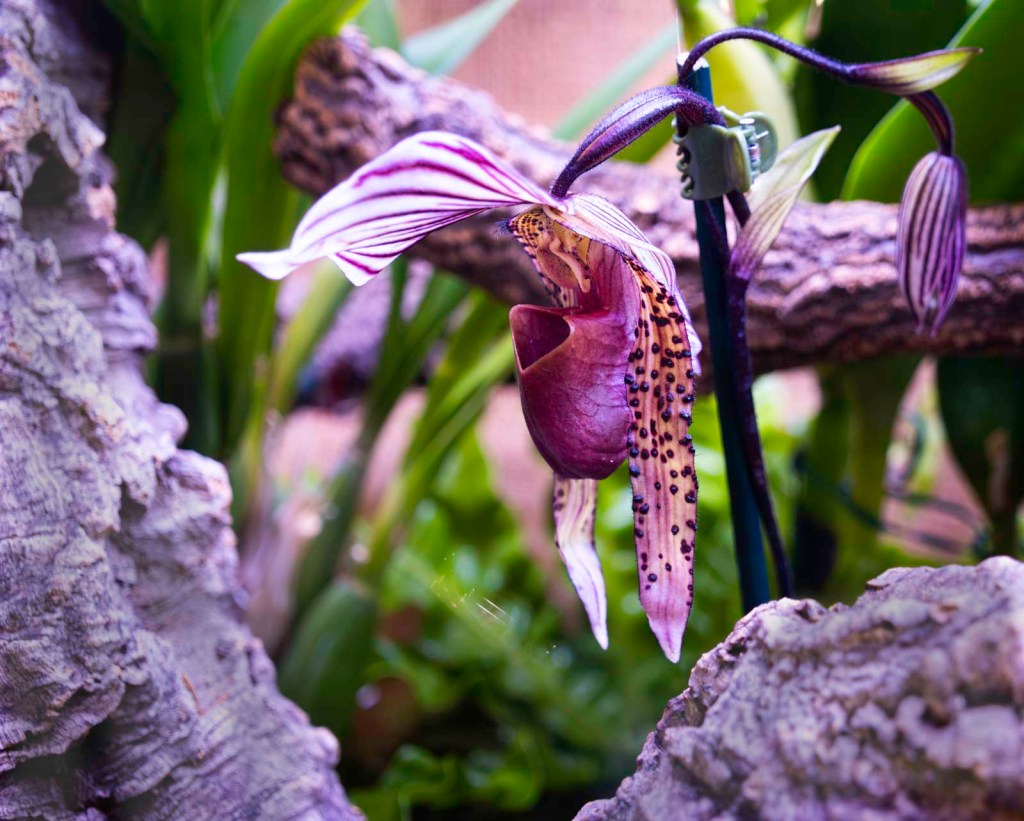
I too, find flowers to be one of my favorite organic forms as subjects for my photography. Cherry blossom in my garden is what I long for right now – but this rare orchid was a real treat on our short trip to Menton.

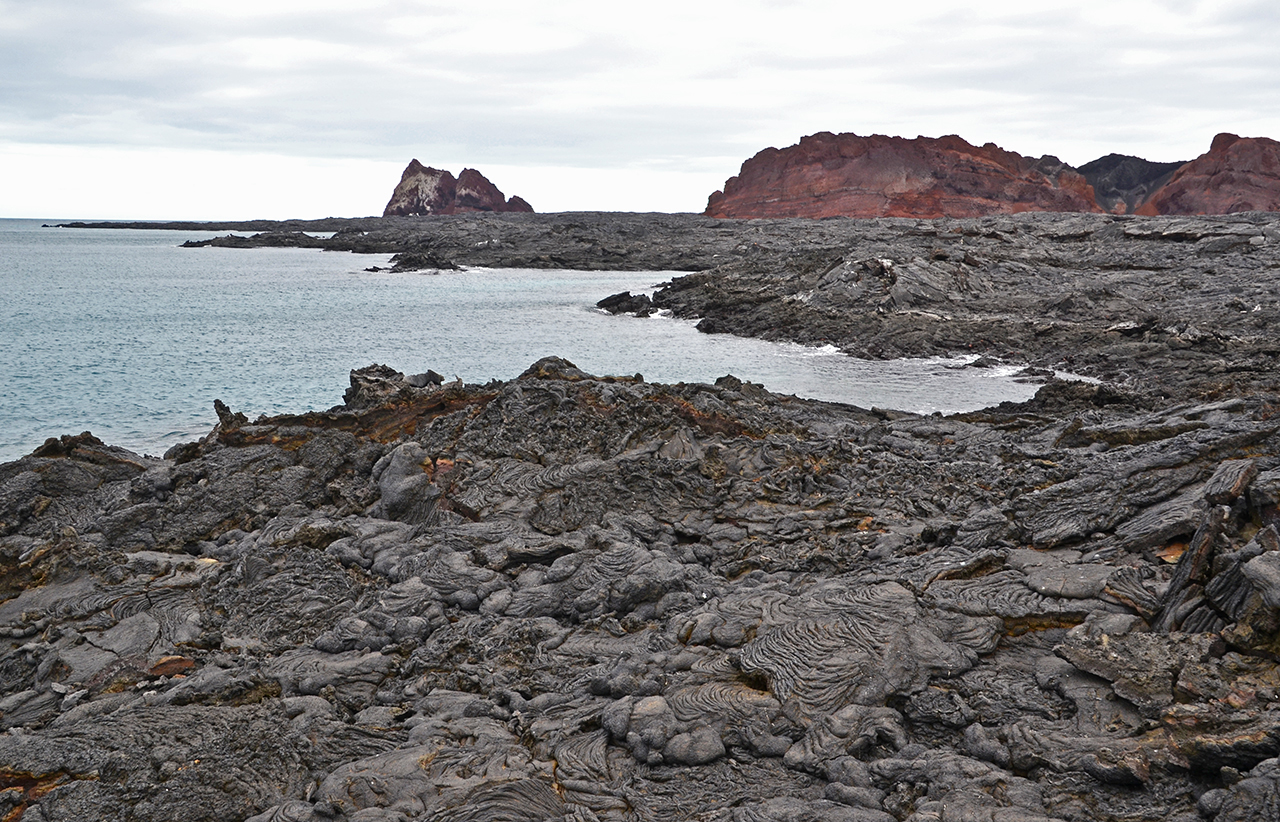
There are many unique textures created by the elements, and right now I want to highlight magma and lava – as there is an ongoing volcanic eruption in Iceland again. Lava formed to solid rock makes fascinating textures. My picture is from the Galapagos Islands.

Photos wouldn’t be possible without light, and capturing light is what photography is all about. Personally I prefer natural light, and will not use the flash unless I am desperately forced to. Which is…almost never.

You can find light everywhere – in the air, in lamp light, sun rays, grasses, glow worms, reflections in water, stones, rails… Backlight is a lovely favourite of mine.

Finally, a Morocco favourite from the small, colourful alleys in Marrakesh.

I am always waiting for some magical light….but, I seldom get it as I live far away from the sea. I feel the light there is often more magical than elsewhere. Except maybe for the desert. Every time I go somewhere close to a lake or the sea, I use some mornings and evenings waiting for ”that” magical moment. The fiery sky photo in the opener was captured on my recent visit to Nice.

Last week, Ritva challenged us to do some Window Shopping – a big thank you for a fun and interesting challenge! I realised I never do this unless I go abroad. It also brought new insight into other cultures and people’s interests. Next week, it is my turn to be your host for the Lens-Artists Challenge. Until then, take care and be kind.

Be sure to link to John’s page if you are participating, and remember to use the Lens-Artists tag. If you’d like to respond to our challenge each week and want to know how to get started, click here.

Thursday Thoughts – Seen in Seattle

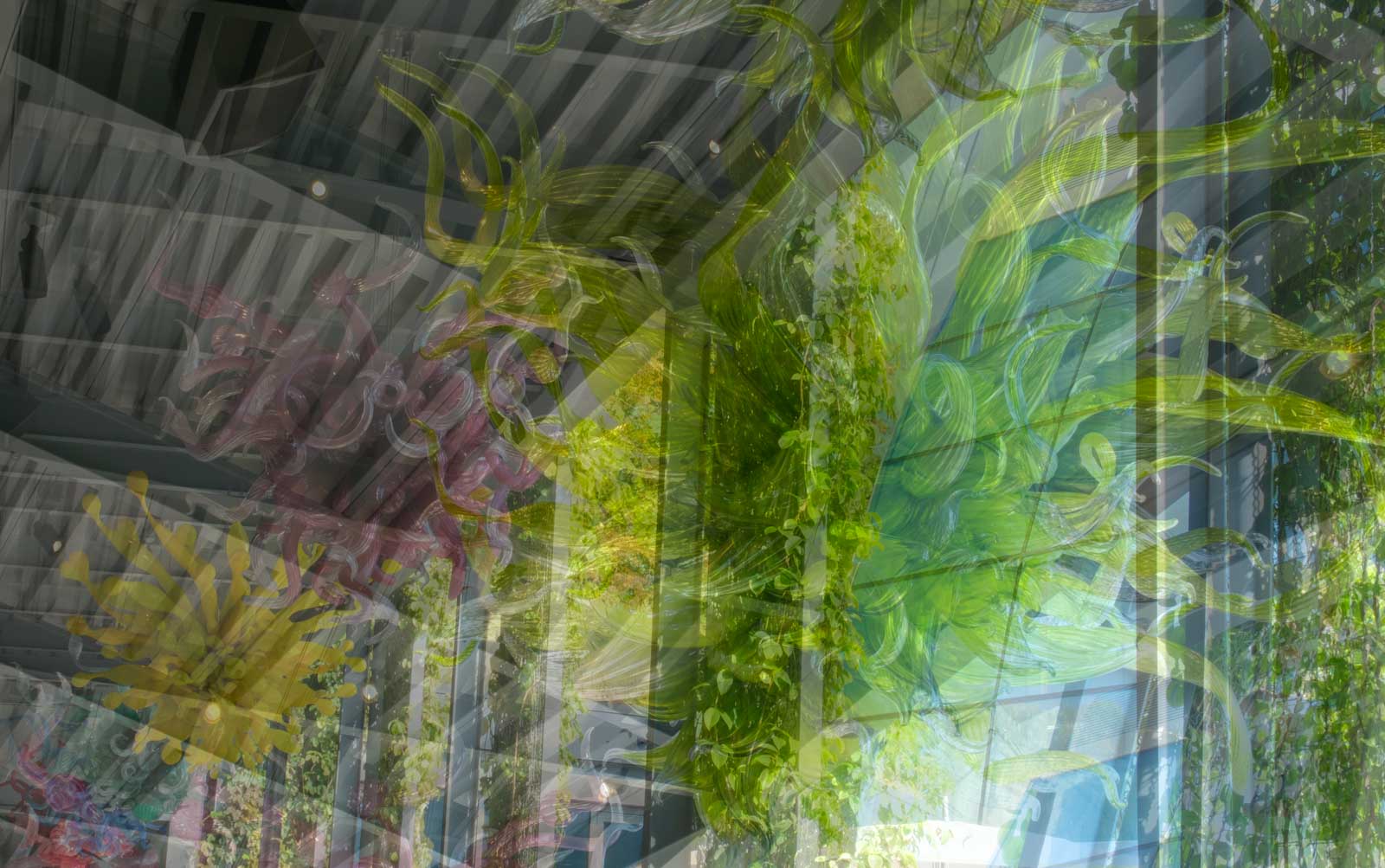
I had some fun double exposing in Seattle too. With Chihuly, colours cannot go wrong!

I loved the long walk with chandeliers leading out to

the pavillion, where preparations for a big party had just started.

But, the floor was mine for a short minute. I was truly grateful.

Lens-Artists Challenge #267 – Recharge

We welcome Egídio of Through Brazilian Eyes as our guest host this week! He challenges us to show how we recharge our batteries when we need more energy.

As long as I can remember, walking, hiking with family to beautiful places has been my medicine.

One of the best ways to recharge is by simply being in the presence of art. No thoughts, no critiques. Just full-on absorption mode. ― Dean Francis Alfar

– Listening to the sounds of nature

– maybe alone in the forest

– or with Milo (and all of my dogs…)

Soft, clear light is a magical recharger, walking along the shore, listening to the waves.

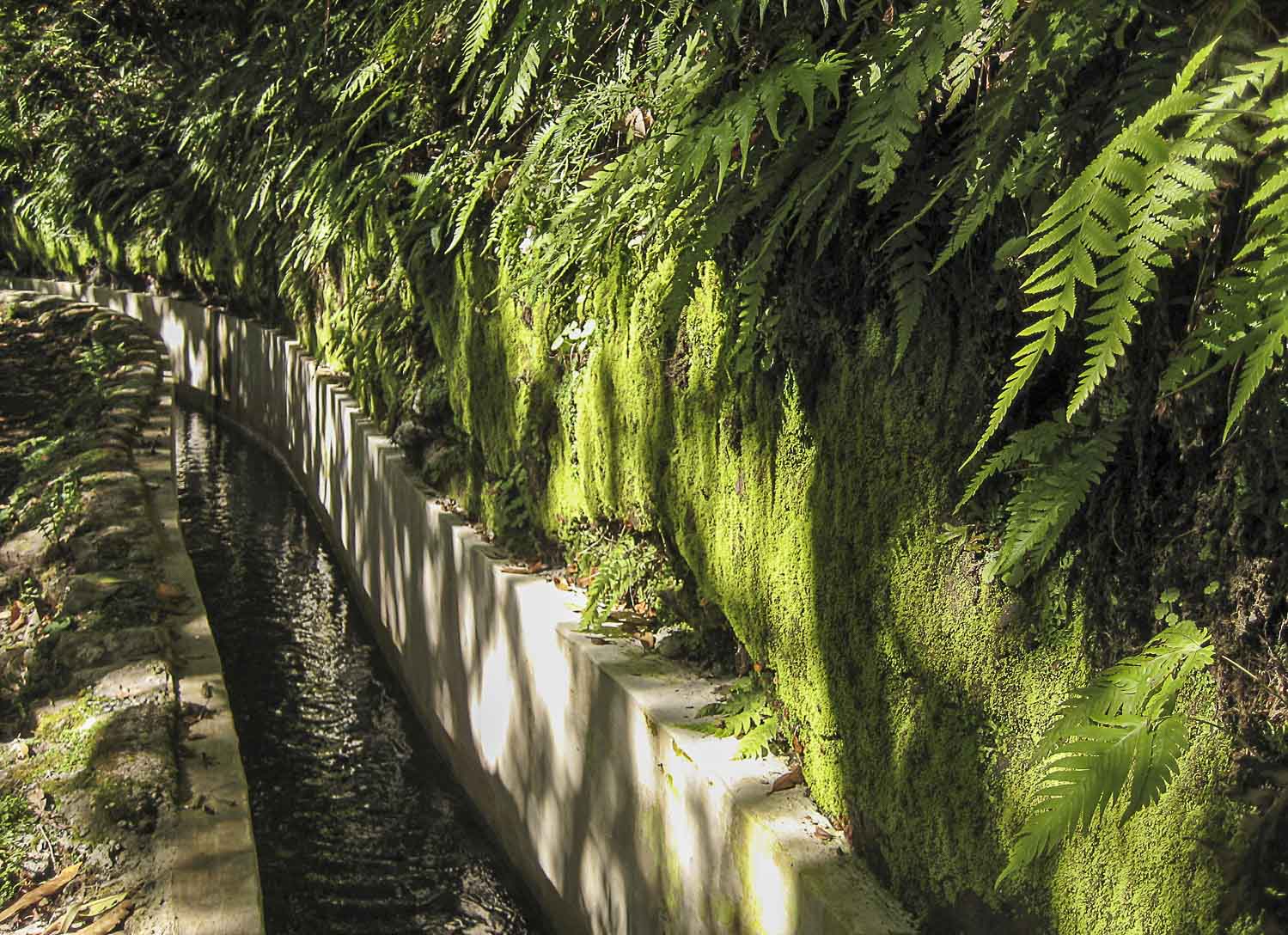
Not to talk about the levada hikes in Madeira, they are the ultimate rechargers. Enjoying the fantastic views, the heavenly scent and listening to the rippling water – the stillness. Your senses filled to the brim. But unfortunately Madeira is not that close to home…

At home I go to my secret garden to easily recharge my batteries. Just walking, pruning, planting – or sitting in a comfortable chair watching everything grow. To follow the birds nesting and the seasons glow fills my heart.

Another way of recharging is photography, playing with my photos in different software, making double exposures or looking at macro worlds. Then, like a tree in spring, I will feel elevated, lifting my eyes again, towards a new day with new promises.

Many thanks to Donna for last week’s wonderful Time challenge. We truly enjoyed your many different interpretations, and hope you’ll join us for this week’s challenge too. Please remember to link to Egídio’s original post, and to use the Lens-Artists Tag for our Reader section. Finally, Tina will lead us next week, so, be sure to check her out next Saturday at noon, EST.

Thursday Thoughts – Peter Lindbergh

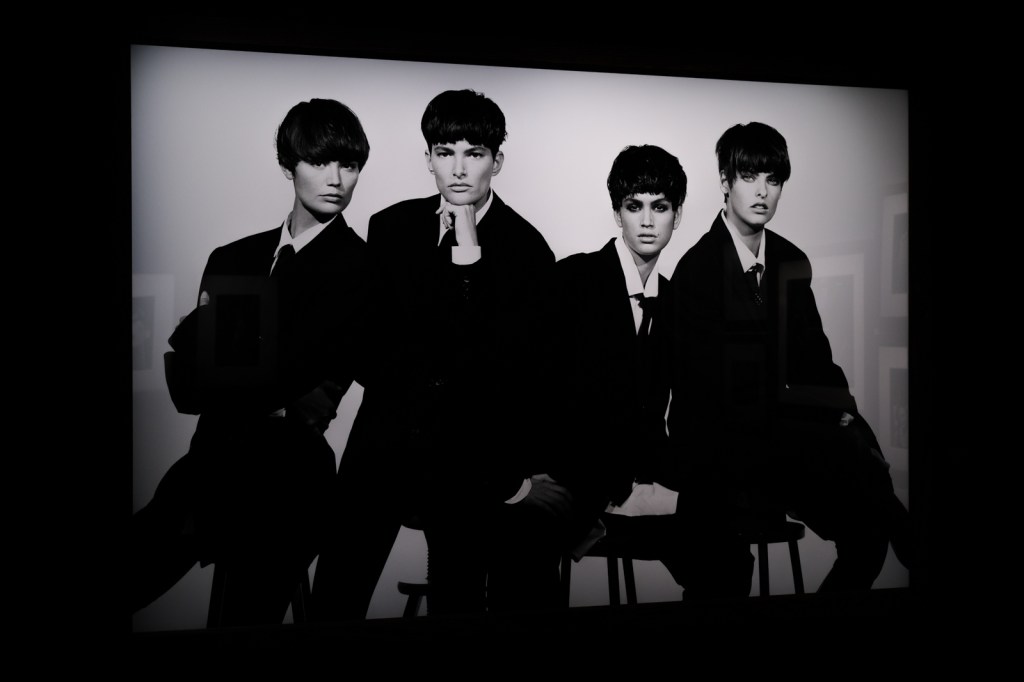
Peter Lindbergh

Lightness of Being

Above are: Estelle Lefébure, Karen Alexander, Rachel Williams, Linda Evangelista, Tatjana Patitz & Christy Turlington, Santa Monica, California, 1988. © Peter Lindbergh. Courtesy Peter Lindbergh Foundation, Paris

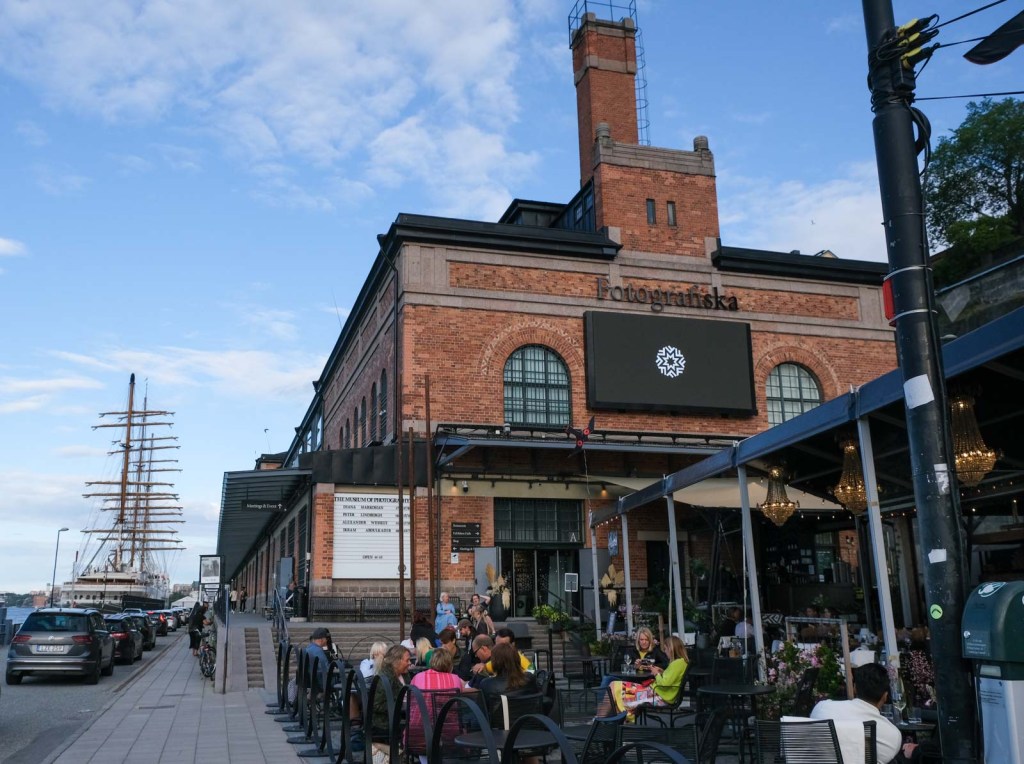
Peter Lindbergh’s iconic pictures now at Fotografiska, Stockholm. Lightness of Being consists of more than one hundred works by the man who is known to have redefined fashion photography.

Lindberg preferred B&W to bring out the best of his models.

Lindbergh wrote the following:

”If photographers are responsible for creating or reflecting an image of women in society…then, I must say, there is only one way for the future, and this is to define women as strong and independent. This should be the responsibility of photographers today: to free women, and finally everyone, from the terror of youth and perfection.”

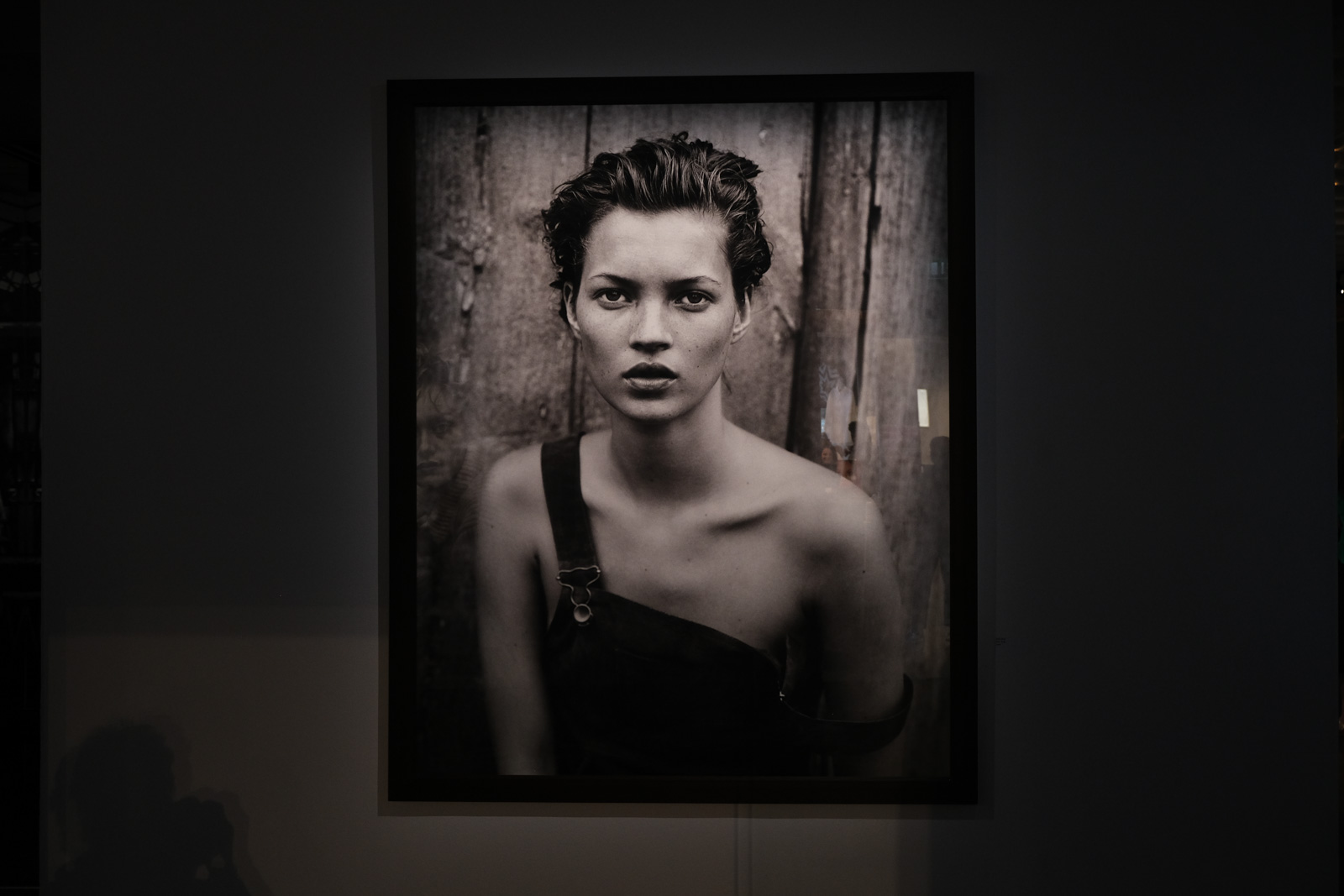
He must have had a favourite model…I guess it could be

Kate Moss

LAPC #237 – Bringing Softness

We need softness in the world. When you go to sleep at night, do you lay your head on a brick?

– Adrienne Posey

For this week’s challenge, our guest host, Bren, wants us to show how we soften our images. Bren is a master of this, and now we can learn how it works. ” You don’t have to stick to flowers, landscapes and architecture are also ideal subjects. By lowering the clarity and creating softness in those areas frames the subject in an image, be it a tree, path, bridge, even a door or house or just a dreamy looking image.”

I decided to try some different subjects, starting with a flower and finishing with a seascape.

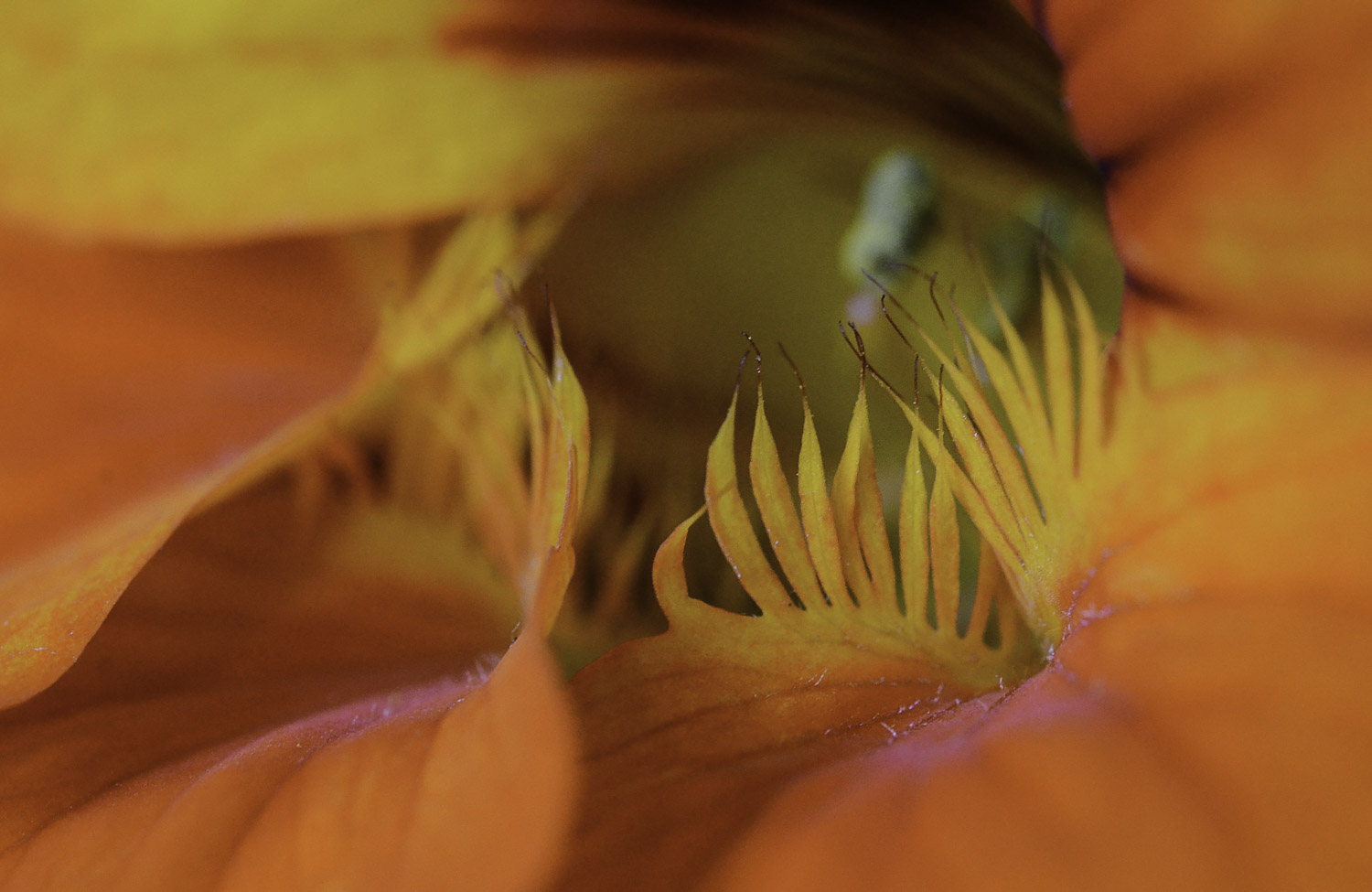
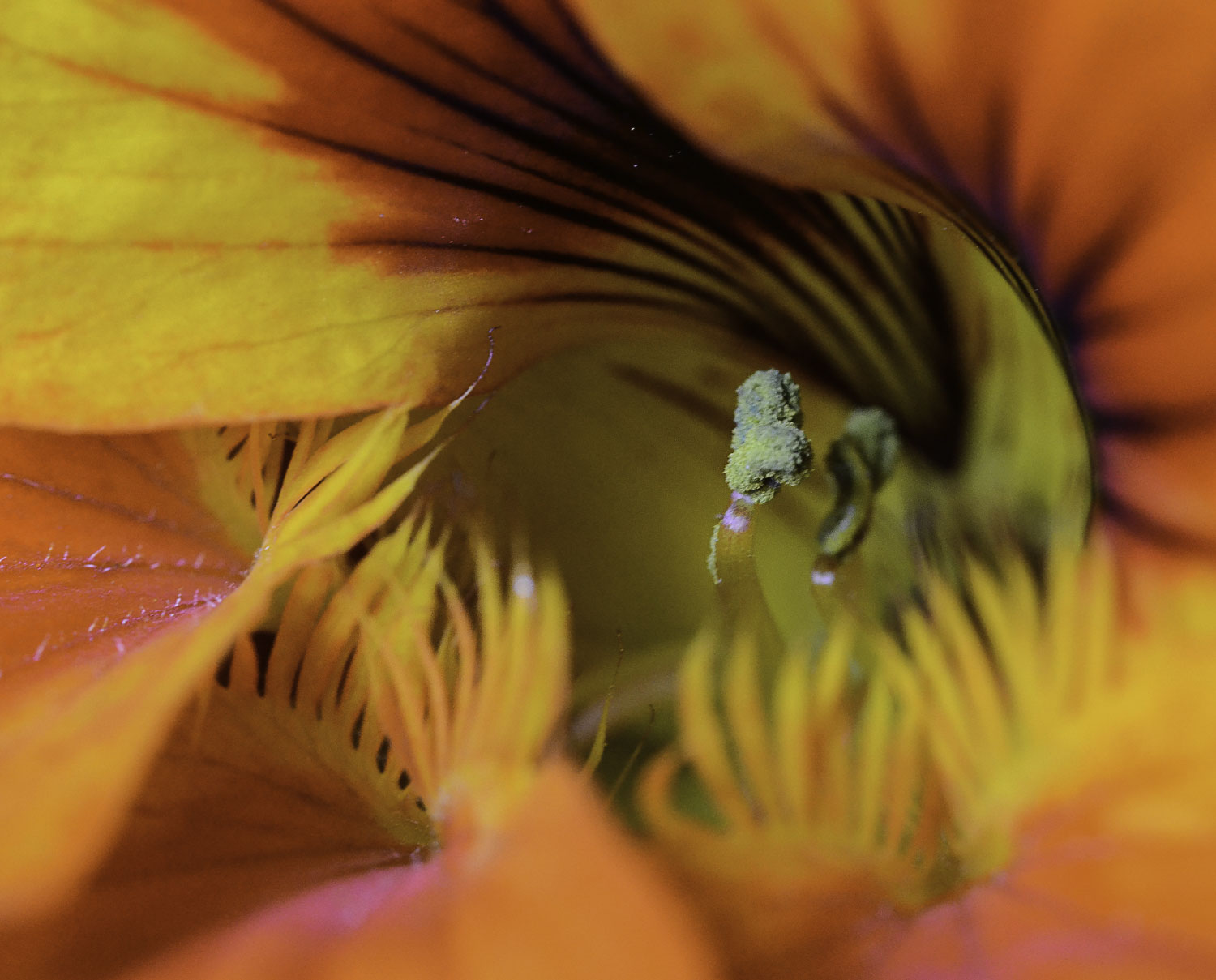
My first try was a Nasturtium plant close-up –

Then some fluffiness against a rough wall – I guess the bee was collecting building material for his home.

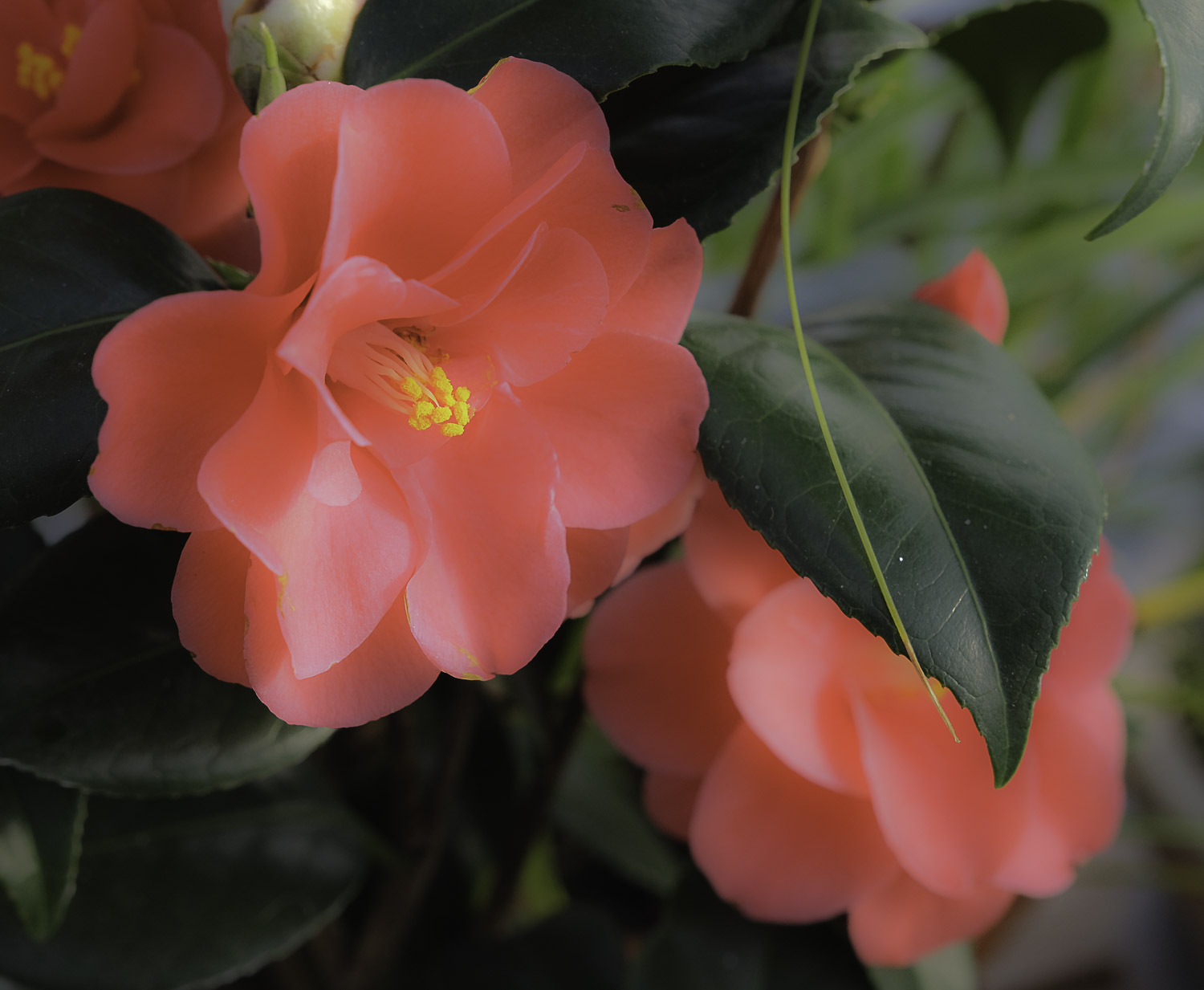
My red camellia is in flower now. I love what the softening did in this image – it made the ”unreal” look of this flower more tempting and strikingly beautiful. The white camellia is in flower as well, but the softness did not work as well as in this one.

The blue colour of the chikory flower is unsurpassed, according to me.

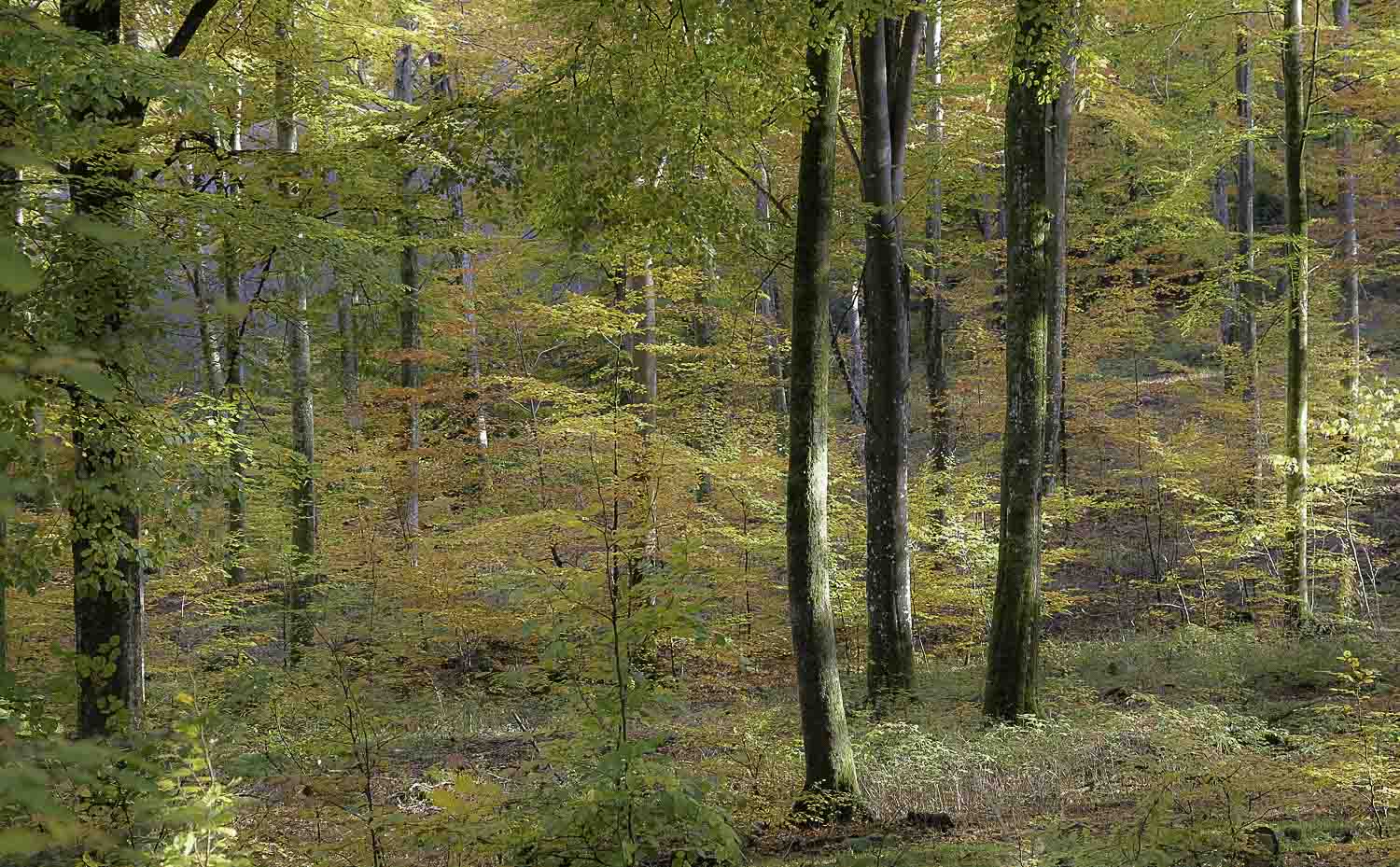
A gallery from my forest walks and Hovdala Castle. Colourful tapestries and soft trees mimicking the clouds.

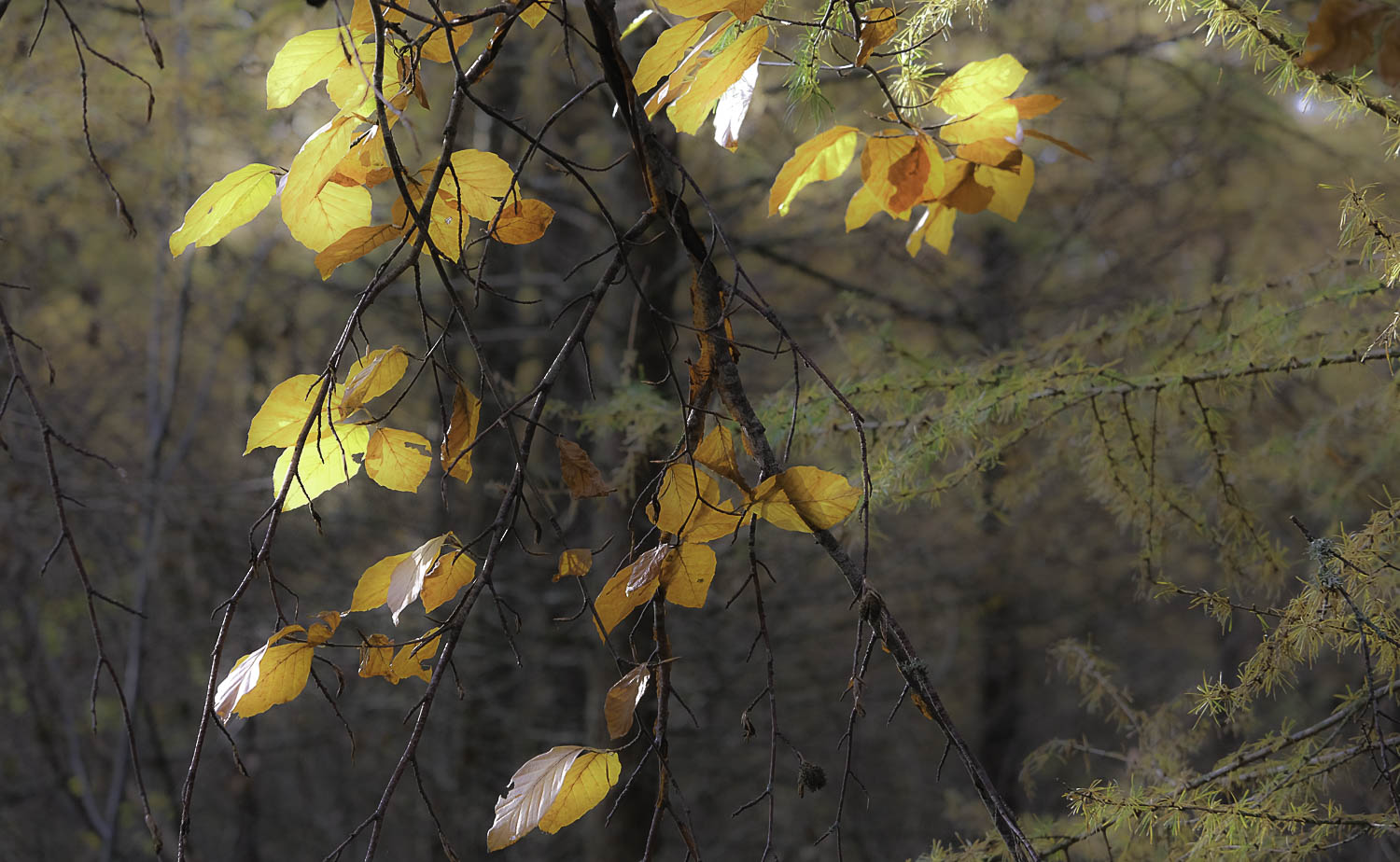
Golden beech leaves among the larch trees. A picture I was to throw away – until Bren’s challenge saved it for me!

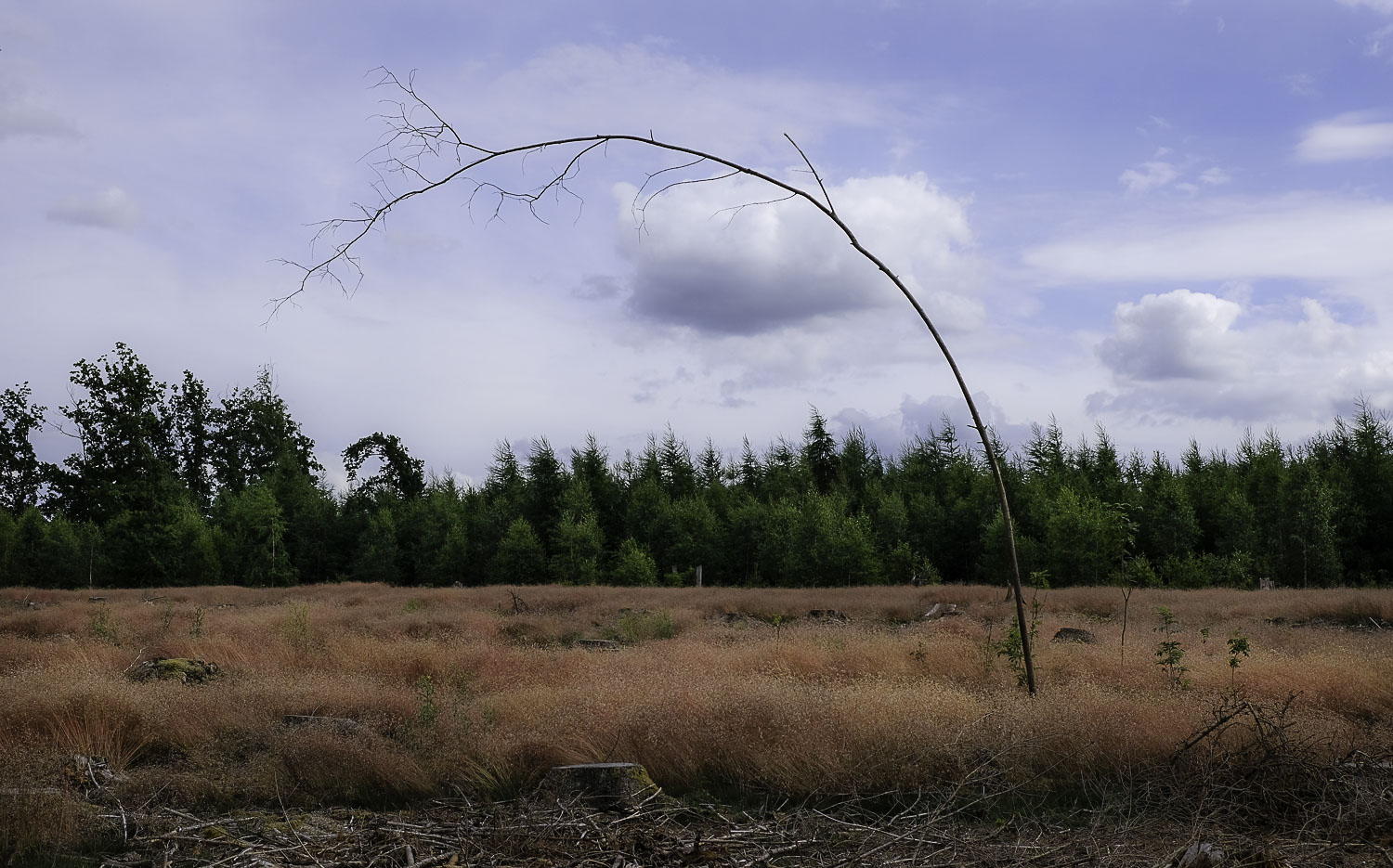
The last tree standing. I made the layers of twigs, grass, forest and sky soft/clear in those sections.

Another gently woven tapestry with field, forest and sky. The colours really appealed to me, and the skies were great that day.

I didn’t believe this technique would work quite that well with a seascape – but I just had to try.

Thank you, Amy, for last week’s wonderful challenge with so many interesting interpretations! And thank you, Bren, for letting us play and learn – I hope you all had as much fun as I had. Now we are looking forward to seeing your responses to this week’s challenge! Please remember to link to Bren’s original post and use the Lens-Artists tag.
Next week it will be me, Ann-Christine/Leya who is your host. See you then!

For more information on joining the challenge each week, check here.