
On our way to Thingvellir this cold and beautiful morning.
Þingvellir is a site of historical, cultural, and geological importance. It lies in a rift valley that marks the crest of the Mid-Atlantic Ridge, at the northern end of Þingvallavatn, the largest natural lake in Iceland.
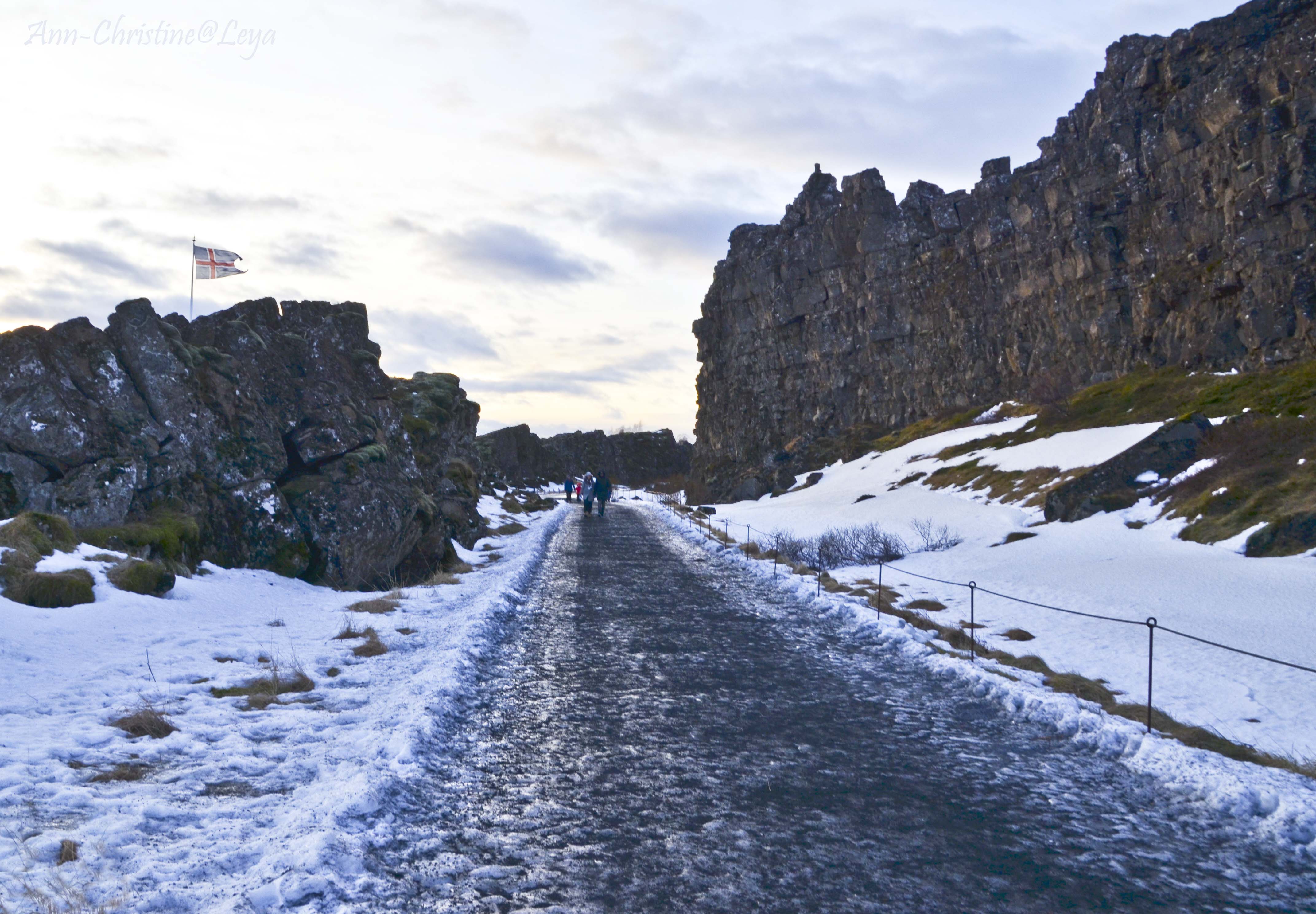
AlÞingi, the Icelandic Parliament, was established at Þingvellir in 930, and remained there until 1798. The National Park was founded in 1930, marking the 1.000th anniversary of the Althing, and became a UNESCO World Heritage Site in 2004.
The continental drift between the North American and Eurasian Plates can be clearly seen in the cracks faults which traverse the region, the largest one, Almannagjá, being a veritable canyon. This also often causes the earthquakes in the area.

According to the Book of Settlements, the settlement of Iceland began in AD 874 when the Norwegian chieftain Ingólfur Arnarson became the first permanent settler on the island. Over the next centuries, people of Norse and Celtic origin settled in Iceland, and as the population grew there was a need for a general assembly.

The foundation of the Icelandic parliament is said to be the founding of the nation of Iceland, and the first parliamentary proceedings in the summer of 930 laid the ground for a common cultural heritage and national identity. Þingvellir plays a central role in the history of the country.

Þingvellir was the centre of Icelandic culture. Every year during the Commonwealth period, people would flock to Þingvellir from all over the country, sometimes numbering in the thousands. They set up dwellings with walls of turf and rock and temporary roofing and stayed in them for the two weeks of the assembly.
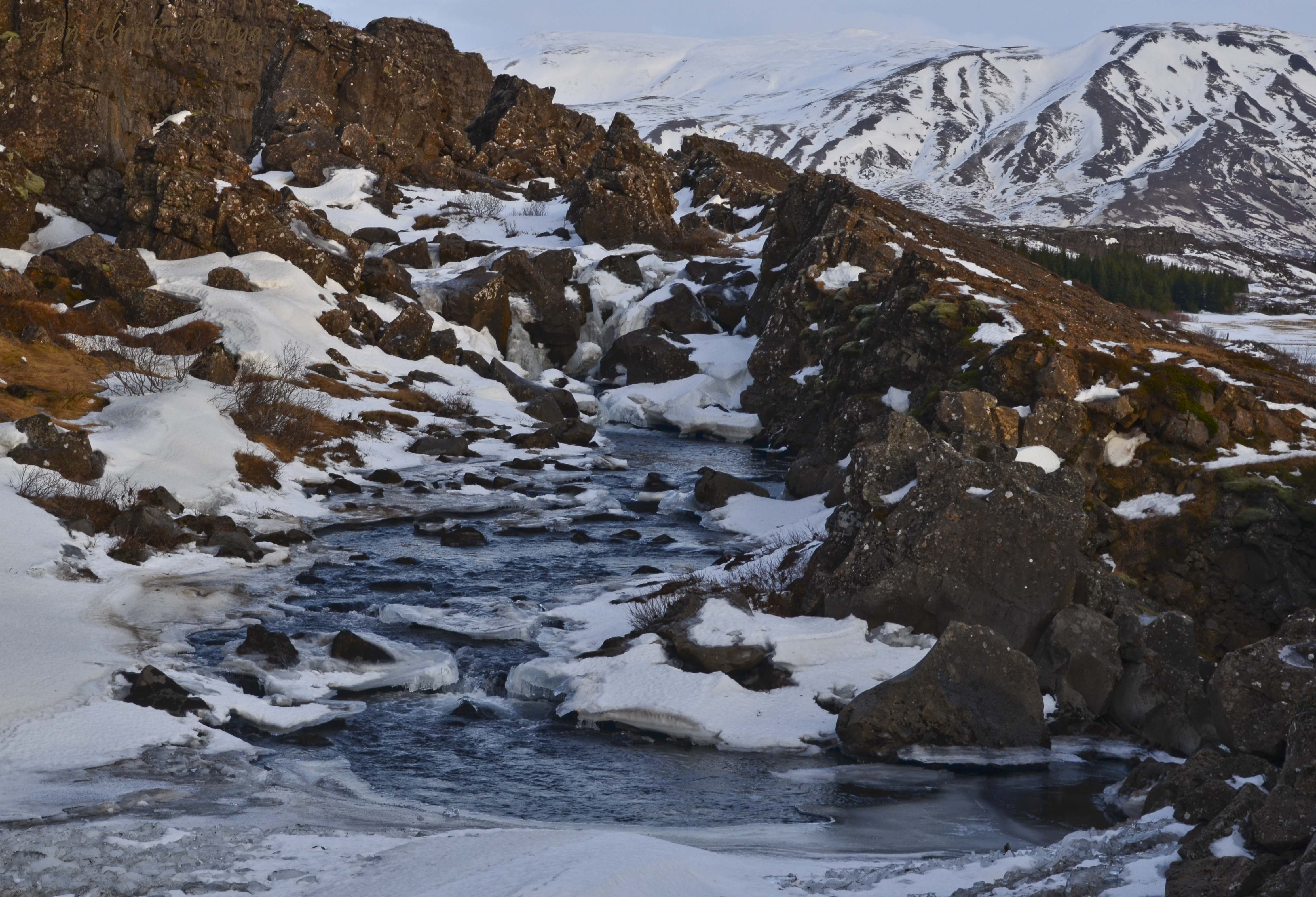
The Drowning Pool for potential witches
Although the duties of the assembly were the main reason for going there, ordinary people gathered at Þingvellir for a wide variety of reasons. There were merchants, sword-sharpeners, tanners and entertainers – and ale-makers brewed ale to them all. News was told from distant parts; games and feasts were held. Itinerant farmhands looked for work and vagrants begged.
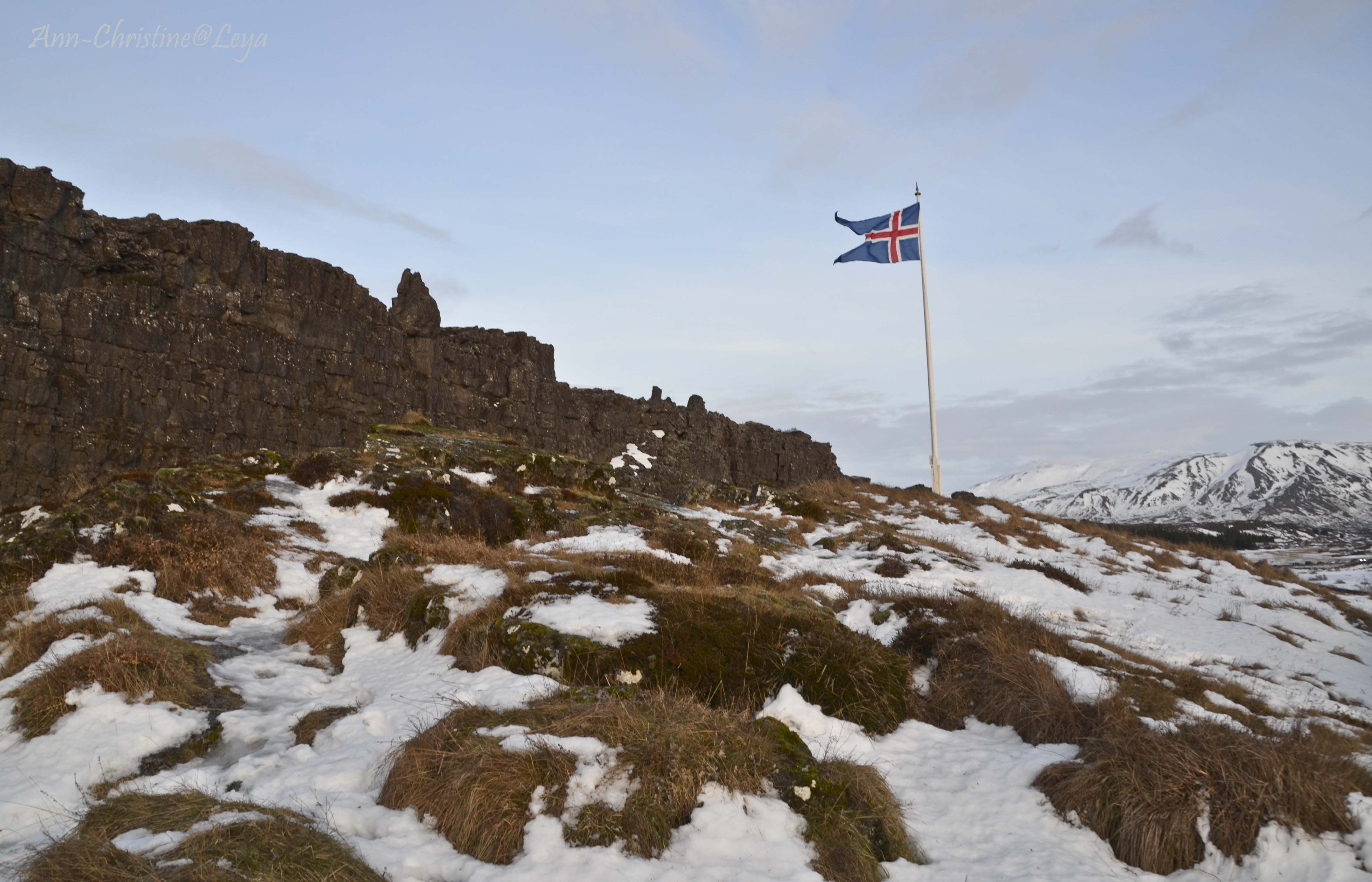
A flagpole on Law Rock marks the place where the law was recited from.
Þingvellir was a meeting place for everyone in Iceland, laying the foundation for the language and the famous literature – the Eddas and the Sagas.

A Law Rock of ones own?
In fact, still today, young people can read the old texts from the 12th century – not many languages have lasted that much unchanged. This is possible due to the conservative – and innovative and creative – use of the old words, combined with less borrowed words than any other language. As an example: vegabréf is a combination of veg (road) and bréf (letter) = passport!
The landscape around Thingvellir – magnificAent.




 Leya
Leya 
Du måste vara inloggad för att kunna skicka en kommentar.