Lens-Artists Photo Challenge #90 – Distance

For many years, I have been moved by the blue at the far edge of what can be seen, that color of horizons, of remote mountain ranges, of anything far away. The color of that distance is the color of an emotion, the color of solitude and of desire, the color of there seen from here, the color of where you are not. And the color of where you can never go.
Rebecca Solnit

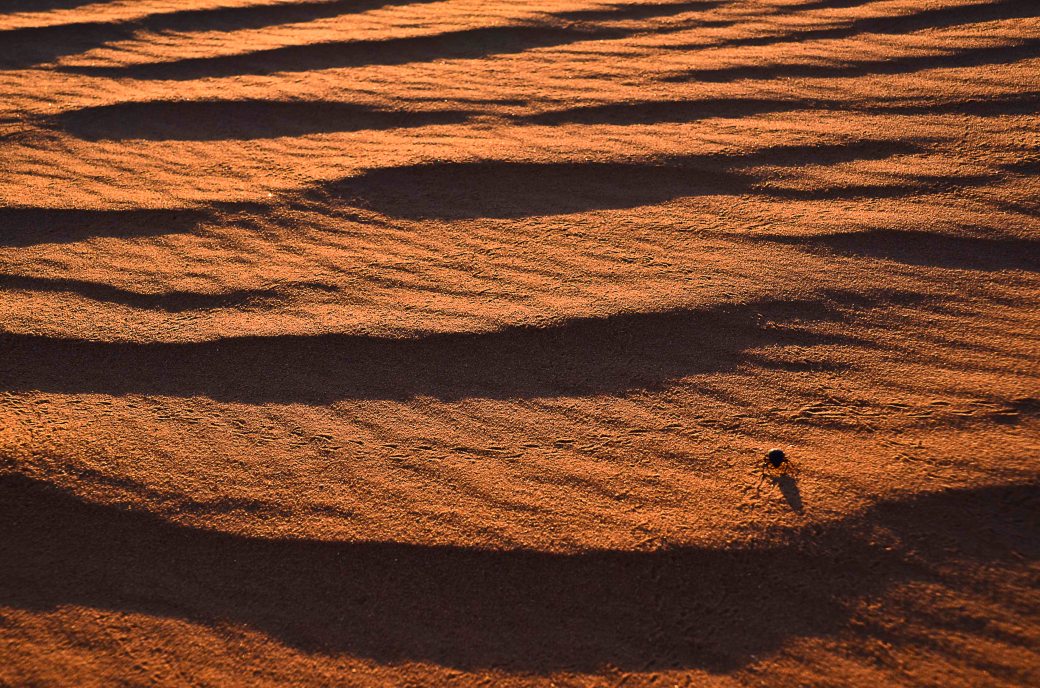
Tina’s choice of Distance for this week, gives room for many interpretations. Some images from the Sahara desert illustrates my first thoughts. And the poor scarab has an endless distance to crawl…

I think sometimes you need distance to reflect. – Lynn Nottage

Some extra time on your own these days gives new possibilities for this. Hiking or writing a diary might help keeping your thoughts together. And outdoors you can easily keep the distance.

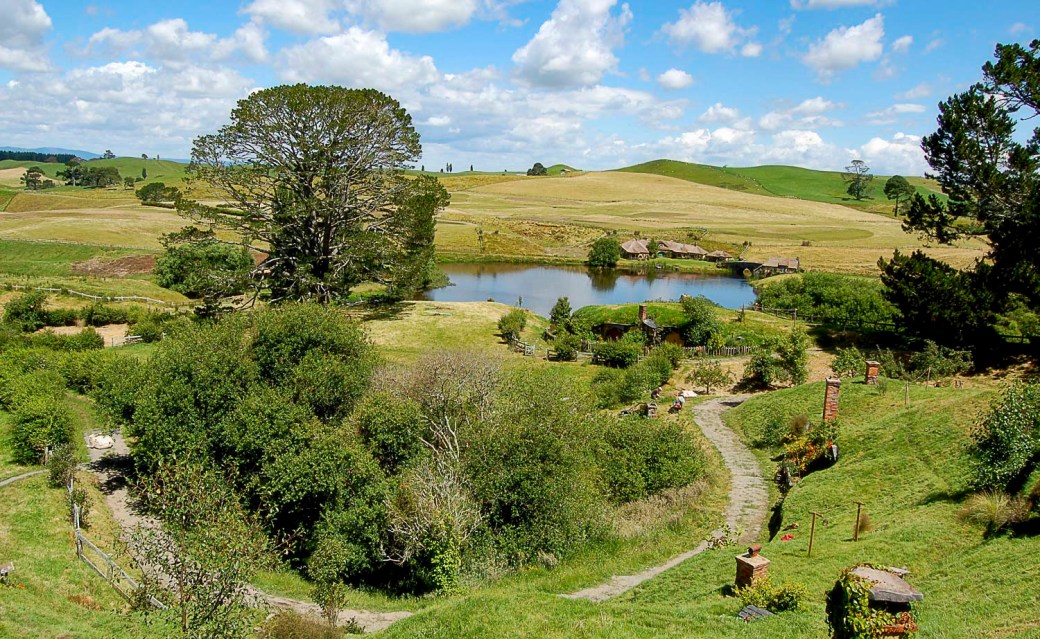
Hobbiton, NZ

Fantasy is usually considered an escape, but it’s also a way to deal with weighty real-world issues from a safe distance and in a context where you usually have some kind of power that you don’t have in real life. – Noelle Stevenson

Maybe a chance to re-read old favorites – or new acquaintances!

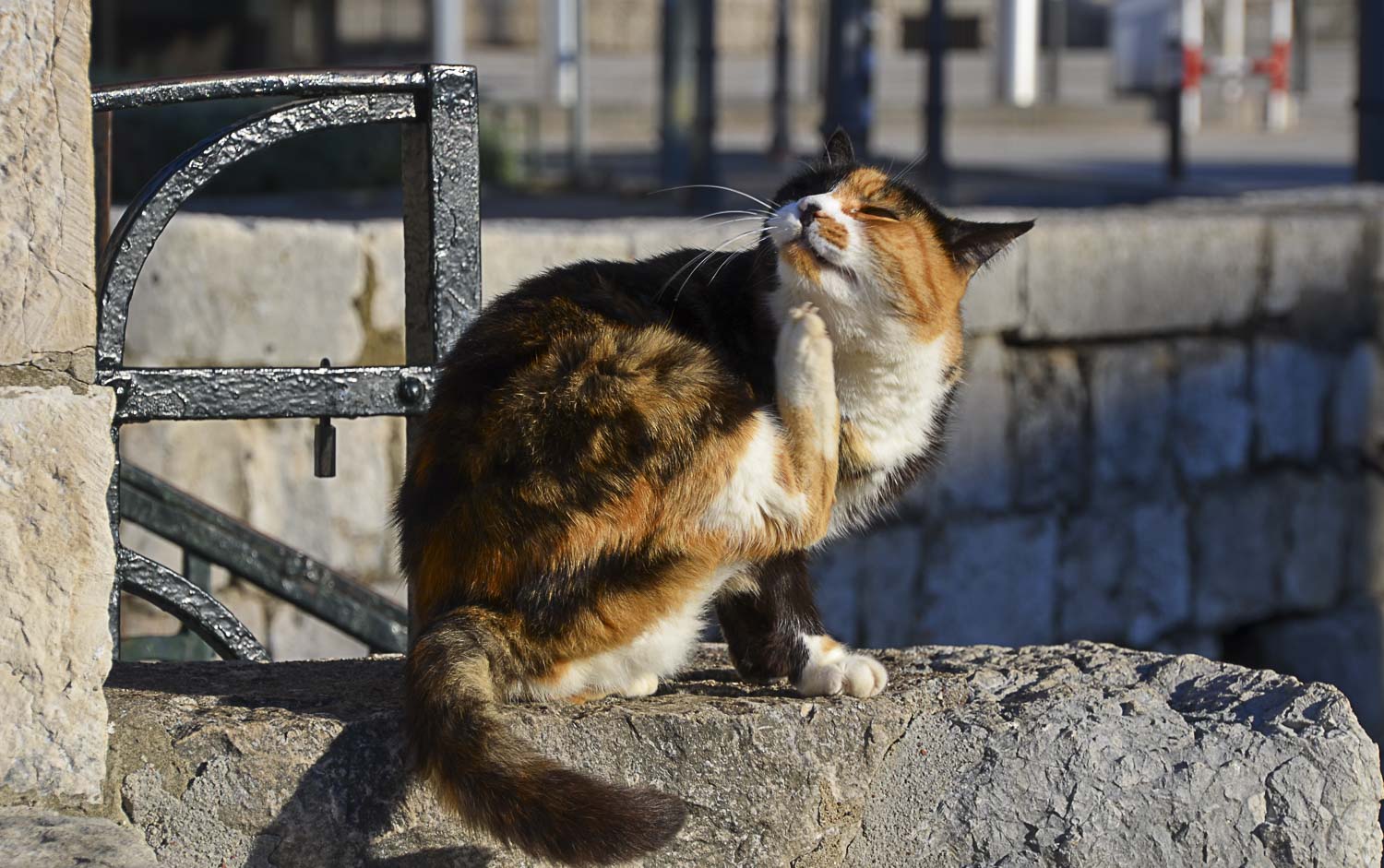
Keeping social distance is what we all do these days – a necessity. Essential to stay healthy and save lives. These cats know how – an image from Madrid, often used, because I love it.

Finally some photos from last weekend, when the sun decided to throw some golden rays our way. Families together, couples sitting alone drinking coffee, enjoying the lovely outdoors. And so did we, Milo and Totti.

In Sweden we are still allowed to go out, and the forest and open landscapes are there for us to savour. Every country has its own rules in this Covid-19 crisis, but I hope many of you still have the possibility to go out. – But, we also don’t know for how long. A garden or a balcony is also great for some fresh air. I am convinced we all use different media to stay in contact with friends, and personally I find Zoom a perfect alternative as well. Thank you for being out there in the blogosphere.


Nothing makes the earth seem so spacious as to have friends at a distance; they make the latitudes and longitudes. – Henry David Thoreau


Be sure to link to Tina’s original post, and to use the Lens-Artists TAG. And remember –

Stay safe, keep the distance – but stay in contact! 

Thursday Thoughts – Off – season

There are many advantages to go on vacation off – season, and we often do. If you do a bit of research on the regional climate before you go, you might have a quiet, beautiful and less stressful visit than during the tourist season. If you are like me – one who doesn’t need to lie on the beach, but prefer quiet walks in beautiful and interesting surroundings – this is a good way to go. And of course, the price-tag is more favourable. Naturally, it is also easier if you are retired, and don’t have to rely on special vacation weeks.

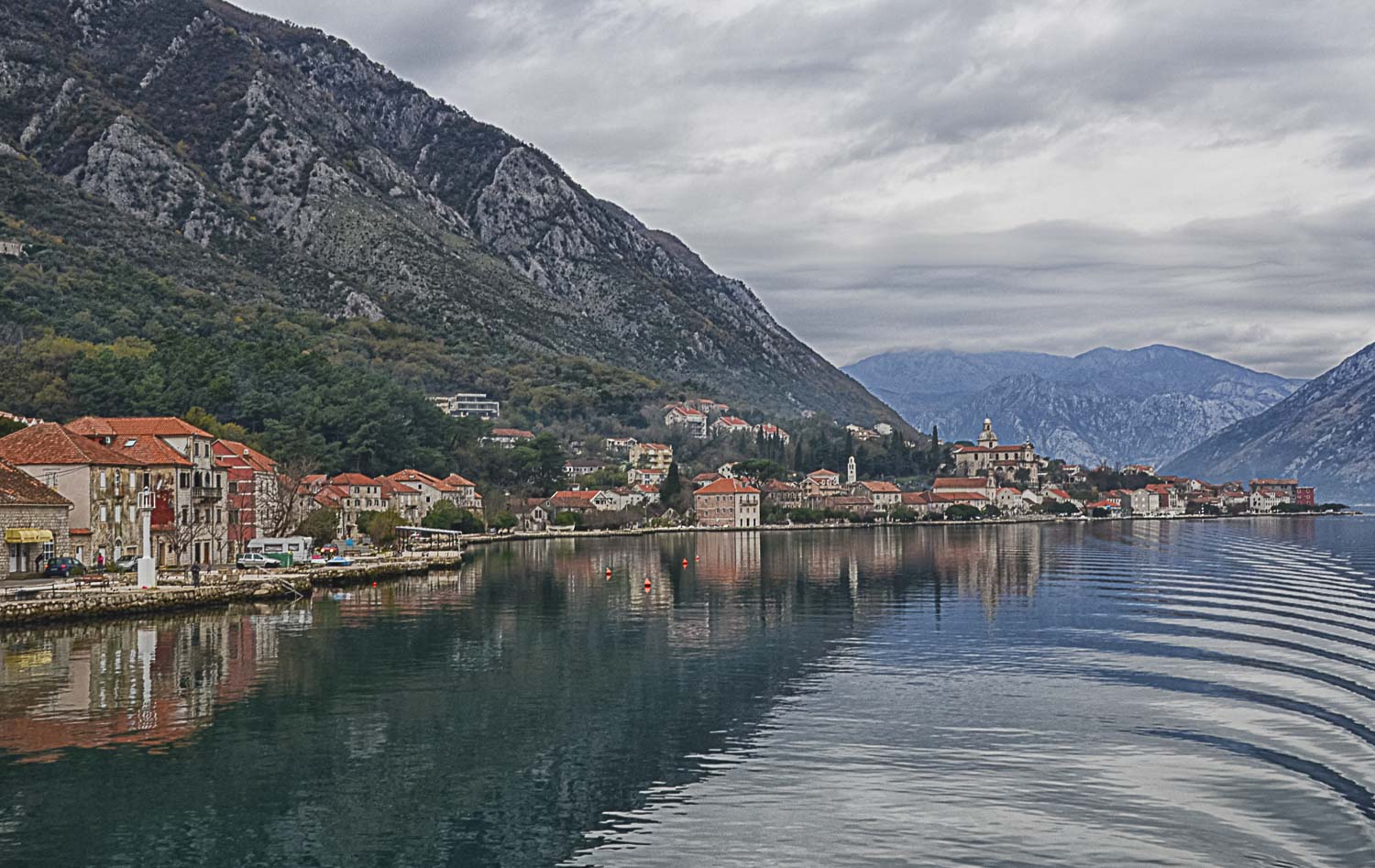
Three weeks before Christmas, we went to the Balkans – and had a great week in one of the otherwise most tourist swarmed places in Europe. We were lucky with the weather, and enjoyed our trip immensely. Good food and many historic places – and peacefulness.

Taking a boat trip is almost always a good thing, to get special views of the city or country you are visiting. In the off – season there are always free seats…

kroatien-bosnien-herzegovina-538-2.jpg

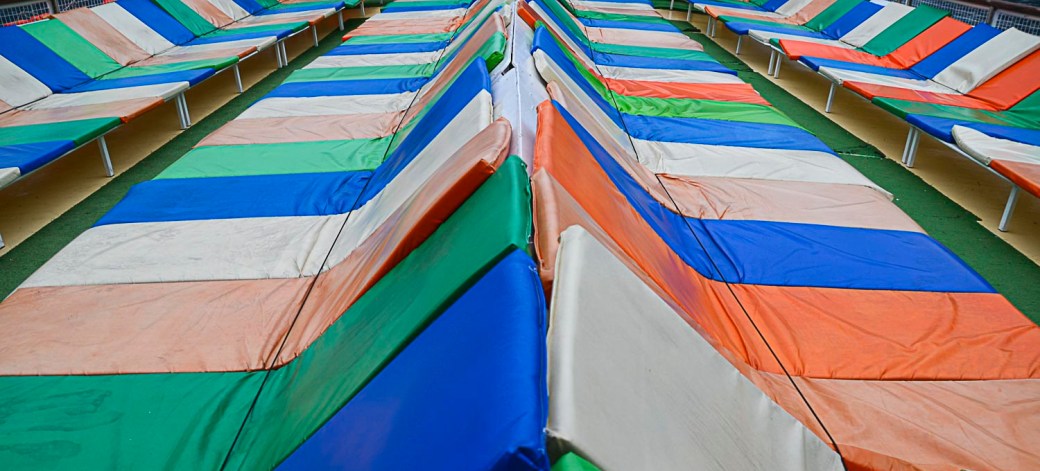
No elbows on deck and no lost photos  – or cameras…You feel like you are the only person there. And the boat was even made just for you…to relax and enjoy your stay.

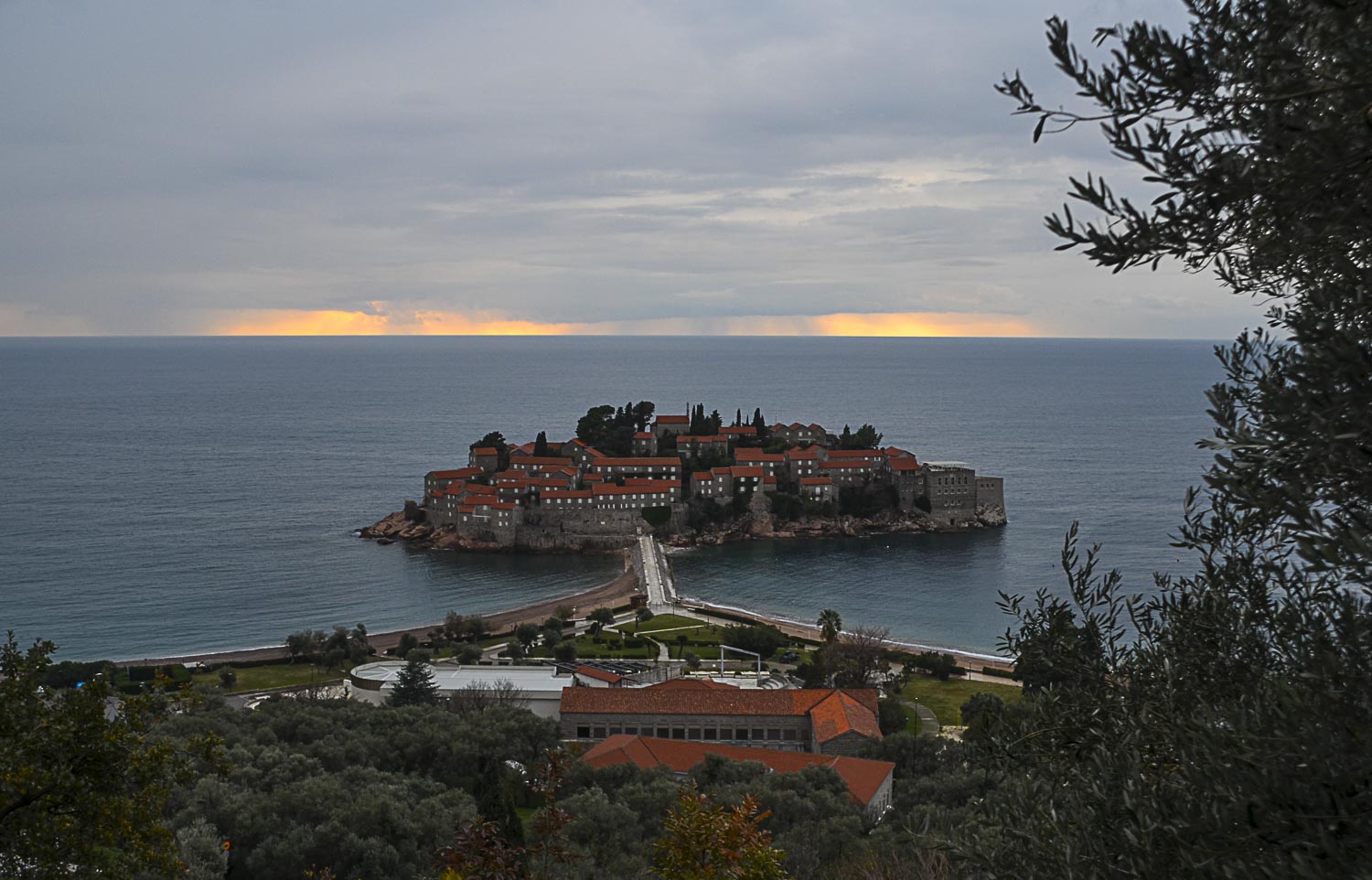
This little islet, Sveti Stefan, is a world famous place – a place for movie stars and celebrities, all nationalities. Many famous people stay at this 5-star hotel resort for a while, to enjoy the company of other stars and the exclusiveness of living away from Hollywood or wherever you belong. It is situated on the Adriatic coast of Montenegro.

Elizabeth Taylor, Sophia Loren, Marilyn Monroe, Ingemar Stenmark, and Kirk Douglas are some of the well known people who have visited the islet. As you can see, the windows are closed, and there is nobody there this time of the year.

So, if you love solitude more than elbowing, don’t need hot beaches and want a neat price tag, you might give it a try!

Off – season is the way to go – at least for me.


Thursday Thoughts – Udabno and Sighnaghi

Why Georgia ? 

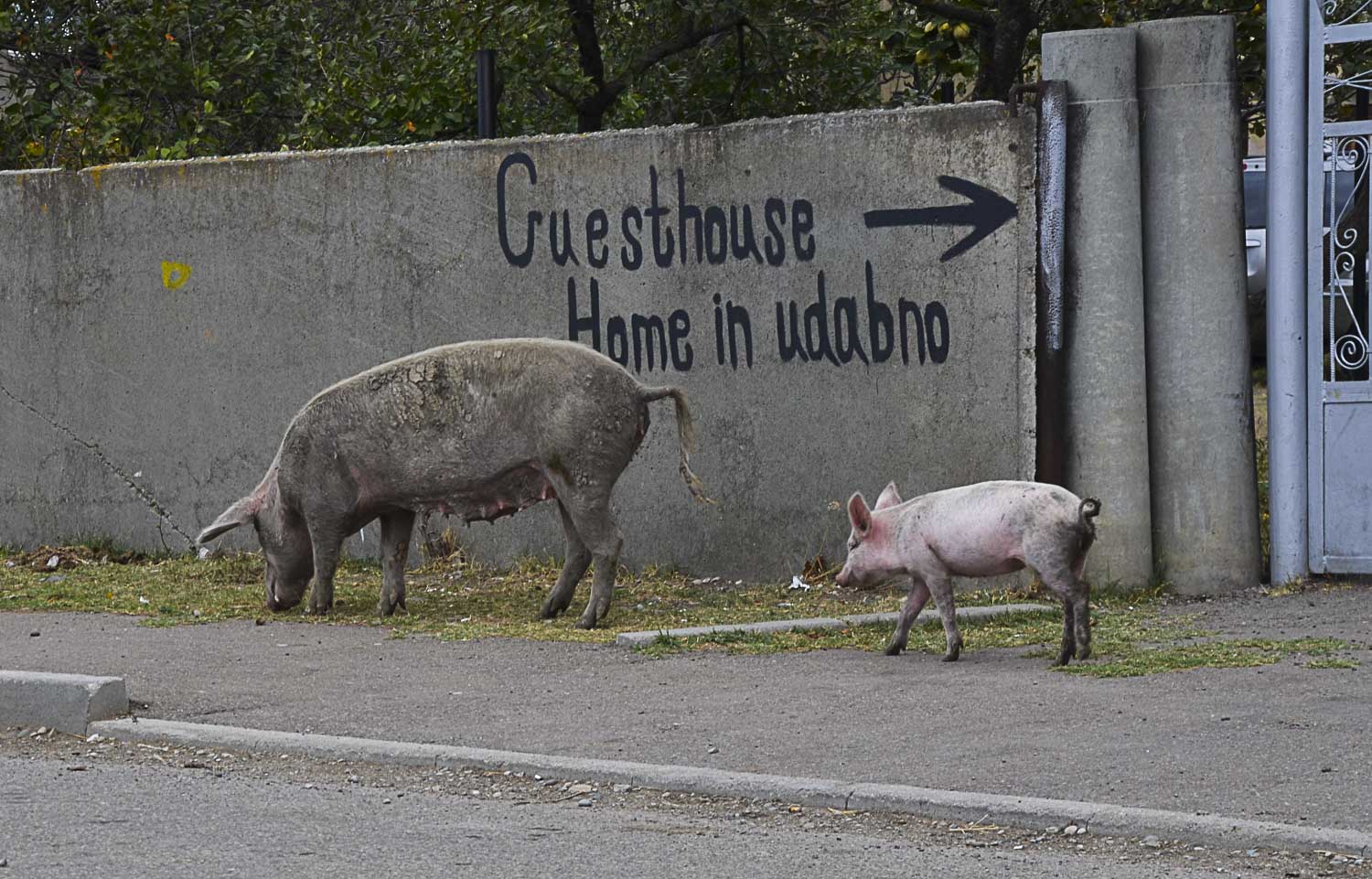
Udabno, at first sight, seems a forgotten place in the desert. Originally a Soviet built village – but then abandoned and left to the last, striving old farmers. Since about 8-10 years it has been brought to life again, by a Polish guy who fell in love with Georgia when traveling the countryside. His idea was to build a restaurant and hostel for people driving through on their way to David Gareja  (the monastery I posted on before). This turned out quite well – and his Oasis is thriving. They promise delicious Georgian food and friendly people – and on top you get dogs and cats at your feet, charming the guests.

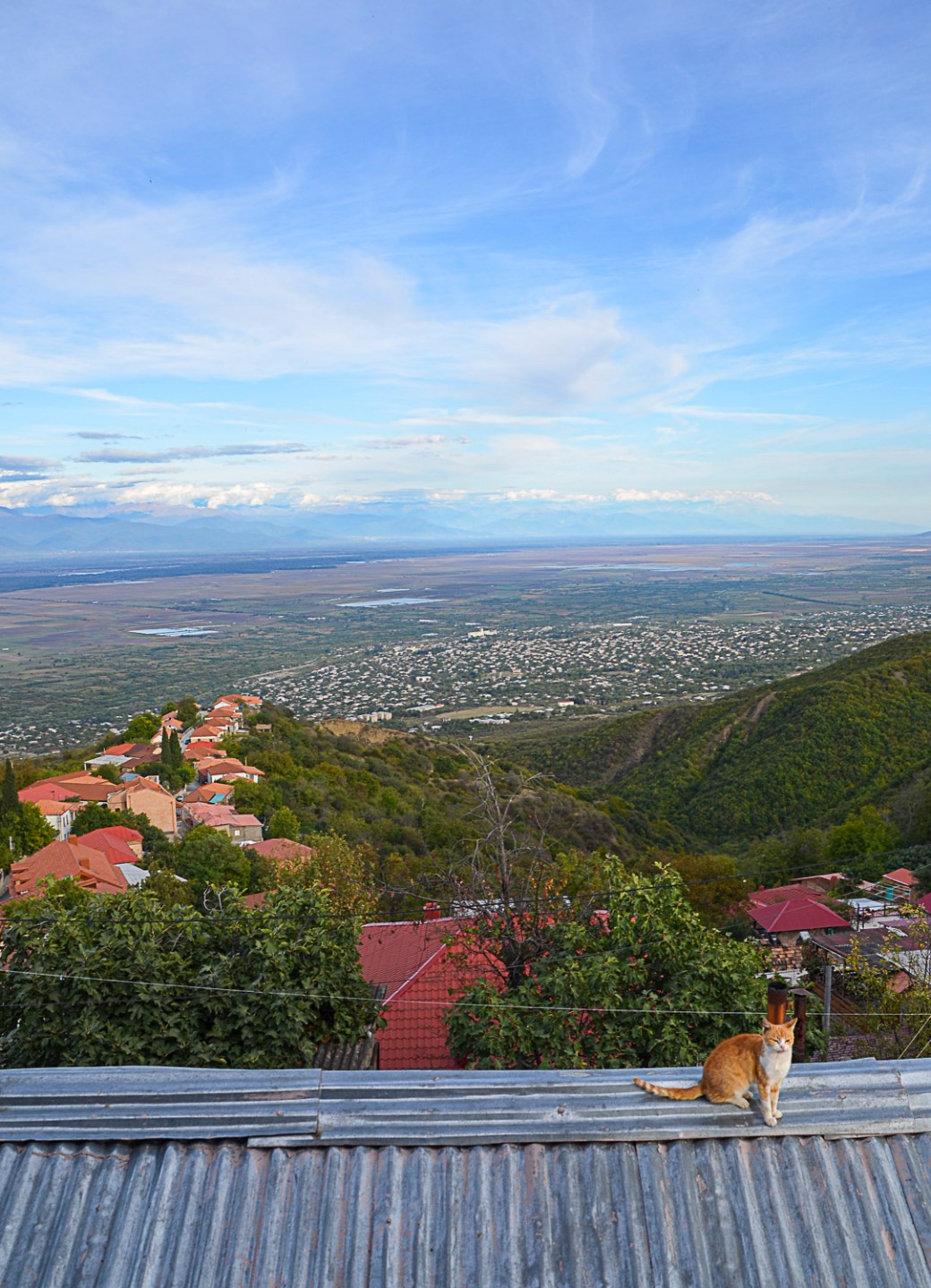
Sighnaghi, the pearl of the Kakheti region, is one of the most important villages in Georgia’s greatest wine district. The oldest parts are from the 18th century, with a 4-5 km town wall. We also heard it was considered maybe the most beautiful village in Georgia. Built 790 meters above sea level, it overlooks the glorious Alazani Valley and the Caucasus Mountains. In fact almost every part of it was restored by Italian architects, and paid for by the mighty family Sjevardnadze.

We learned that the cradle of Wine is Kaukasus, and Georgia has the oldest wine traditions in the world, second only to Armenia. 8000 years old Clay barrels for wine making have been found here. The wine making was unique – and still is today. The grapes were put in the clay barrels that were buried in the ground for fermentation – no additives…not even sugar. 100% ecological.

No wonder the wine tastes heavenly. We tried three different Saperavi wines from the  OKRO`s Wines, relaxing on a terrace overlooking a lovely cat overlooking the whole valley and the mountains. Finishing off with a mild Chacha (70% – but not noticeable).

In the end I thought the strict rules applied for making these Georgian wines exceeded all intricate EU-rules, making EU not fully able to realize the fantastic quality of these wines – and therefore not marketing them as they should. Rather interesting…

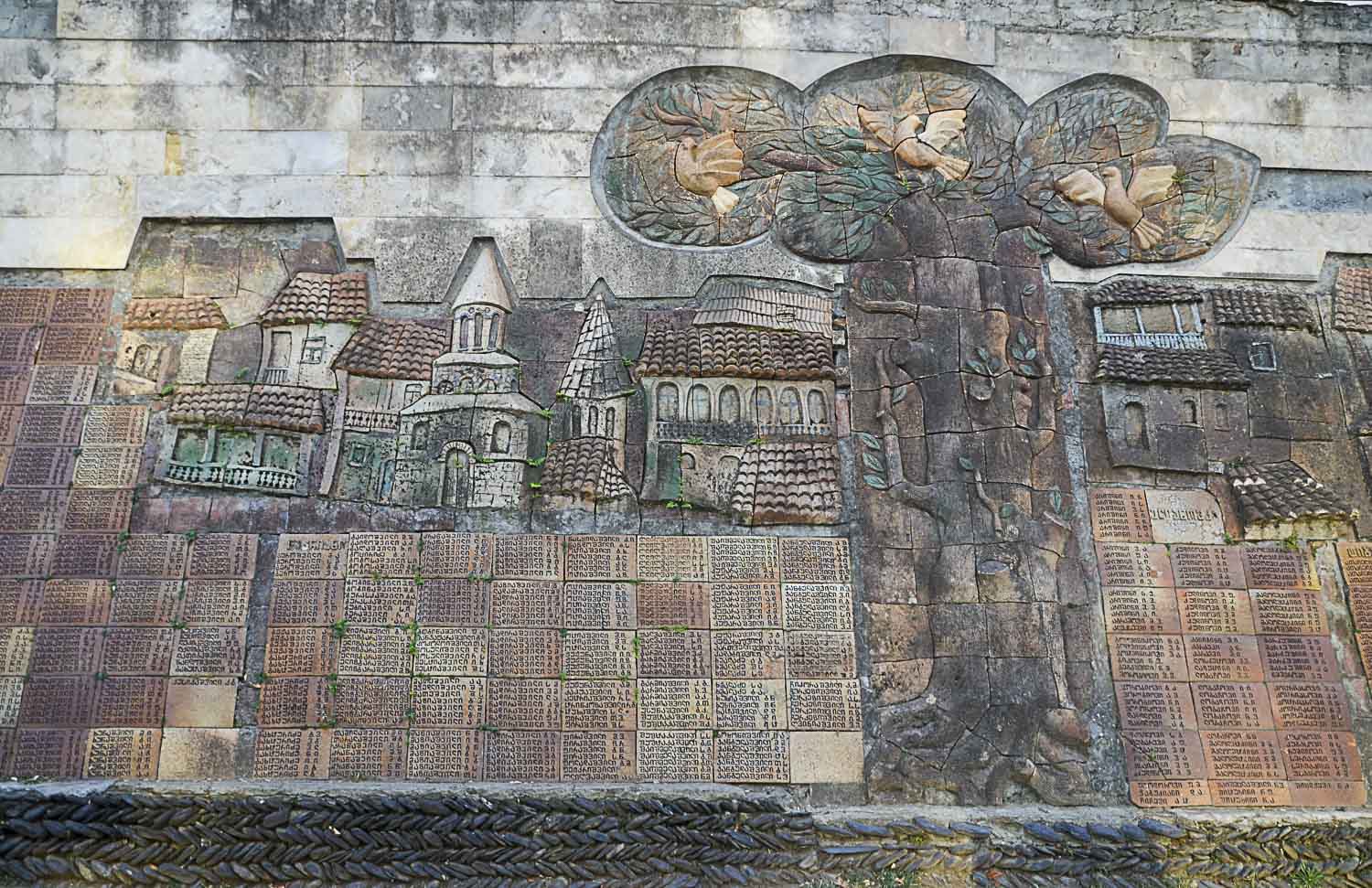
A war monument with thousands of names from the area, meant another moment of contemplation. So many horrors and so many wars this country has suffered. And still – inhabited by upright, friendly and hospitable people.

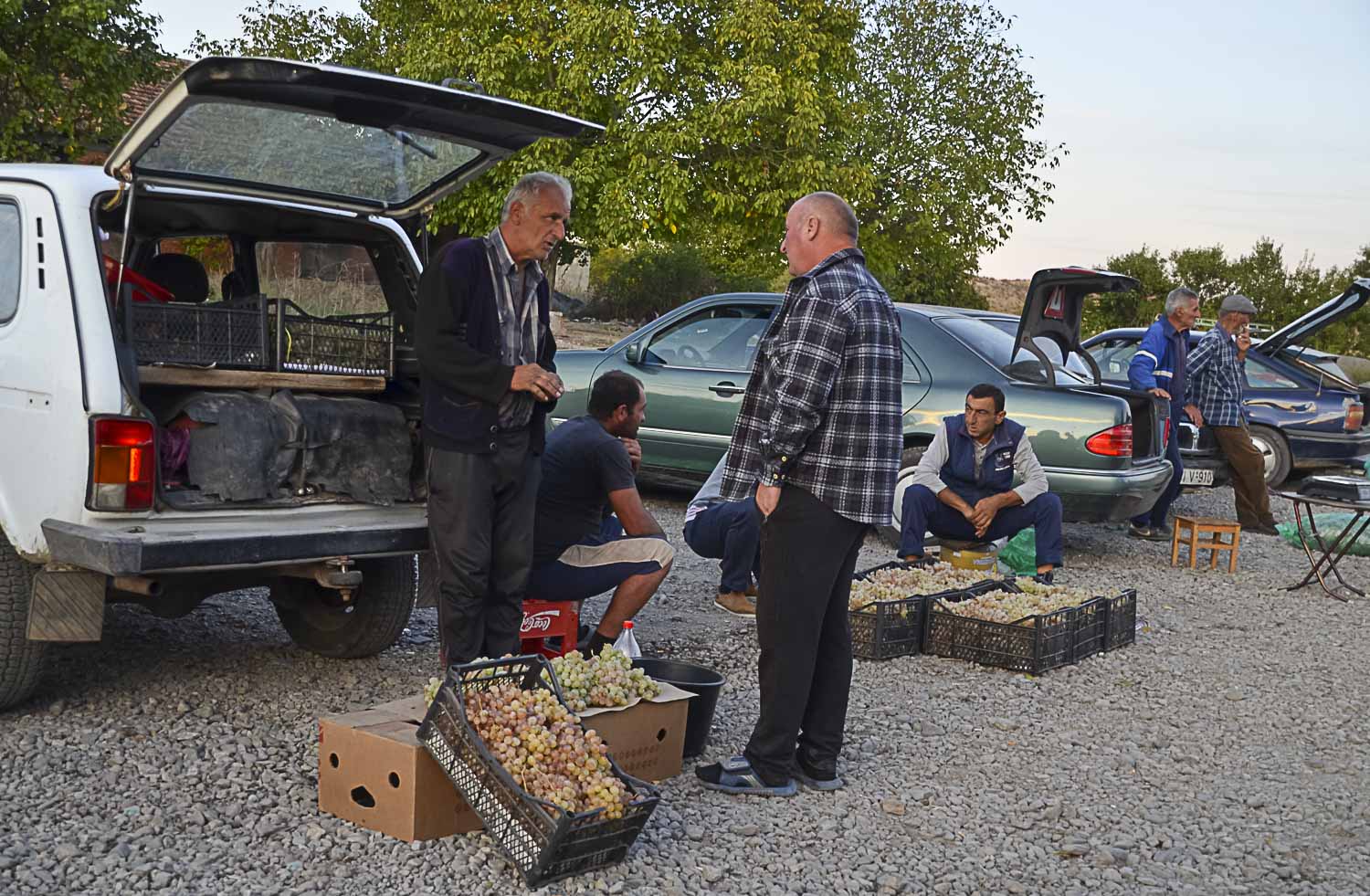
We hit the road again, and our knowledgeable guide remembered my talking about a photo of the grape vendors…This party was packing up for the night, but we stopped for a chat and a photo. Sweet guys…in the end I jumped in the car with some kilos of the sweet grapes too (not the guys!)! I was not allowed to pay anything…but hugs were free!

Thursday Thoughts – David Gareja Lavra

David Gareja Lavra is a historical and architectural monument within the monastic complex of David Gareja. It was built during the first half of the 6th century under the guidance of San David Gareja, one of the thirteen Assyrian monks who arrived in the country at the same time. He came to bring Christianity to Georgia, and he founded around 15 monasteries in the arid and desert like nature on the border to Azerbaijan.

David Gareja is a Georgian Orthodox monastery complex located in the Kakheti region, and the complex includes hundreds of cells, churches, chapels, refectories and living quarters hollowed out of the rock face.

Despite the harsh environment, the monastery remained an important centre of religious and cultural activity for many centuries; at certain periods the monasteries owned extensive agricultural lands and many villages. The renaissance of fresco painting chronologically coincides with the general development of the life in the David Gareja monasteries. The high artistic skill of frescoes made them an indispensable part of world treasure. From the late 11th to the early 13th centuries, the economic and cultural development of David Gareja reached its highest phase.

We left early in the morning on a private tour, because the roads were all very narrow and bumpy – no buses could go there. Road builders and machines were constantly working and in some places we had to drive in the nearby fields instead of the road.
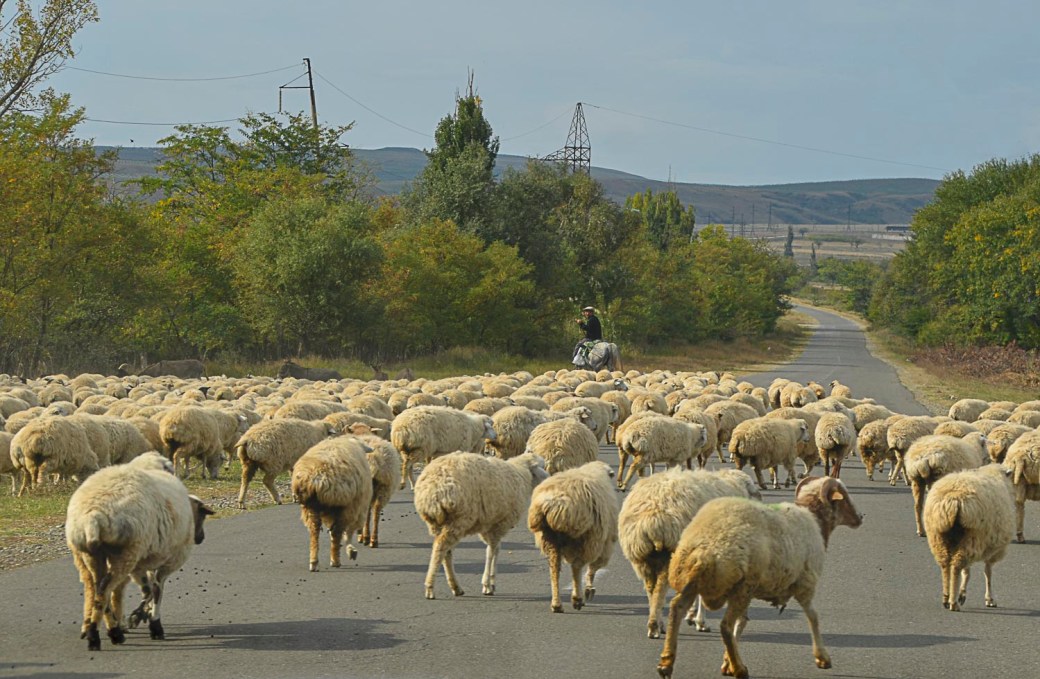
We wondered where these sheep would get any food, but loved to see them – and their shepherds on horses.
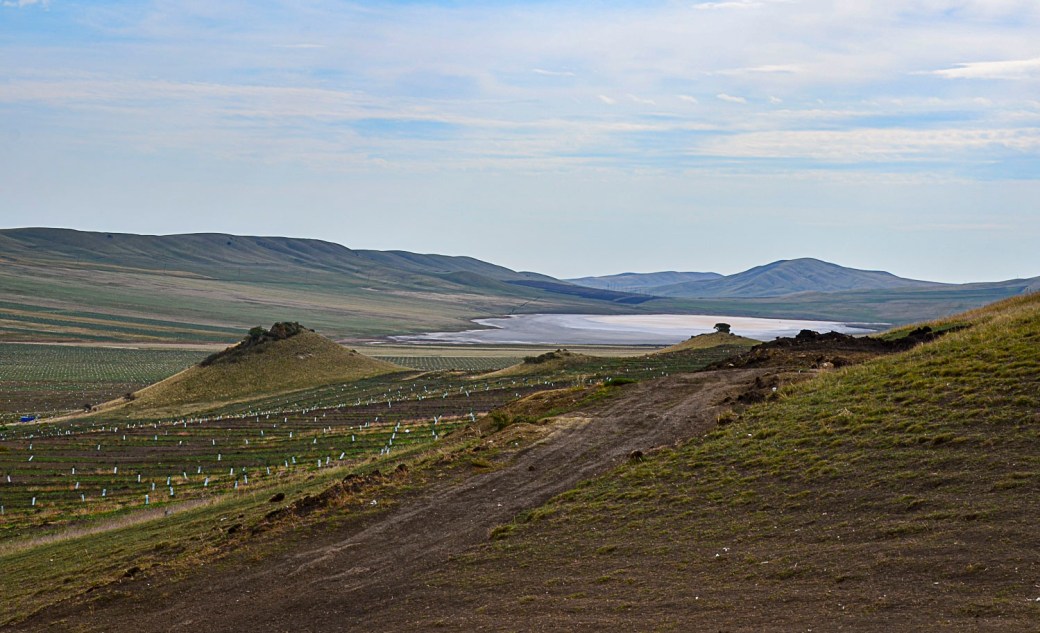
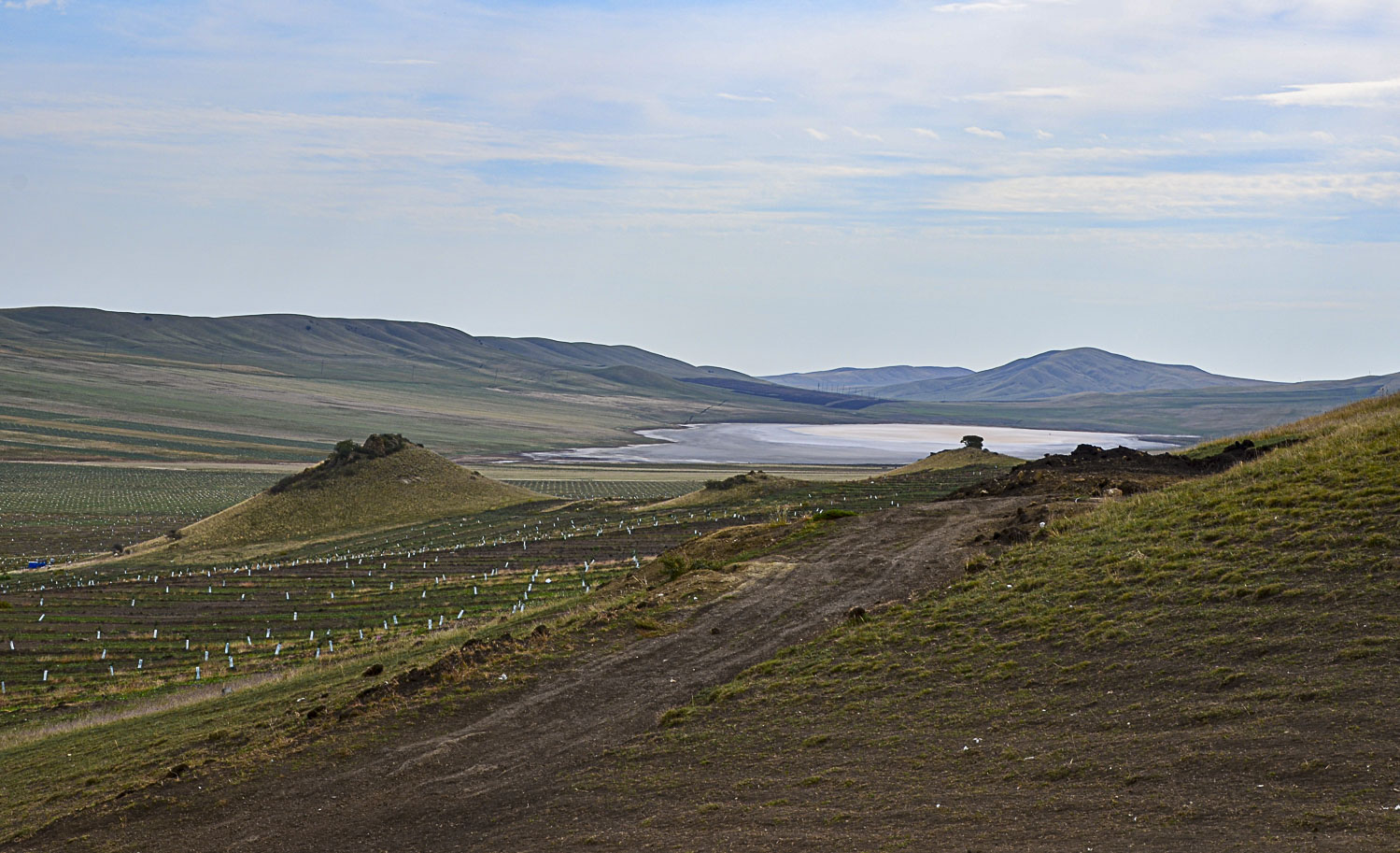
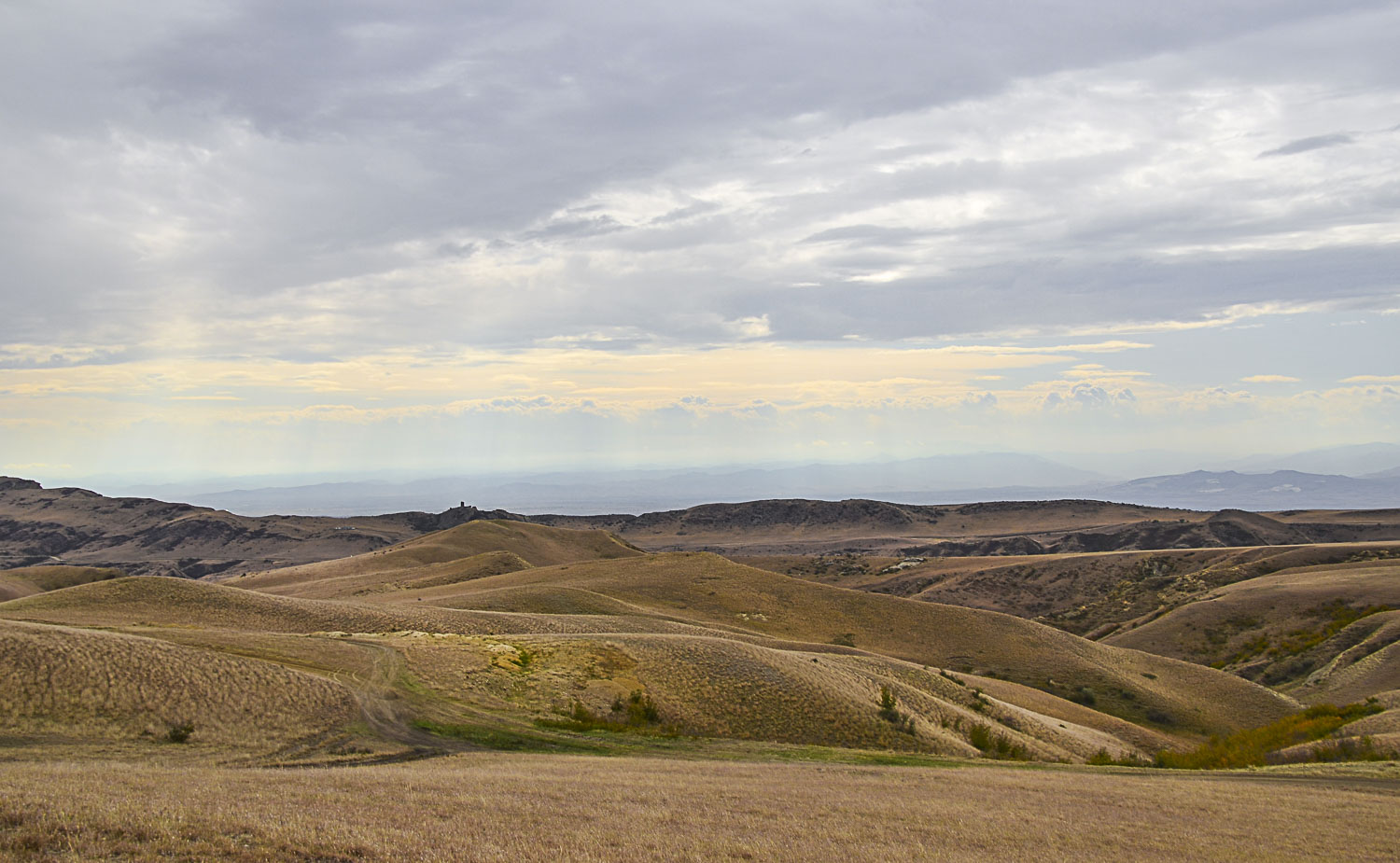
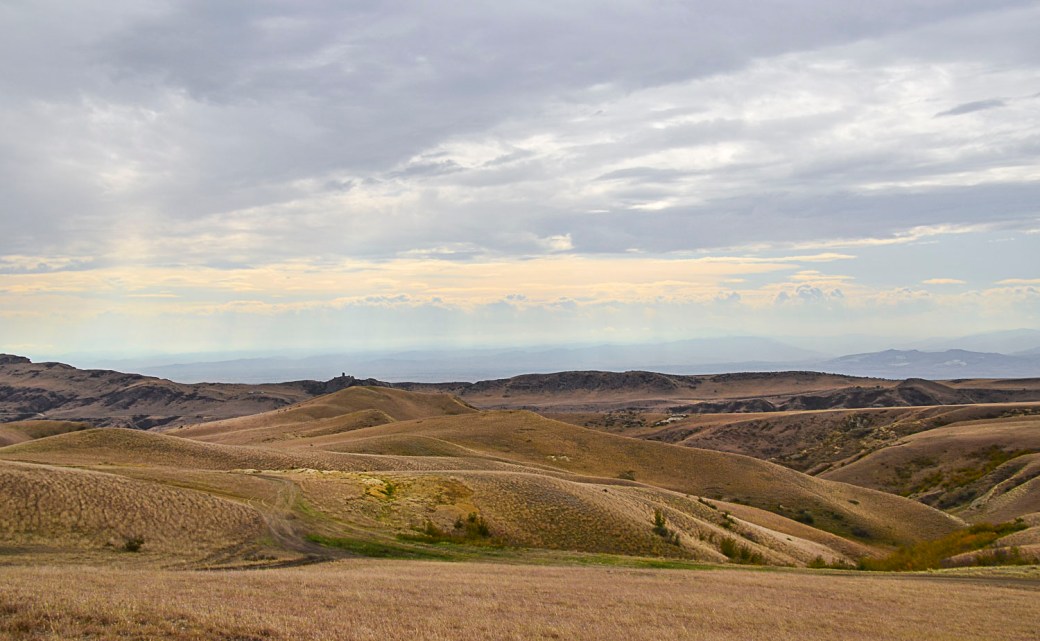
I loved the landscape, the low ridges, the long views and the serenity of the lines. We also saw gigantic areas with olive trees, according to our guide a co-operation with EU. When ready, the olives would be exported for the EU market.
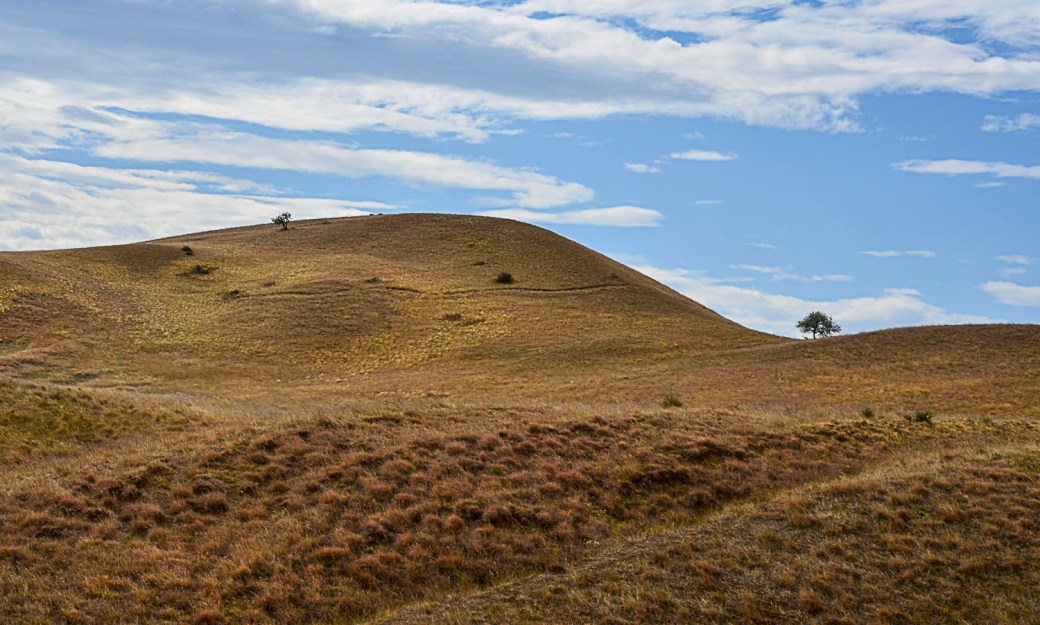
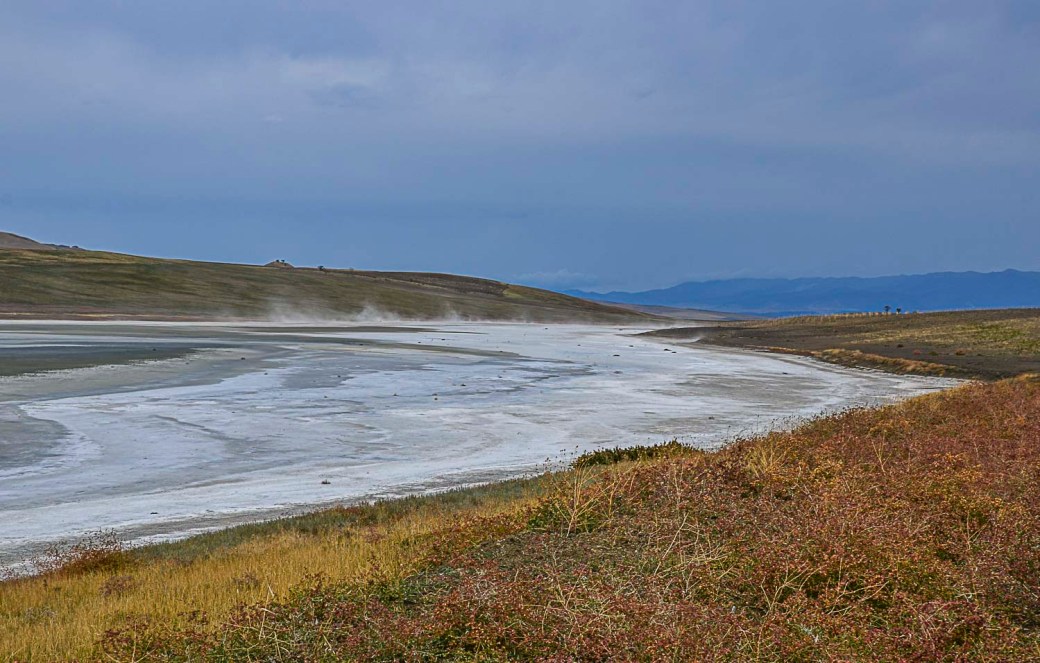
We passed some salt lakes as well. Millions of years ago, the whole area was covered in water, and today these lakes are the only remaining waters to be seen. They have no outflow in this hot and dry area, so what is left is – salt.
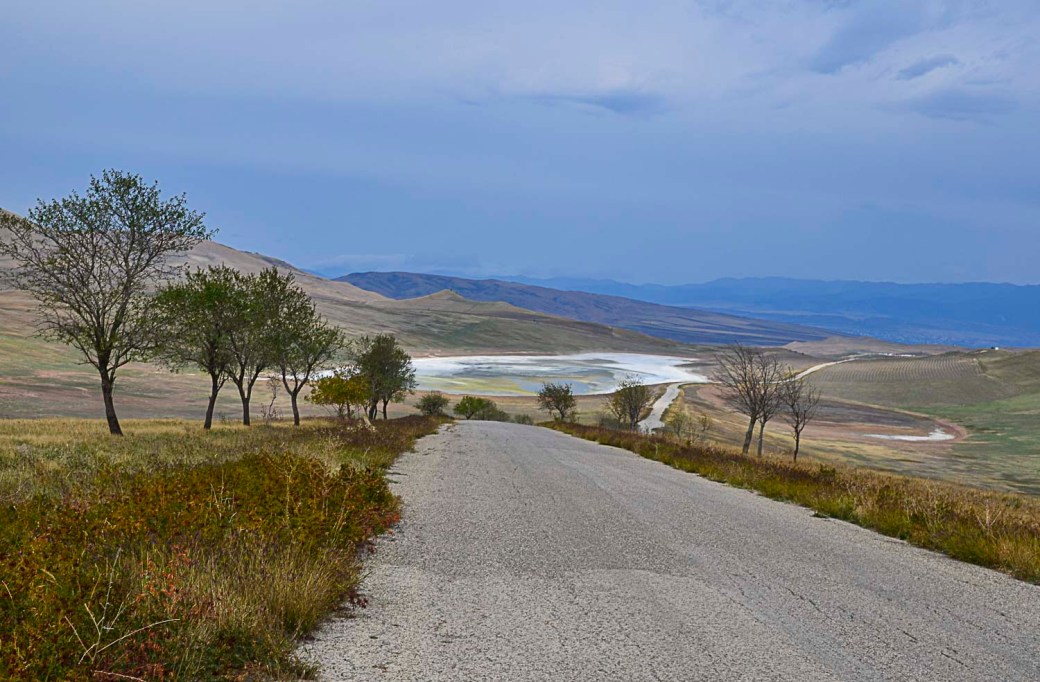
This means that the soil is saturated with salt and difficult to cultivate. Even the ground water here is too salty. In order to use it as drinking water, it has to be filtered. This windy day, salt was flying in the air, and you could feel it on your tongue when speaking.
While driving, our knowledgeable guide told us of The David Gareja monasteries and their long history of wars and vandals, destroying and rebuilding. The Mongolians och Timur Lenk were devastating, but that was nothing to the Persians killing of 6000 monks celebrating Easter in 1615. After the prayer in all 15 monasteries, all monks were locked inside the churches and killed. The rich artworks and other treasures were destroyed or stolen. After this blow, the D G monasteries never came back to their former glory.

Then, what seemed a final blow, came after the violent Bolshevik takeover of Georgia in 1921 – David Gareja was closed down and remained uninhabited. In the years of the Soviet–Afghan War, the monastery’s territory was used as a training ground for the Soviet military, that inflicted damage to the unique cycle of murals in the monastery.

After the restoration of Georgia’s independence in 1991, the monastery life in David Gareja – Lavra – was revived. Today it is the home of 13-30 monks.

We only visited Lavra, and we were not allowed to see how the monks really lived their daily life. But, the guide told us that in one of the higher located caves, the monks had their meals – kneeling at stone tables.

The area is also home to protected animal species and evidence of some of the oldest human habitations in the region.

Part of the complex is located in the Agstafa rayon of Azerbaijan and has become subject to a border dispute between Georgia and Azerbaijan, with ongoing talks since 1991. But as there are strong economic and cultural ties between Azerbaijan and Georgia, they both have peaceful intentions in the determination of borders.
On leaving the monastery, my head was filled with thoughts of how a monk’s life must be out there in the desert. I wonder how young or old they are today, what their cave cells look like and how cold it is there in the long, lonely nights. Questions without answers.

A fact is – that Georgians are, and have always been, a strong people. They have been invaded by so many other powers, countries and people, but every time they have risen again. How they have remained so friendly and good at heart is a true enigma.



Tuesday Photo Challenge – Slope

Tuesday Photo Challenge – Slope

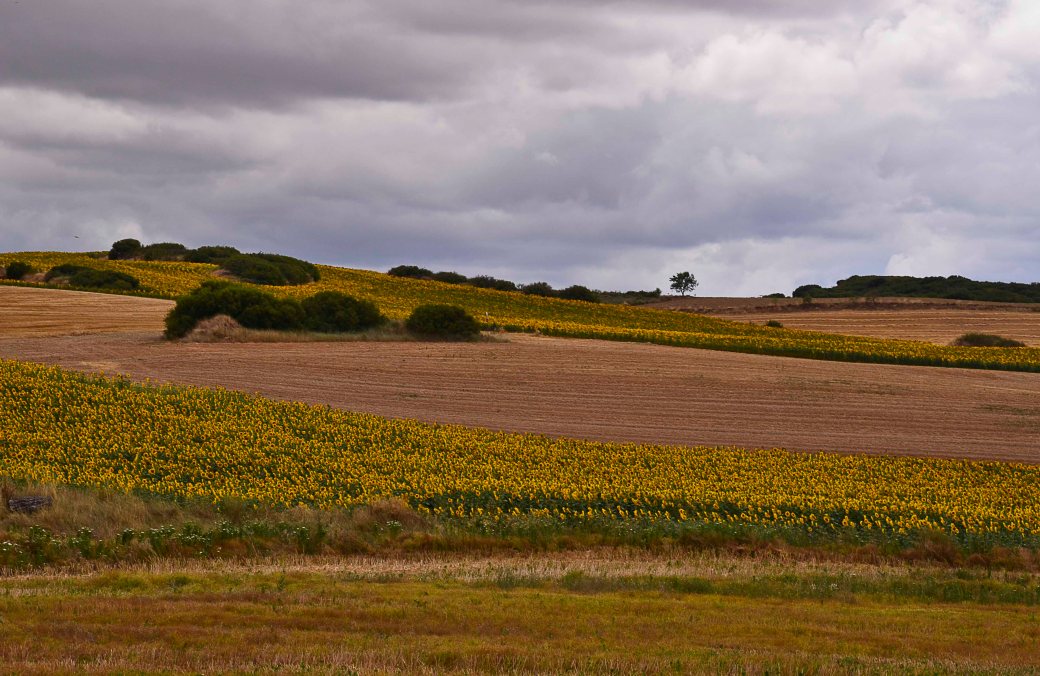
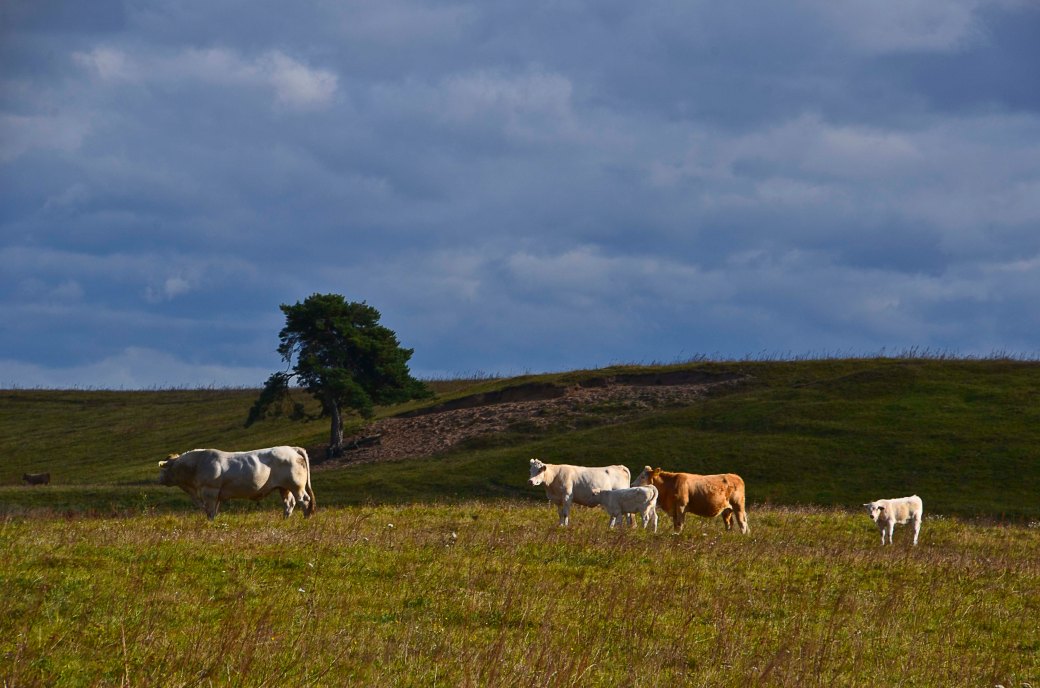
For Frank this week – slopes from Sweden and Spain.

Spanish Sunflower slopes and Swedish Cattle grazing


Lens-Artists Challenge #65 – Pick a Place and Catch its Spirit

Last week Amy challenged us to share images of the countryside and/or a small town. This week Tina is hosting, and she is ”…asking you to look a bit farther afield. Each of us at some point has visited a place that holds special memories. It may have been a small town, a big city, or even better, an entire country.  We’d like you to capture the spirit of a place that is vivid in your memory. What was it that drew you in and why did it capture YOUR heart?”


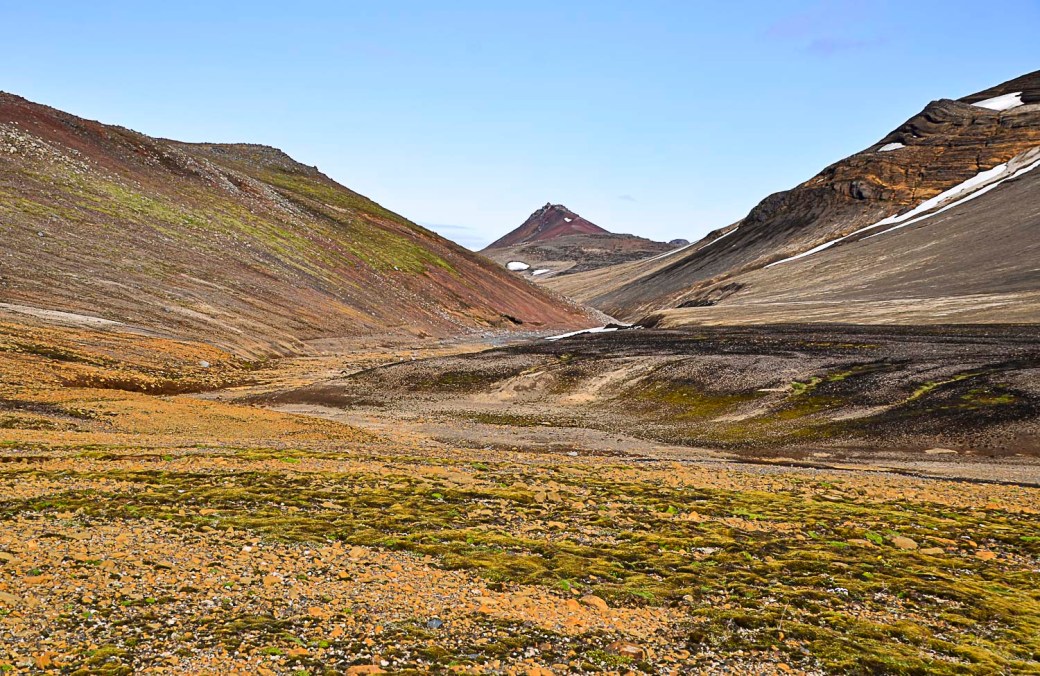
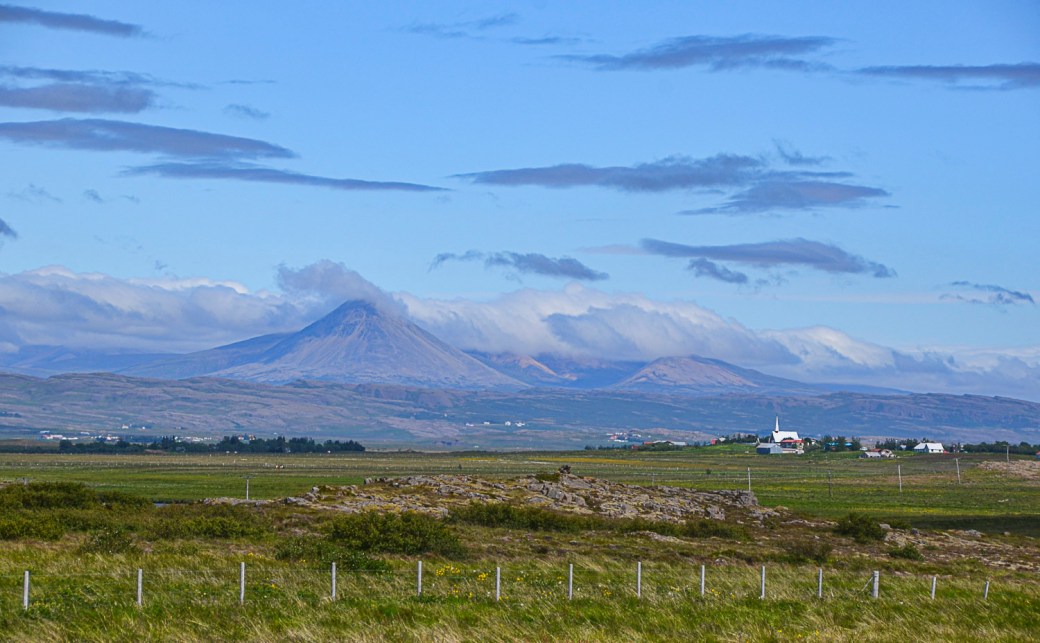
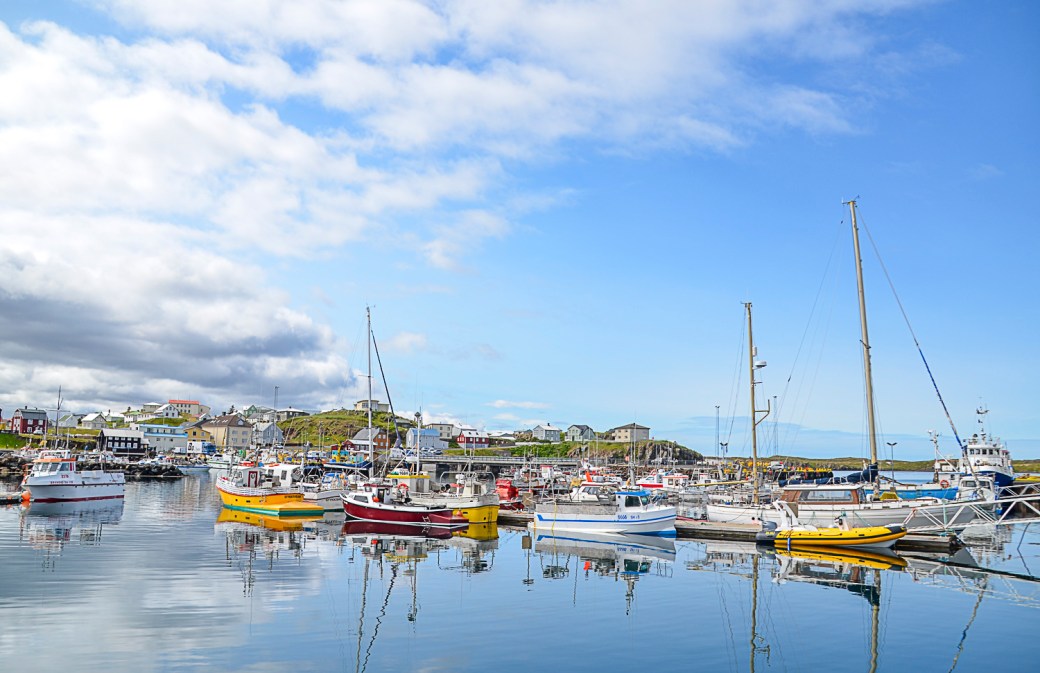
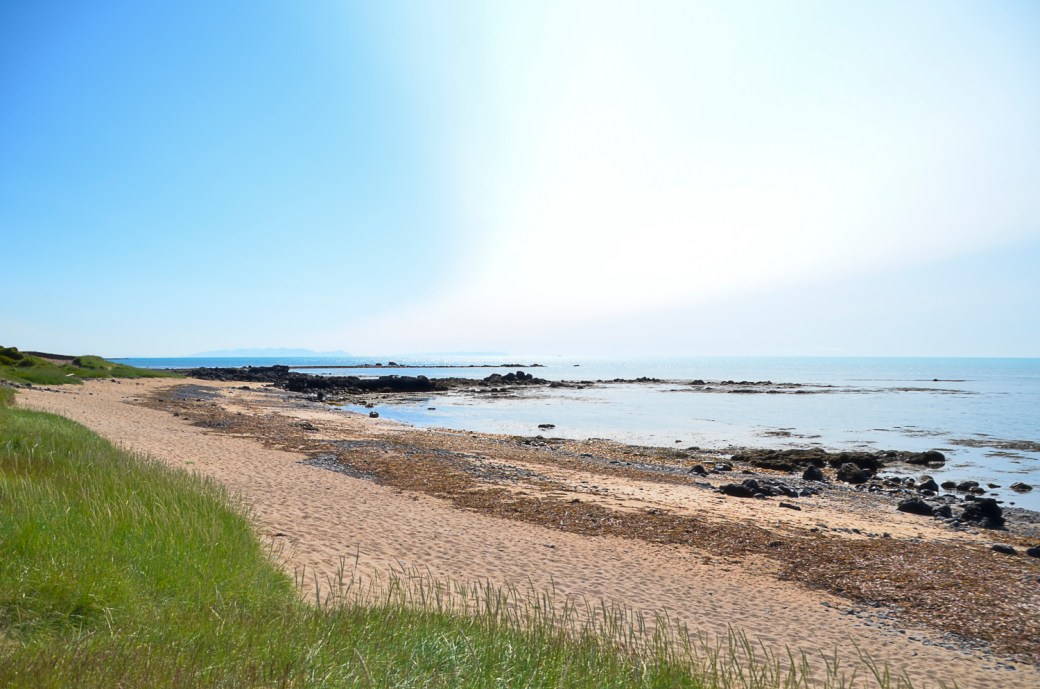
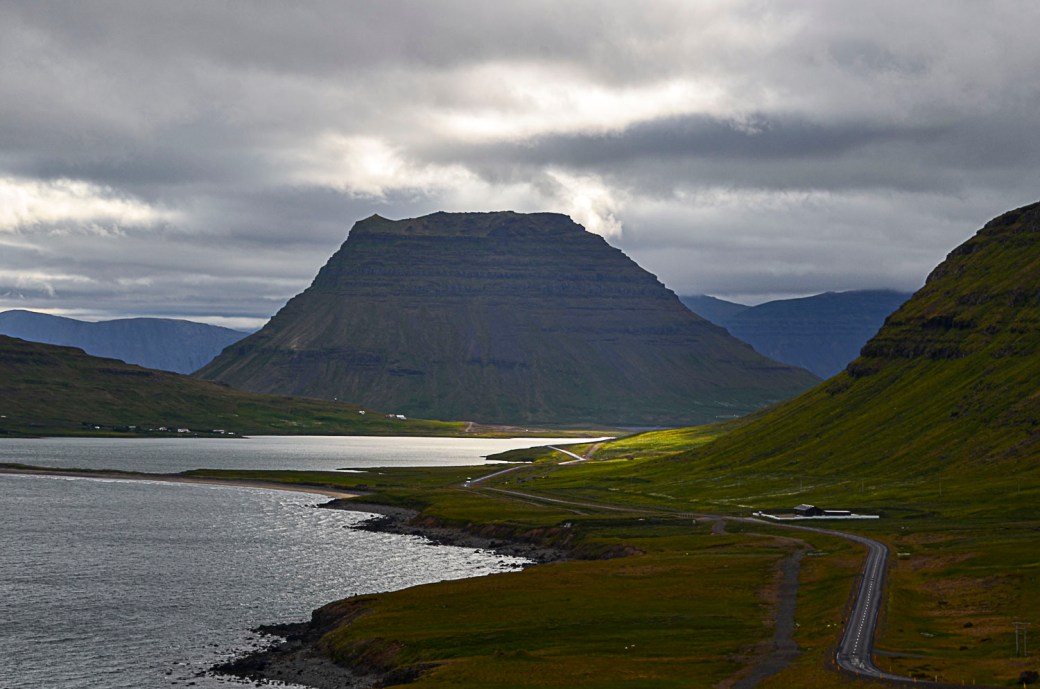
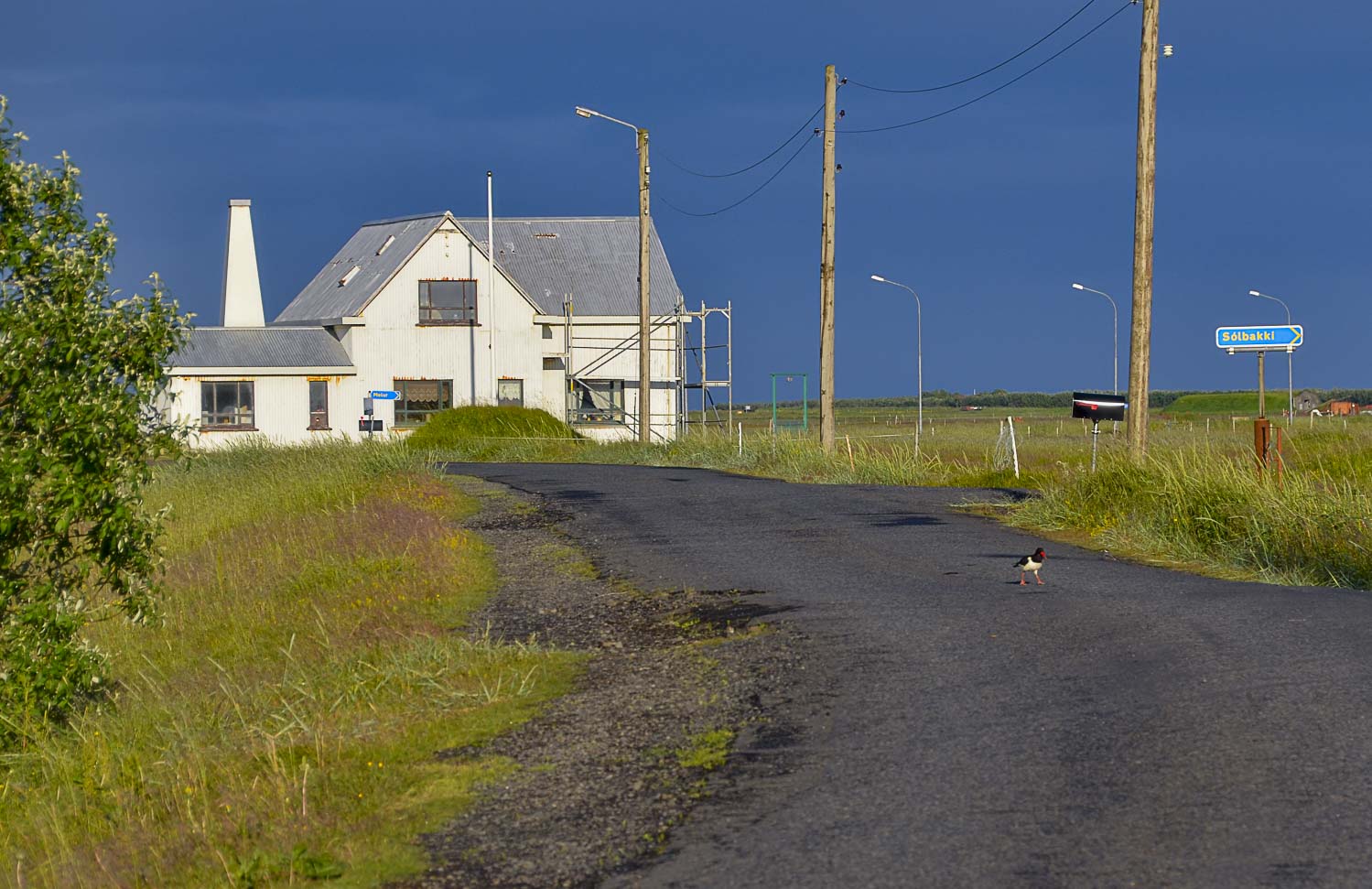
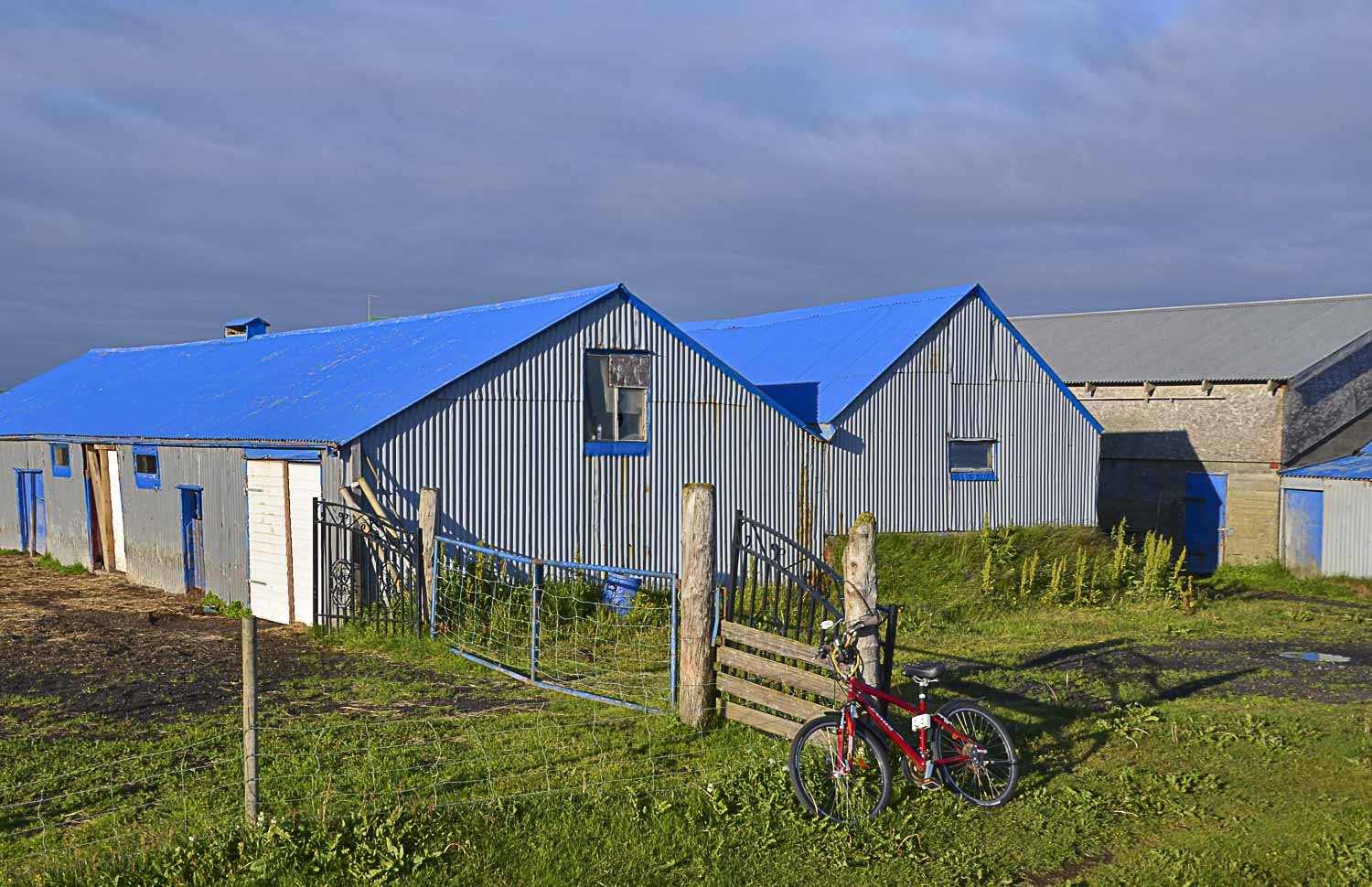
I guess many of you already know where my heart lies – Iceland. I have been returning to this country again and again, for more than 30 years now. There is no end to the fascination. This is my attempt to find out Why.

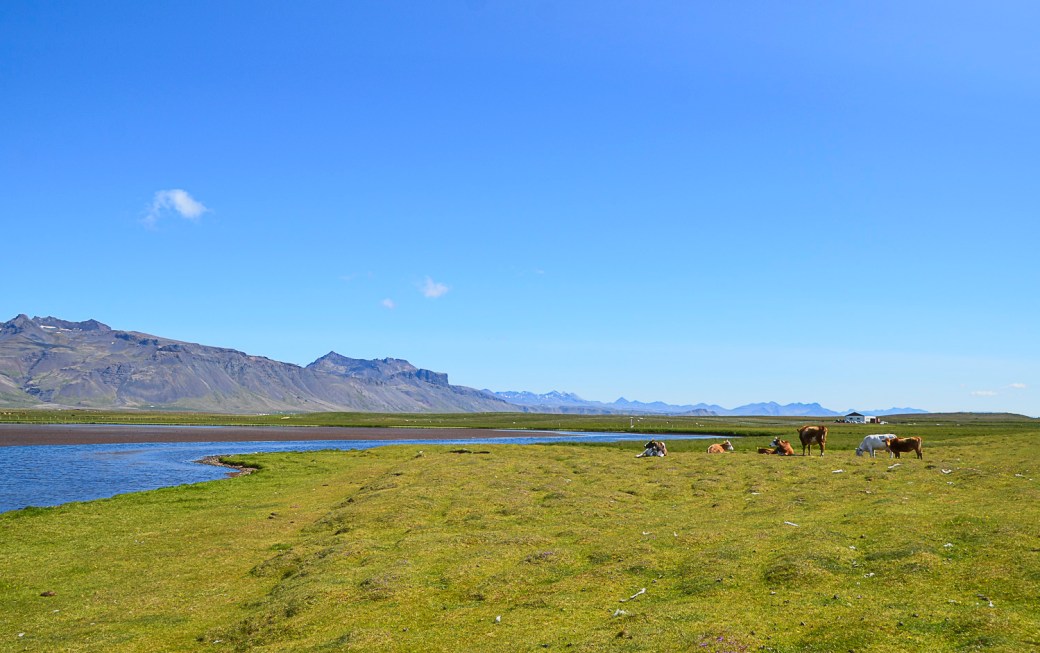
The vast, open landscapes

The mountains and glaciers

The fresh air

The volcanoes and geology

The flora

And maybe most of all – the Light

– morning

– evening

– and night

There is so much more of Iceland to love – horses, waterfalls, lava landscapes, hot springs… and beautiful Reykjavik with Hallgrímskirkja of course.


Hopefully you are all inspired by now – Patti, Tina, Amy and I are looking forward to seeing your special places!


Lens-Artists Photo Challenge #64 – Countryside – That is Where I Belong

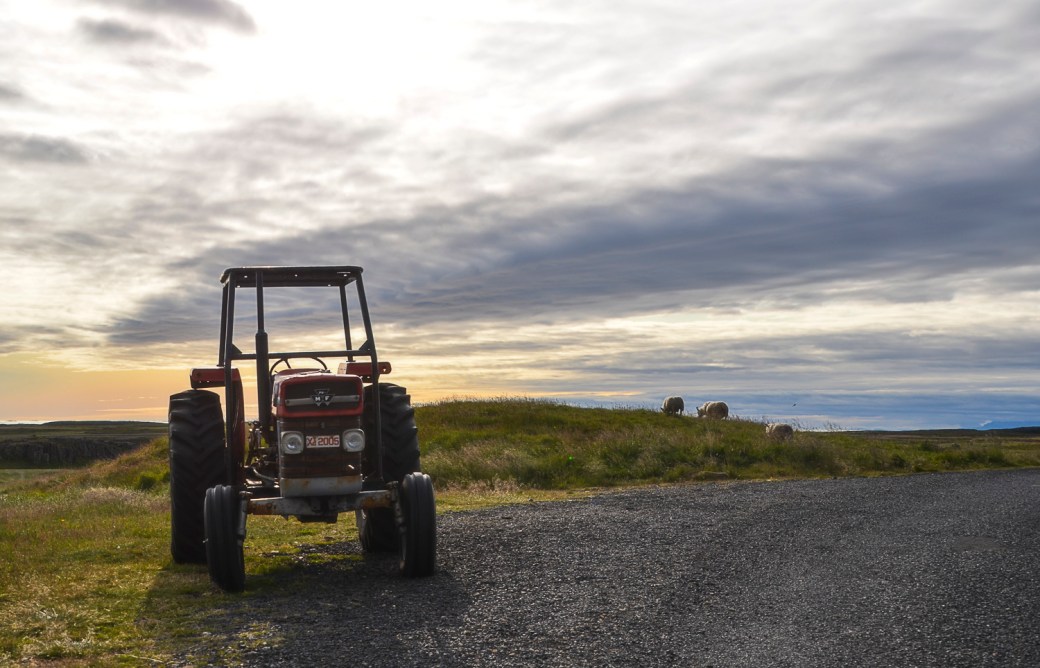
To me, Magical goes well with Countryside – I am a country girl. Even if I love to visit big cities, I know where I belong. This week, Amy is our host, and as I often post about my own countryside, you will get some pieces of Icelandic countryside instead. Iceland is a bit more harsh and rough, and we remember – once Iceland was only for the tough guys.

I consider it the best part of an education to have been born and brought up in the country. – Amos Bronson Alcott

The country is lyric, the town dramatic. When mingled, they make the perfect musical drama. – Henry Wadsworth Longfellow
I long for the countryside. That’s where I get my calm and tranquility – from being able to come and find a spot of green. – Emilia Clarke

I really feel that my body craves to be in the mountains or by the ocean or in the countryside. – Miranda Kerr

I lived in solitude in the country and noticed how the monotony of a quiet life stimulates the creative mind. – Albert Einstein

The country life is to be preferred, for there we see the works of God, but in cities little else but the works of men. And the one makes a better subject for contemplation than the other. – William Penn

Thank you for all your Magical posts last week – they made every day into pure Magic!


Thursday Thoughts – Hidden Hot Spring

Hunting hot springs in Autumn would have been great – but left them in Iceland. In Sweden it is getting colder now, and there is no more bathing in the sea…so, back to Iceland memories!

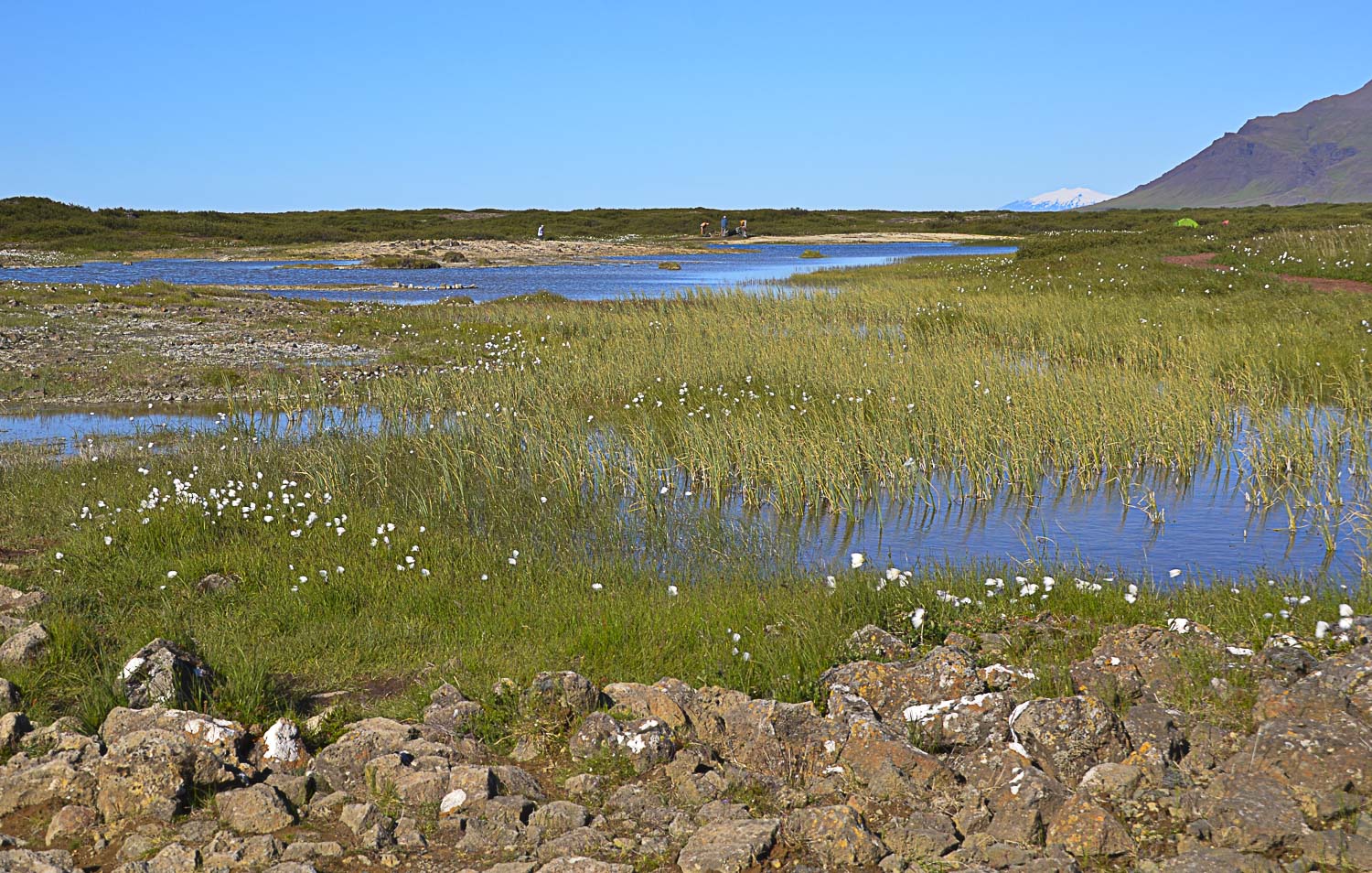
We had read about a very little hot pool, hidden in Landbrotalaug not far from the volcano Eldborg on the south coast of the Snaefellsnes peninsula. We decided to go for it.
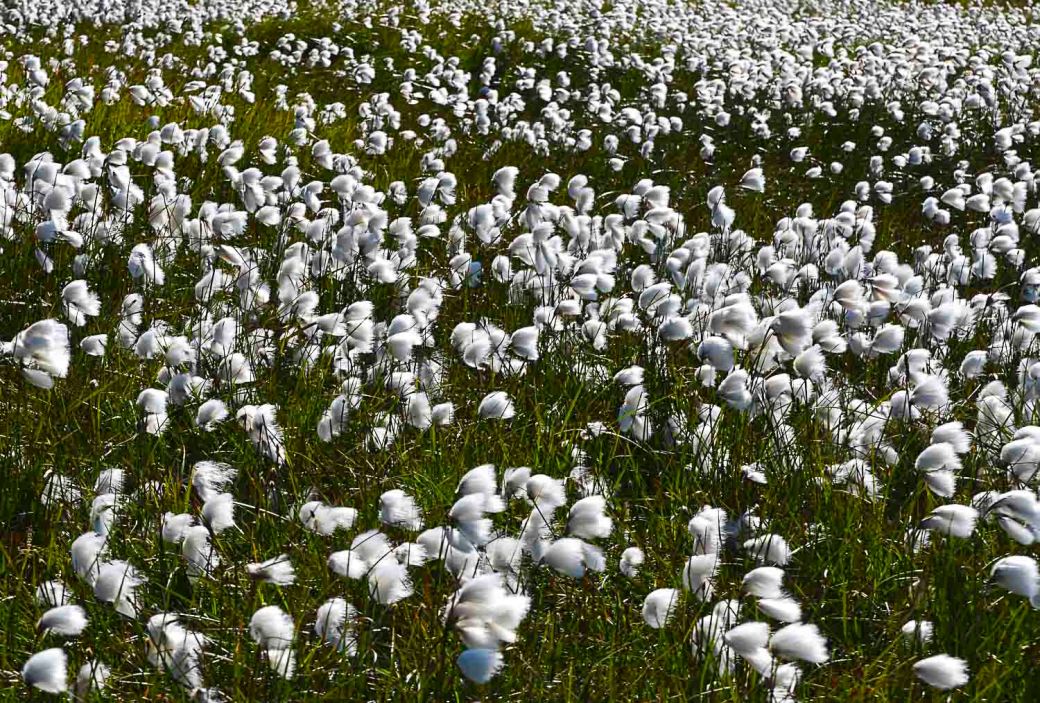
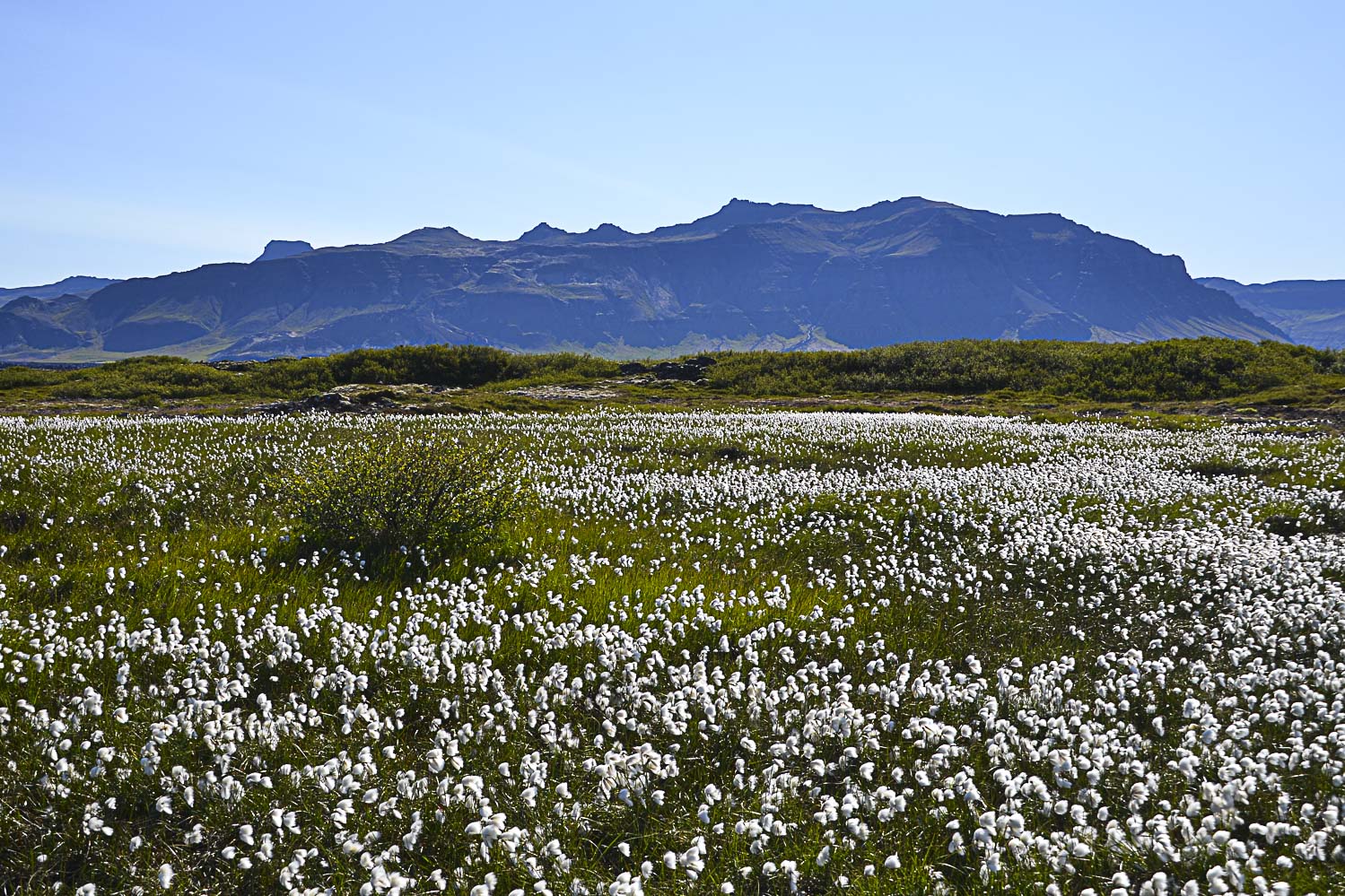
The weather was splendid and the beautiful white cottongrass grew here abundantly…

Just when we thought we were lost, the hot water tap finally revealed the place.

With Snaefellsnes in the fond, we spotted the little pool – right out in the wild landscape. Two tents and a couple of people were there already. The bath can only take 1-2 persons at a time, so, Patience – and you will be greatly rewarded!

Wish I were there again!

Tuesday Photo Challenge – Fall

Tuesday Photo Challenge – Fall

For Frank this week – my pick is an iconic mountain in Iceland, Kirkjufell. At Kirkjufellfossar we were greeted with rain, but still a neverending stream of tourists who wanted their own copy of this spectacular place. Somehow I am rather happy with the rain falling, and with the ”fallen” icon. Of course I knew I would never get one of those magical shots of this mountain and the ”Church Falls” – I just wanted my own copy, like any other tourist.

I hope you enjoy the Falls too – at least they look totally different from all the glamorous magazines I have seen!