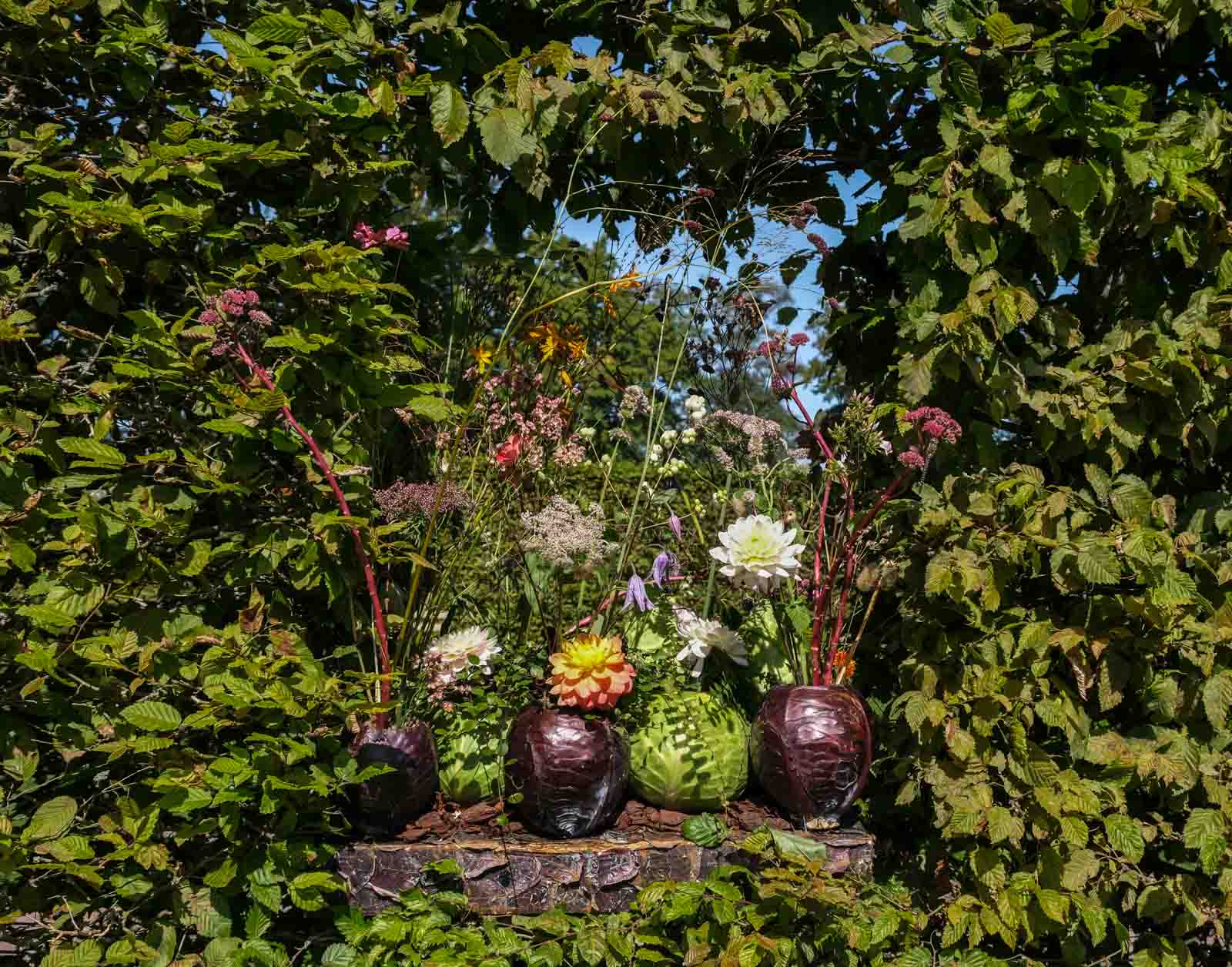
Wordless Wednesday – Windows

The Garden was founded through a donation in 1791 by the historian and antiquarian Bengt Bergius and his brother Peter Jonas Bergius, a physician and scientist, for the Royal Swedish Academy of Sciences.

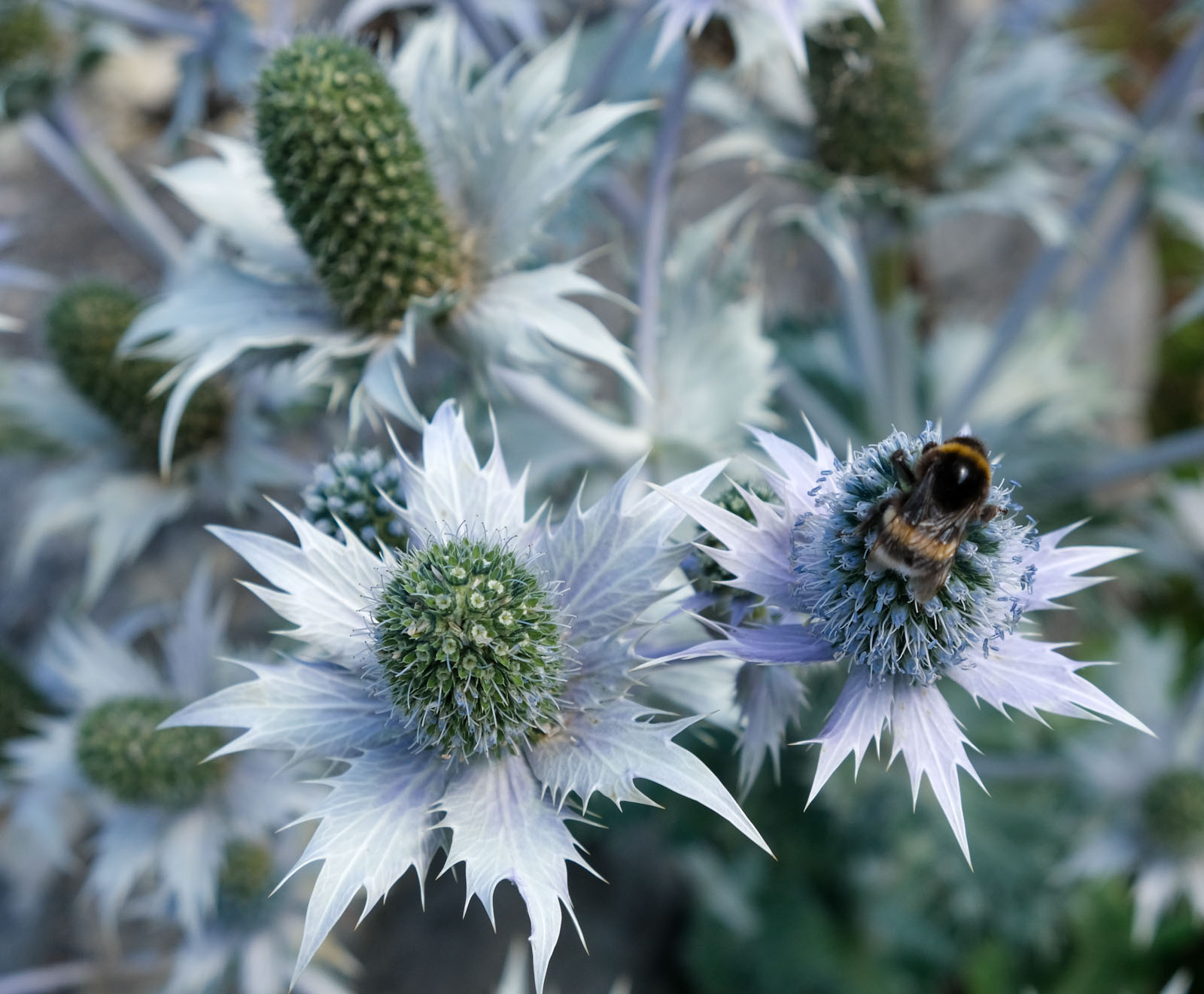
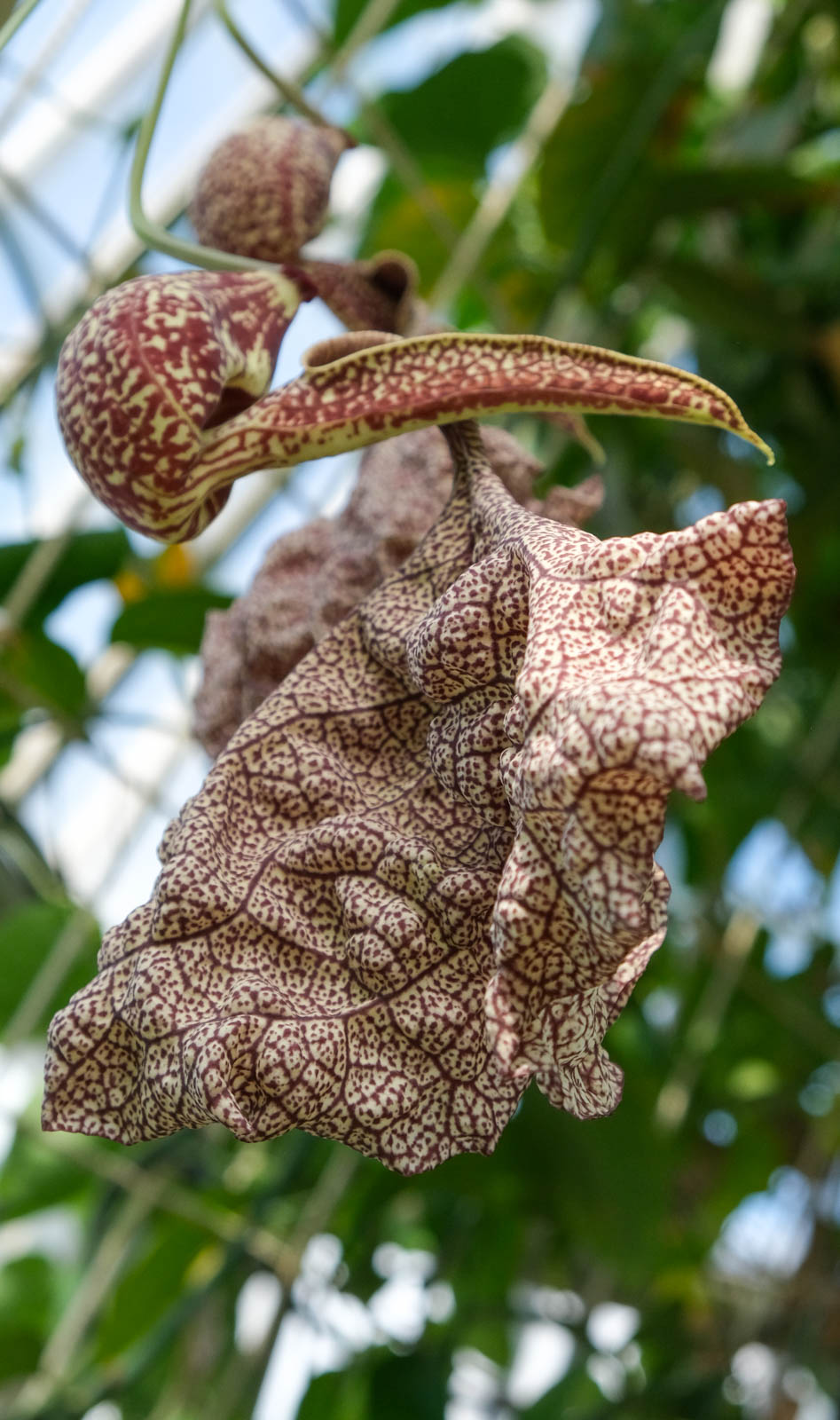


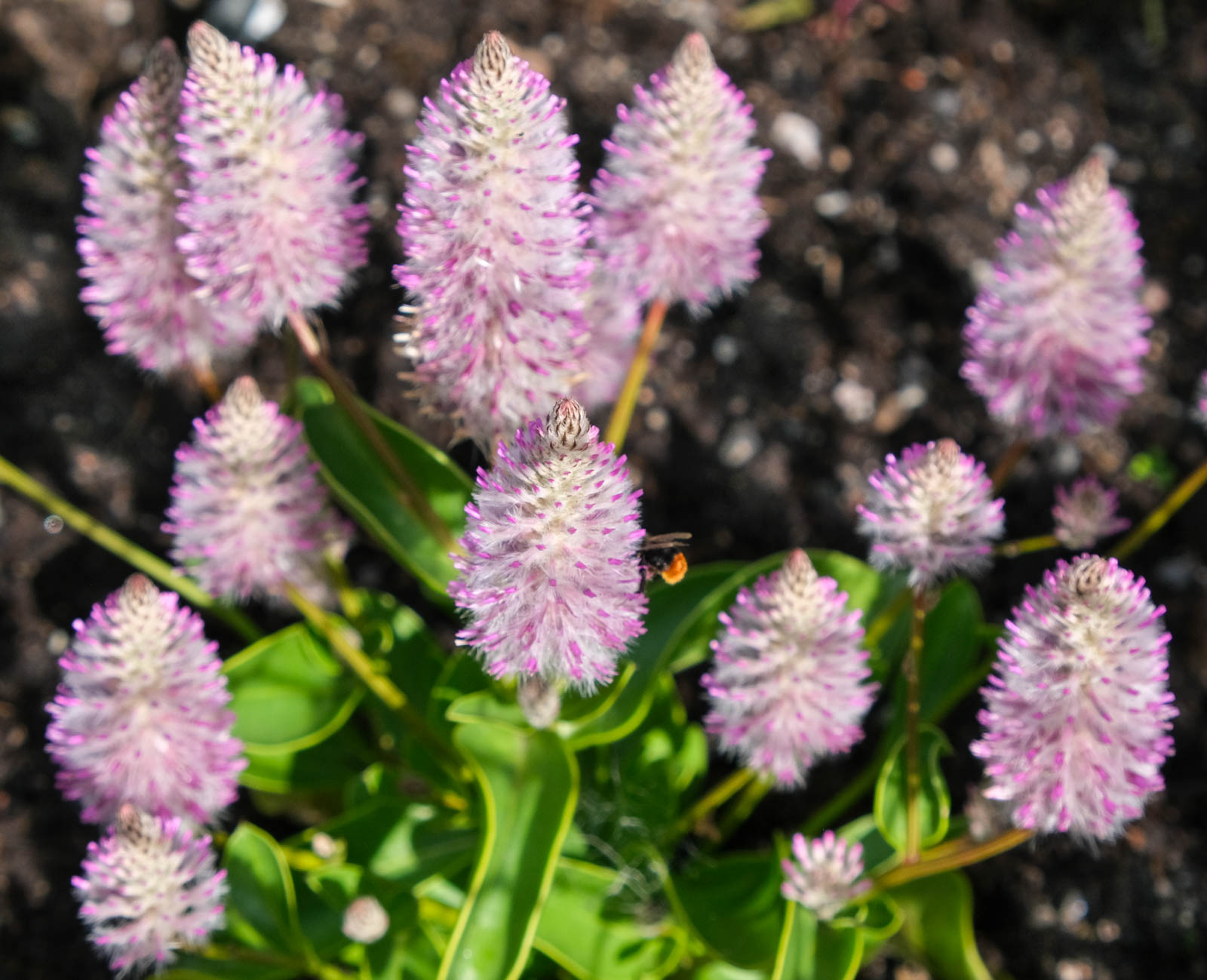
Strolling along the well kept paths and exploring the glass house was a great pleasure.


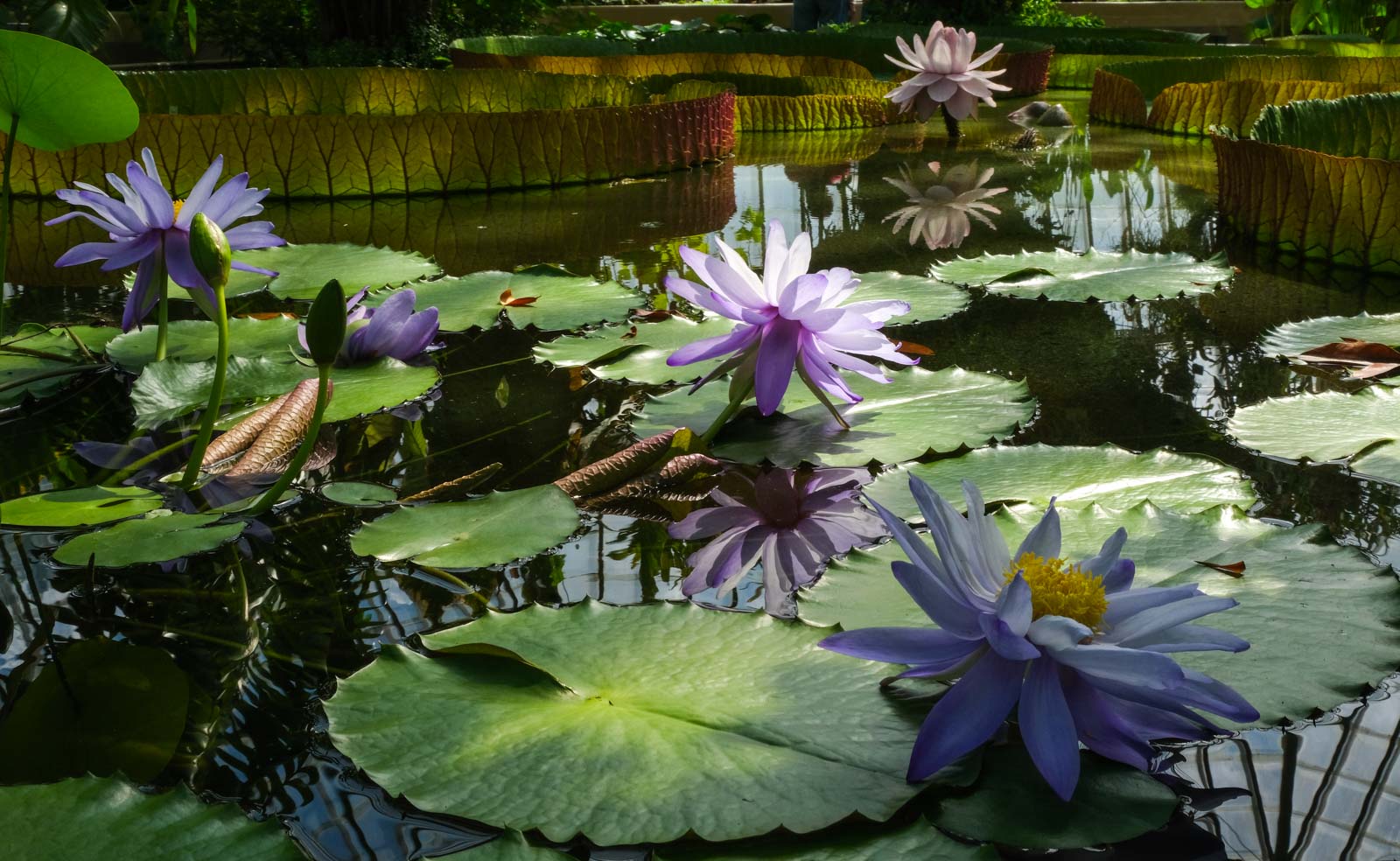
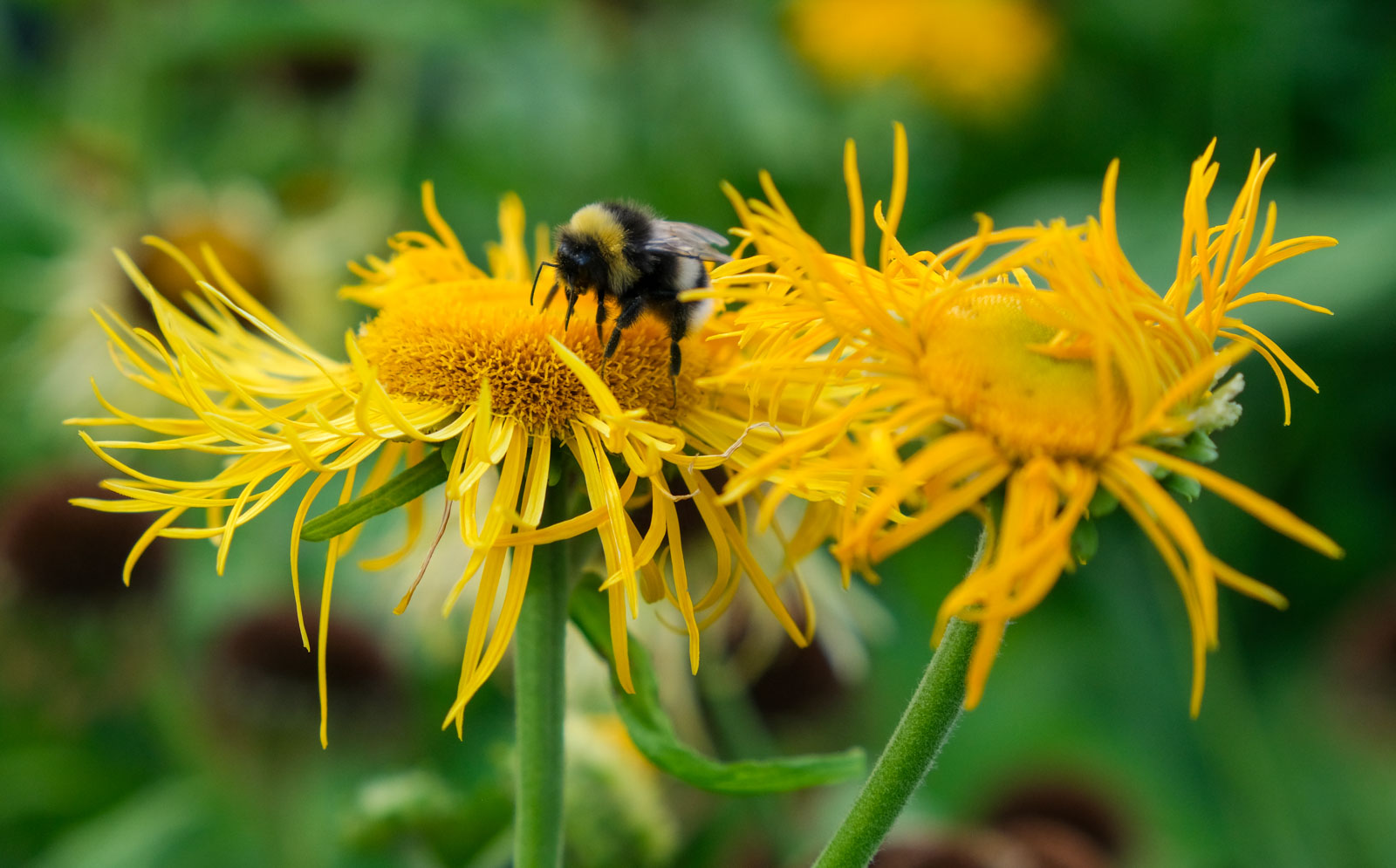
It was a perfect finish for our Stockholm visit this time. I wish I could have one of those gigantic lily pads in my garden…

These four – two girls and two boys…were my teenage idols. So, when in Stockholm we had to visit the ABBA museum.

I don’t think they need any further presentation…

Of course the fanatic fans get their oxygen from here, but we ordinary admirers found it both interesting and fun. This is only a very small piece of what the museum has on display.





Their usual brand was also imprinted in the museum – well organized to the tiniest item.
And lastly, click the link to see their avatars in concert in London. We don’t plan to go, but we never say never…

The Royal Library is Sweden’s national library and it opened in 1661. Besides being just that, a library, the RL is tasked with preserving and storing everything that is published in Sweden, whether it’s a school book, fashion magazine, a DVD movie, or a news bulletin broadcast on the radio. Its vast collection includes well over 18 million items, of which the oldest are over a thousand years old. The RL has been housed in its current location, in the middle of Humlegården park, since 1877.
We seldom visit Stockholm, but now so many years had passed, that we felt it necessary to go in order to keep up with the city’s changes. And, of course the National Library was on our list.

In fact I had never been to the National Library, so I was very excited to finally go. And even if I have been to more beautiful libraries, this one was serene looking and strict in its design.
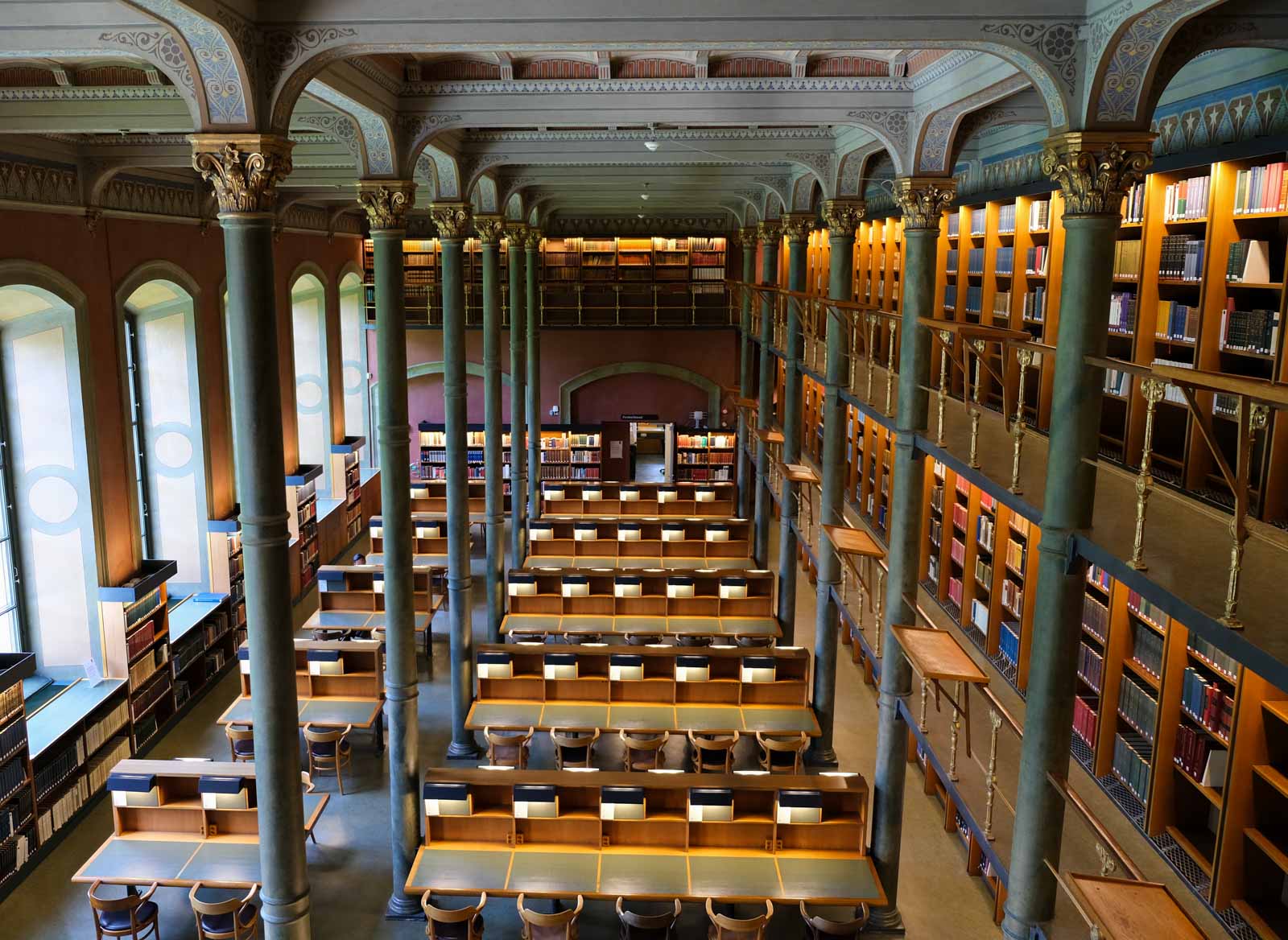


The reading hall was spacious and bright, just the way I love reading halls to be, and the scientists’ reading hall had a lower ceiling and more comfortable chairs (of course). They were both inviting.

Walking down to the basement we were in for a surprise …none of us had ever heard of this…As we walked down the last stairs, we were even more excited. Codex Gigas, or the Devil’s Bible, was waiting for us.

Not great that it was taken in a war, but those were the days when such things happened in wars. (In fact, they still seem to do so…) If there are grades in Hell, maybe it was better to take it than to burn it. Anyway, we greatly enjoyed seeing this gigantic Bible and reading about it. It is an impressive book where each page measures 89cmx49cm, and the total amount of parchment leaves are 310. It weighs almost 75 kilos.
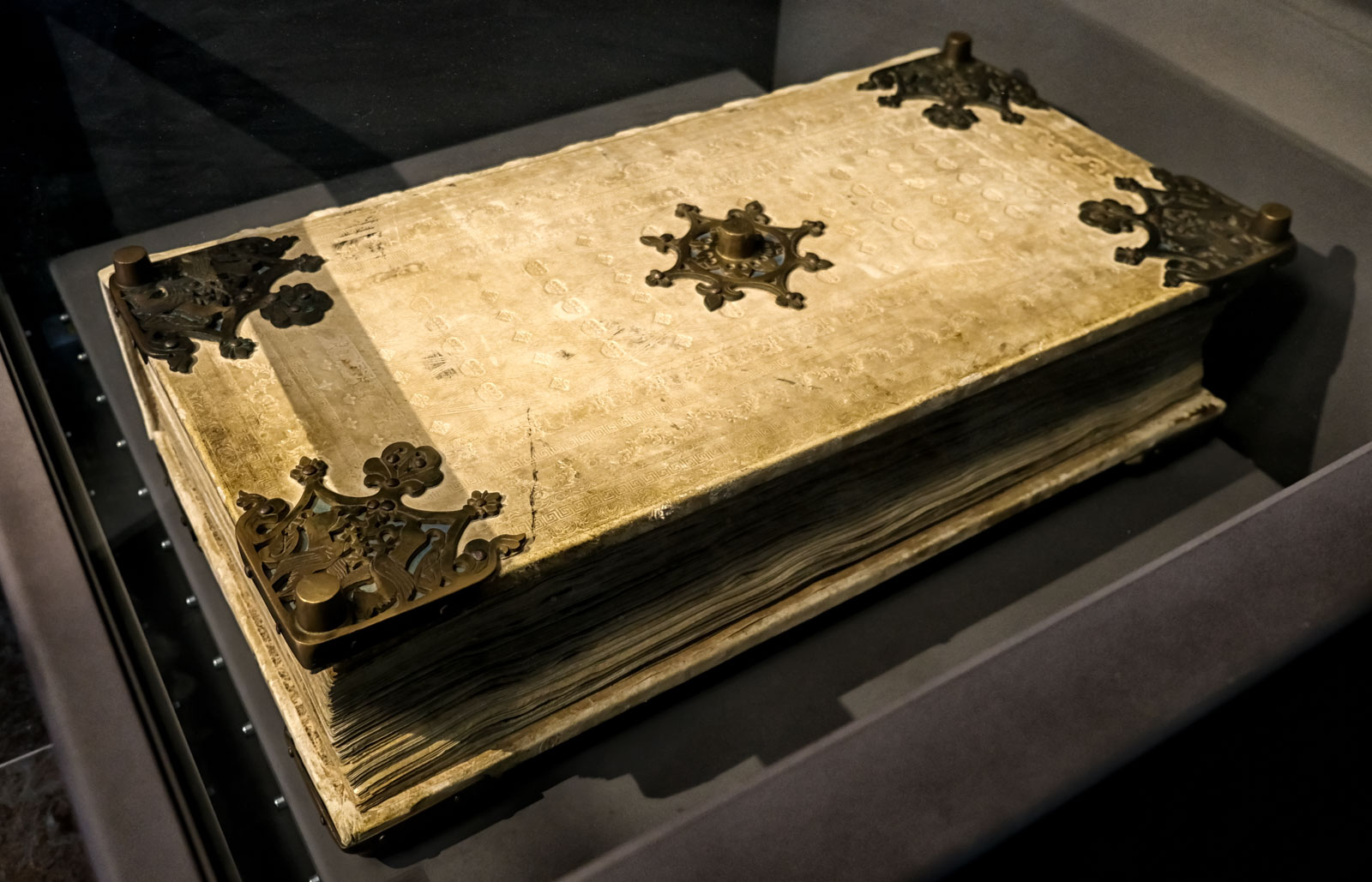

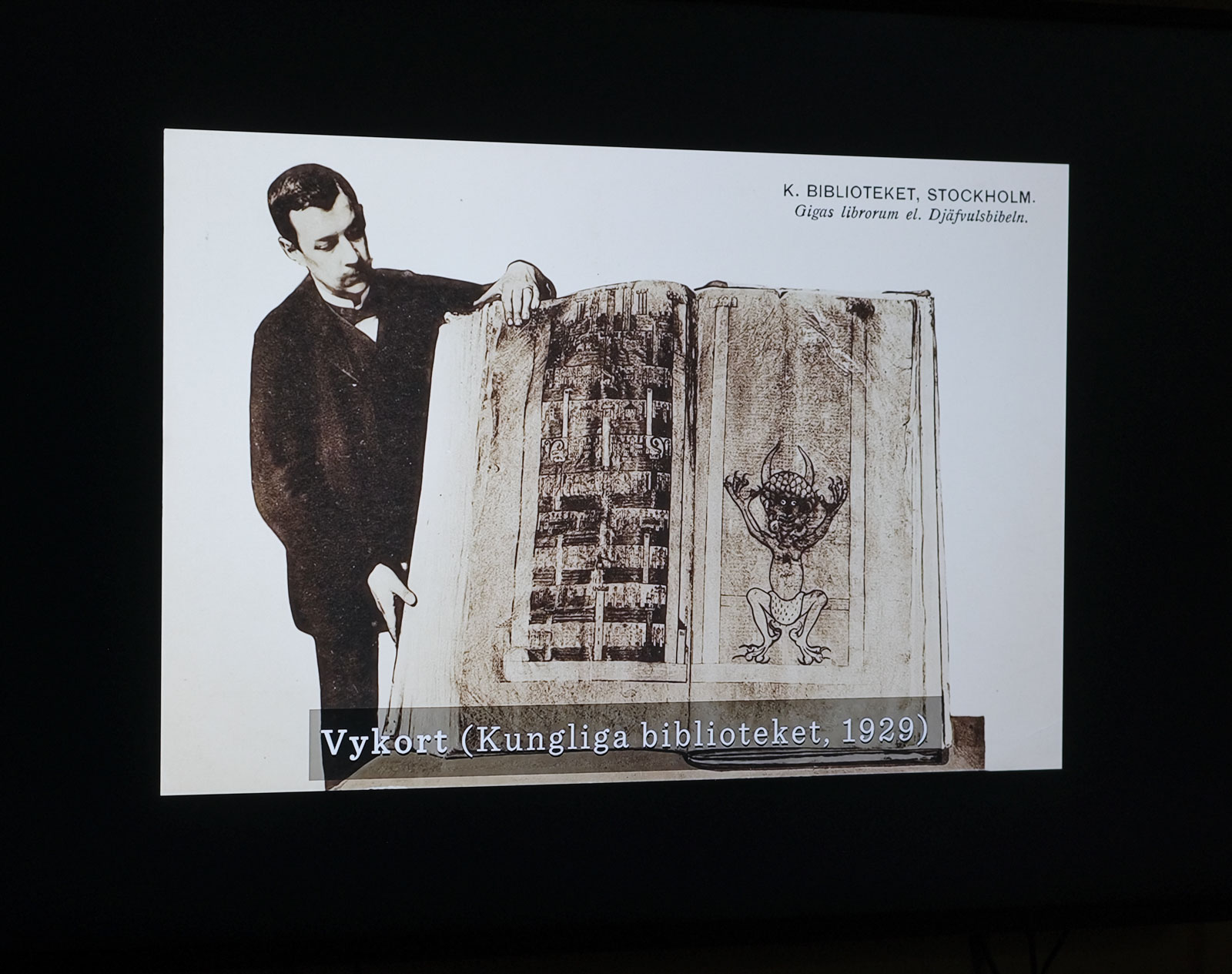
Interesting too is that this Bible contains not only the Holy Bible, but also other popular works, like medical works and an Encyclopedia. They were all written in Latin. Fascinating. Click the link on Codex Gigas above if you want to read more about it.


The city on the water – Stockholm – founded by Birger Jarl in the 13th century.

Busy, yet calm.


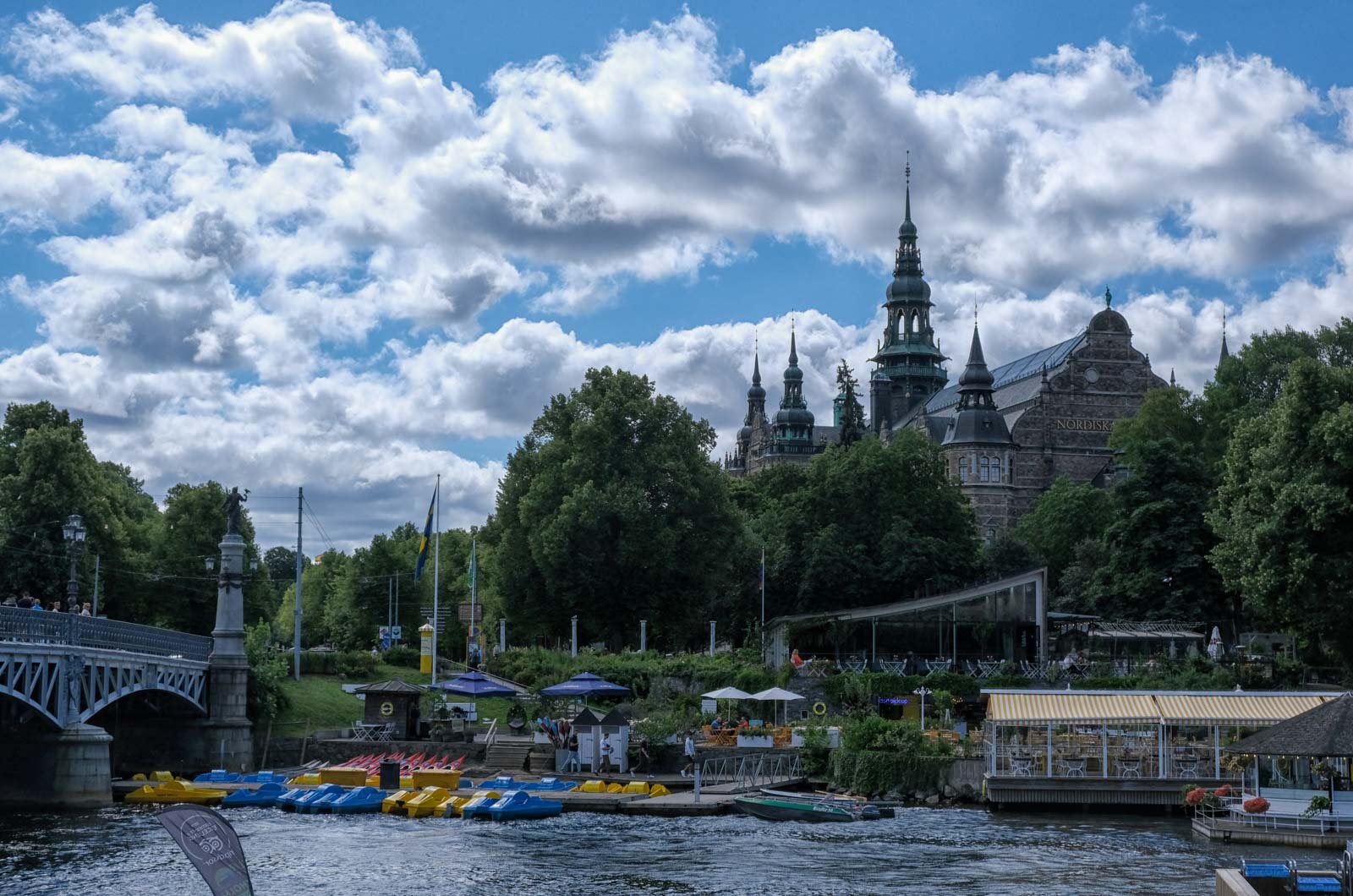
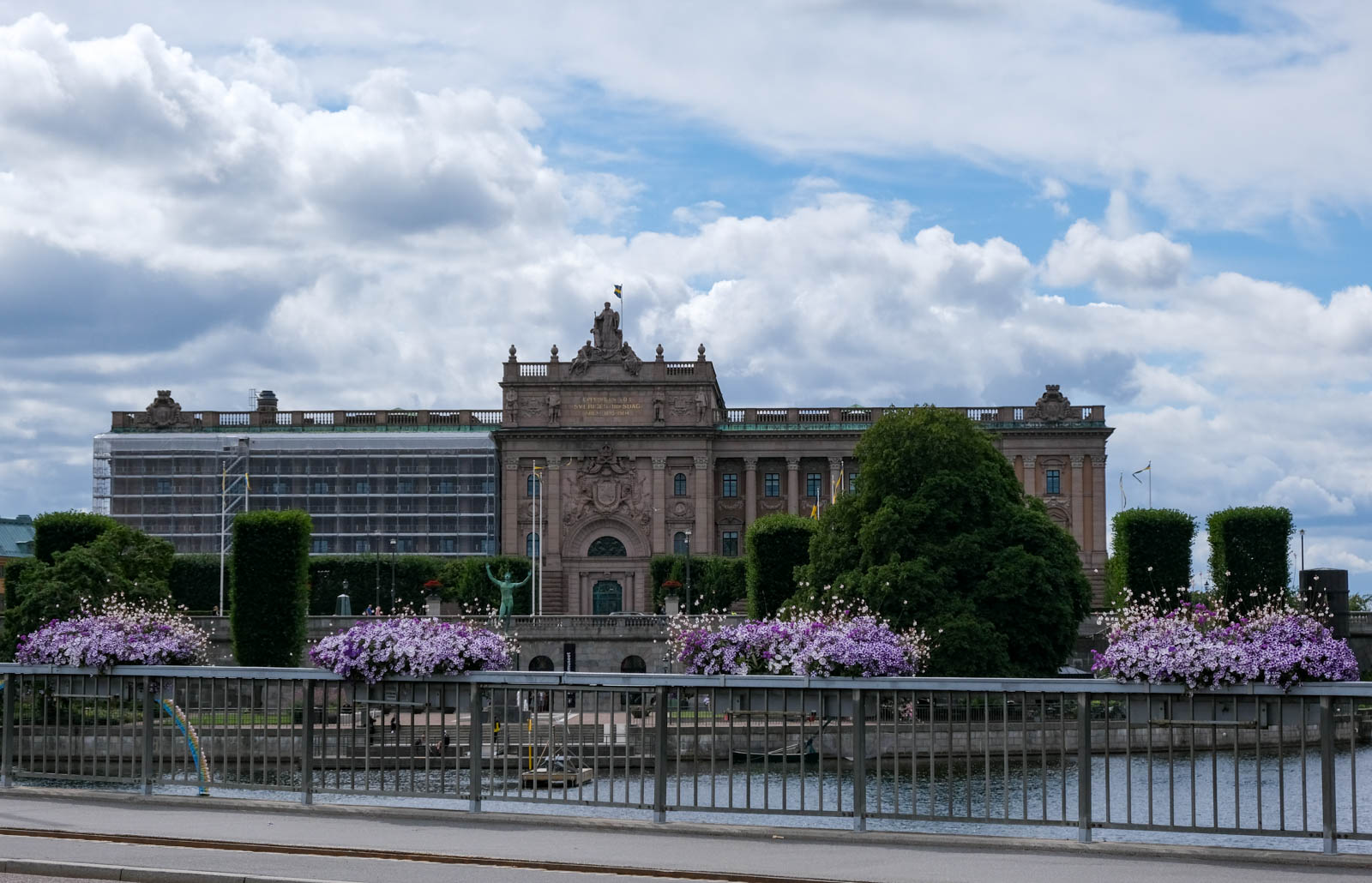


A gallery of what Stockholm is to me!
We welcome Dan as our host this week, and the Lens-Artists Photo Challenge this time is to capture moments that break the boundaries of our everyday life.
Today I have chosen to write about a Swedish prince who broke free from his life as a royal and from the conventions and norms he was expected to follow. To feel Unbound. I hope this twist is OK with you, Dan!

Prince Eugen of Sweden was the son of King Oscar II and Sophia of Nassau.
Showing early artistic promise, he studied in Paris, and went on to become one of Sweden’s most prominent landscape painters.


We visited his home in Stockholm, at the beautiful Waldemarsudde.
After finishing high school, Prince Eugen studied art history at Uppsala University. He did not make the decision to pursue a career in painting easily, not least because of his royal status.
Prince Eugen was very open-minded and never married, in an era when royal princes almost always found princesses to wed. His homosexual orientation was unknown to the general public.

In this gallery, we see the prince painting, and next to him another famous Swedish painter, Carl Larsson. His home Waldemarsudde, and pieces from his collections. The last painting was my favourite of his own paintings, The Blue Villa.

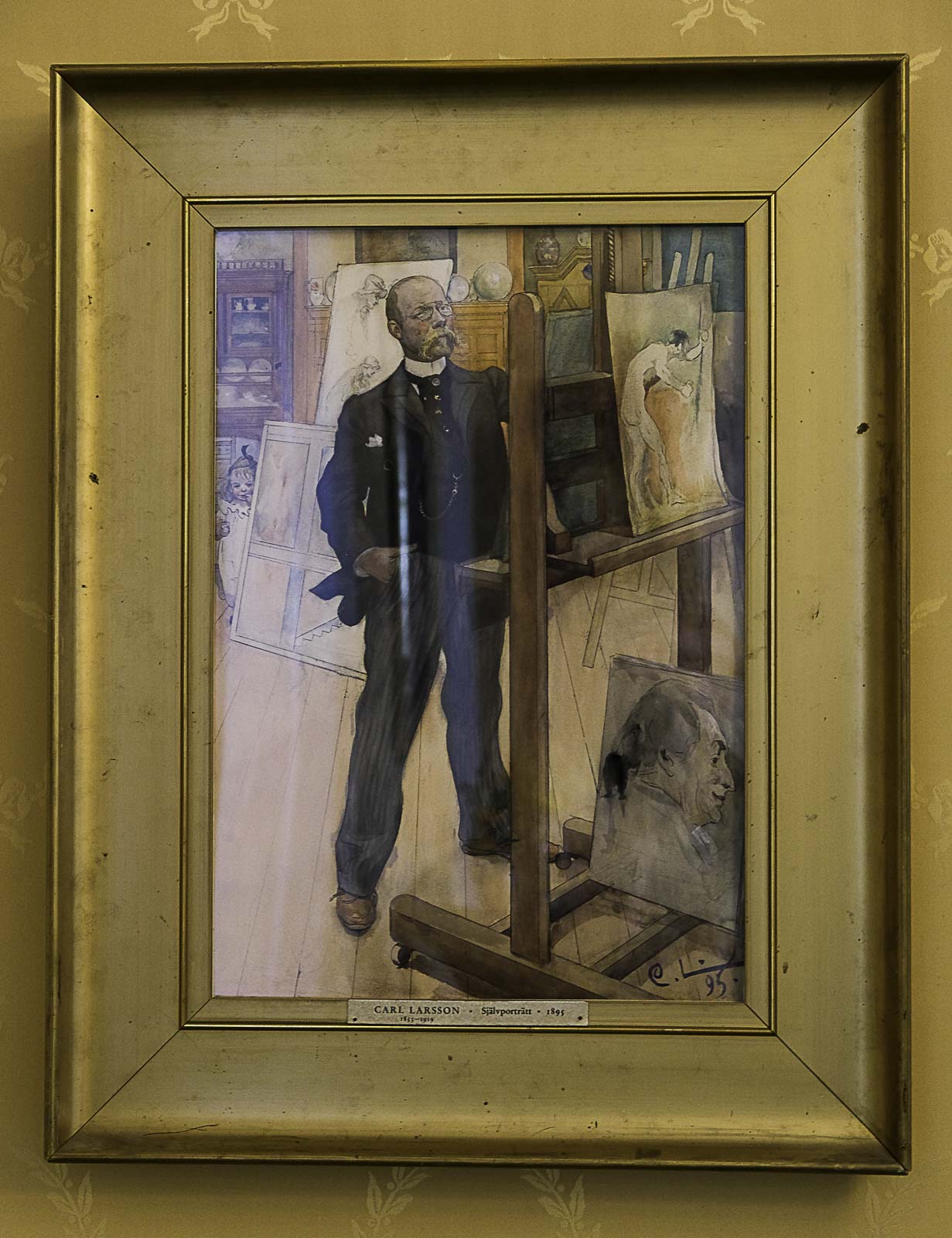
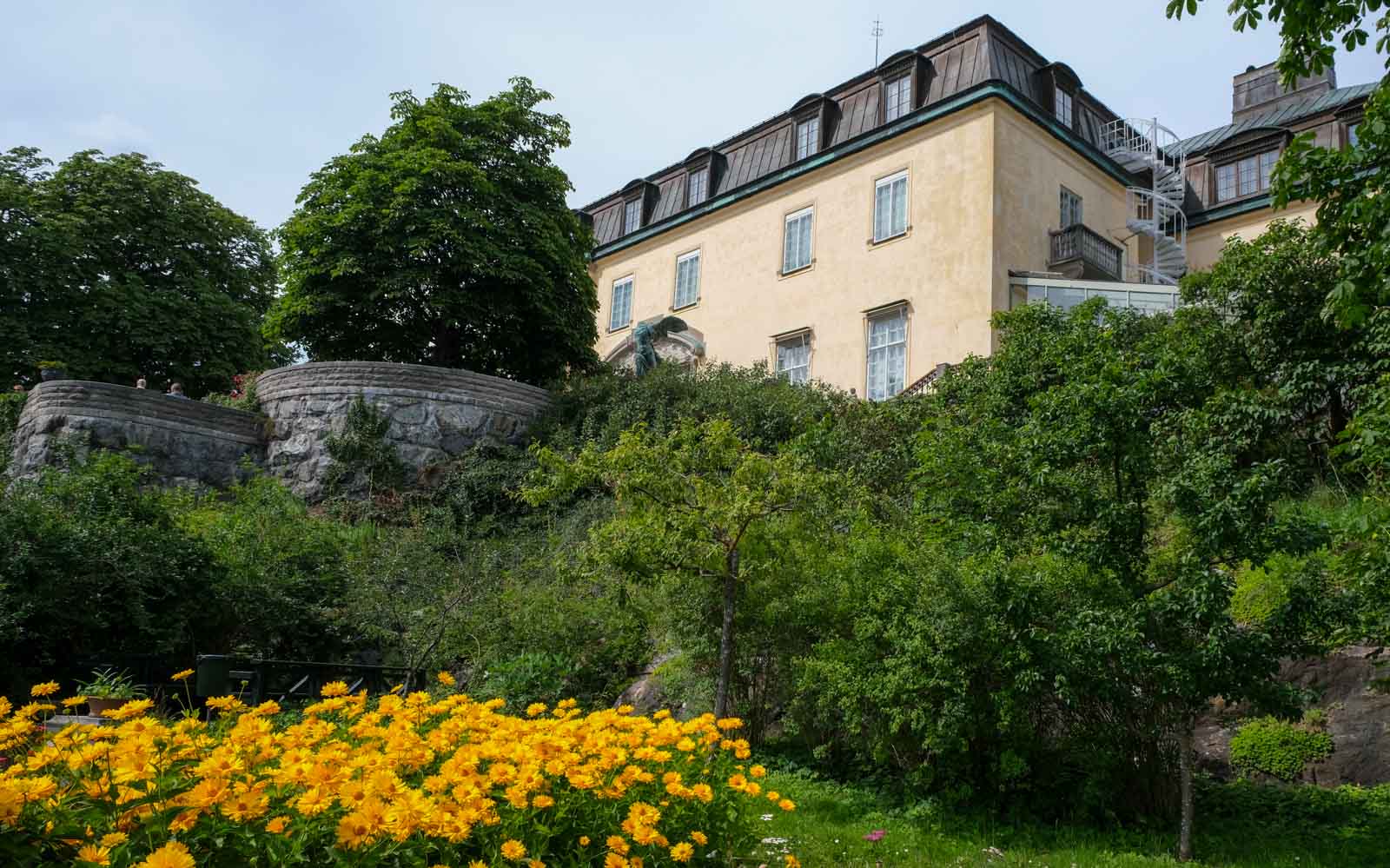
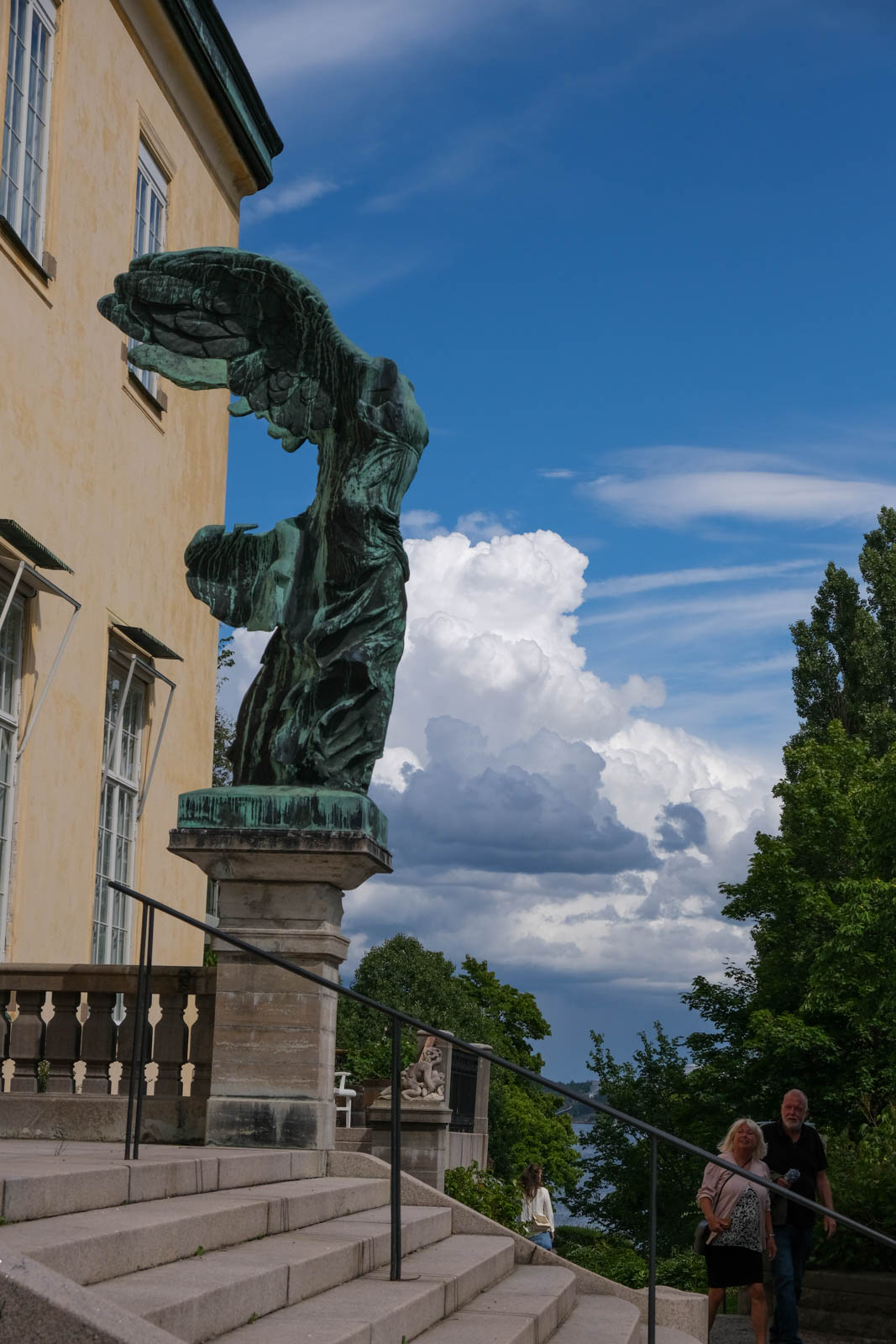

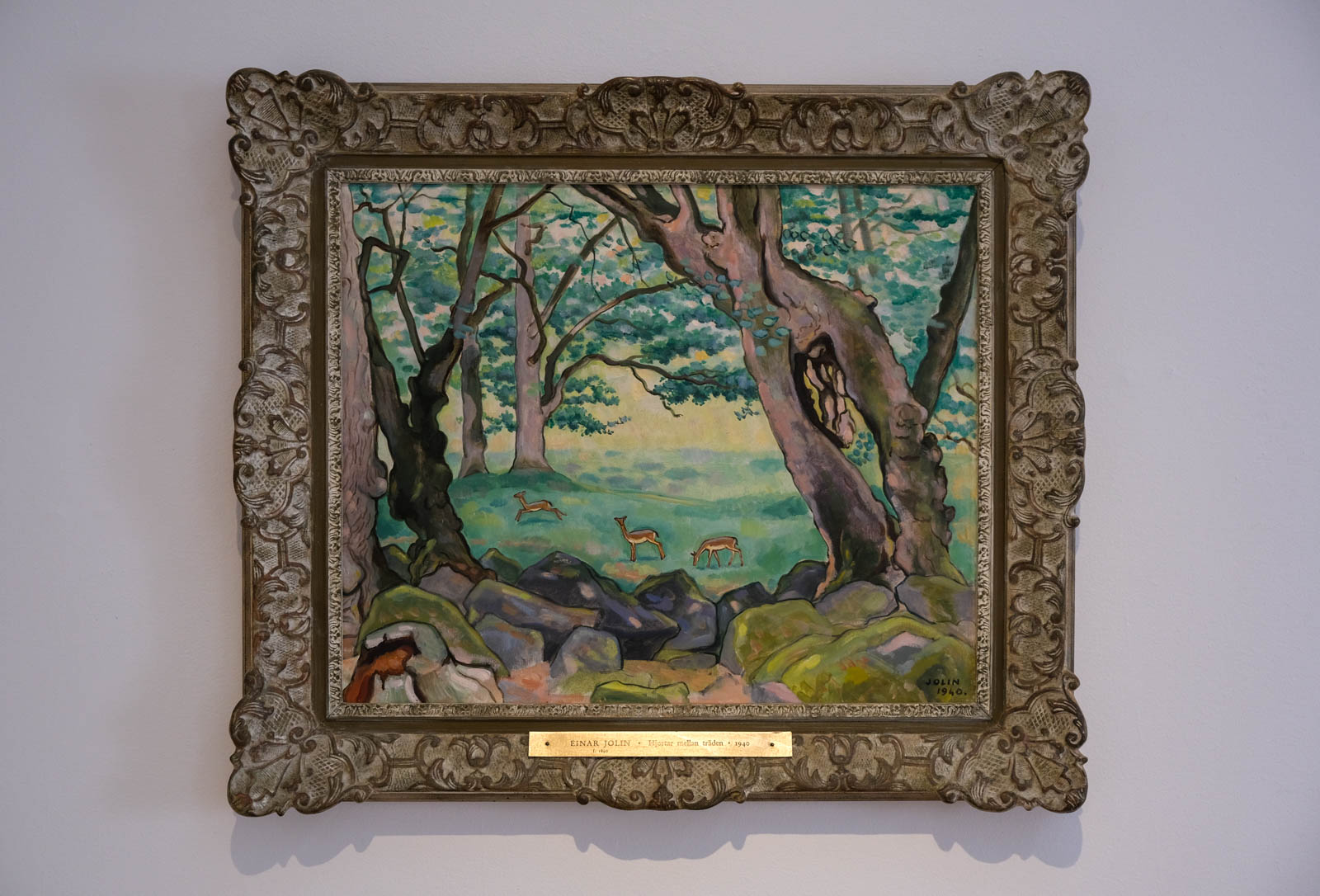


Prins Eugen loved Norway, and was also a prince of Norway before the union was dissolved in 1905. He loved flowers, and one of his famous designs is a flower pot – Waldemarsuddekrukan.
Throughout his life Prince Eugen was an art collector, a designer and a supporter of fellow artists. He was also involved in many cultural organisations and committees. He bequeathed his villa Waldemarsudde at Djurgården in Stockholm, and its collections, to the nation. It is now one of Sweden’s most popular museums.
Sincere thanks to Dan for this interesting challenge, “unbound”. Please be sure to visit and link to his amazing post here, and remember to use the Lens-Artists Tag. Thanks also to Dawn for last week’s Fences challenge, and to you for the incredible variety of responses. Finally, we hope you’ll join us next week when Janet of This, That and The Other Thing will join us as our final Guest Host of the month. Until then, please stay safe, be kind and enjoy the journey.

Who can resist waterlilies? I can’t. If I had a pond in my garden, I would try growing them. Their beauty is irresistible. Alnarp had a very tiny pond but it was well kept.

Gunnera is a fascinating species, and I can never resist taking photos of this gigantic plant. Natural umbrellas a rainy day?
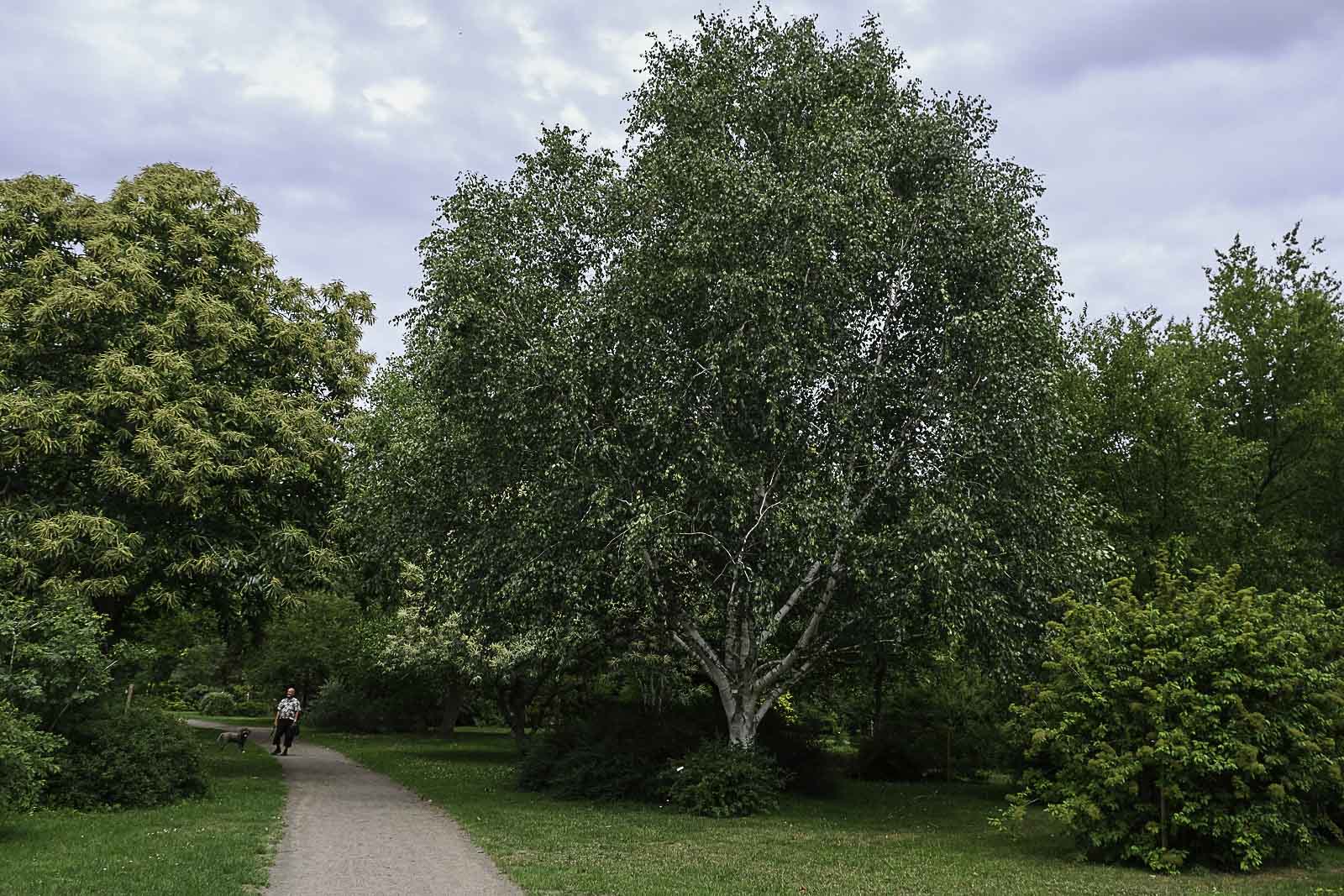
There were several Himalayan birchtrees, very white and stately. Betula utilis, the Himalayan birch is native to the Western Himalayas, growing at elevations up to 4,500 m (14,800 ft). Utilis means ”useful”, and refers to the many uses of the different parts of the tree.
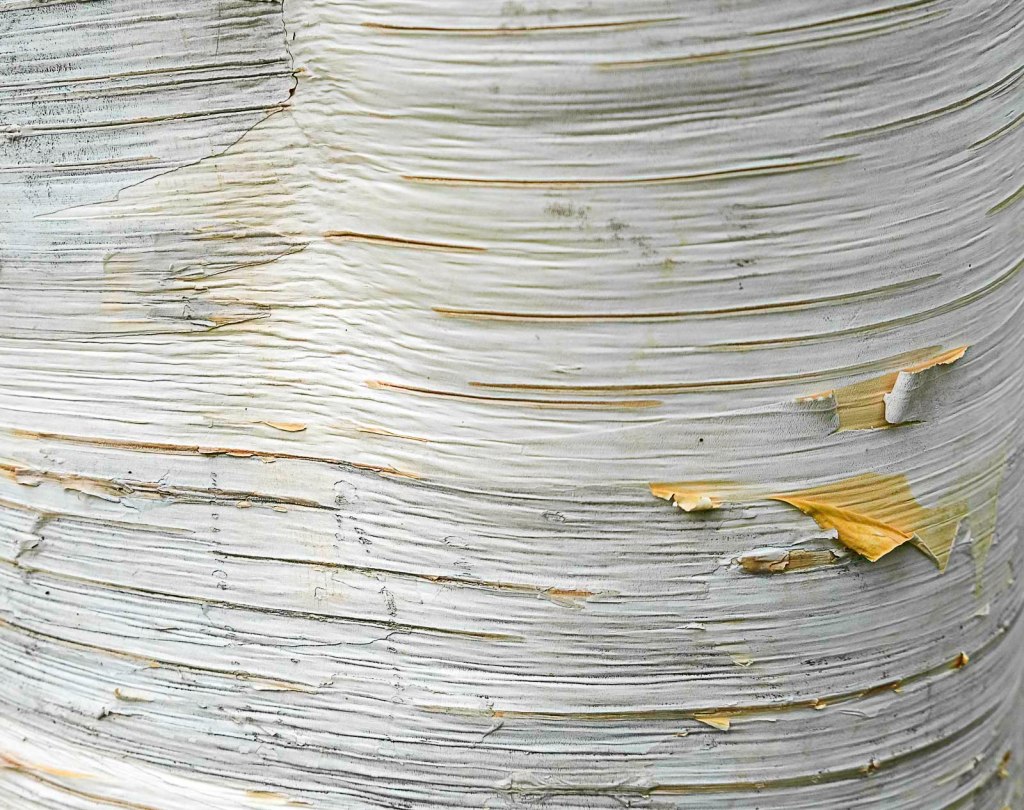
The white, paper-like bark was used in ancient times for writing Sanskrit scriptures and texts. In fact it is still used as paper for the writing of sacred mantras, with the bark placed in an amulet and worn for protection. Some areas of its native habitat are being lost due to overuse of the tree for firewood.
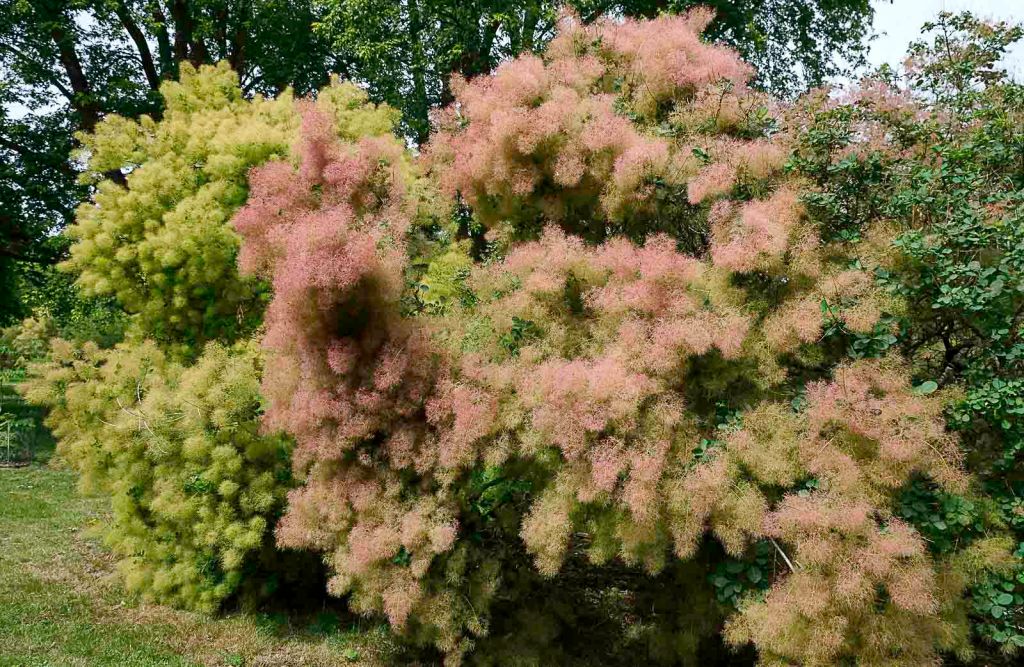
(European) Smoke trees are interesting things…I first saw one in New Zealand many years ago. It looked something out of this world, I thought – and I still think so!

I guess this stump once was an oak tree. Still impressive though, and left as a monument at the back of the castle.
After our stroll in the arboretum, we sat down to admire the castle and its grand wisteria on the front facade (in the opener). That will be something to return to next spring!
My dear friend Viveka (of Myguiltypleasures) and I went to Wanås Castle – we usually do once a year. And we enjoy the art and our delicious meal, chatting along together.
If you like outdoor exhibitions – and surpises – let’s go!
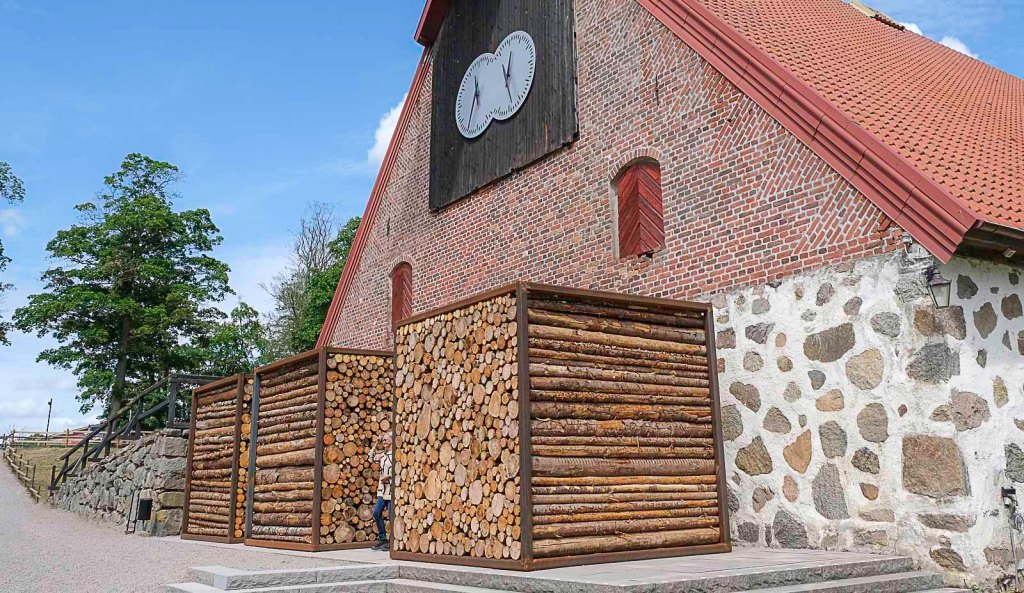
Carola Grahn is the new artist this year, and she deals with Sami art and beliefs.
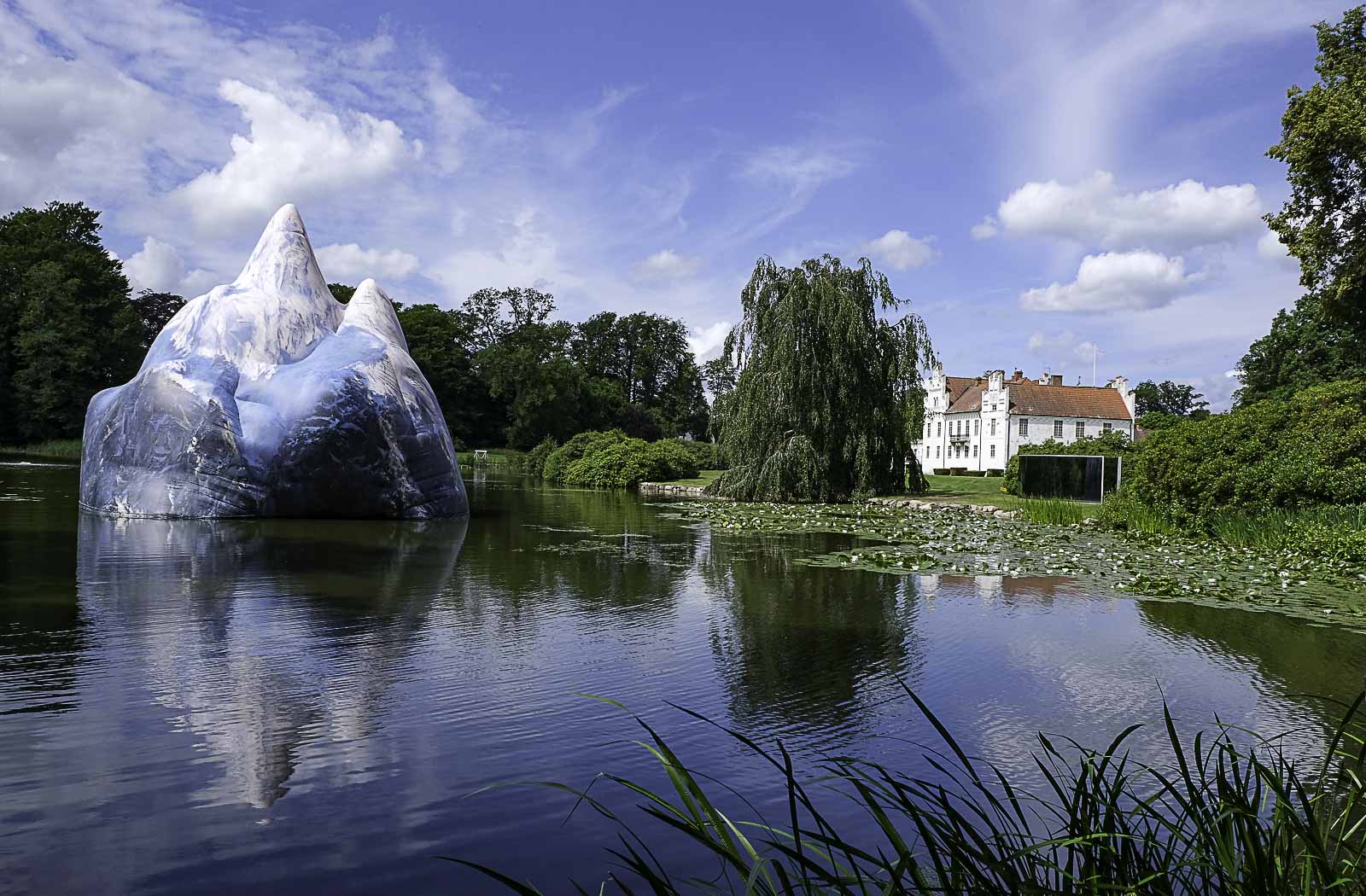
The giant boxes with logs at the entrance were impressive, but then the glassed wall was our first stop – at the sight of the blue mountain.

This is a rather impressive size of art work for the little pond, but we liked it. You can read about the artist’s idea below in the gallery.
The natural theme as well as the Sami connections were ever present. The ”building” made of birches shows a free interpretation of a sign on a Sami sacred drum.

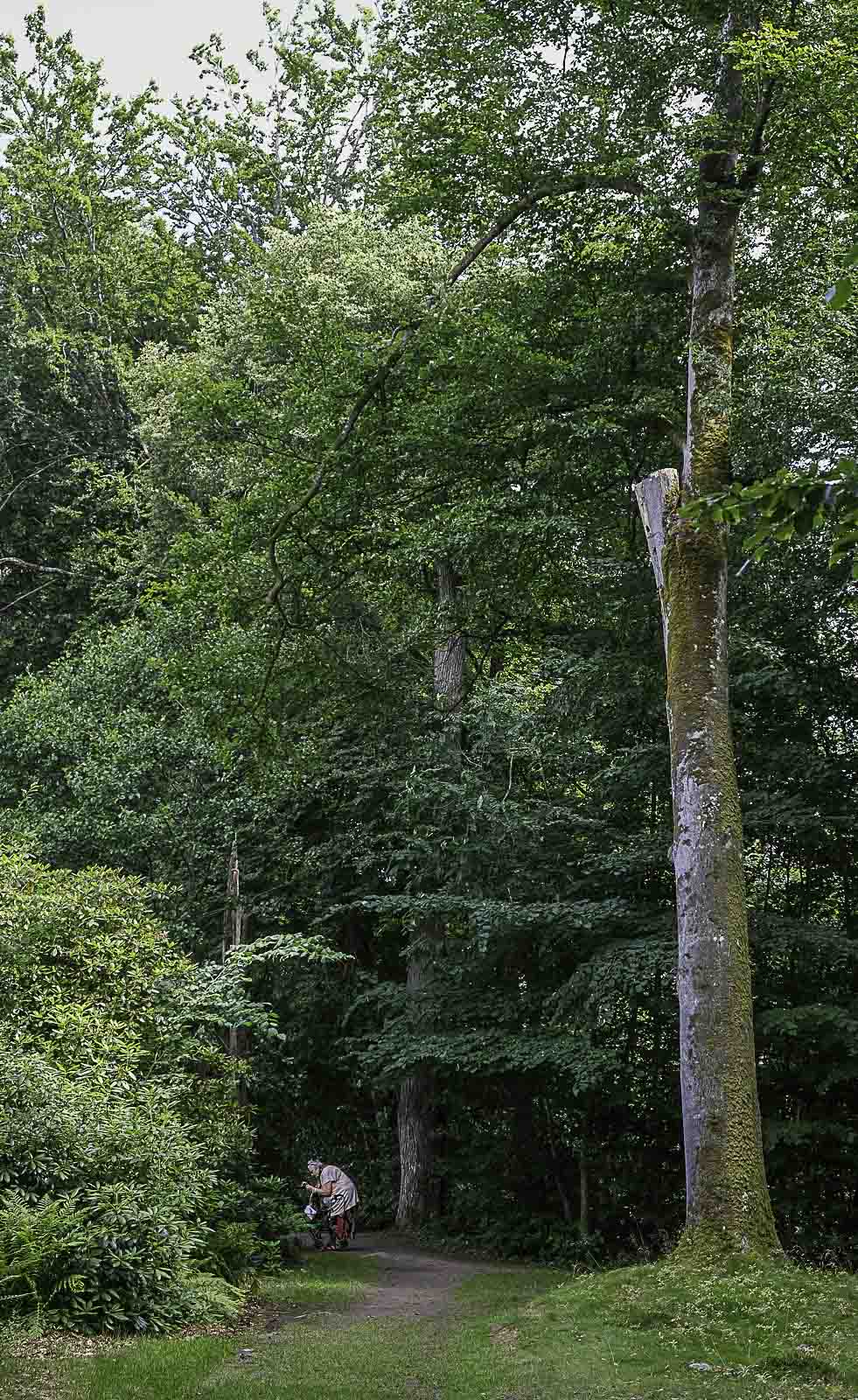
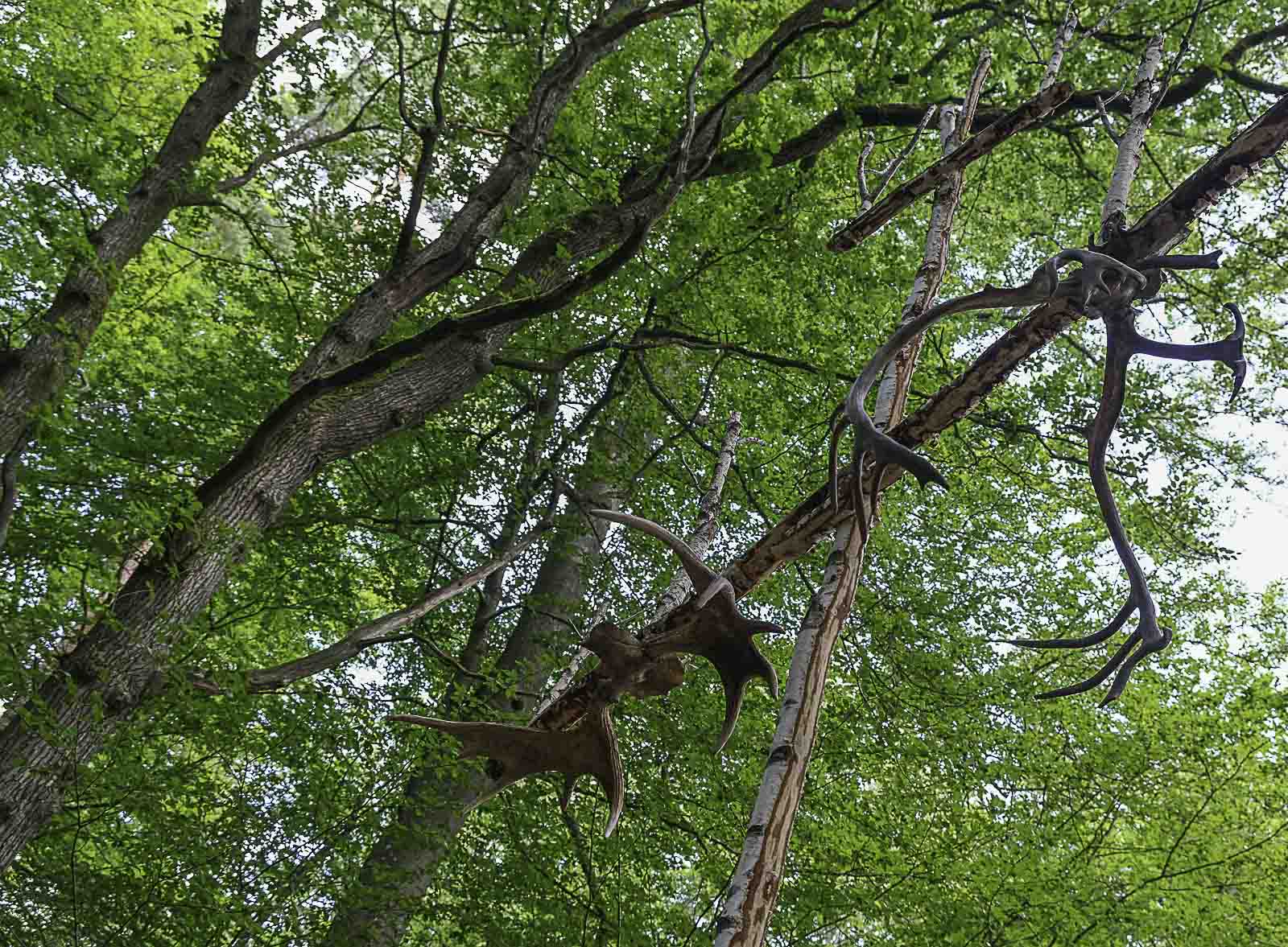
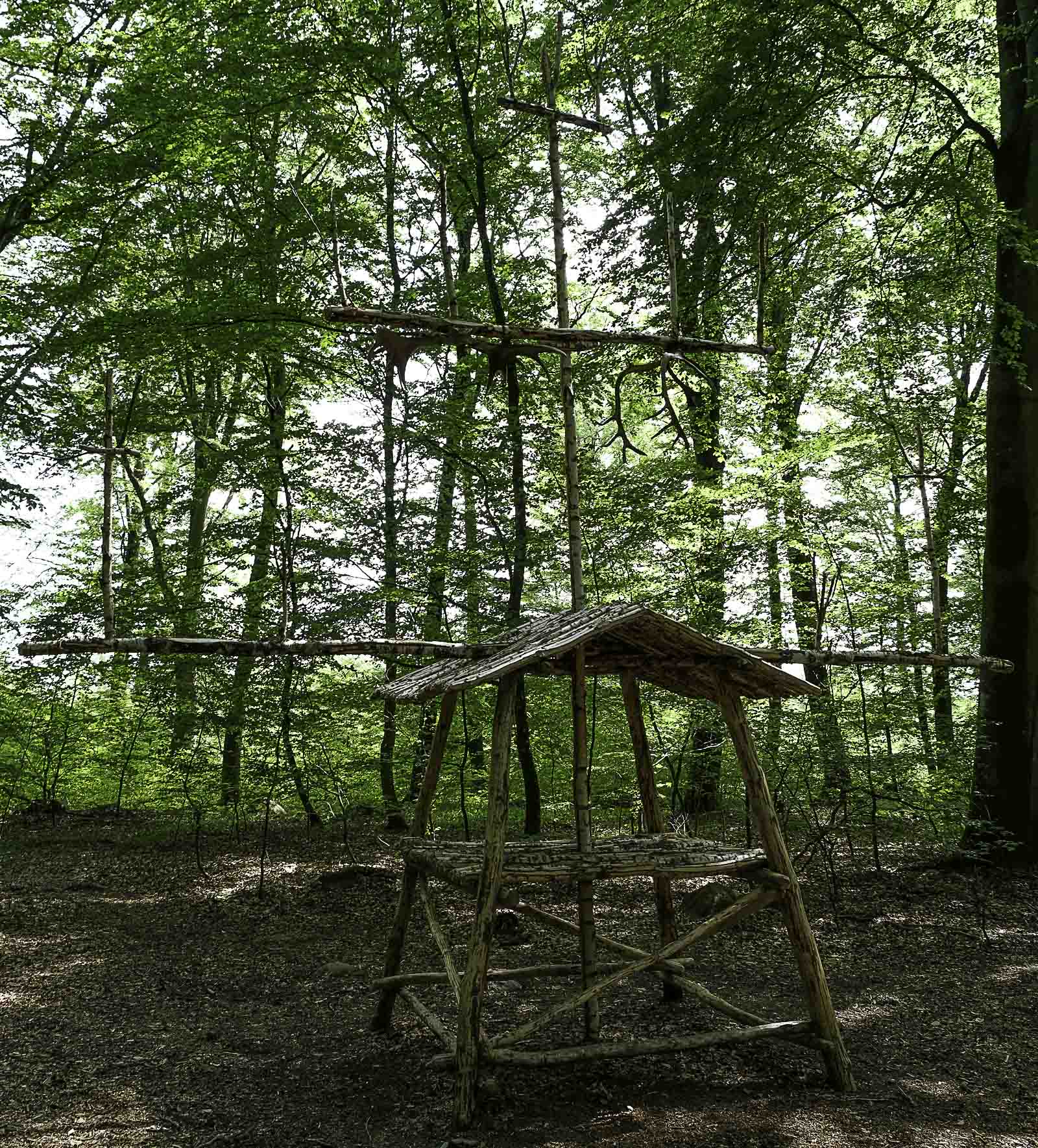

Thank you for being our lovely company here at Wanås, and hopefully you want a new tour next year!
 Leya
Leya 
Du måste vara inloggad för att kunna skicka en kommentar.