Thursday Thoughts – Framed

Why do many/most people like…frames? (Or maybe not?) And what defines a frame?

This window photo displays some frames – photographed when I was looking out of my own hotel window. I like it, despite its drabness and ordinariness.

Many city windows look just like the one above…or like this one…

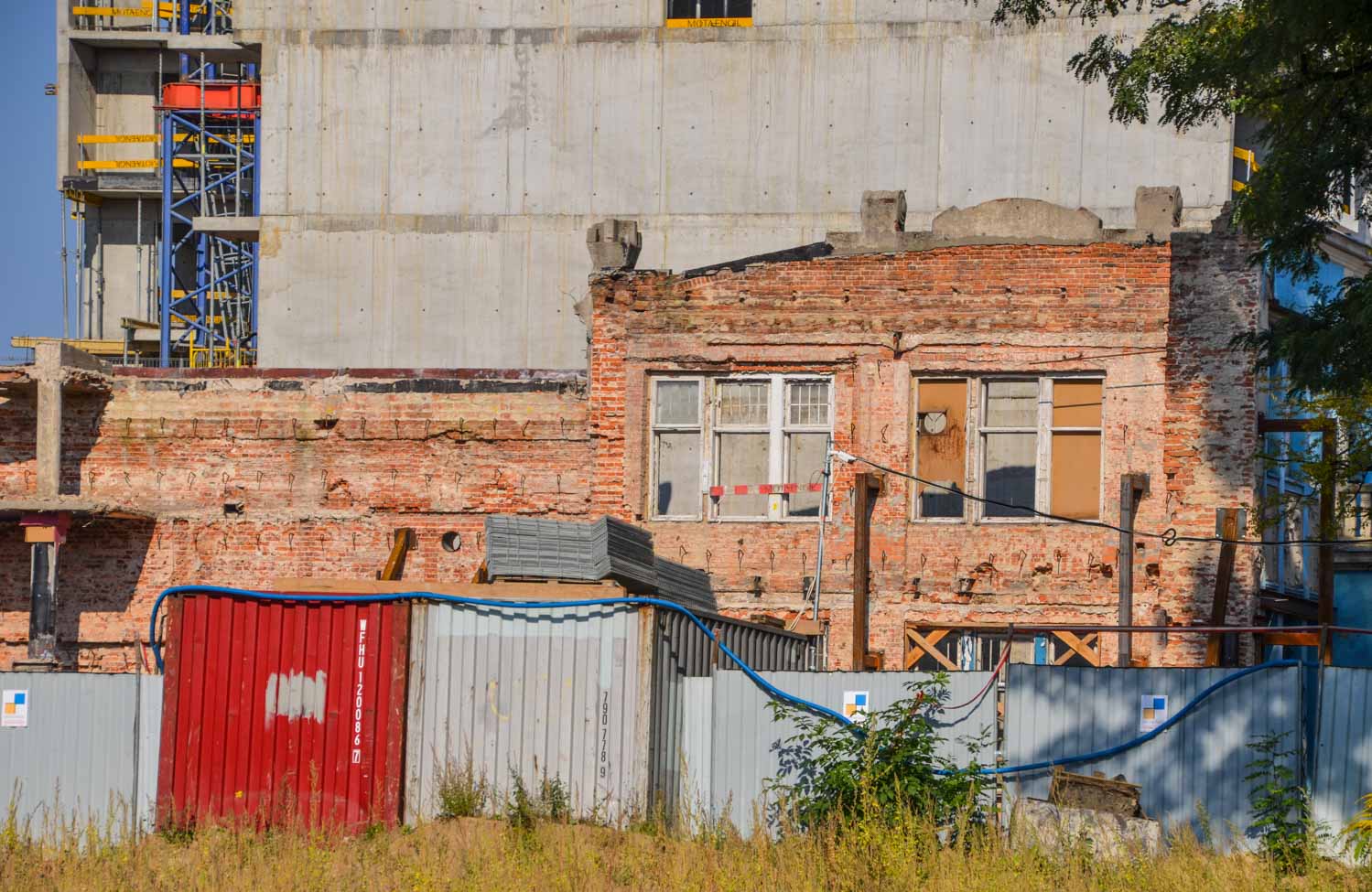
But a frame does not have to look like a window frame or a door frame…or a painting frame – it can be…different.

How many frames can you find in this photo?

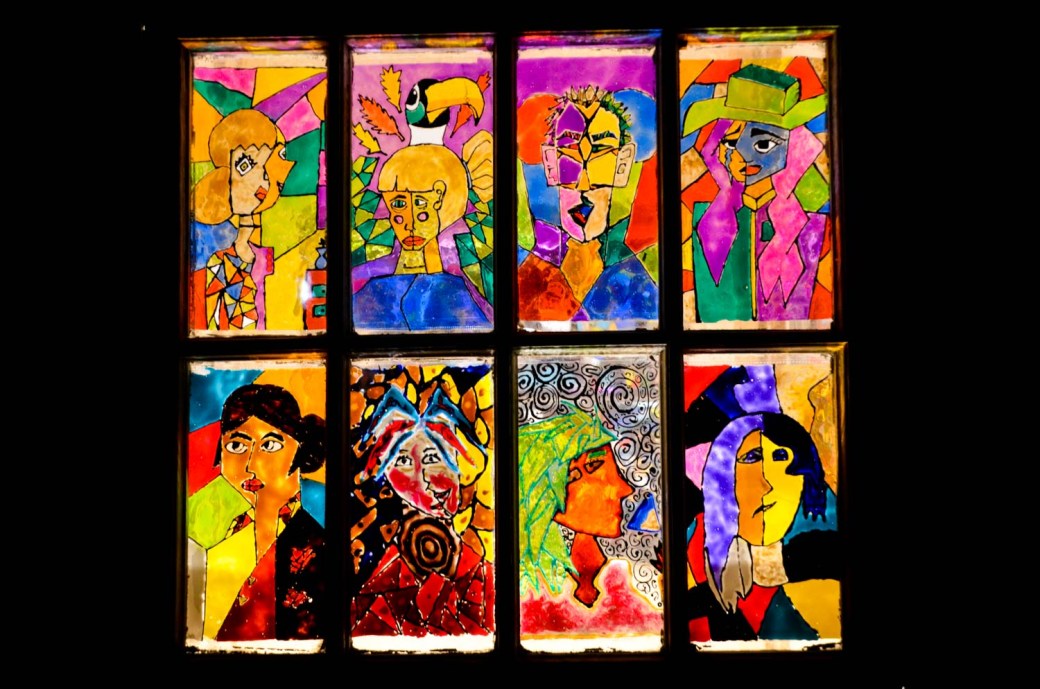
And frames can be – very different!

It can stare at you in night light…

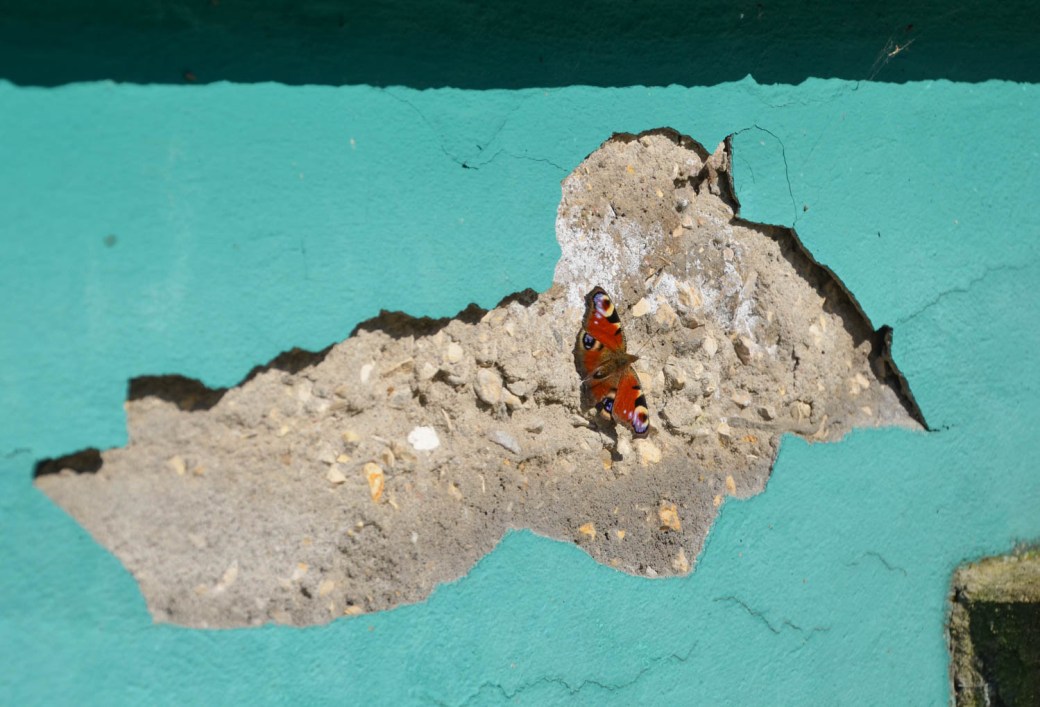
…or give you an irregular, sunlit moment.

So – what do you think about frames? Are you a compulsive frame user, or not? Do we need them at all?

Cee’s B&W Photo Challenge: In the Distance

I guess Cee’s In the Distance also applies to a less open landscape. A glimpse of …something at the end of the path.


The City’s Country Road

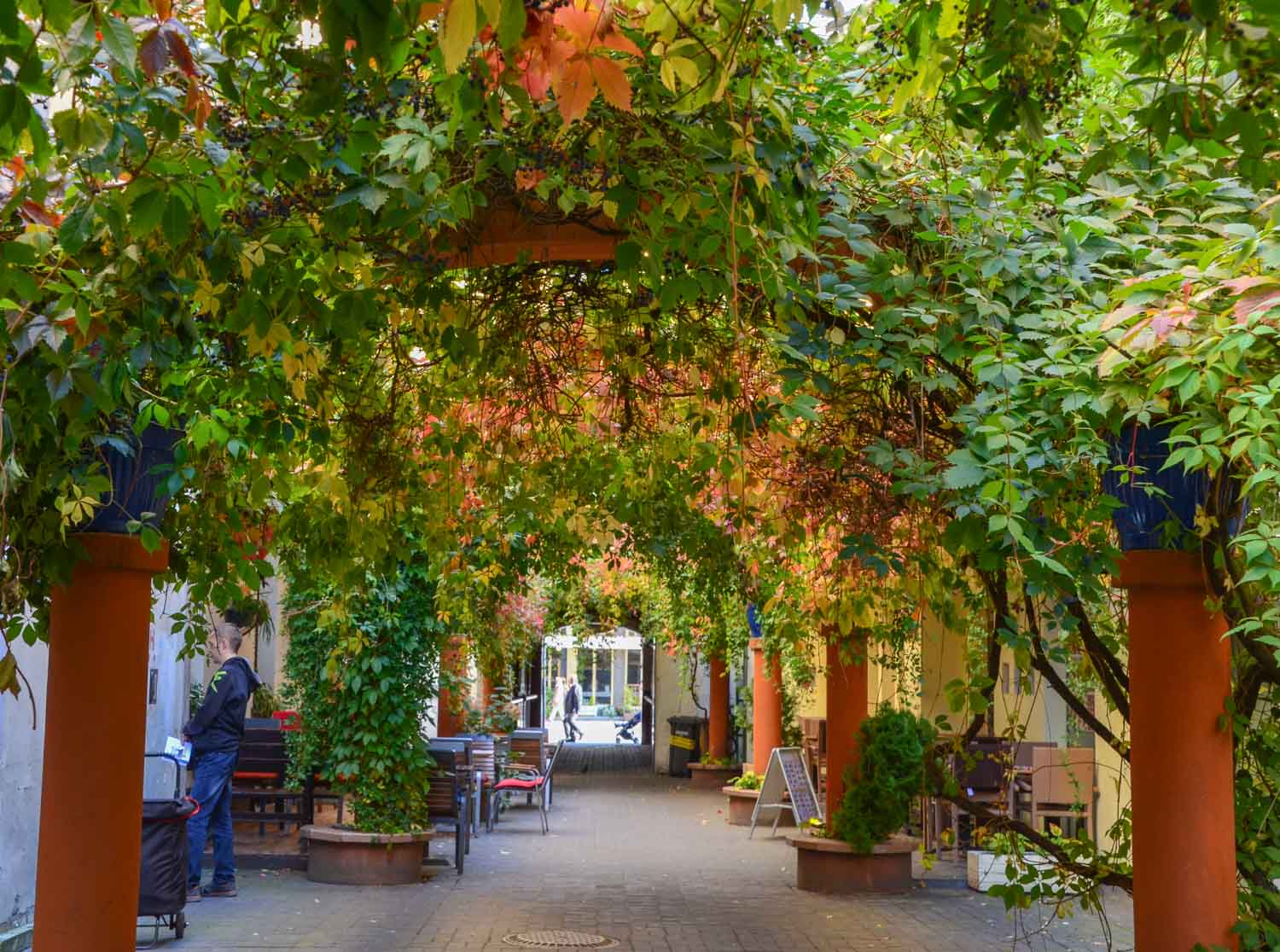
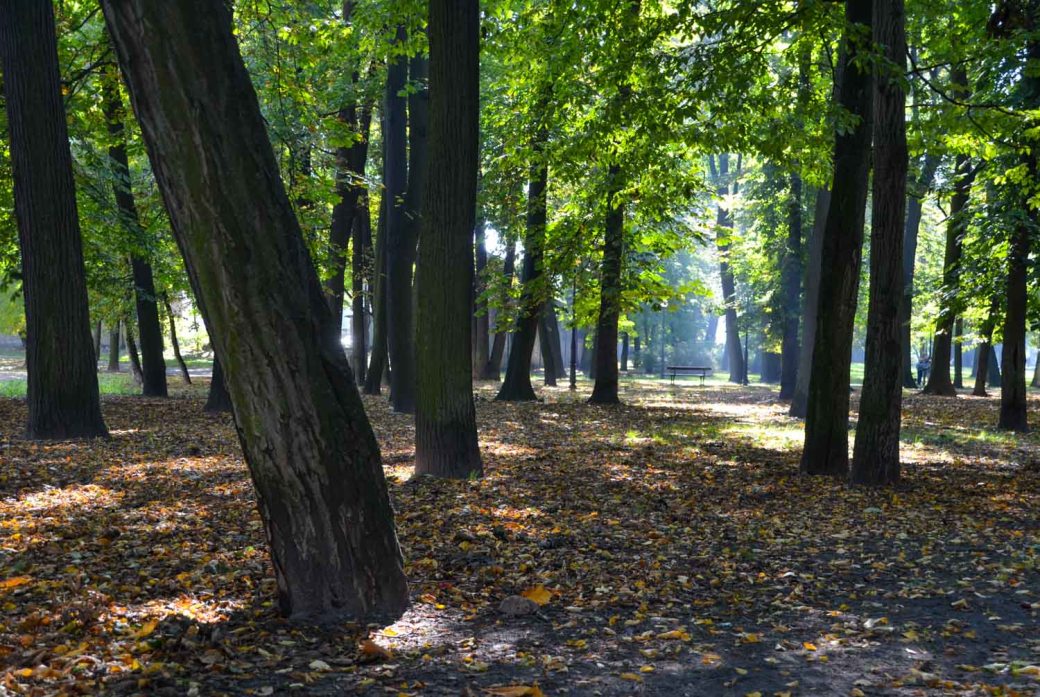
Of course there were colours in Łódź as well. And, when I think of the country road in my post this morning…with the oak trees on parade…These city alleyways seem truly related – even the one without trees. Somehow the urban equivalents?

Black&White Sunday: Shape

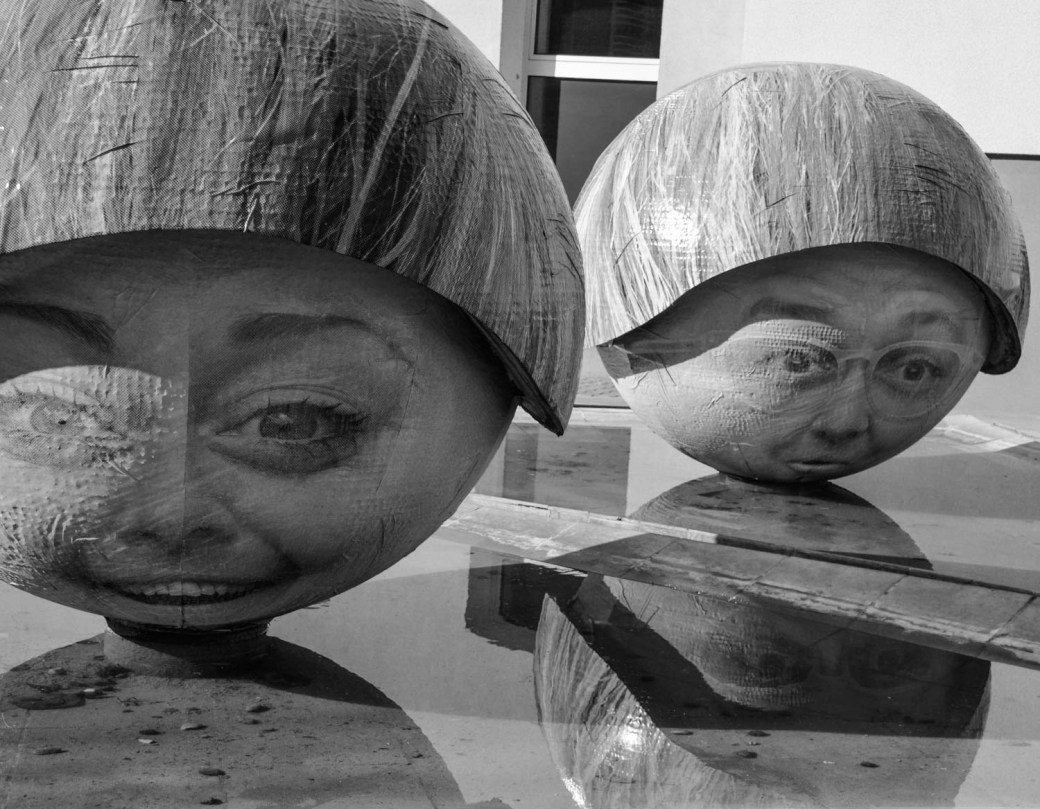
Paula, at Lost in Translation, asks us for a black and white shape, this Sunday. I hope it is OK with two. From an outdoor exhibition where the artist’s name was missing.


The Unicorn Stable

Łódź is a tram city since 23 December 1898, and was the first city to have electrified trams in Poland.
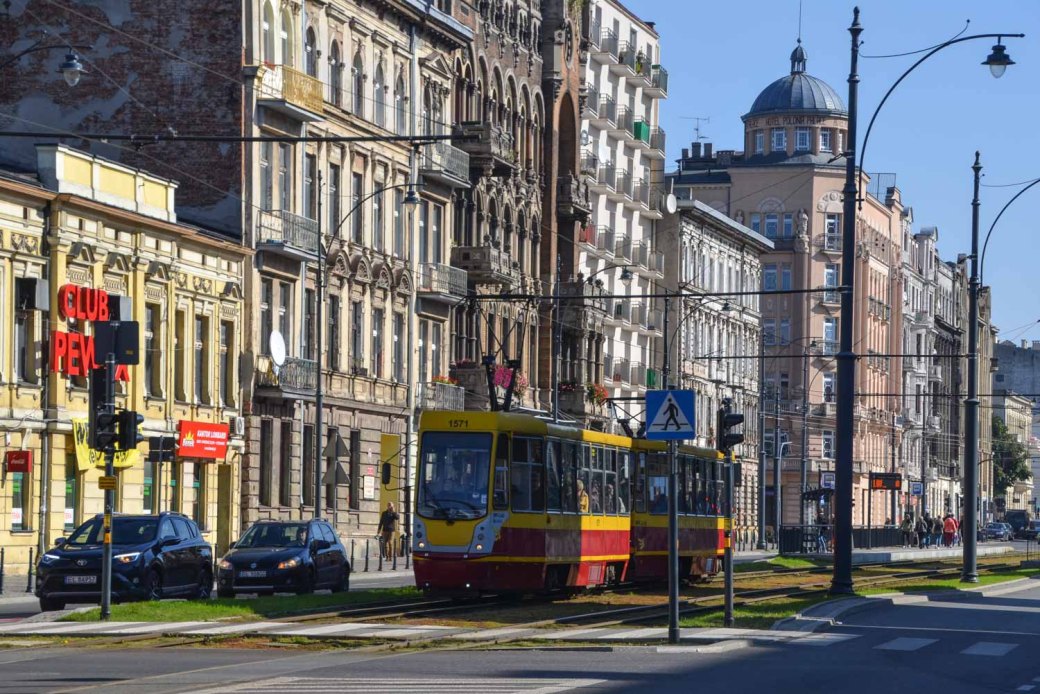
In the years 1910-1931 suburban tram lines connected many important places around the city, creating the largest such network in Poland, unchanged until the end of the 1980s. In the first half of the 1990s, some of them were closed down, but Łódź is still the only city in the country to have such a system of commuter trams.

Personally, I love trams – the narrowness, the on-and-off and the streetscape they create. I am glad they kept them – and developed them as well!
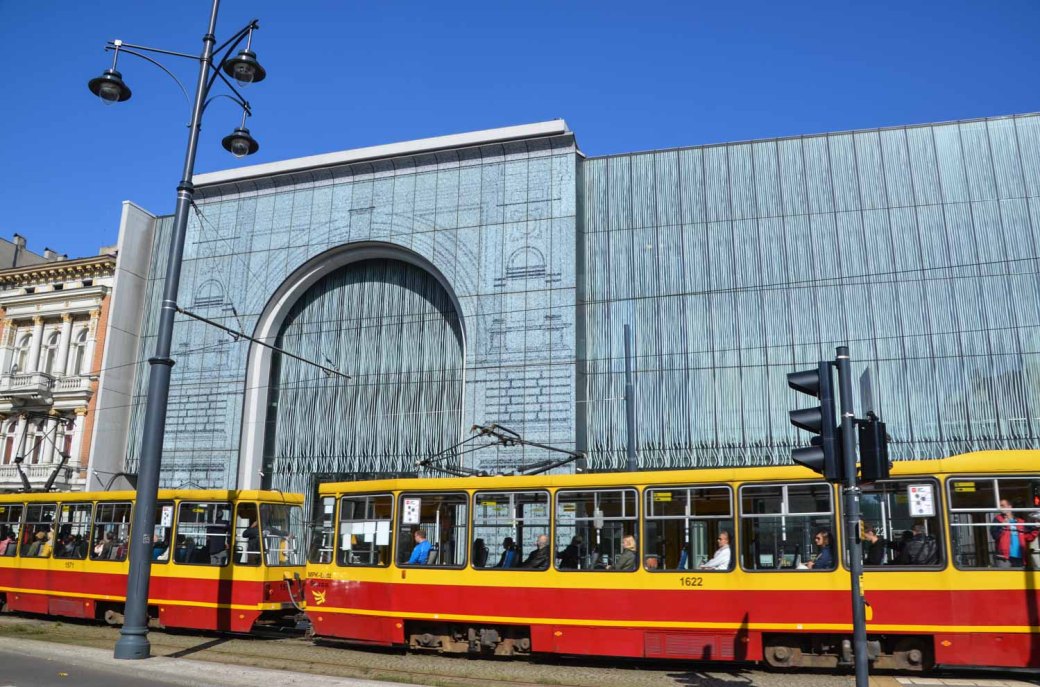
According to Wikipedia,  the Municipal Communication Company of Łódź (MPK), currently operates 16 urban and 4 regional (or suburban) lines. The longest of these, and in fact the longest of all of Poland, is number 46, which has a length of 38 kilometres.

Trivia: Łódź once boasted a small cemetery where tram drivers were buried. Sadly, nothing remains of this graveyard, which was situated on Lindley Street near the aptly named Tram Street (ul. Tramwajowa).

When looking for more facts about the beautiful rainbow station, I came across this interesting blog by Daniel Wright, a freelance transport writer. And he describes it so well:

The Unicorn Stable (Piotrkowska Centrum tram station, Łódź, Poland)

Designed by Warsaw-based architecture practice Foroom, Piotrkowska Centrum is an unusually dramatic piece of tram architecture. If you like Santiago Calatrava’s work on railway stations, then you’ll like this. It has something of the same adventurous spirit and ostentatious engineering, but scaled down to the dimensions of Łódź’s narrow gauge (1,000mm) trams.

Wright claims the design of the station is drawing on the Art Nouveau details to be found on nearby buildings, but also the fact that it remains a practical piece of transport infrastructure.
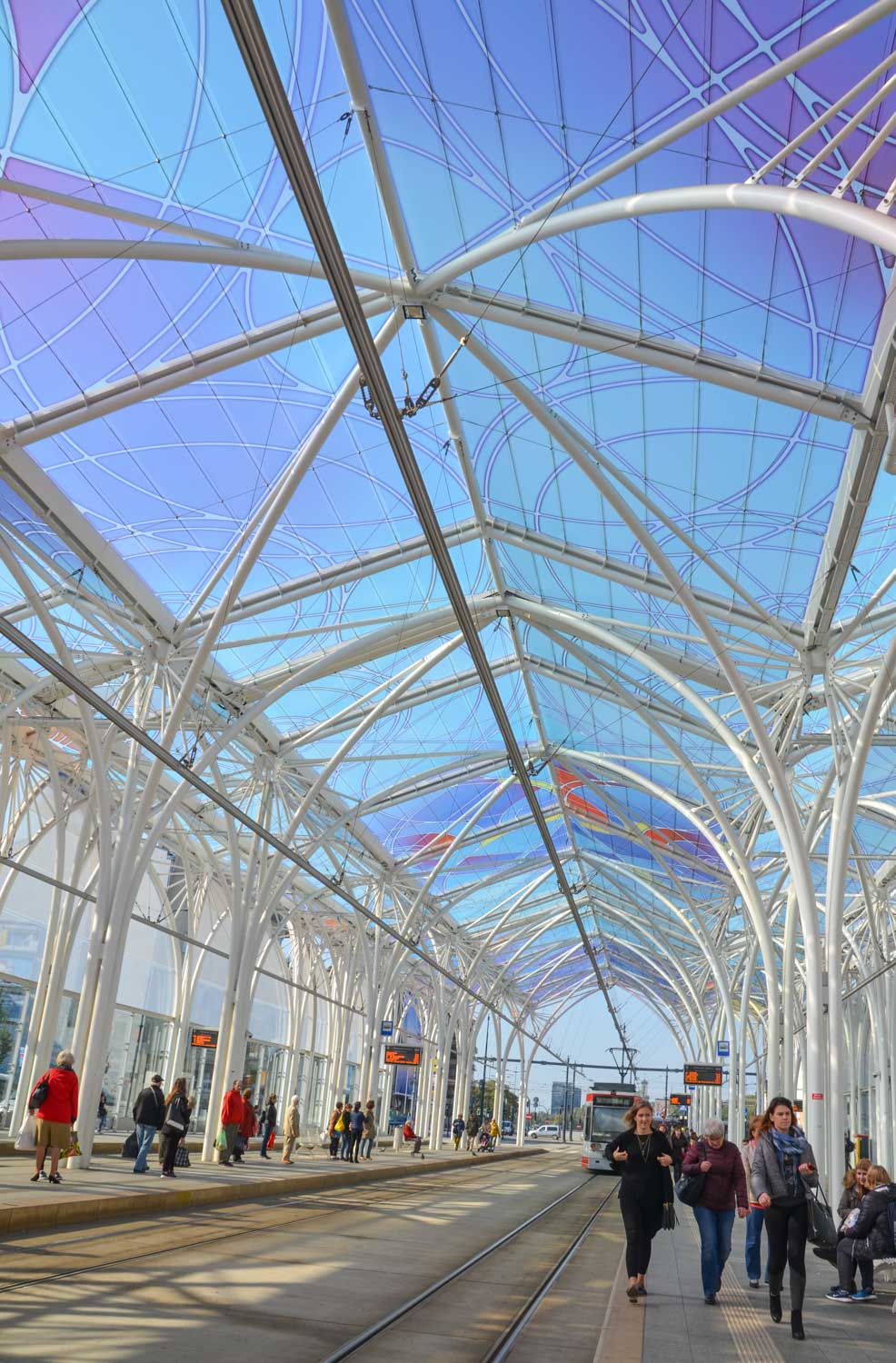
The original plan had been to use glass panels in the roof, but instead a translucent plastic fabric, ETFE, was used  –  the same as in the roof at Southern Cross station in Melbourne. It is very light, but also very strong across a wide range of temperatures, making it ideal for Poland’s harsh winters.
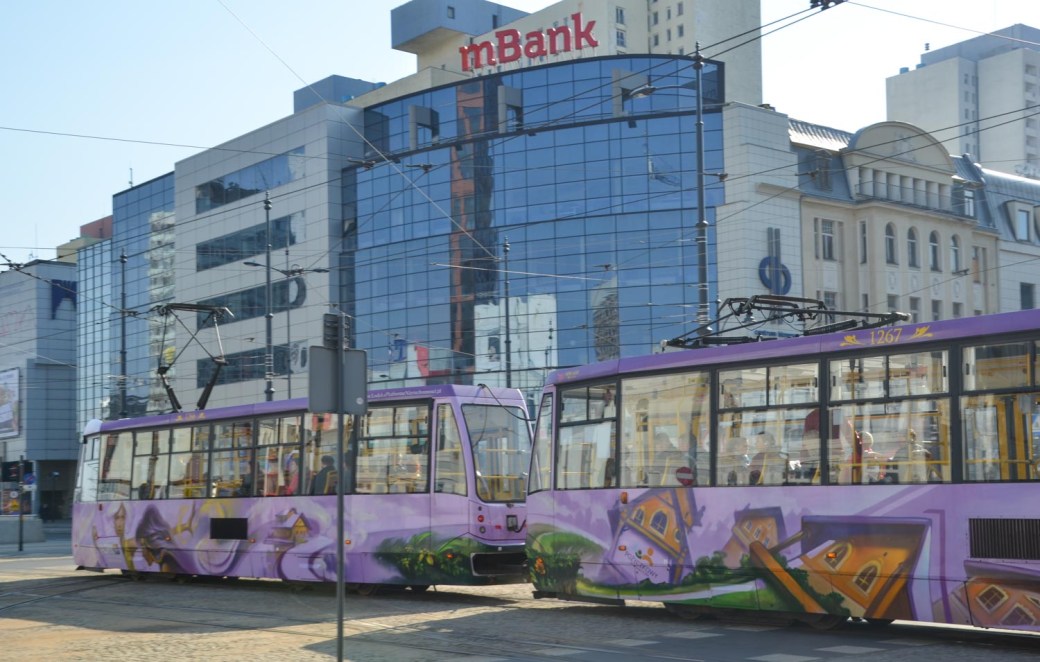
 

This tram station has its own special beauty and a very suitable nickname: “The Unicorn Stable”. When I was a child, unicorns were all-white. These days, for some reason, most unicorns are represented with rainbow tails, and possibly manes, and some even have wings. So if they ever needed stables, this ethereal white structure with multi-coloured ‘glass’ roof would, I admit, be just the thing. In fact…I think I just caught a glimpse of…


Fresh Air and Art – The Modern Łódź Fabryczna

Vivi entered the B&W Challenge in my recent post…and if you look closely, you can see she is very impressed by this new railway station – and so was I – exploring it for more than an hour. Originally it was meant for high-speed-trains, but due to the latest estimated cost of 10 billion Euro, the high-speed line was put on hold.

Anyway, air and space, light and art – you cannot but feel good here!

Łódź Fabryczna is the largest and most modern railway station in the city. According to Wikipedia, it was originally constructed in the centre of Łódź, at the initiative of industrialist Karol Scheibler in 1865.

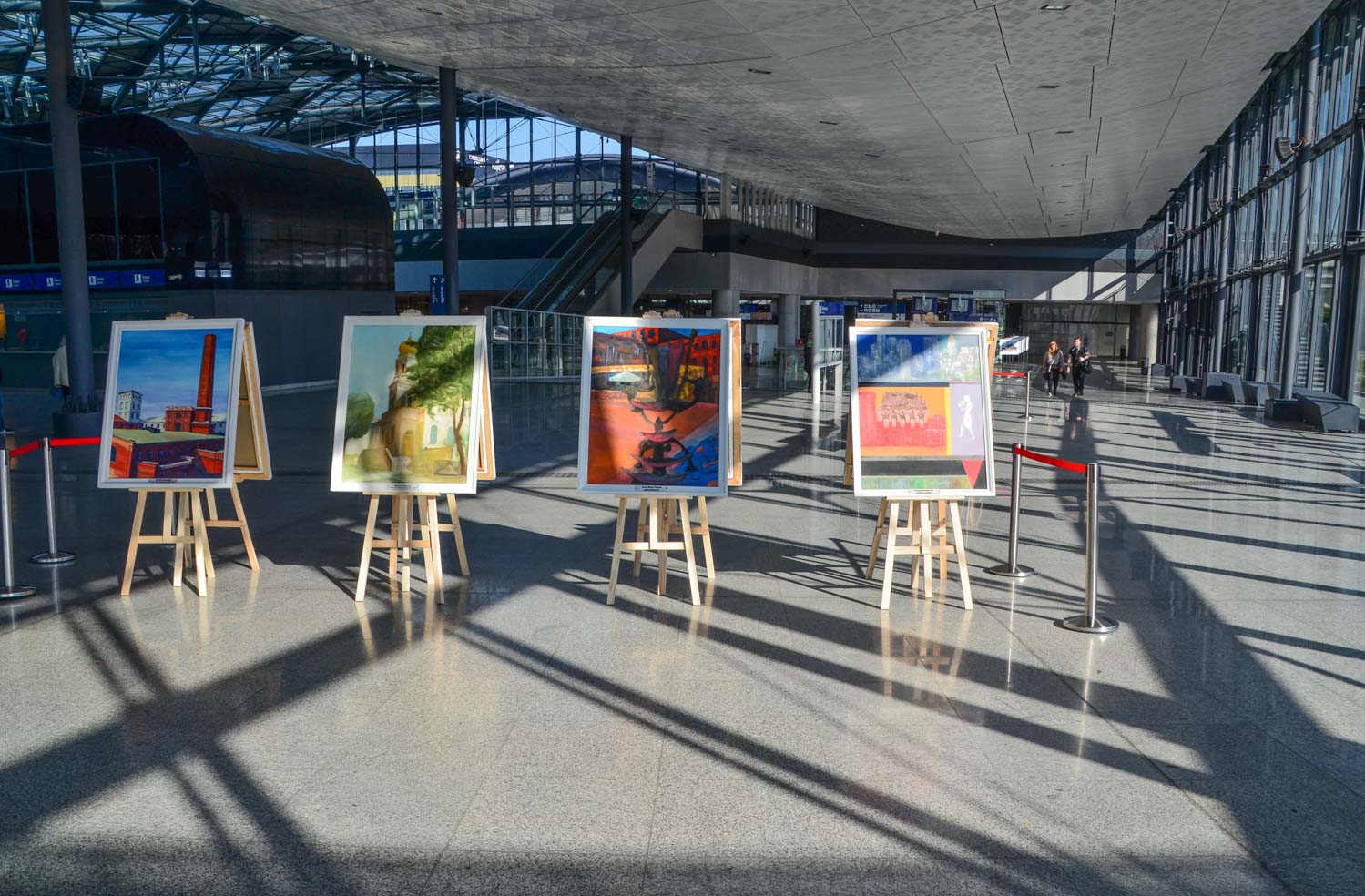
Art exhibition in two levels!

The old station was closed on October 16, 2011, and in June 2012 it was demolished to make way for the building of a new station below ground level. It reopened on 11 December 2016.

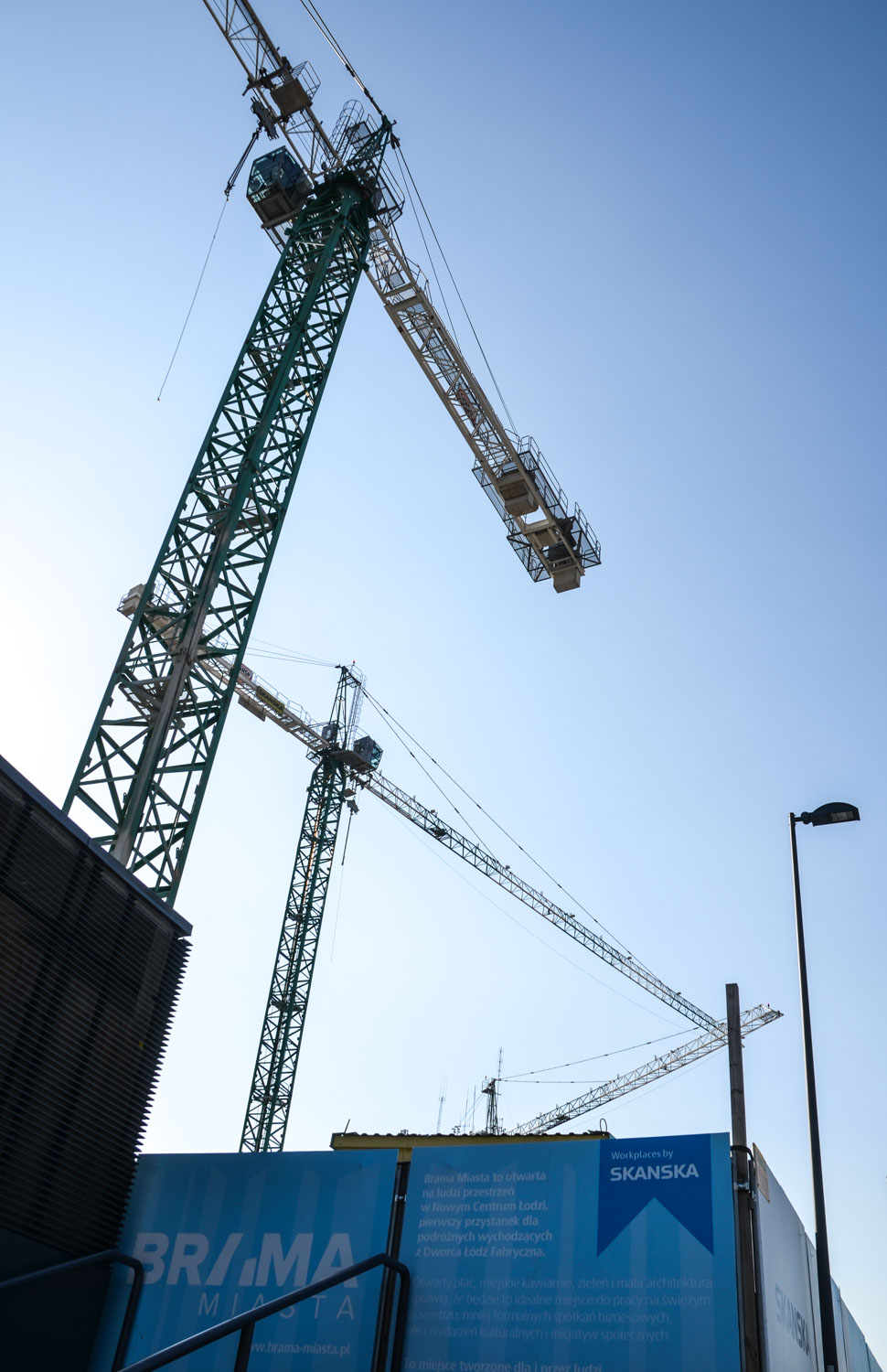
Today, we also noticed that our Swedish company, SKANSKA, is working the construction site nearby. What they are building? I have no answer to that.


Cee’s B&W Photo Challenge: Indoor Walkways/Hallways/Elevators

Cee’s Black & White Photo Challenge: Indoor Walkways, Hallways, Elevators

Cee’s challenge means fun for me – and Viveka – in the new railway station in Łódź!

Lodz 2017 459


Thursday Thoughts – Marvellous Murals

Several street art festivals are hosted by Łódź, and luckily, many of the murals are permanent. Some of them has got the artist’s name on, some not. Anyway – I hope you will ENJOY just as much as I and Viveka did! In her blog, Myguiltypleasures, you will get more interesting facts!

In the header is my favourite piece, and in case you should want more of this from Łódź – just click the links here, here or here.


Old Architecture in Łódź – Skansen

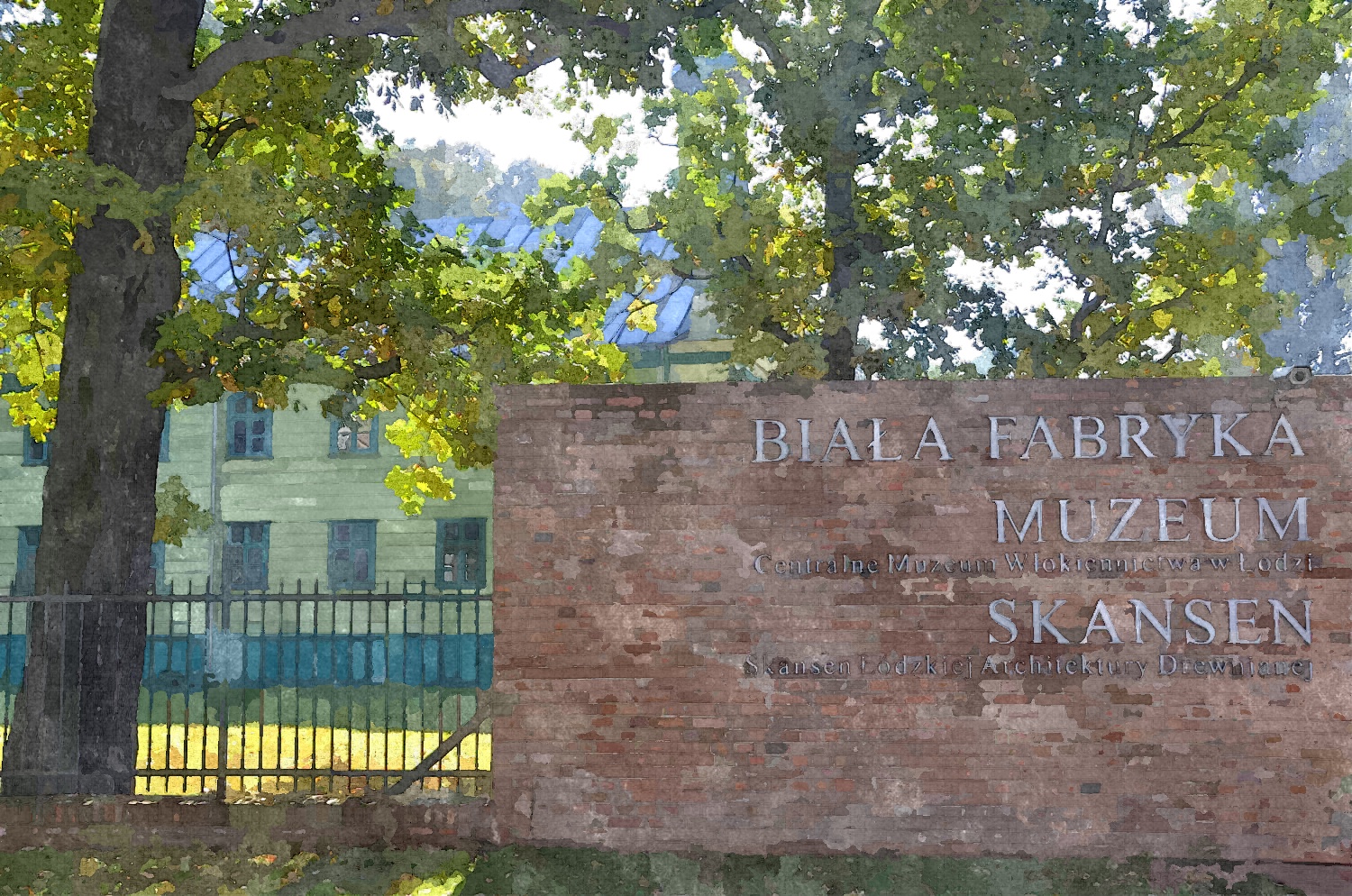
We visited an open – air museum(at The White Factory) – Skansen – where the collected objects are typical representatives of architecture in Łódź at the turn of the 19th-20th century. The museum was under construction from September 2006 until May 2008, and was finally opened for visitors in September 2008.

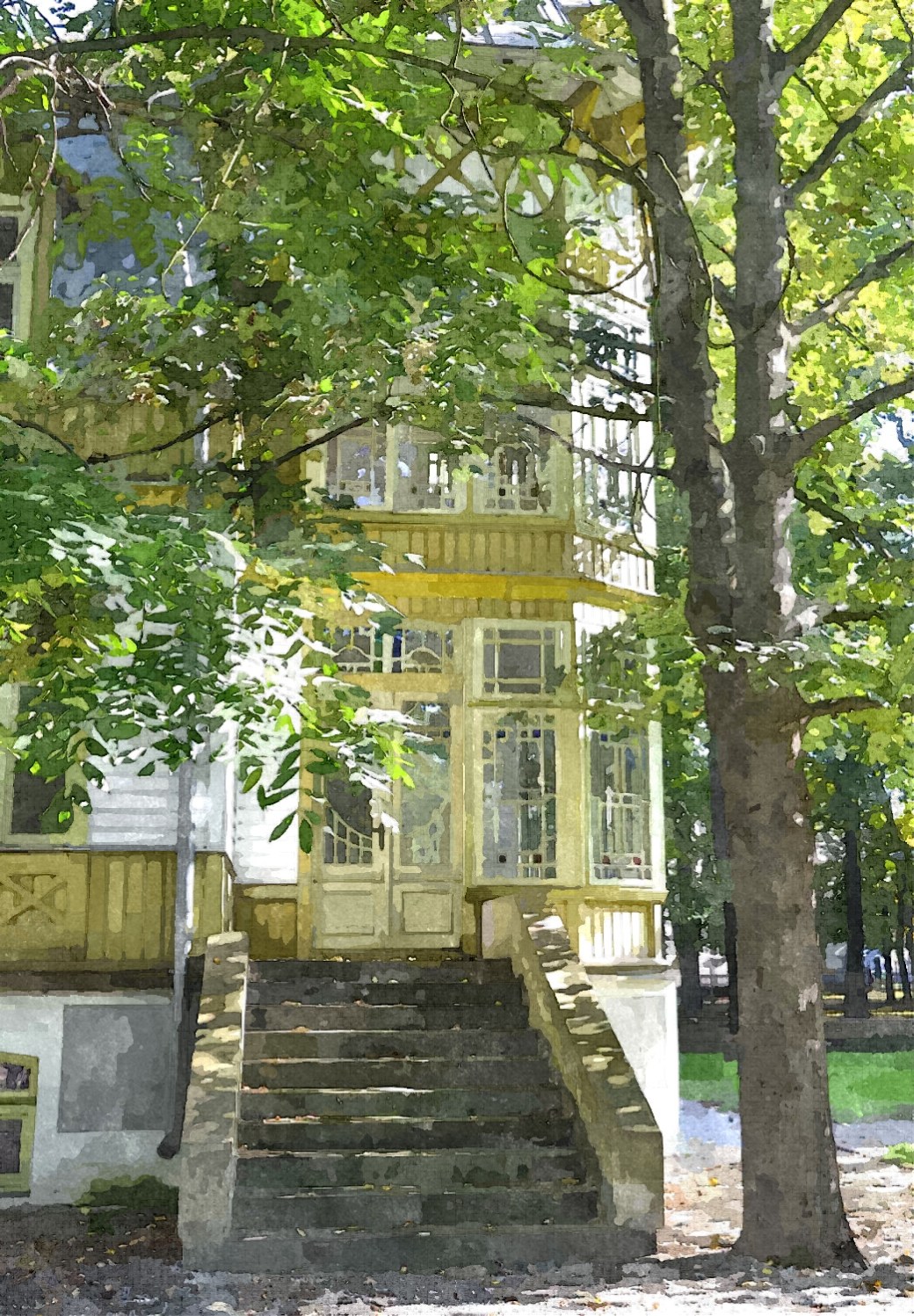
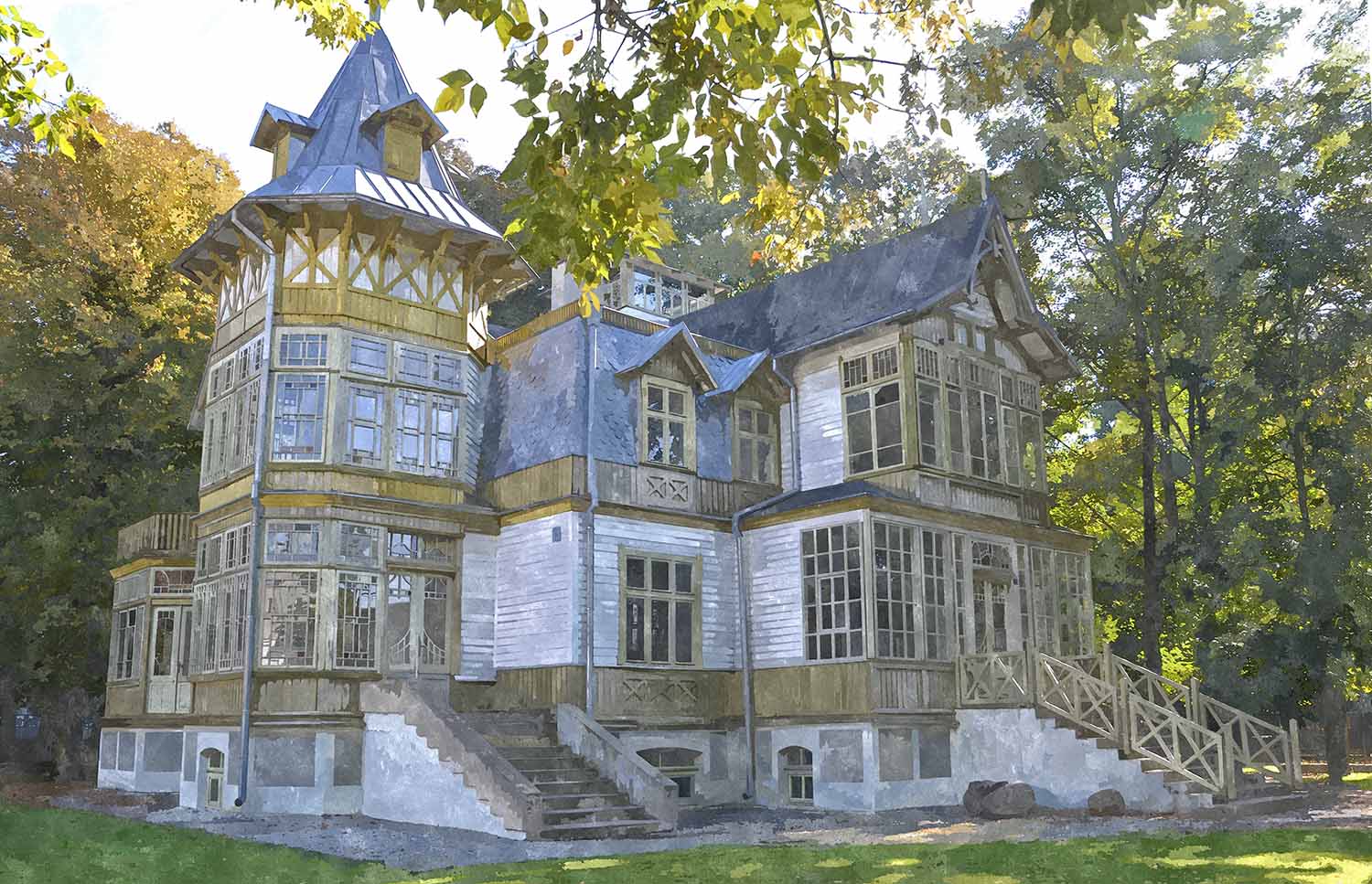
According to Wikipedia, these specimens include a church (transported from Nowosolna), a summer villa (transported from Ruda Pabianicka), a one-storey house for workers (from Mazowiecka Street), a wooden tram-stop (from Zgierz) and four craftsman’s houses (from Żeromskiego, Mazowiecka and Kopernika Streets).

Here are some of the most lovely ones – converted into ”painted” versions. I found that very fitting – hope you do as well!