This week Anne is taking us for a scavenger hunt – some great fun to be had! Visit Anne’s post for more about rules and inspiration. I searched my archives and these are some of her guidelines that I used:
Wheel, cirkular, some cool morning jewellery,
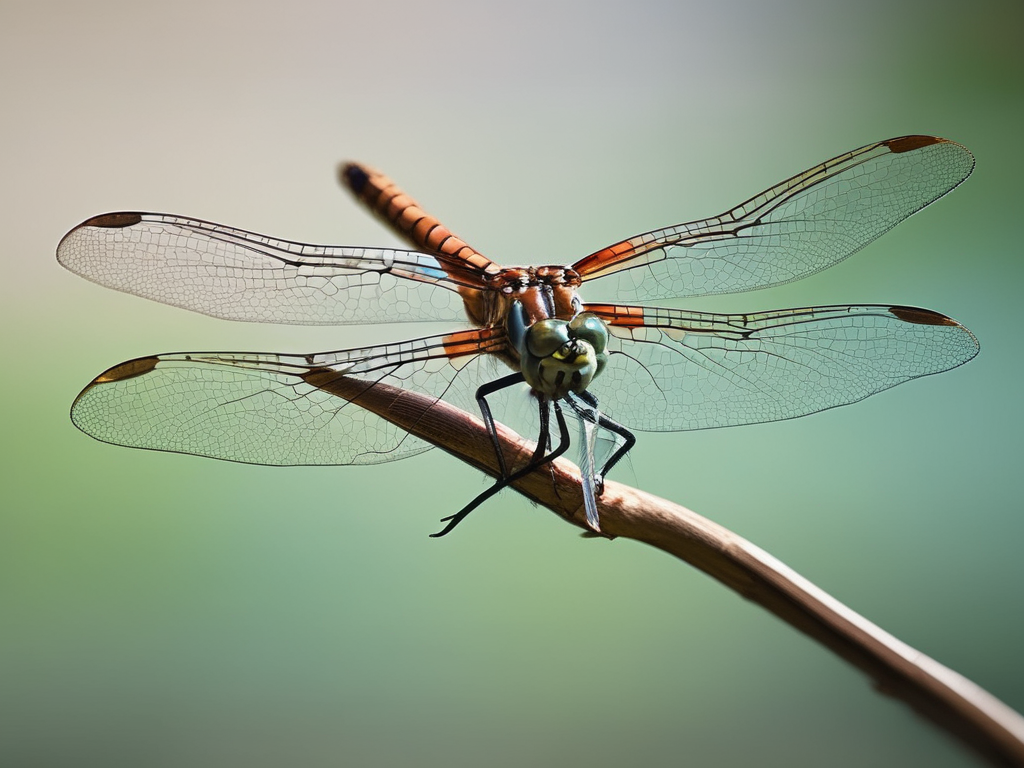
and some very green eyes…
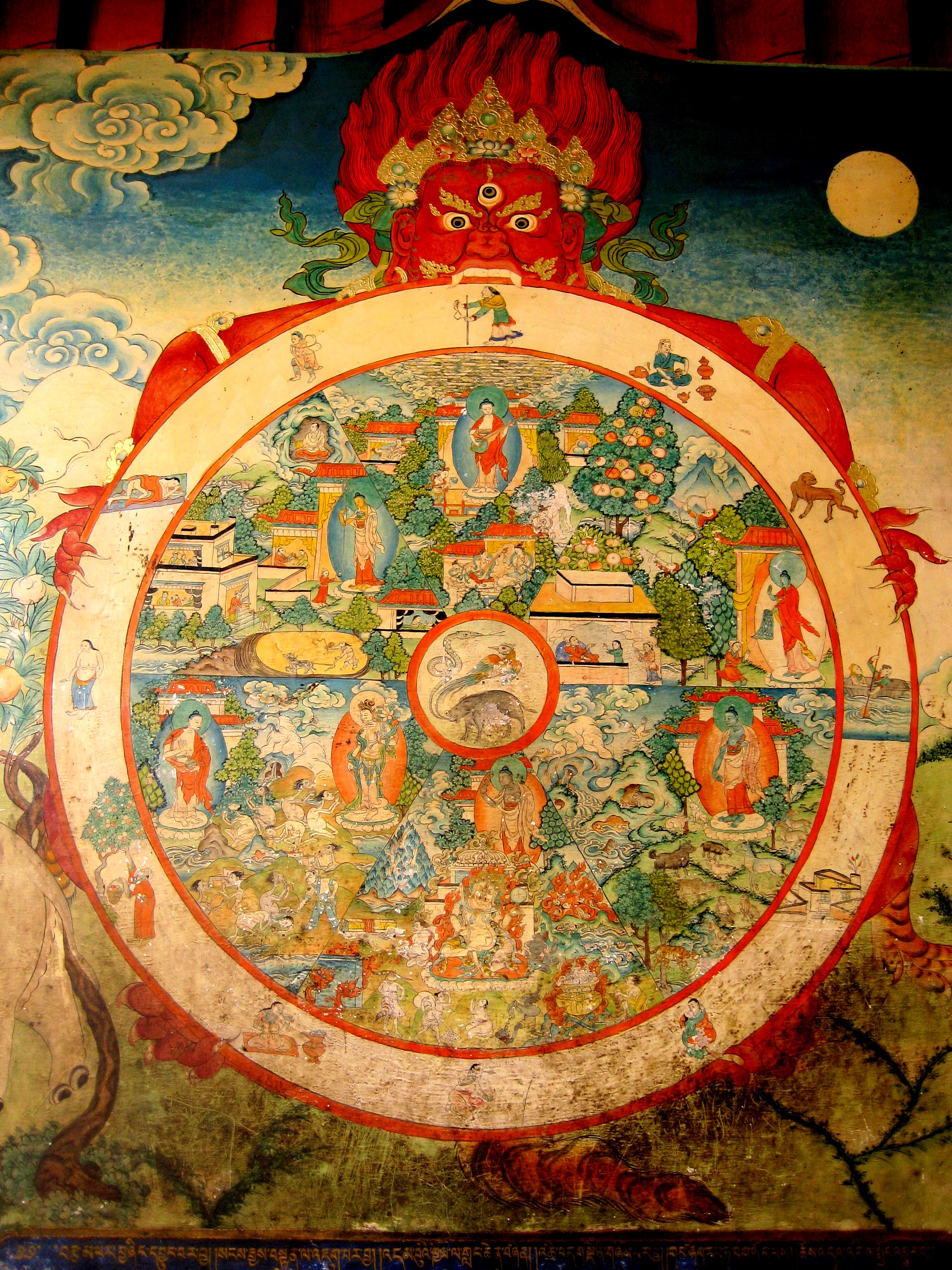
Something glass – behind glass too (Chihuly), and something with water in it – Water Library (Roni Horn) in Iceland.
The coolest shadow I have ever caught was in Segovia.
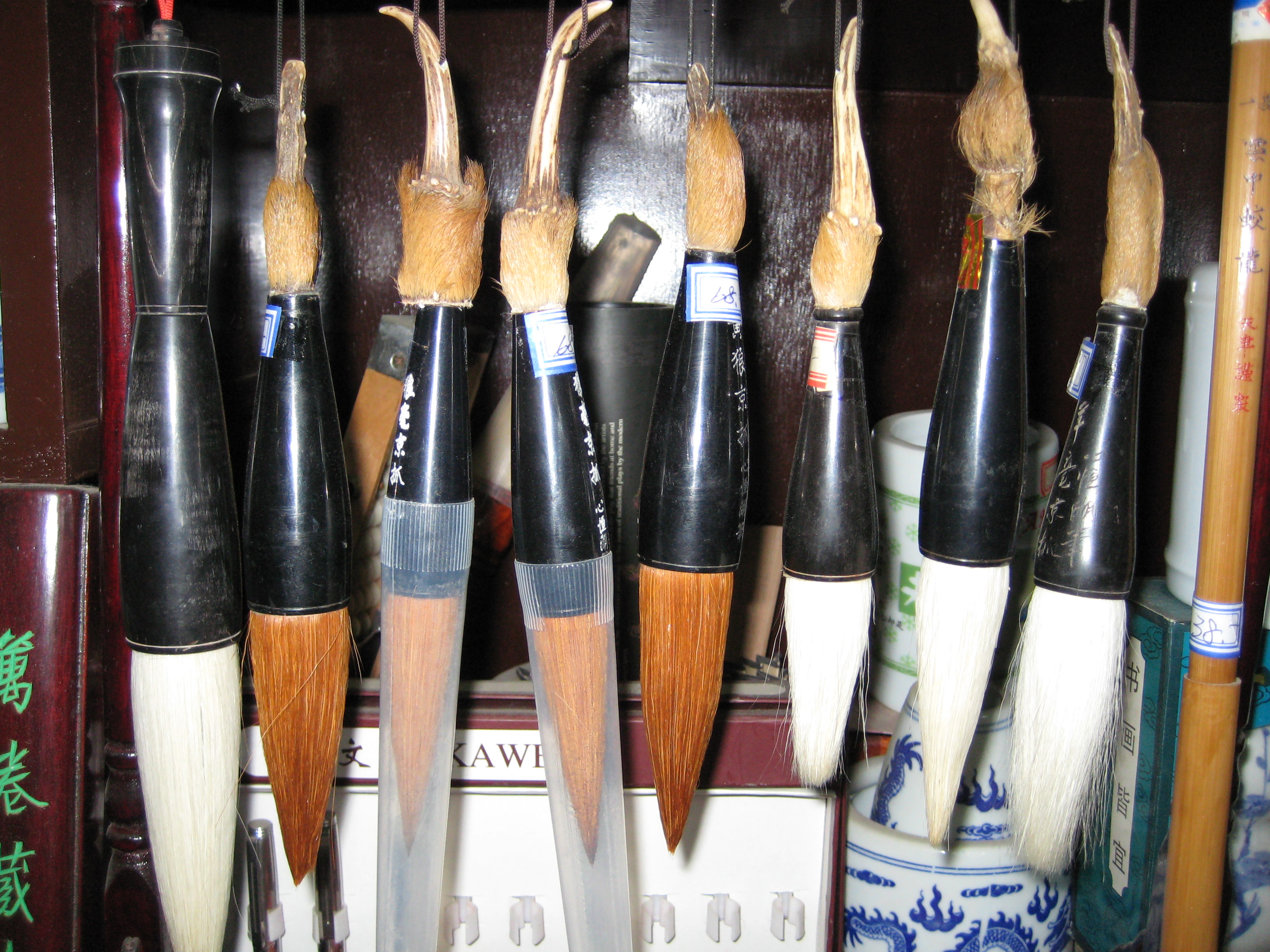
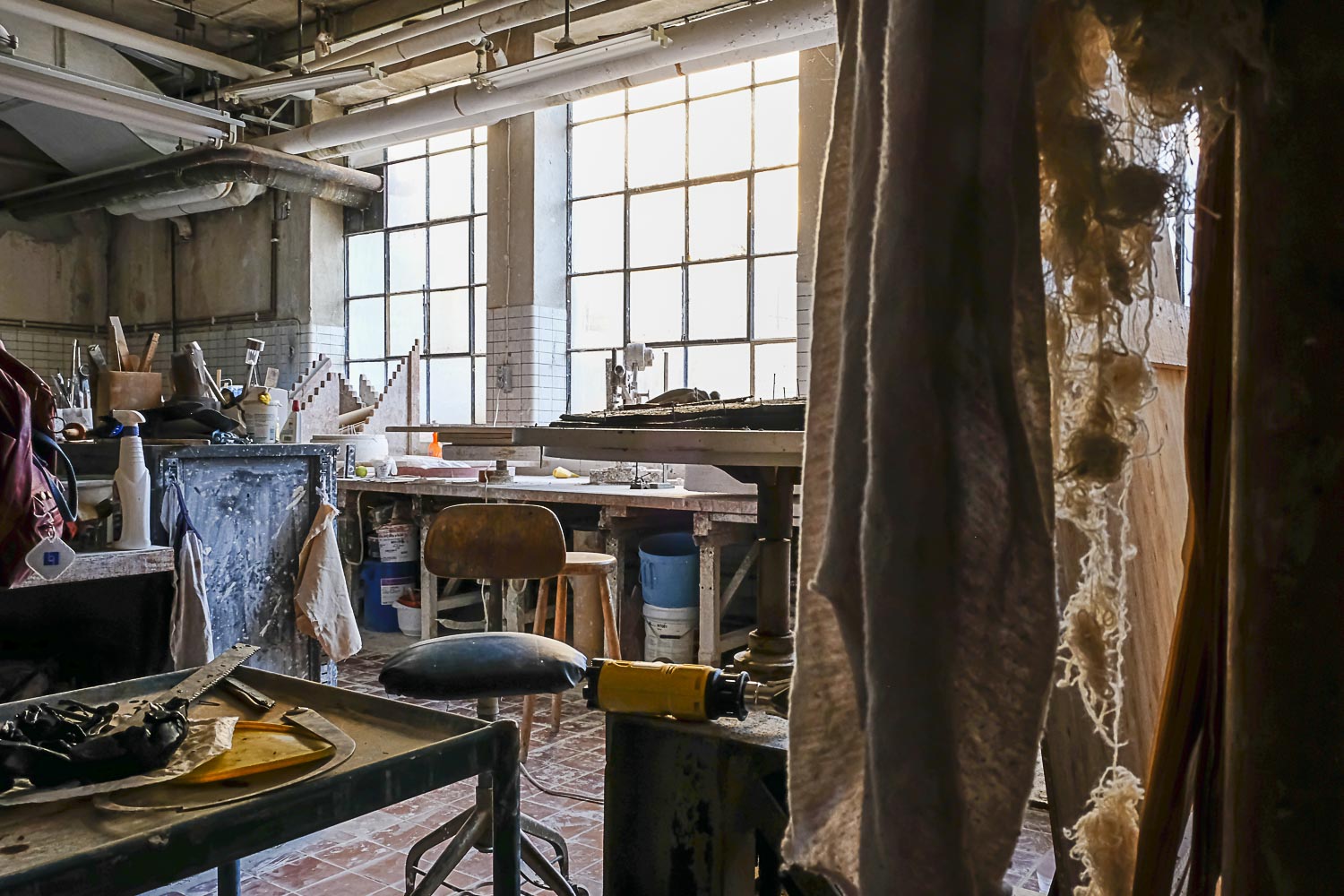
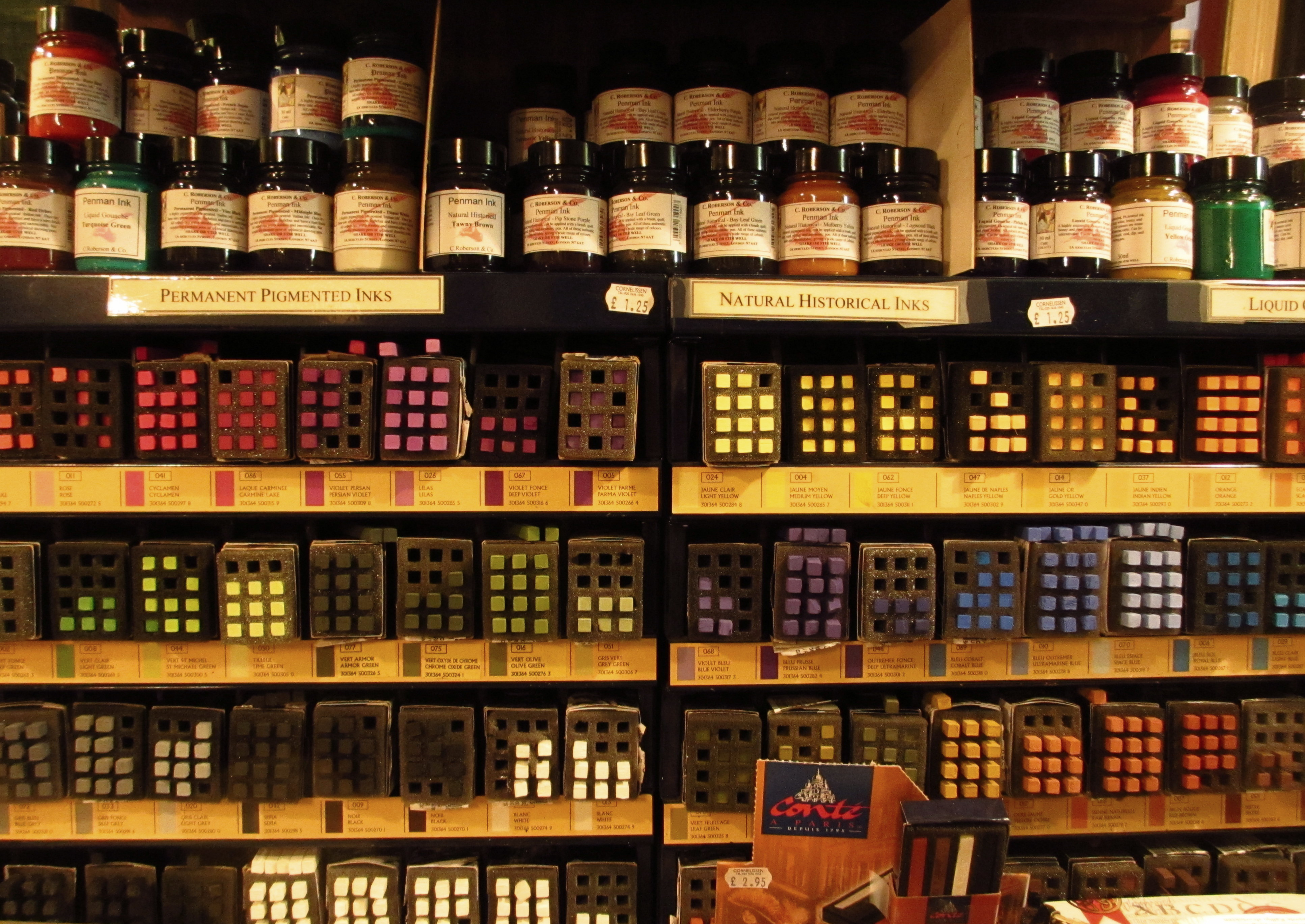
Art supplies in Beijing and in a studio in Sweden.
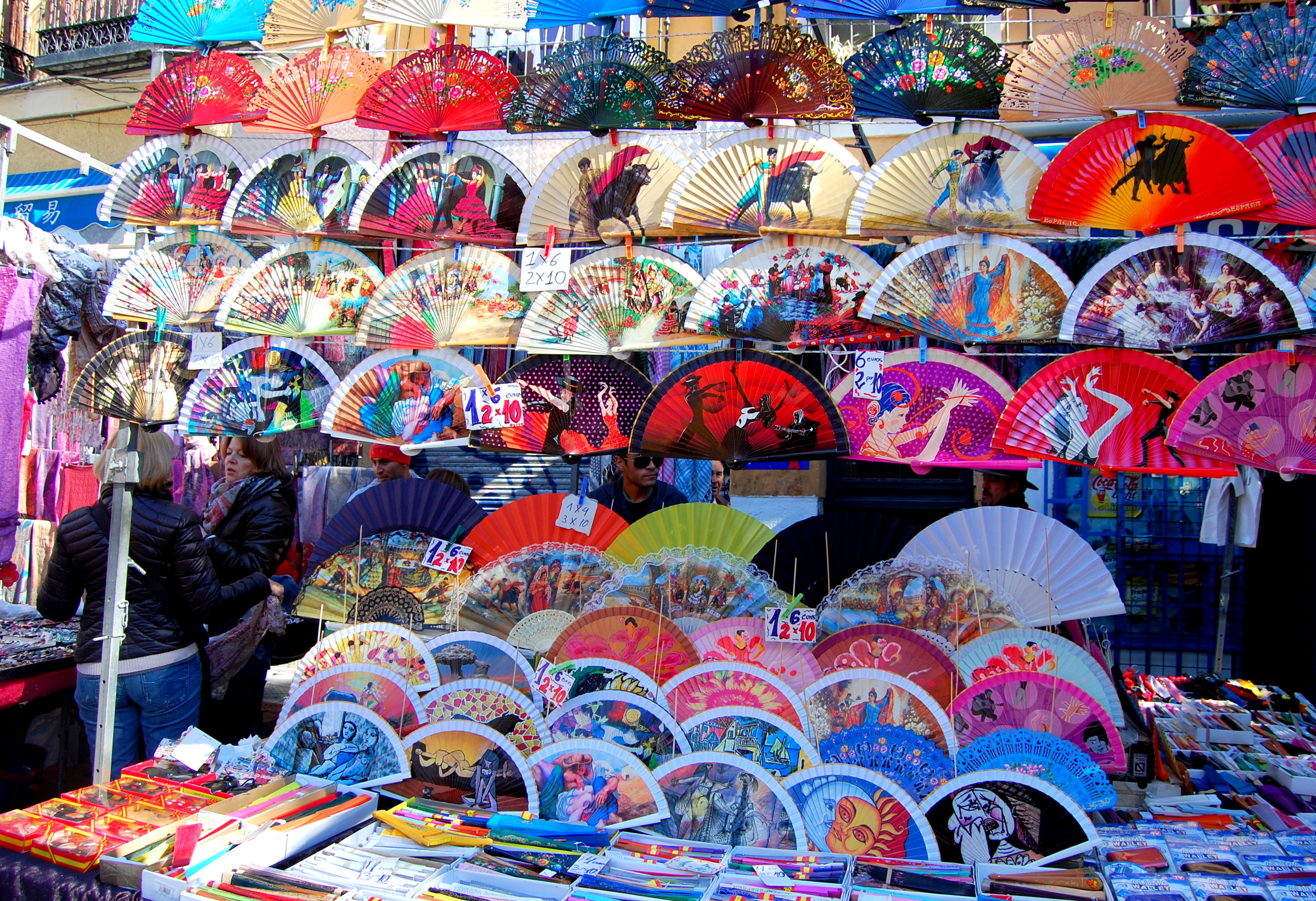
Something with a design and something with a pattern.
Be creative and bold, Anne says, but most of all, have fun! She urges us to find at least five images, but no more than ten! Please be sure to link back to Anne’s original post and use the Lens-Artists tag. This will be a fun challege to see what you have scavenged!
Many thanks to Beth, for getting us in a sports mood last week. Next week Ritva will be back so be sure to visit her site for inspiration. In the meantime, stay safe and be kind.
Of course there is no such thing as a ”perfect” pattern…but it could be perfect in Your eyes, perfect for camouflage or perfect for its purpose…or simply radiating ”perfect”! This week we challenge you to find perfect patterns and it would be great if you wanted to tell us why you think they are perfect.
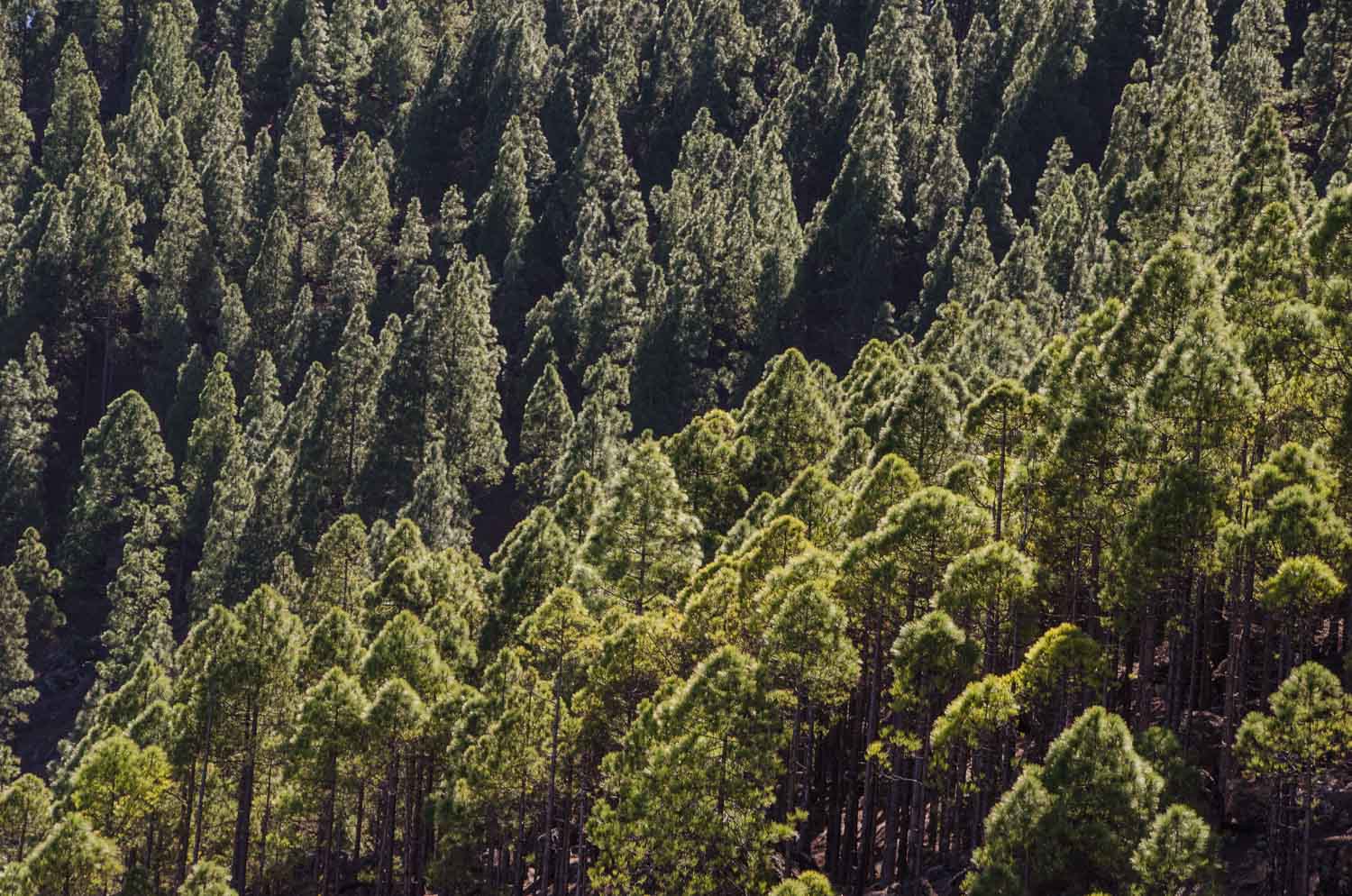
For me, the first thing that comes to mind is the natural world. Seemingly perfect, and more often than not – pleasing to the eye.
In nature, nothing is perfect and everything is perfect. Trees can be contorted, bent in weird ways, and they’re still beautiful.
– Alice Walker
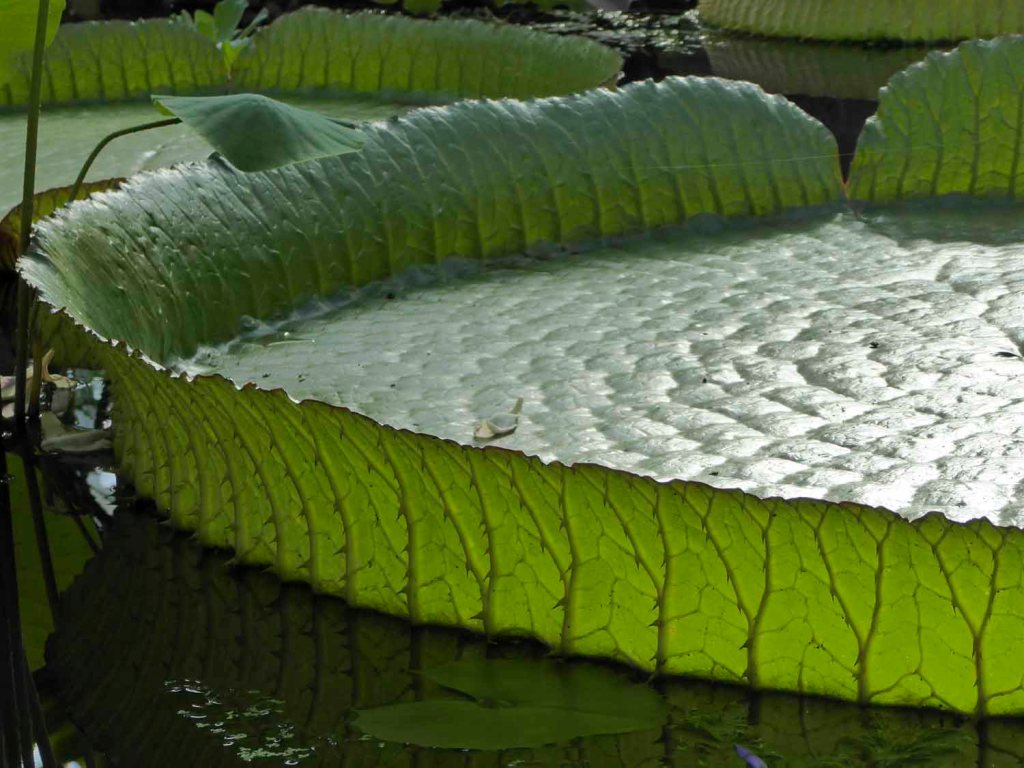
A giant lotus at Kew Gardens, and DNA strands –
The more perfect a thing is, the more susceptible to good and bad treatment it is.
– Dante Alighieri
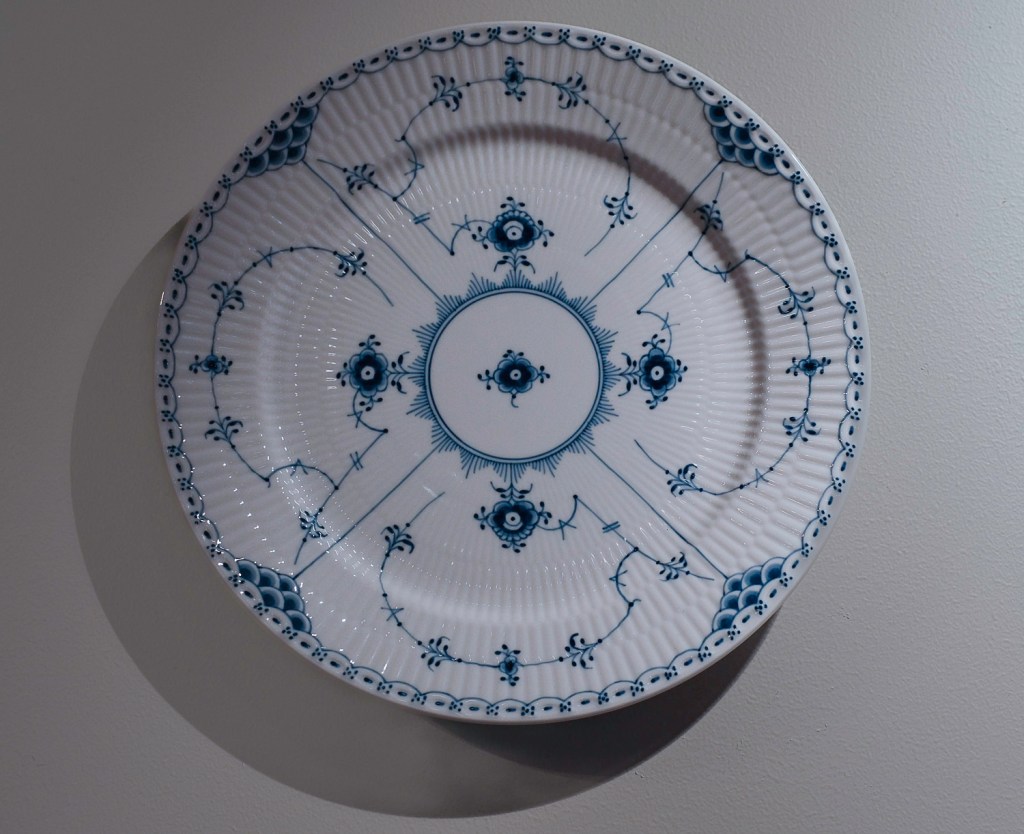
I went to Copenhagen in search for more patterns, and found Musselmalet Ribbed, the first tableware decor of Royal Copenhagen. It was designed in 1770, and today, centuries later, it is one of the most famous and coveted porcelain decorations in the world. Every piece is still painted by hand. So,…they cannot be perfect…or?
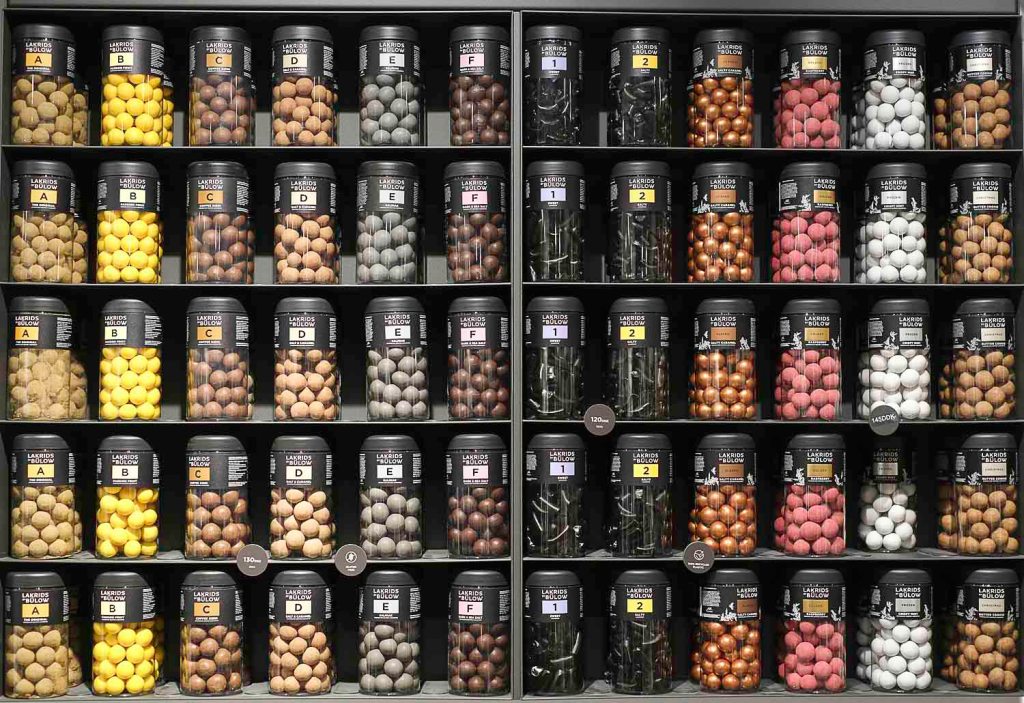
We often think that a perfect pattern should be symmetrical…but does it really have to be? These are licorice bottles.
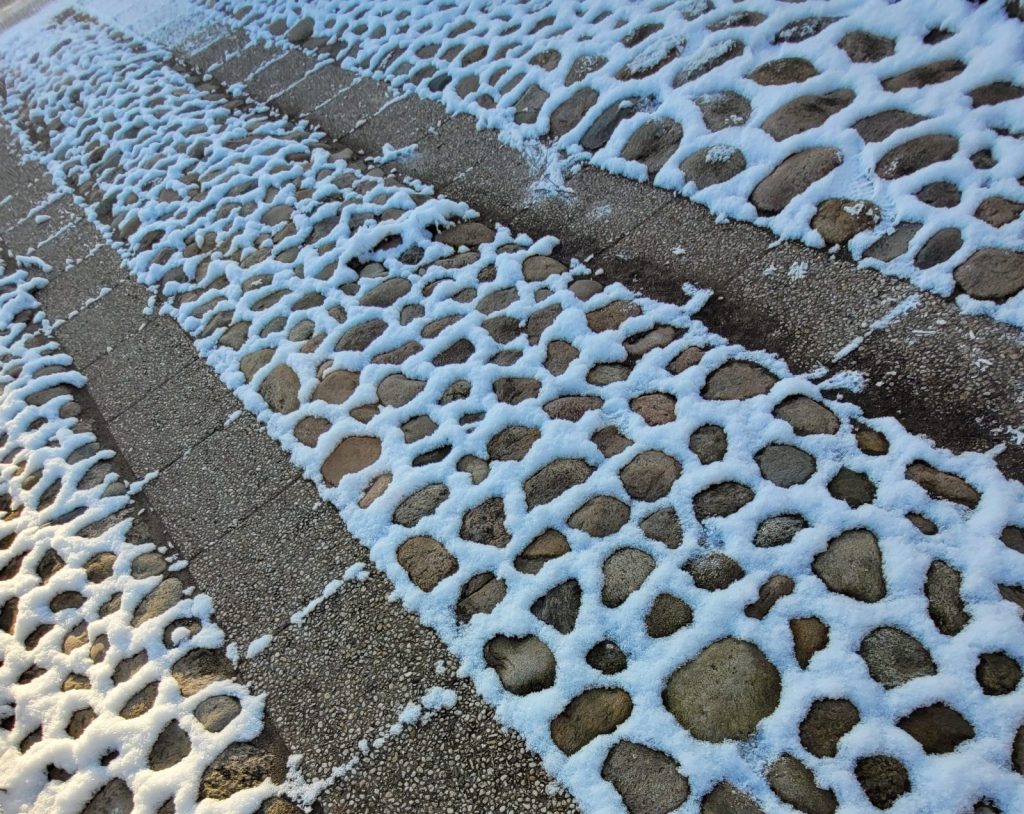
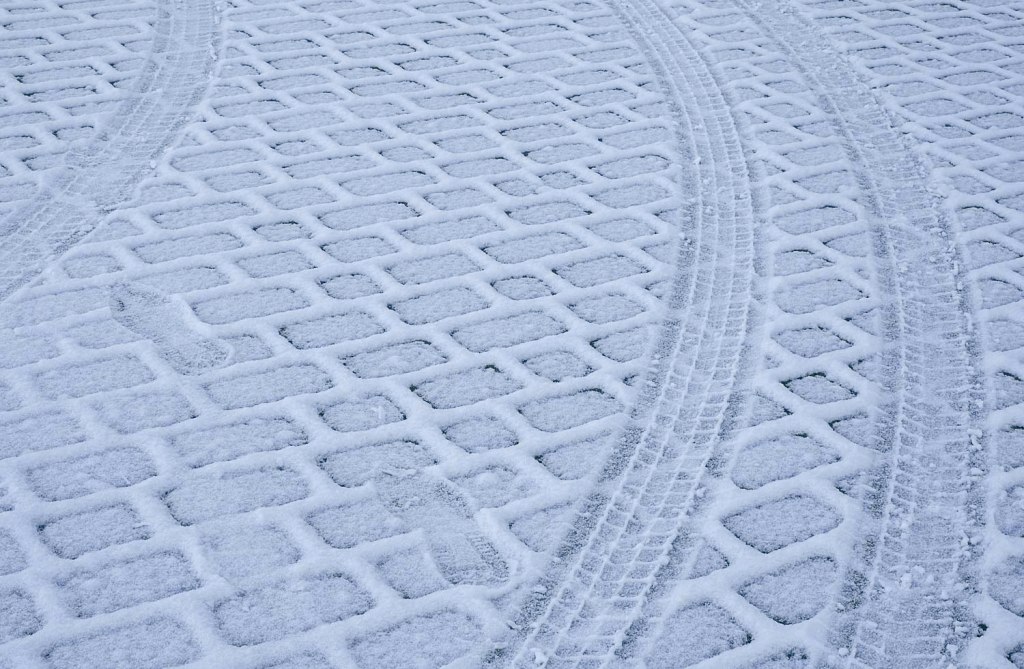
Many more patterns would be almost perfect, if humans did not mess with them. I never walk on newly fallen snow – if I am not forced to do so… but I have to feed the birds!
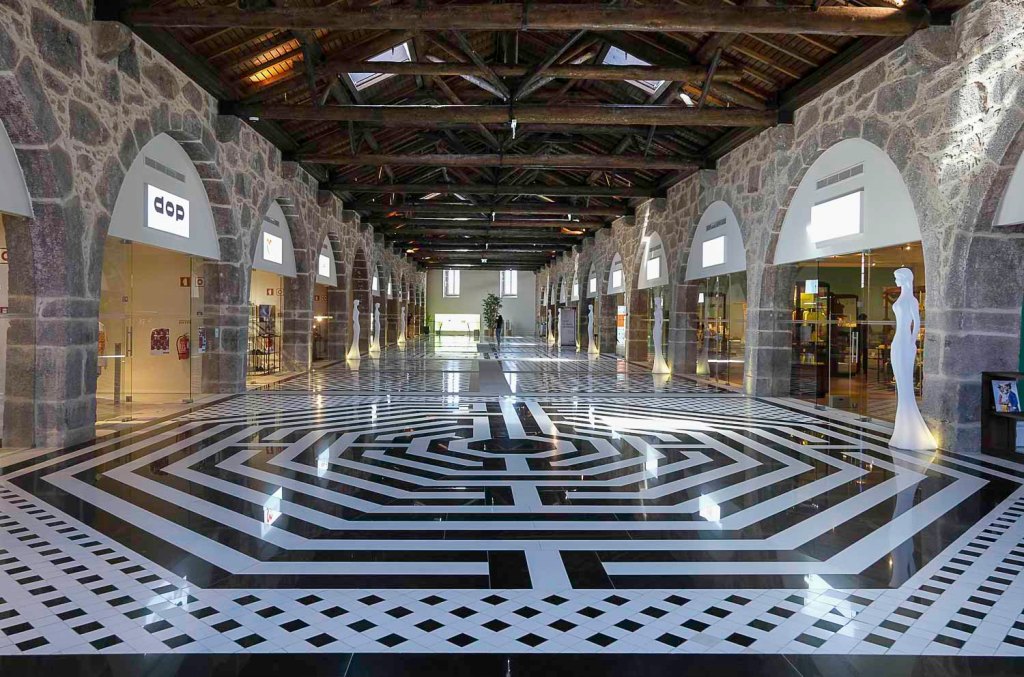
A room in one of the wineries of Porto. Surely designed to look perfect – but as it showed up in my computer – I realised it is not. The lines are asymmetrical, but somehow we don’t notice that at first. What can we learn from this?
To understand is to perceive patterns.
– Isaiah Berlin
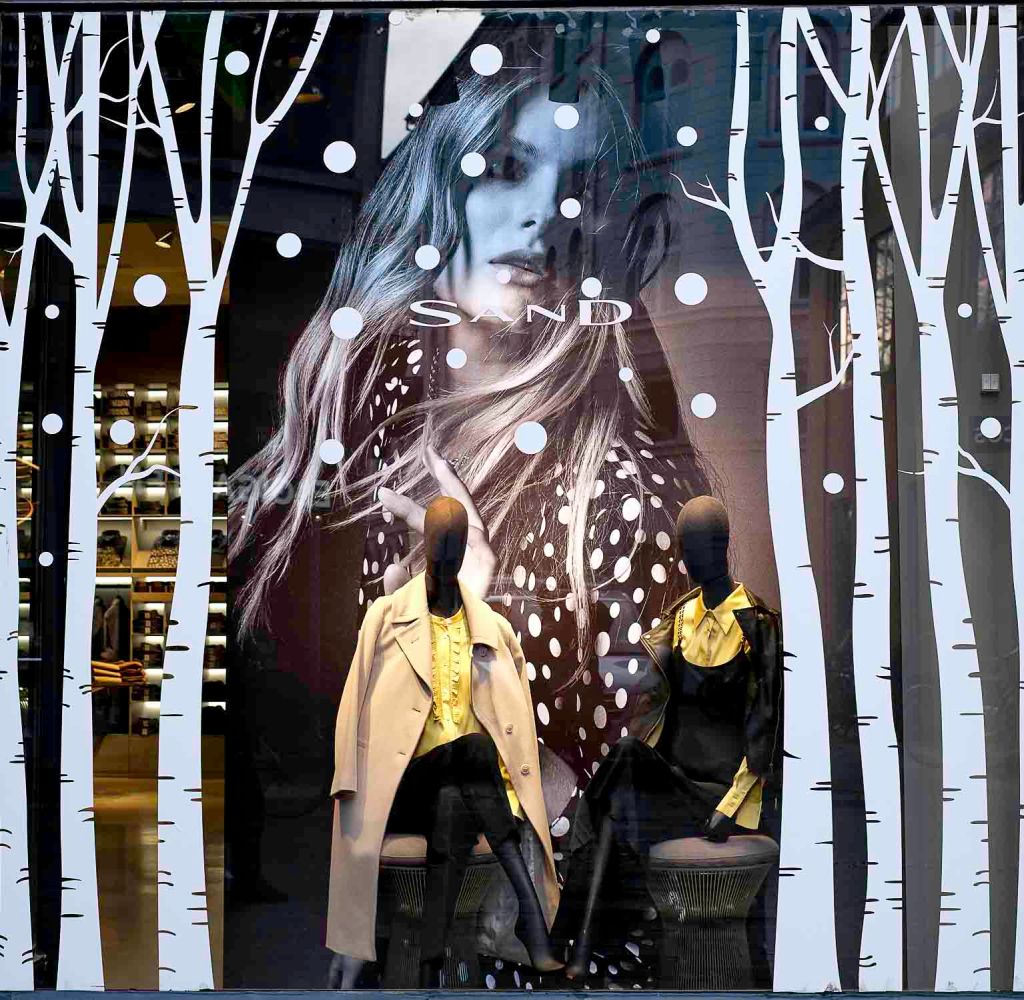
Why do I believe there are perfect patterns in this shopping window? I liked the white trunks spreading out just like the photo model’s hair, and the dots of snow and her blouse are corresponding. The scale of colours too suggests a Nordic/Scandinavian thought from the decorator. I guess it’s the harmony of different patterns that makes this window perfect in my eyes.
Back to nature again – a young eagle owl being released in freedom – as you can see, the feathers are not completely perfect – but,
I think every single imperfection adds to your beauty. I’d rather be imperfect than perfect.
– Sonam Kapoor
To sit in the shade on a fine day and look upon verdure is the most perfect refreshment.
– Jane Austen
Did you know that if you destroy a spider’s web too many times, it will not be spun as meticulously perfect anymore?
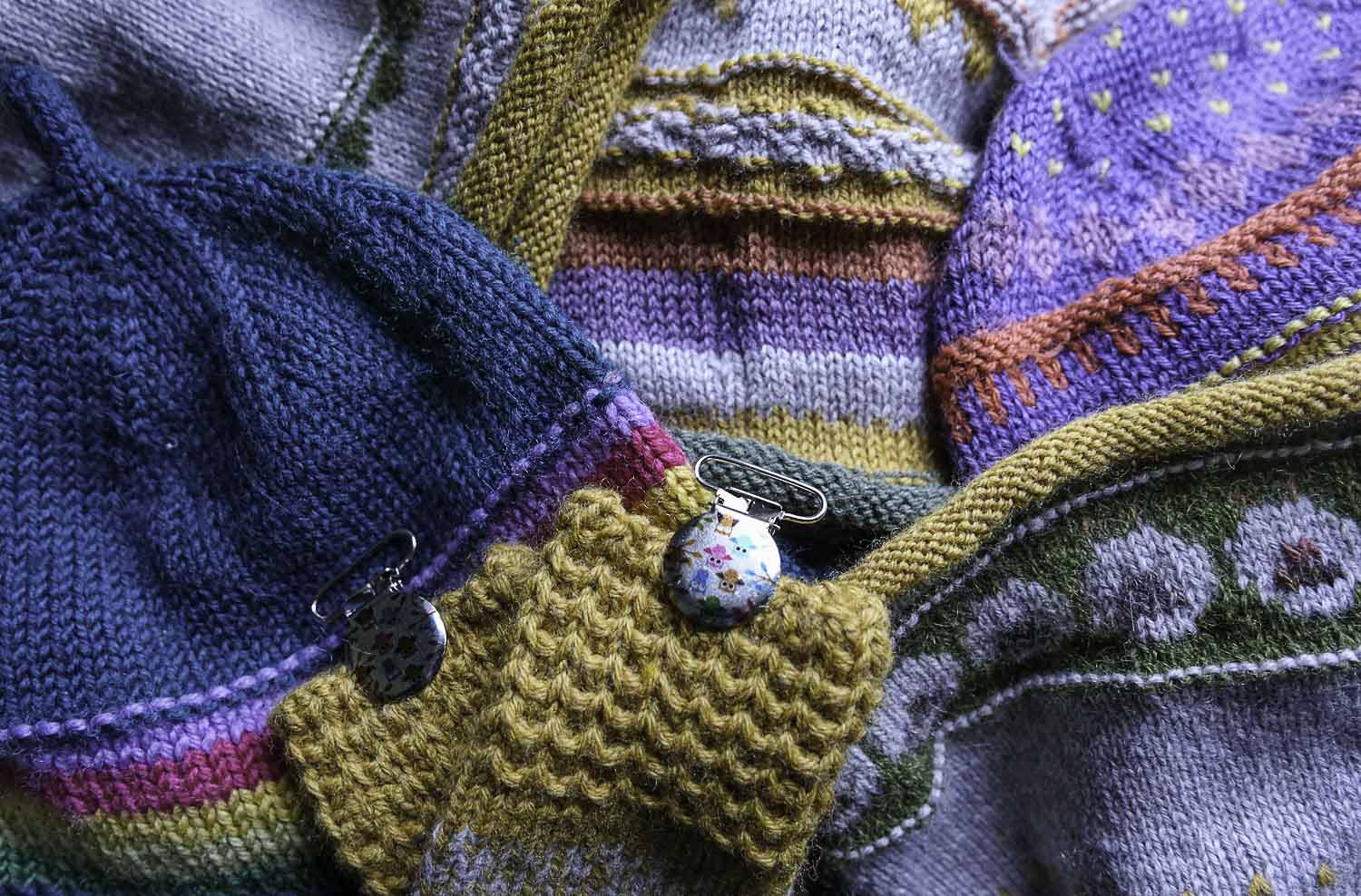
For my knitted caps, I make up ”perfect” patterns according to what I know about the person who is going to wear them. Most of these were my children’s, but the sheep cap with mittens I made this autumn (Christmas gift) for my little granddaughter.
Finally – nothing is completely perfect – at least never when a human is involved. But, let your own eyes and feelings decide what is perfect for you!!
Many thanks to Patti for last week’s Diagonals – your creative and thoughtful posts really made us think, and maybe even revise our approach to photography.
Now we’re looking forward to seeing what patterns you will find! Be sure to include a link to my original post and to use the Lens-Artists tag so we can easily find you in the Reader. If you’re new to the challenge and want to join us, click here.
Next week, it’s Tina’s turn to be our host, so be sure to visit her inspirational site for LAPC #230. Have a great week ahead and hope to see you soon!
This spring, I visited Bhutan, and met so many fantastic people and a landscape so different from ours in Scandinavia. Harmony – this is the word describing it best.
I eagerly noticed all the patterns in people’s lives – in clothes, buildings, decorations, religious paintings and habits…as well as patterns in Nature herself. Like the pattern in the header – the mules and horses trotting in a row – while the lines of the landscape, the roads, paths and fences, create natural frames.
I often try to find and capture the less obvious patterns, noticing that colours are not that important to make you see the pattern or structure itself.
But in most cases colours make an obvious difference, natural colours as well as man made ones.
Either you can find patterns in a sweeping landscape or cityscape or you can look at the little details. Any way, you will find that almost everything consists of just – patterns. Moreover, in our human society, they often have a ritual or symbolic meaning.
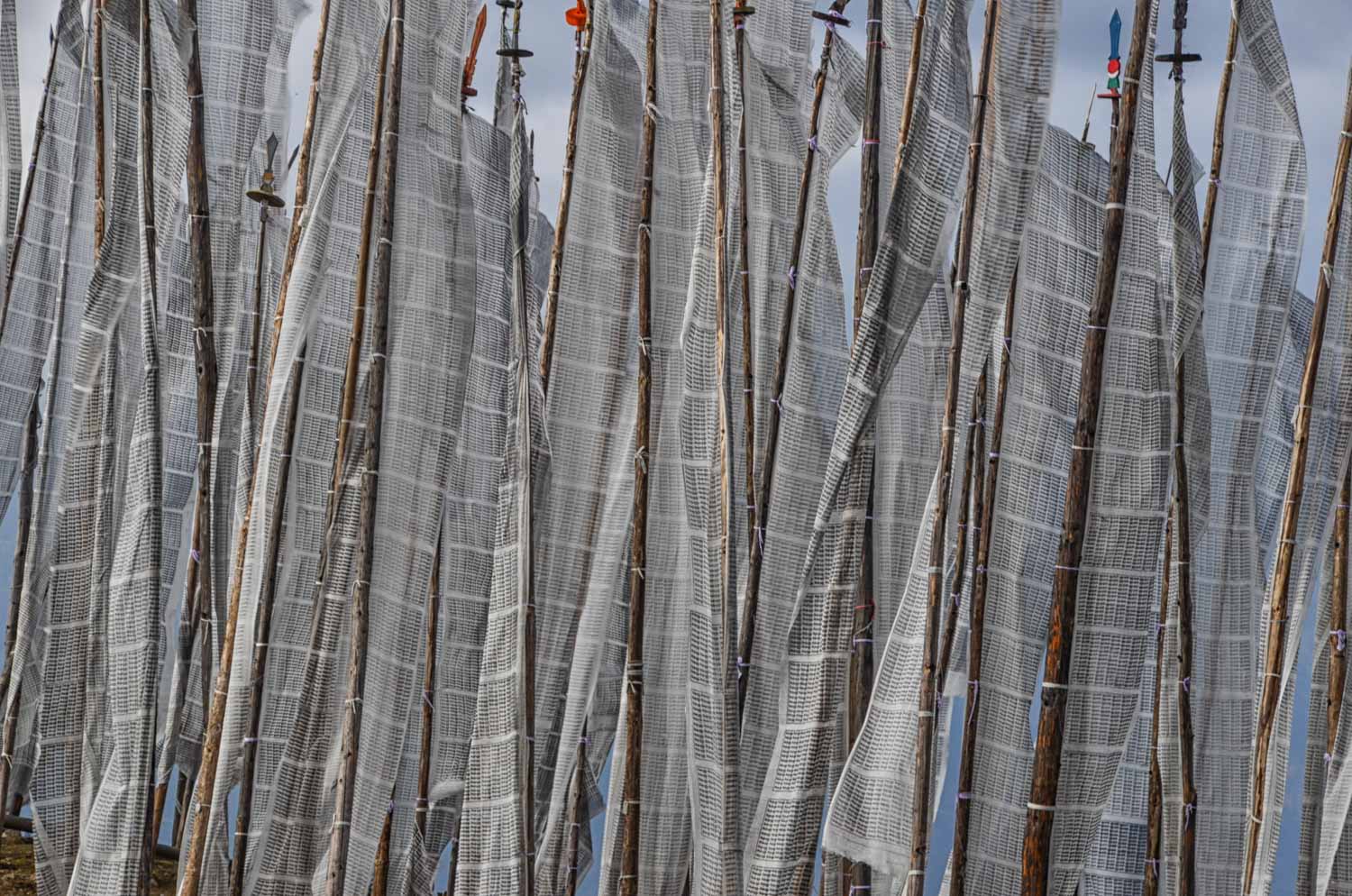
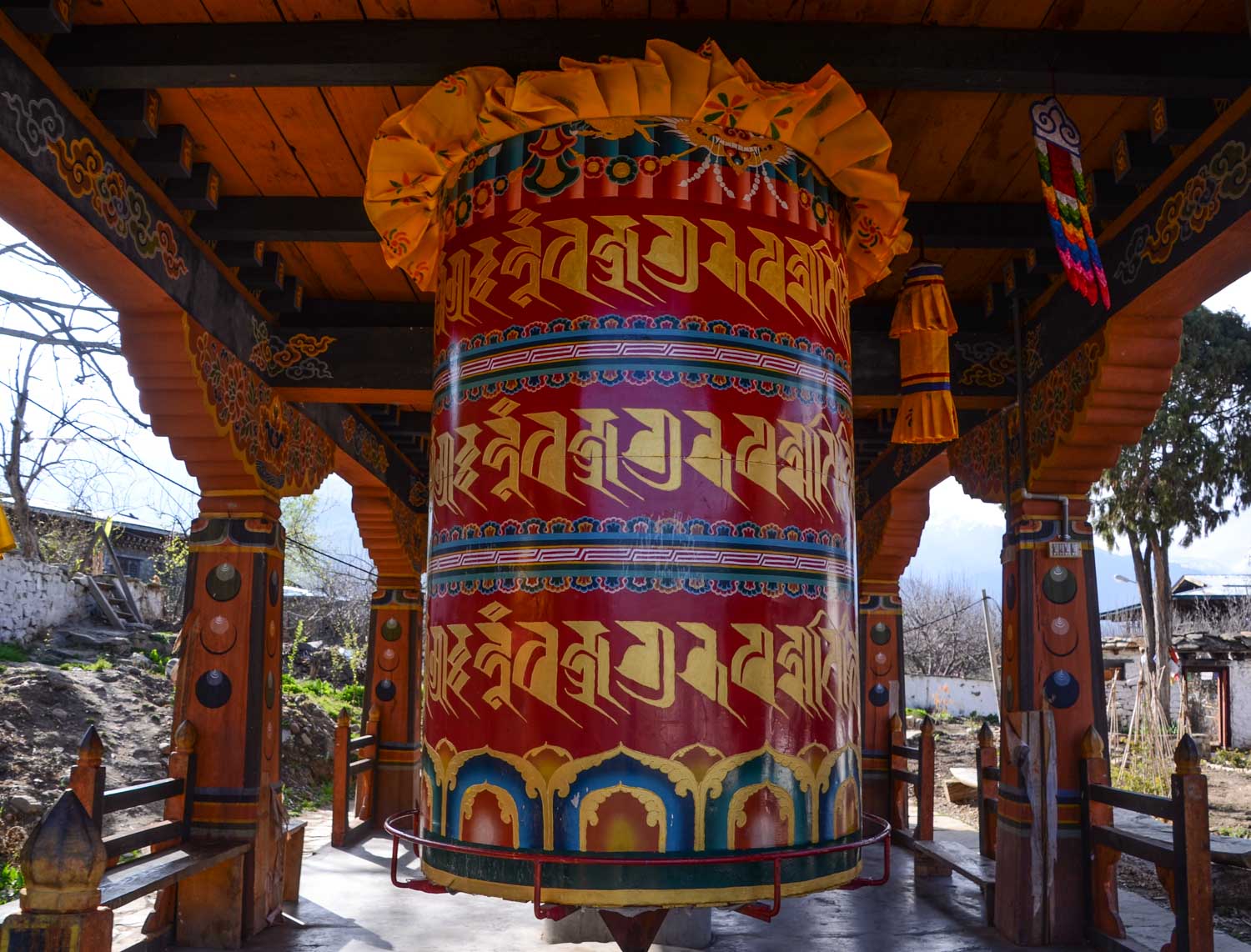
Among the most interesting patterns must be languages. When a language is written in beautiful pictures or letters – their special patterns will give them yet another meaning. Magical, isn’t it?
Life is beautiful in so many ways – and patterns are a big part of it. So, for this week’s challenge, share your interpretation of patterns— open your eyes and find new ones! In you own home, outdoors, man made or natural… Use your curiosity and creativity!
In your post, include a link to this challenge.
Use the tag “Lens-Artists” in your post. If you use a different tag, other bloggers won’t find your post in the Reader! Also keep in mind that you should use fewer than 15 tags for your post to appear in the Reader. For more information on how to tag, click here.
Amy will post the next challenge on Saturday, August 18th.
From lines to patterns. We see lines and patterns in the world around us, in nature and things man-made. Sometimes we don’t realize they’re there: on the street, across the walls, up in the sky, and along the ground on which we walk.












 Leya
Leya 
Du måste vara inloggad för att kunna skicka en kommentar.