Lens-Artists Challenge #294 – Before and After

John leads us this week, and wants us to share three or four favourite photos before and after editing. It is amazing what we can do with everything from cropping to AI! Maybe editing is not my favourite thing, but in order to be happy with our photos, I think most of us do something – like increasing light or cropping.

John’s challenge was just in time for my biggest photo project ever – scanning and editing our old slides. Trying to bring back the feeling I and my husband had when we took the shot is not easy. I have started with Greenland from 1982. I guess there are software better for this task than what I have, but I will use the tools I have available. Which also tells that these photos are not favourites, but works in progress…

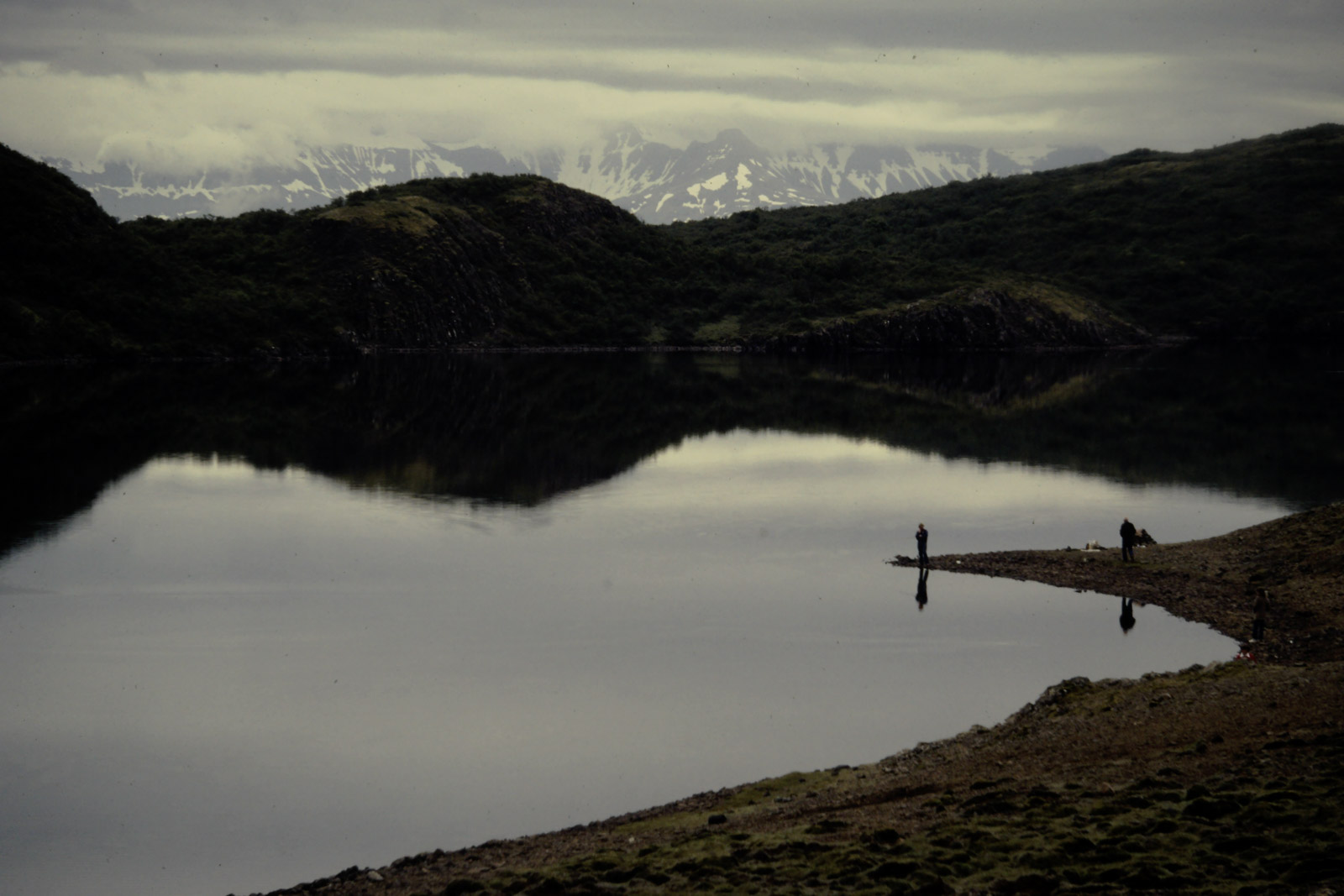
I always start in LR. Here I raised the exposure and added a mask for brightening of some shadows, then I reduced noise and haze. I always reduce highlight and raise the white. Then it is time to remove spots – and the slides have MANY spots. So, I will not repeat this sentence for the rest of them. Unfortunately the sky could not be altered smoothly, so I left it the way it was.

LR again, exposure up and shadows. Then masking to adjust the darkest parts, and after that, some noise reduction. I also raised the texture a bit for the beauty of the mountains. The sky was not a happy one, nor was the greenish snow on top, so I tried a new sky to match the ground colours, and reducing the saturation of green.

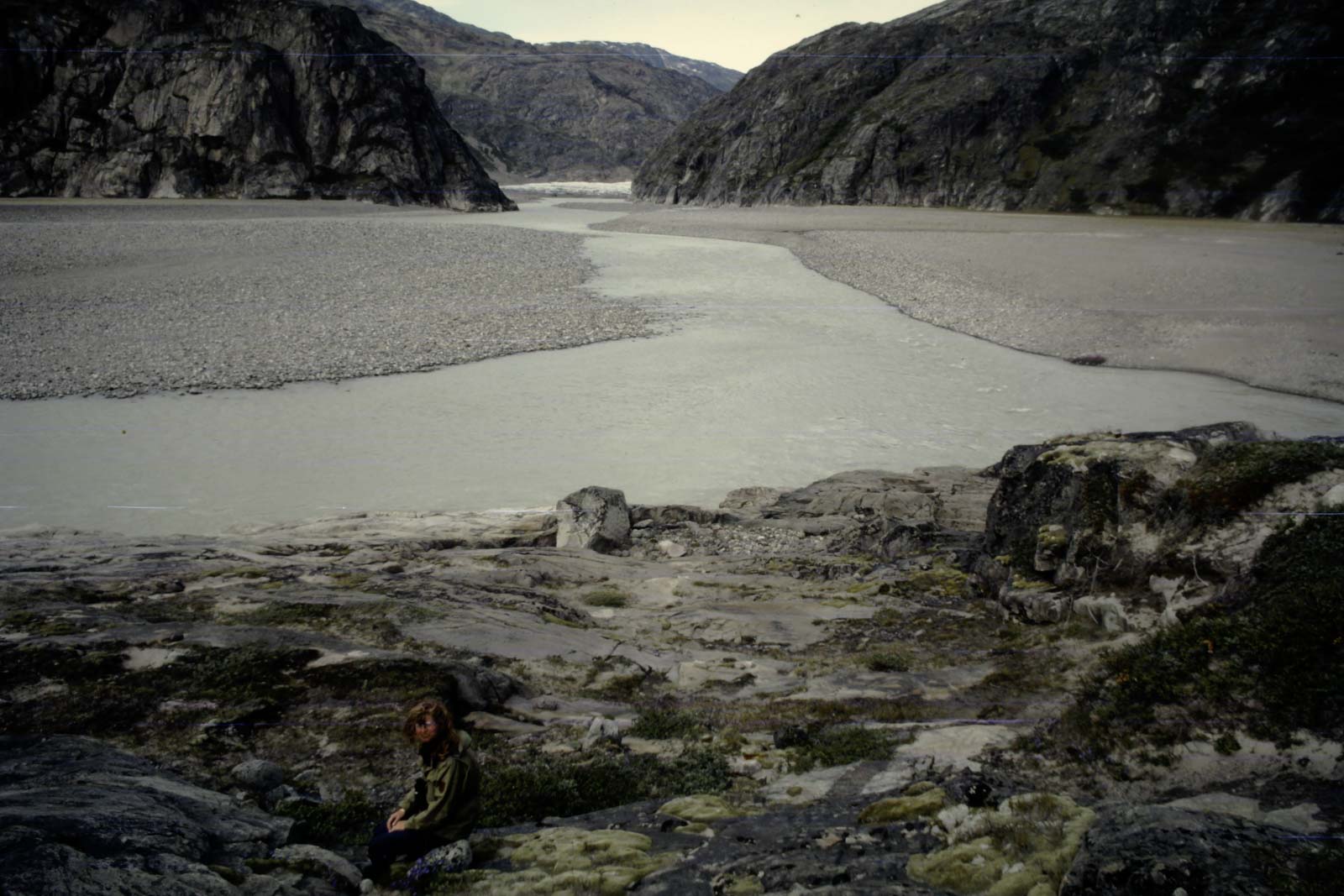
Some of the slides – quite many in fact, has got a thin blue line somewhere in the picture. Raising the exposure also revealed how hopeless the look of little me is here. So I removed myself as well. (That would be a useful possibility in real life too…) Photoshop is better than Lightroom to remove things you don’t want in the picture. Then back to LR and a reduction of noise and saturation (or sometimes an increased saturation) of yellow, green, blue and orange.

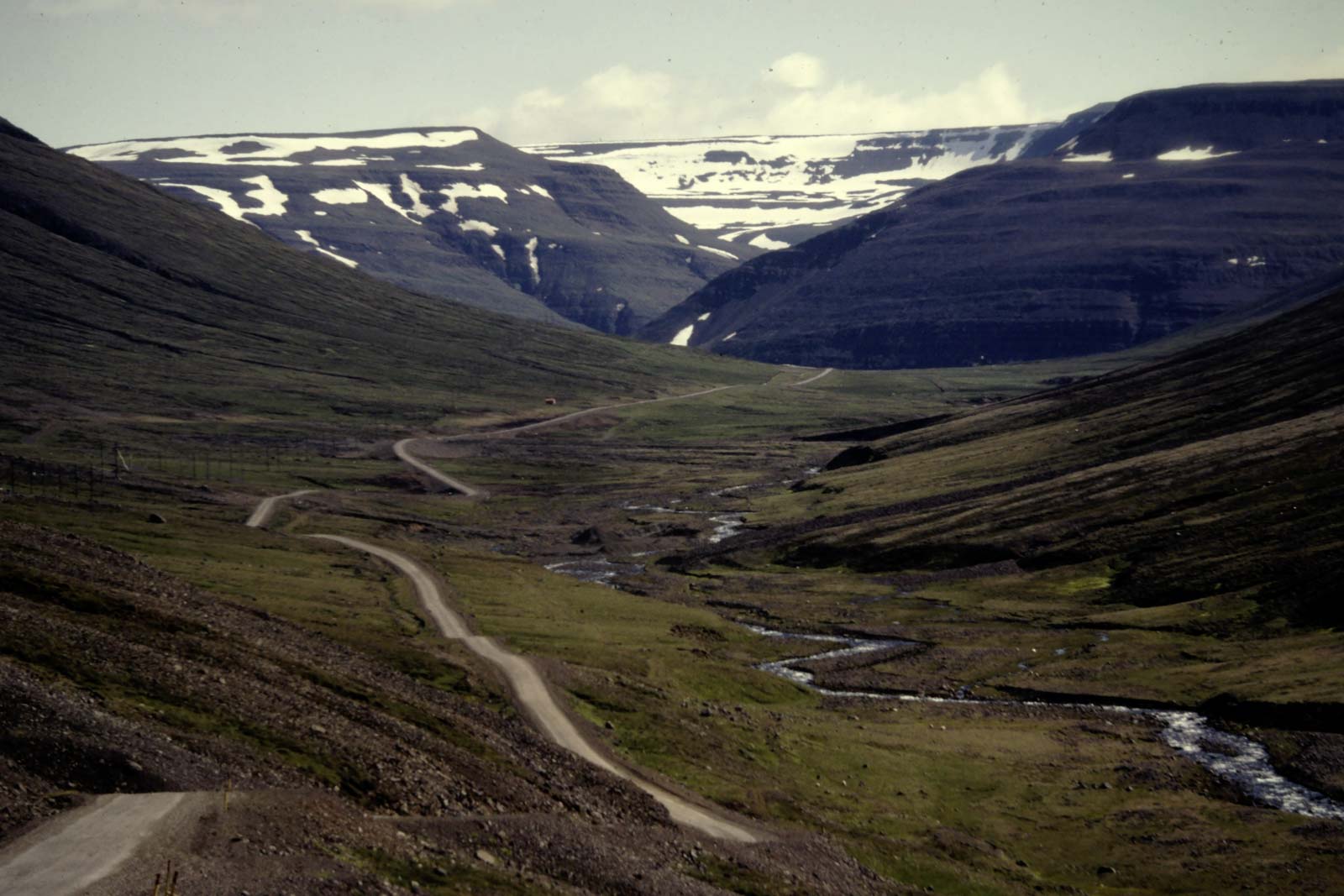
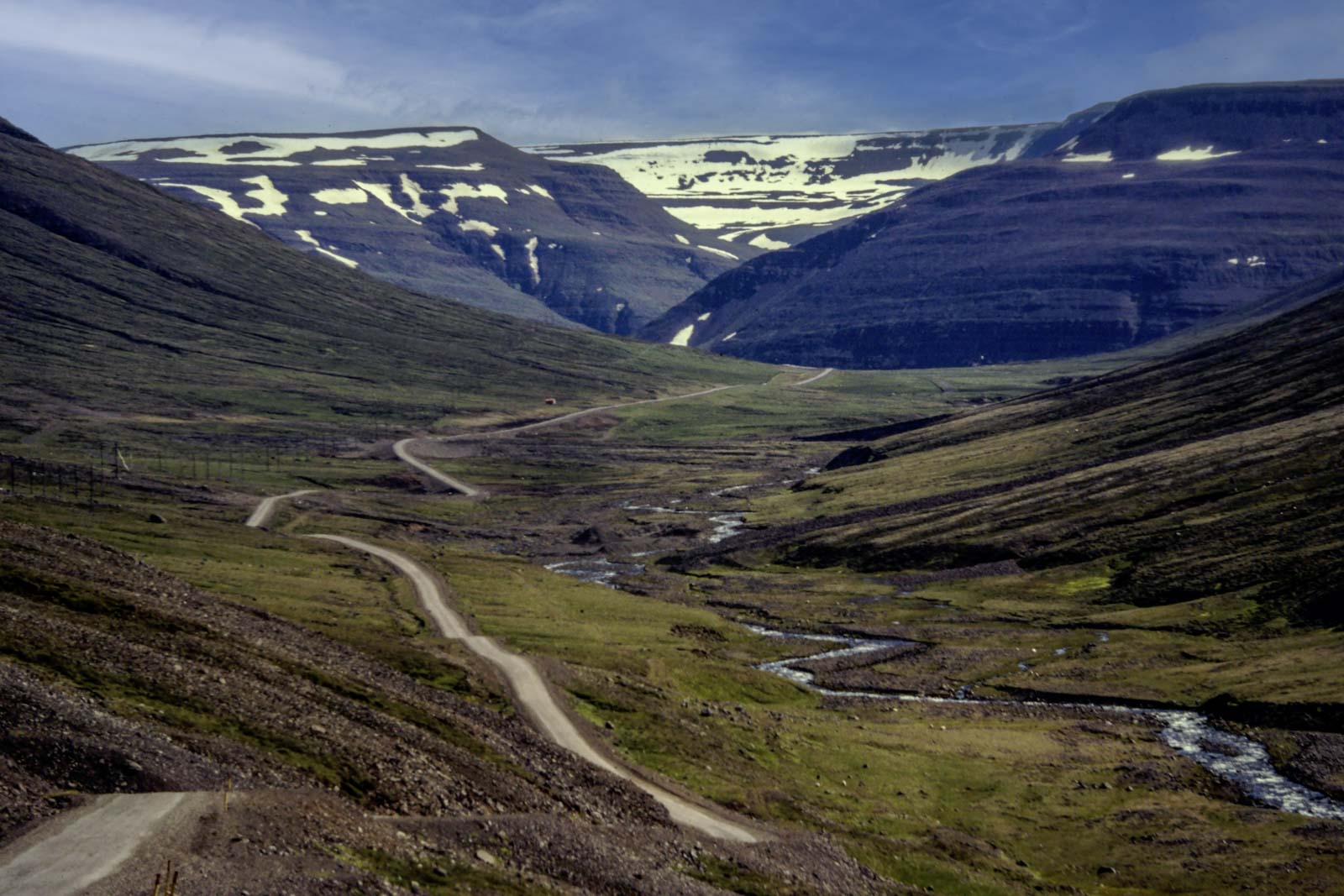
This looked a rather gloomy valley, but was one of the pictures I was quite happy with after editing. Maybe because there was no need to do much. Highlights and shadows adjusted, I reduced the haze a bit and calibration of the colour blue to deepen the overall colours. In PS I changed the sky, which I think lifted the whole landscape.

Finally – I would be grateful for any tips and tricks from anyone who has edited old slides!

John asks us to feature three or four images in our gallery that we tweaked for whatever reason as well as the original image straight out of the camera.

Last week, Sofia challenged us with Water in Motion – a delightful theme for all of us, with varied and creative answers! Next week, Donna of https://windkisses.com/ will host the challenge. Please visit her lovely site for inspiration, and you can find more information here if you want to join the fun.

Lens-Artists Challenge #289 – Tools of Composition

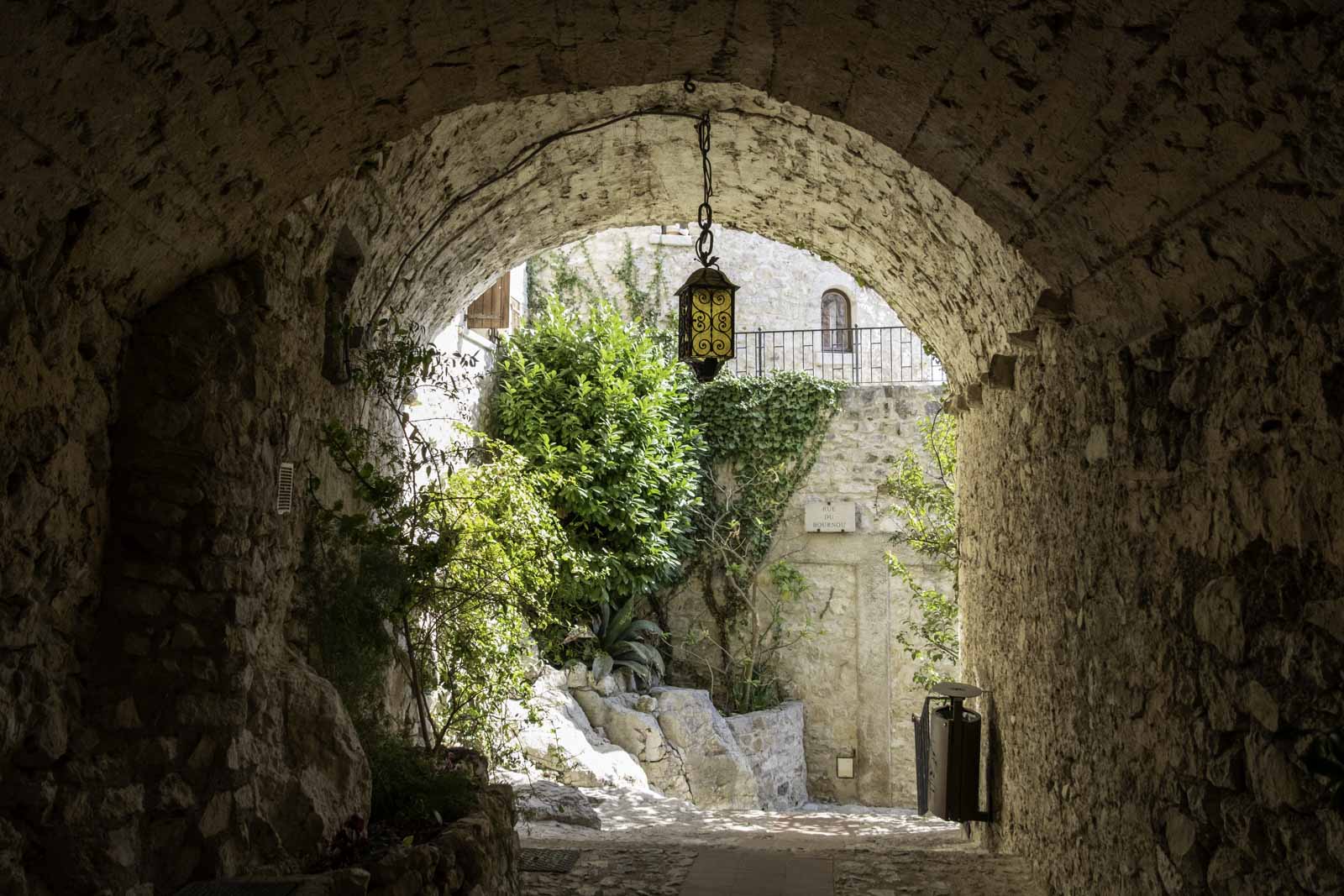
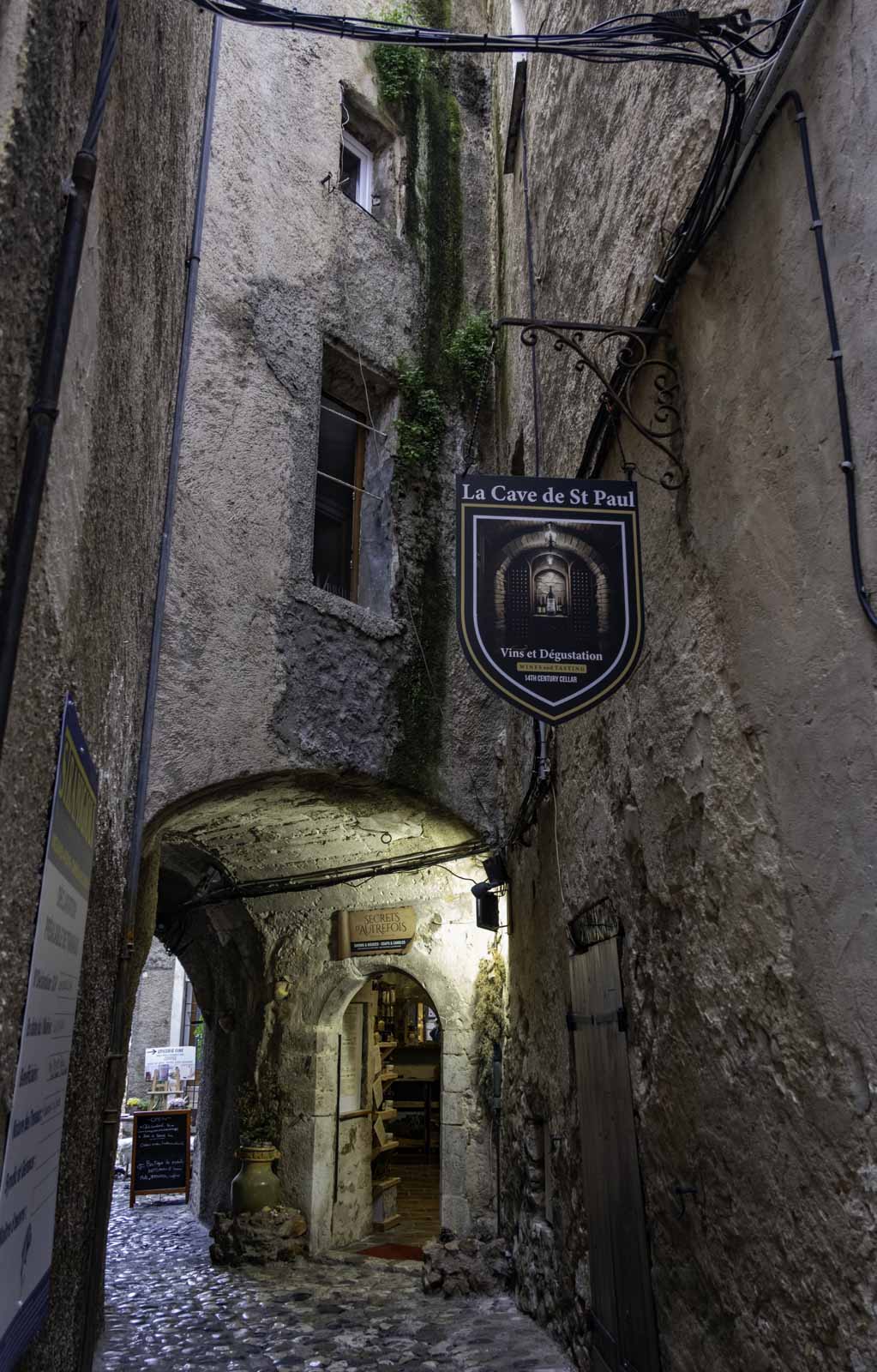
John leads the challenge this week, and wants us to focus on the importance of Shape, Form, Texture and Light in our compositions. I guess most of us do, but without thinking about it. This tunnel in Eze, France, is smoothly showing off all these aspects. I simply take photos of what I find a beautiful view.

John suggests we choose to highlight one or more of these aspects, and present one or two of our favorites. We can decide to focus on only one aspect or include examples of all of them. I thought I would focus on my favourites, texture and light – but found I had some examples for all four of them. Some more of the latter though…

As John points out, the difference between shape and form can be difficult to decide, but artists typically consider shape to be two-dimensional while a form is three-dimensional. This picture above shows a shape of a house that has been stripped of its form. You can still see where the walls and staircases once was.

A house like this would represent a form – a square house in the middle of a square in a little town in Switzerland.

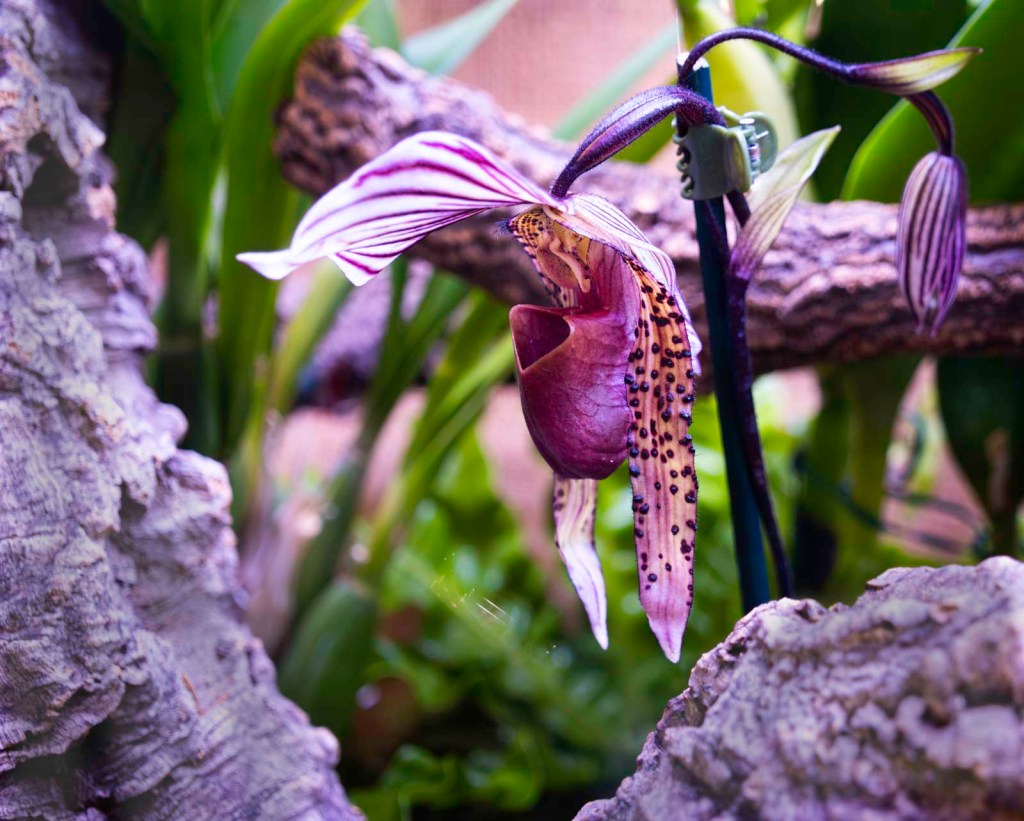
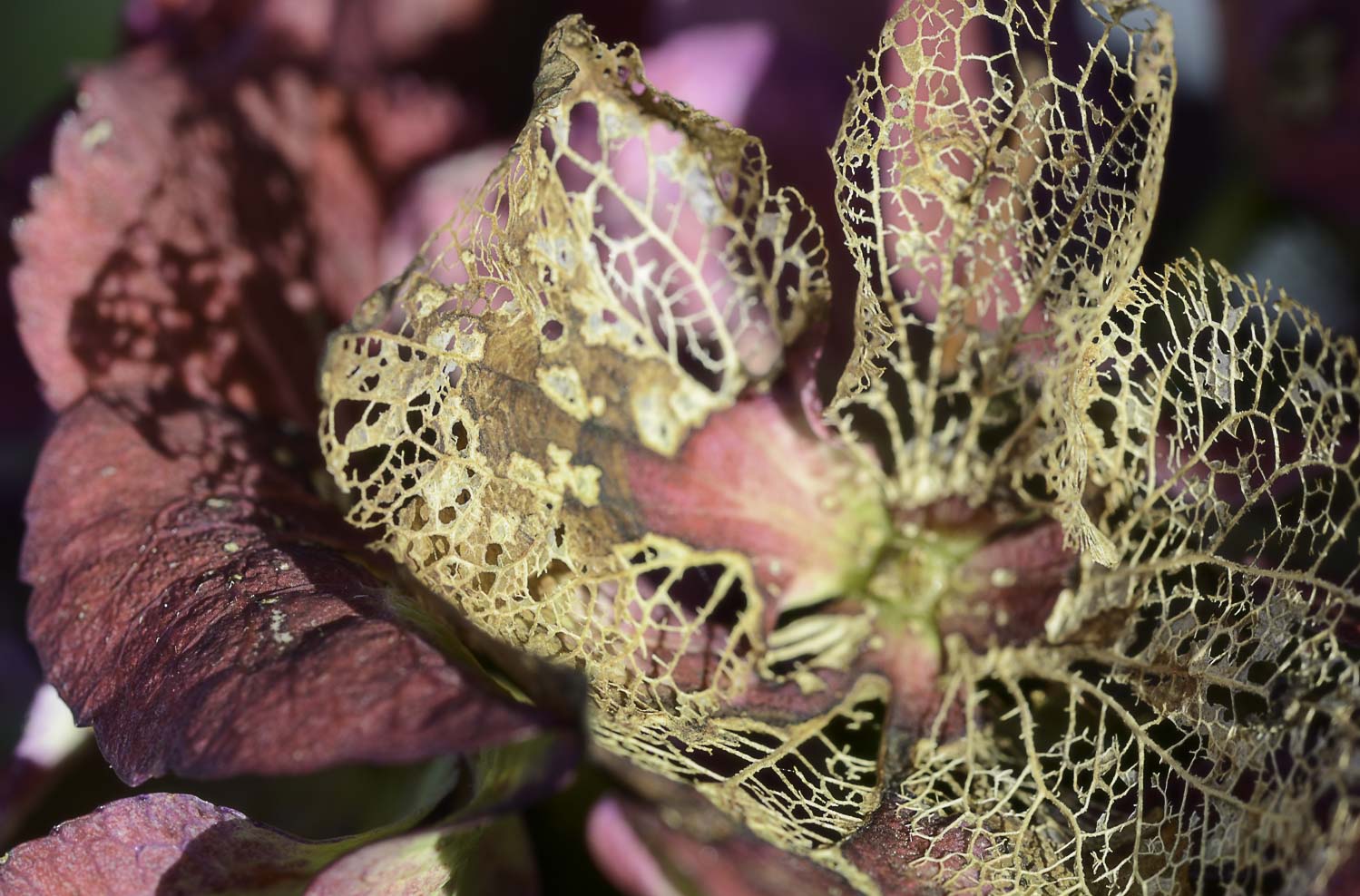
I too, find flowers to be one of my favorite organic forms as subjects for my photography. Cherry blossom in my garden is what I long for right now – but this rare orchid was a real treat on our short trip to Menton.

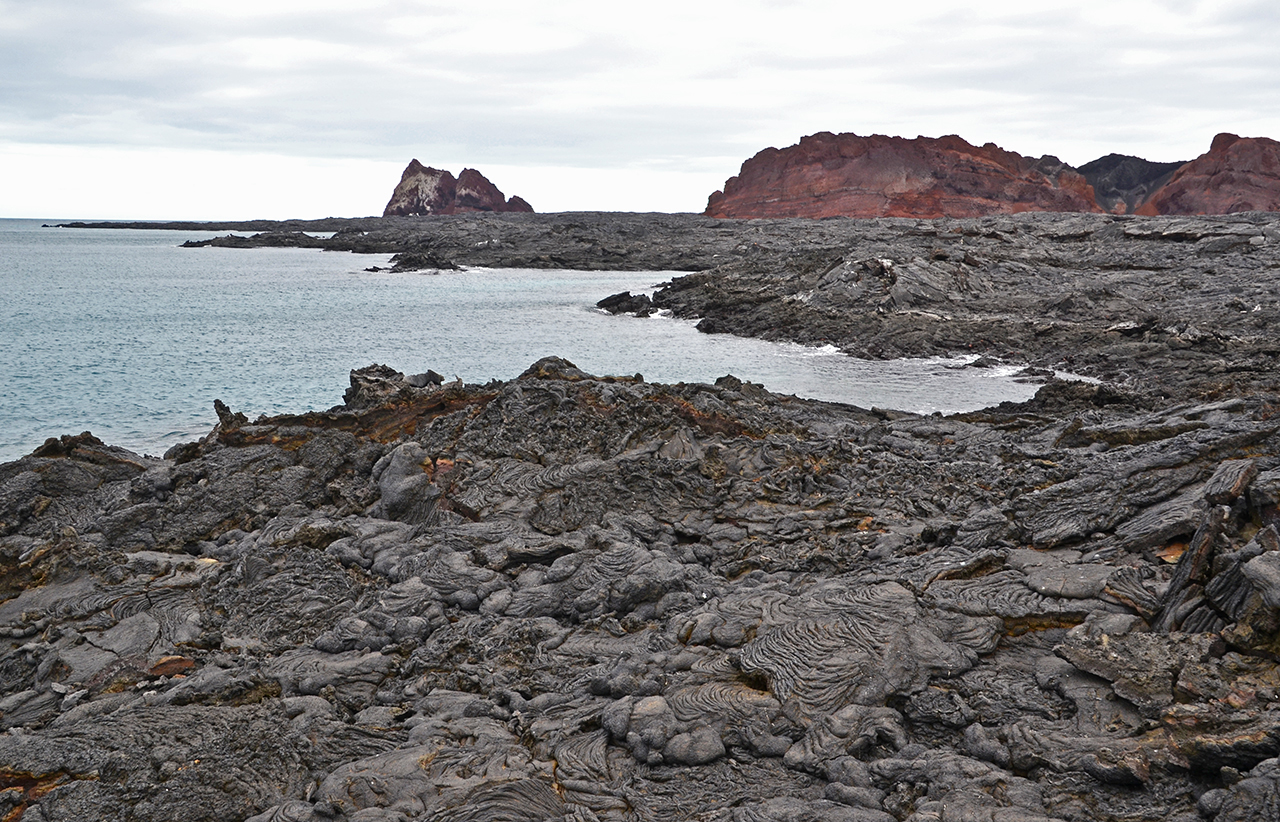
There are many unique textures created by the elements, and right now I want to highlight magma and lava – as there is an ongoing volcanic eruption in Iceland again. Lava formed to solid rock makes fascinating textures. My picture is from the Galapagos Islands.

Photos wouldn’t be possible without light, and capturing light is what photography is all about. Personally I prefer natural light, and will not use the flash unless I am desperately forced to. Which is…almost never.

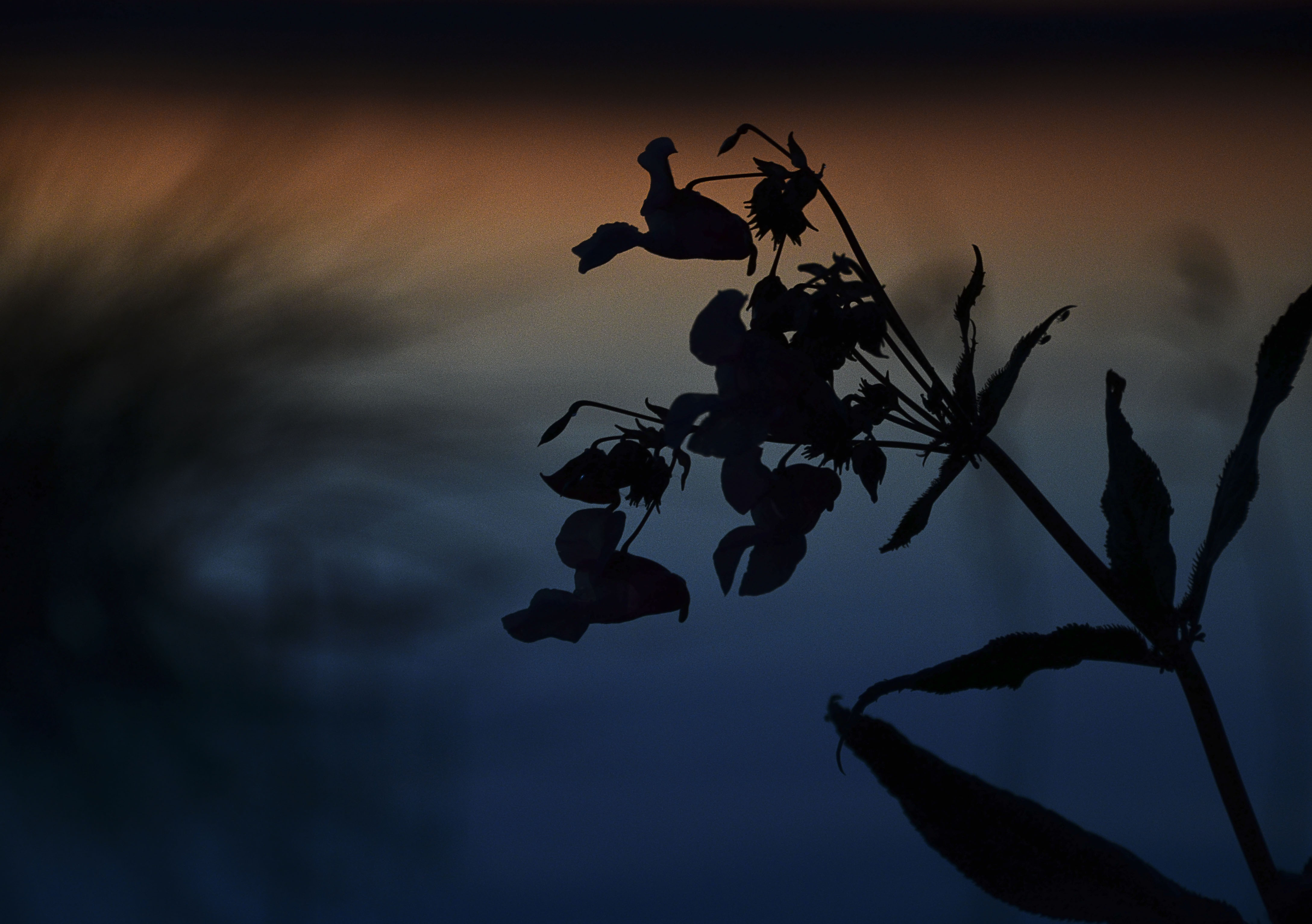
You can find light everywhere – in the air, in lamp light, sun rays, grasses, glow worms, reflections in water, stones, rails… Backlight is a lovely favourite of mine.

Finally, a Morocco favourite from the small, colourful alleys in Marrakesh.

I am always waiting for some magical light….but, I seldom get it as I live far away from the sea. I feel the light there is often more magical than elsewhere. Except maybe for the desert. Every time I go somewhere close to a lake or the sea, I use some mornings and evenings waiting for ”that” magical moment. The fiery sky photo in the opener was captured on my recent visit to Nice.

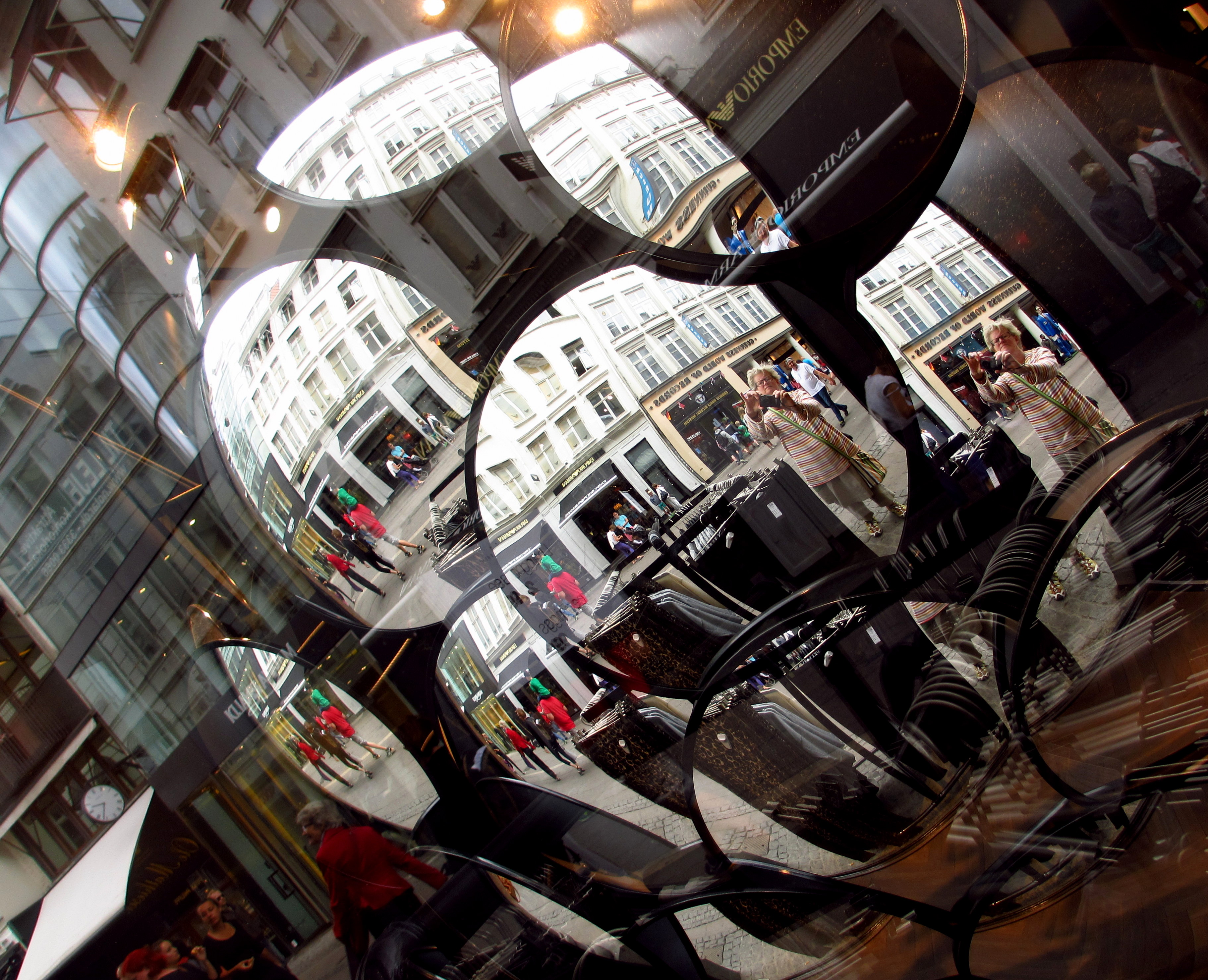
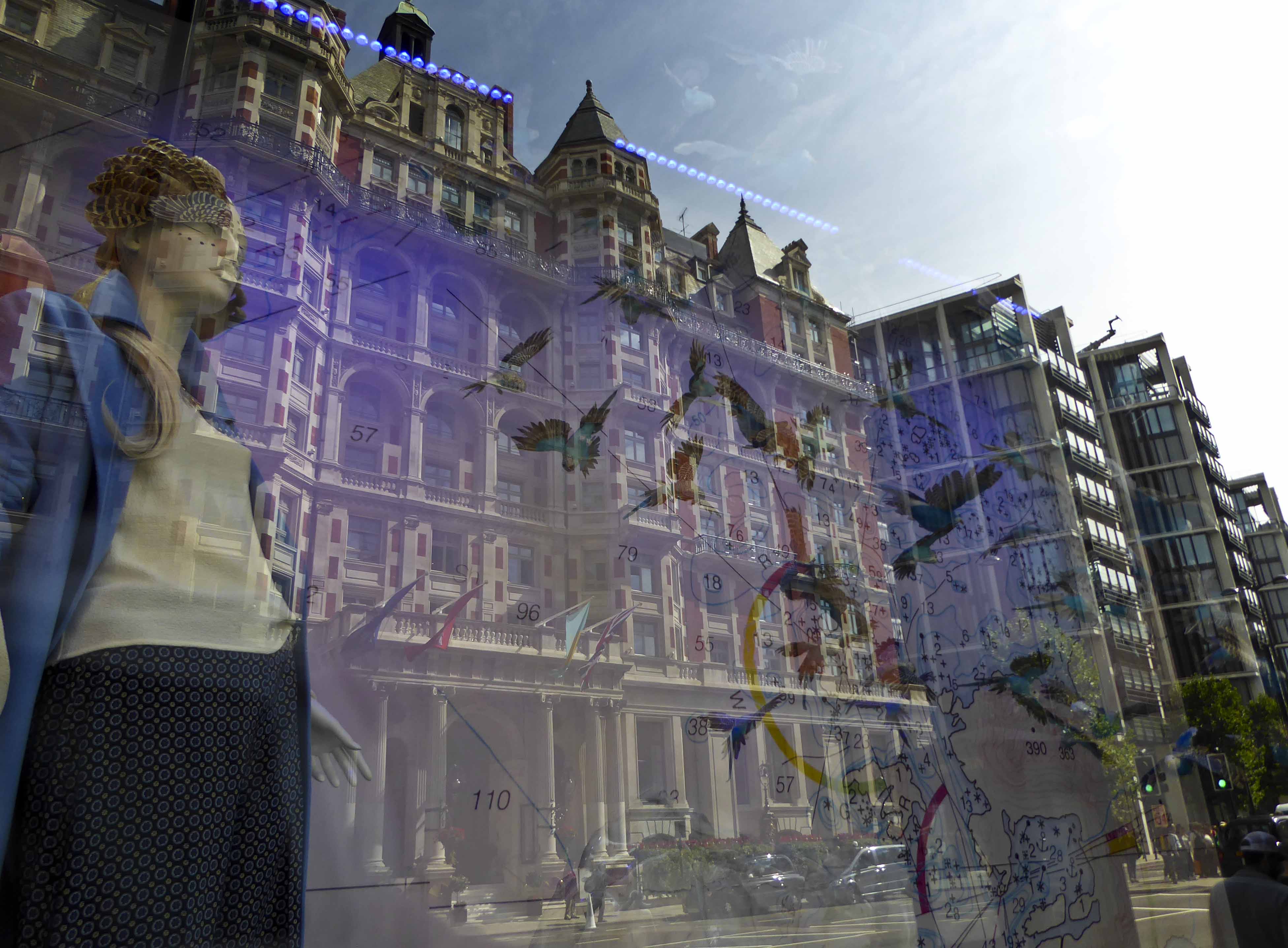
Last week, Ritva challenged us to do some Window Shopping – a big thank you for a fun and interesting challenge! I realised I never do this unless I go abroad. It also brought new insight into other cultures and people’s interests. Next week, it is my turn to be your host for the Lens-Artists Challenge. Until then, take care and be kind.

Be sure to link to John’s page if you are participating, and remember to use the Lens-Artists tag. If you’d like to respond to our challenge each week and want to know how to get started, click here.

Thursday Thoughts – Seen in Seattle

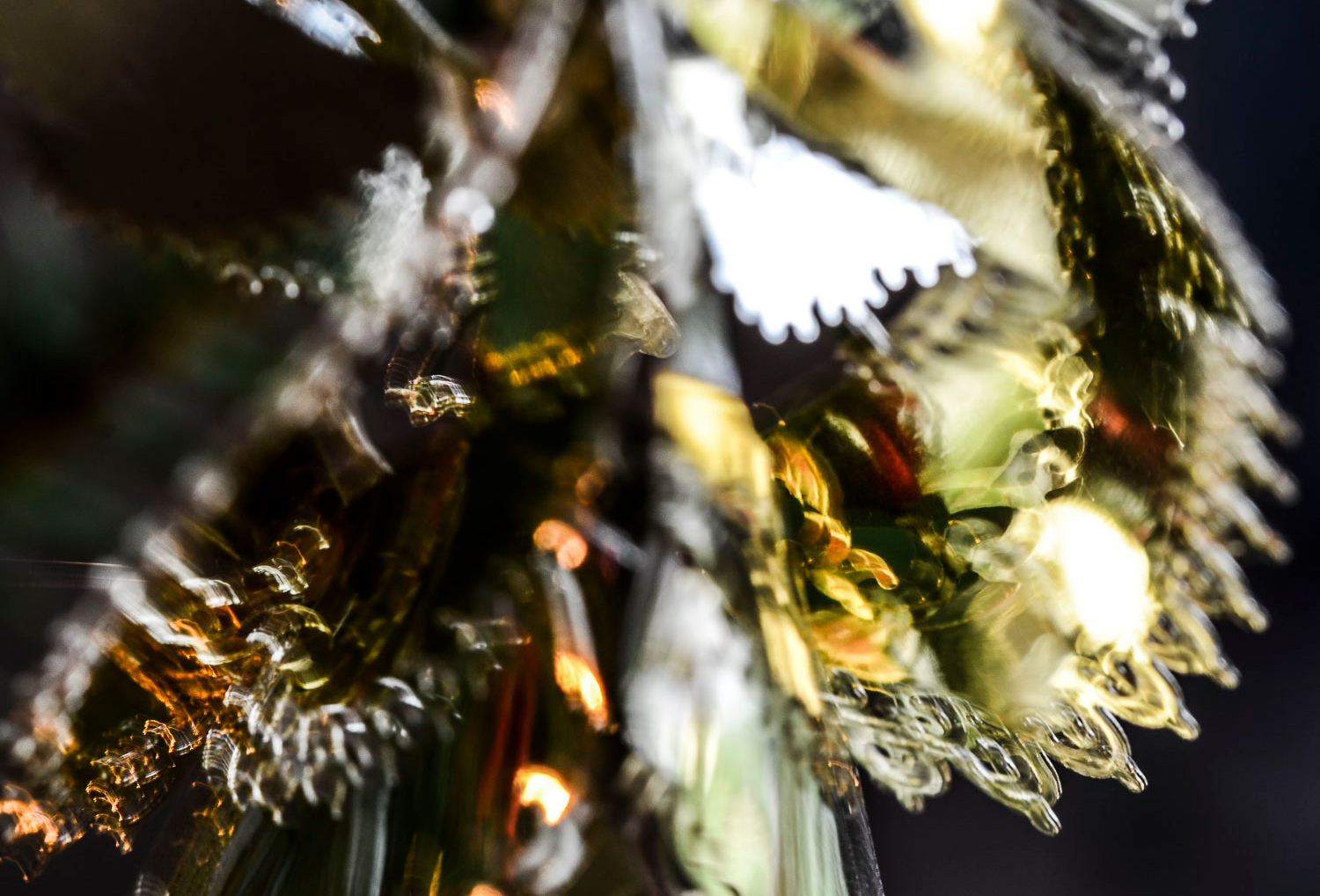
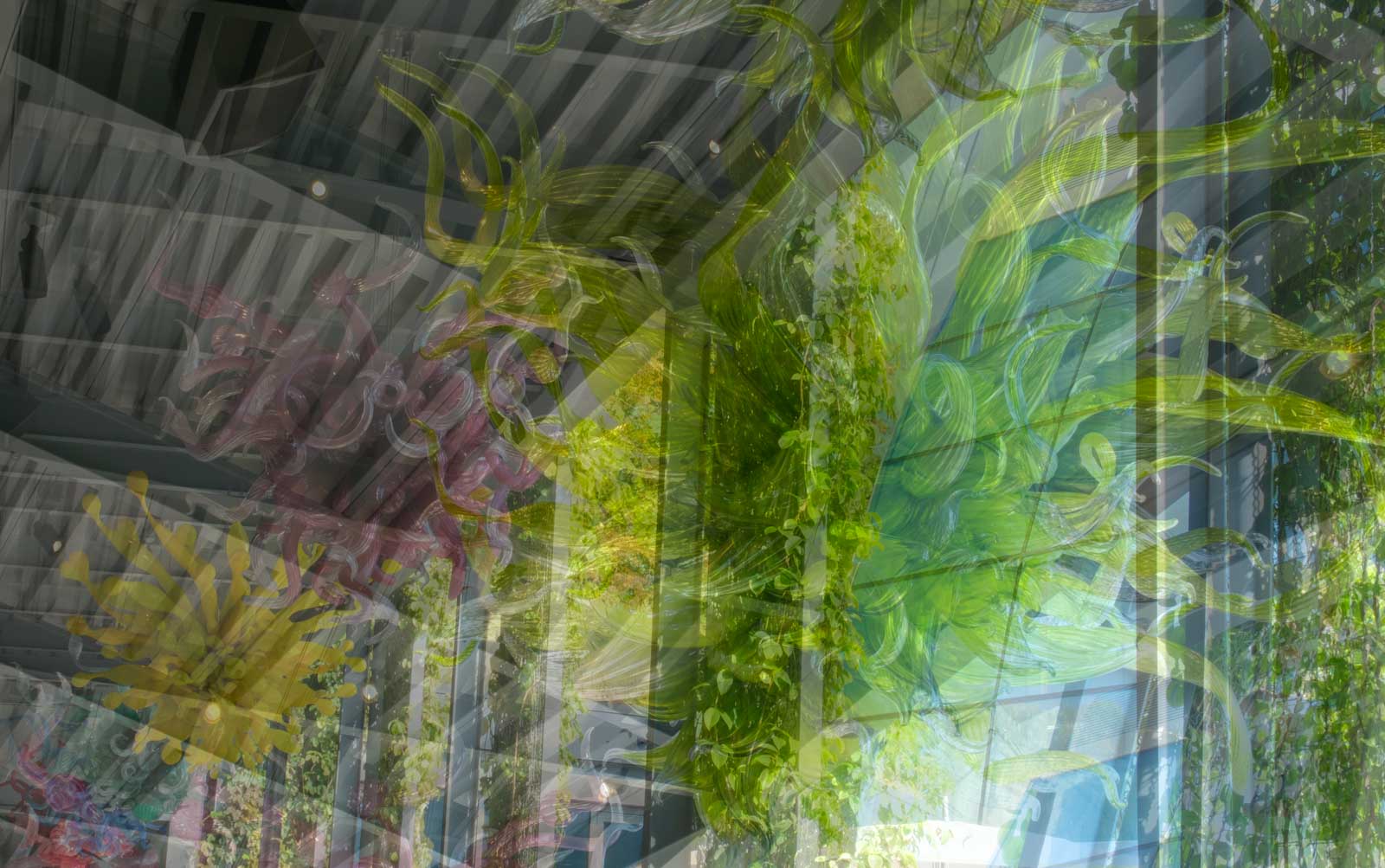
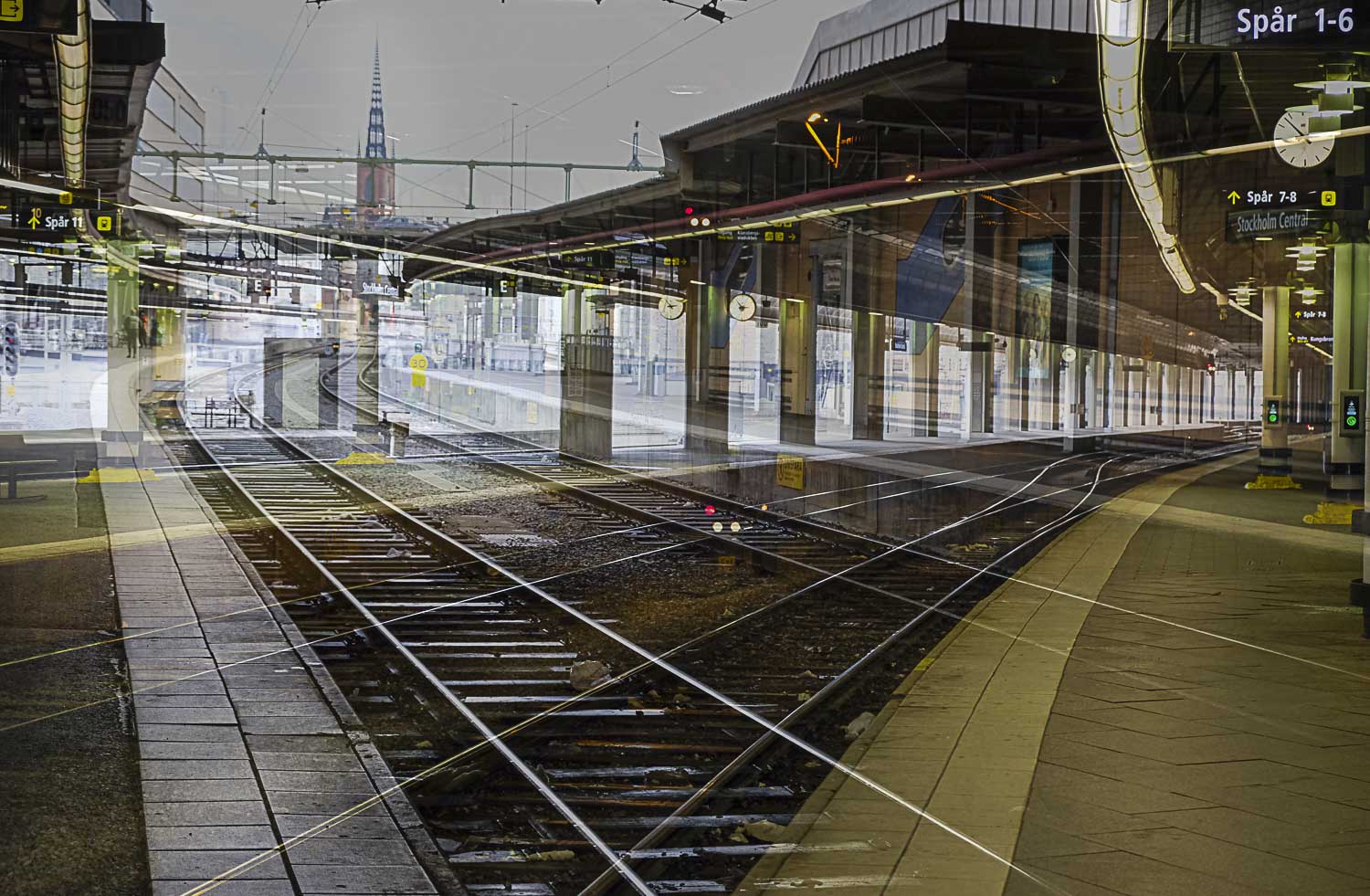
I had some fun double exposing in Seattle too. With Chihuly, colours cannot go wrong!

I loved the long walk with chandeliers leading out to

the pavillion, where preparations for a big party had just started.

But, the floor was mine for a short minute. I was truly grateful.

Lens-Artists Challenge #267 – Recharge

We welcome Egídio of Through Brazilian Eyes as our guest host this week! He challenges us to show how we recharge our batteries when we need more energy.

As long as I can remember, walking, hiking with family to beautiful places has been my medicine.

One of the best ways to recharge is by simply being in the presence of art. No thoughts, no critiques. Just full-on absorption mode. ― Dean Francis Alfar

– Listening to the sounds of nature

– maybe alone in the forest

– or with Milo (and all of my dogs…)

Soft, clear light is a magical recharger, walking along the shore, listening to the waves.

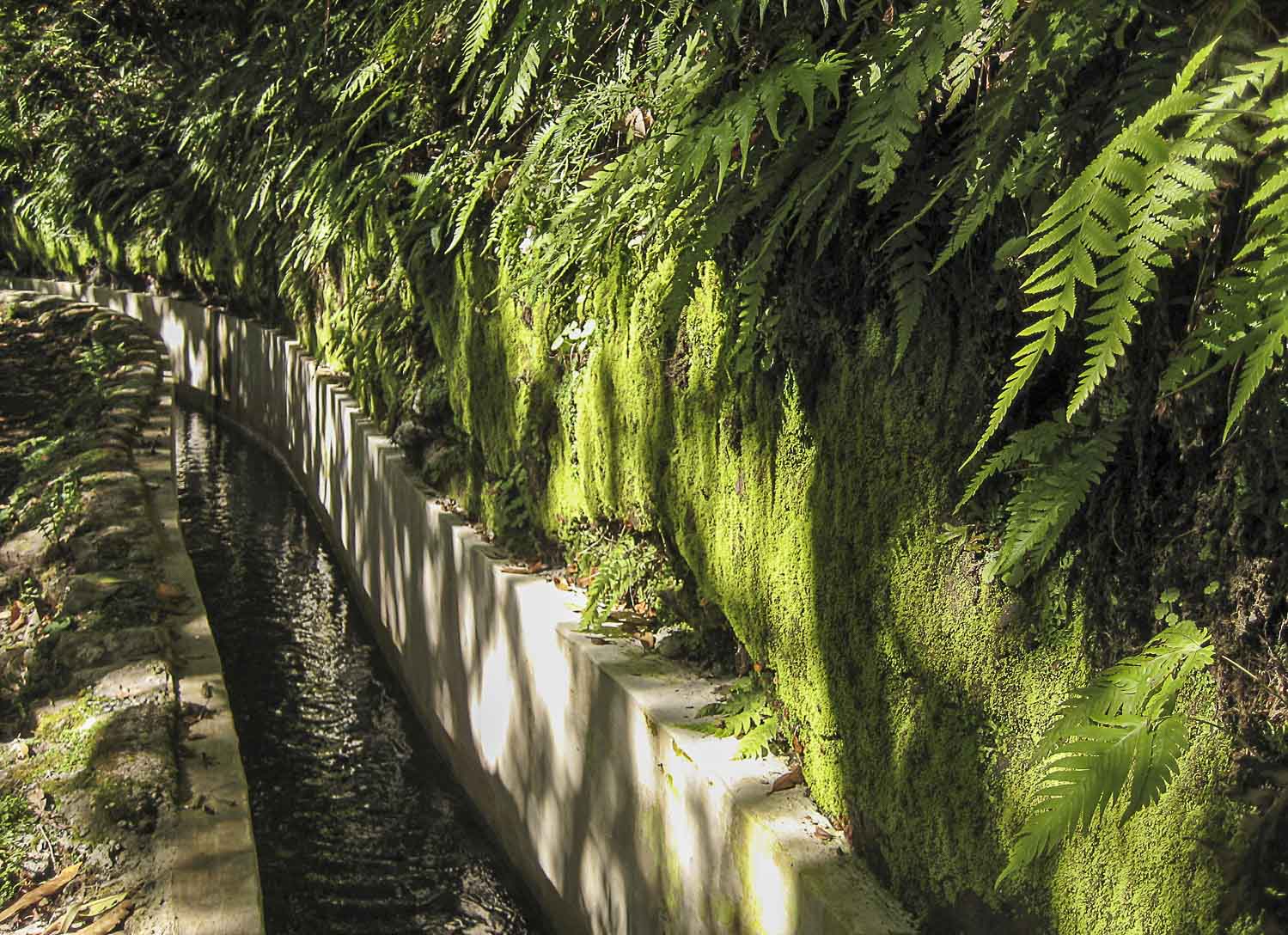
Not to talk about the levada hikes in Madeira, they are the ultimate rechargers. Enjoying the fantastic views, the heavenly scent and listening to the rippling water – the stillness. Your senses filled to the brim. But unfortunately Madeira is not that close to home…

At home I go to my secret garden to easily recharge my batteries. Just walking, pruning, planting – or sitting in a comfortable chair watching everything grow. To follow the birds nesting and the seasons glow fills my heart.

Another way of recharging is photography, playing with my photos in different software, making double exposures or looking at macro worlds. Then, like a tree in spring, I will feel elevated, lifting my eyes again, towards a new day with new promises.

Many thanks to Donna for last week’s wonderful Time challenge. We truly enjoyed your many different interpretations, and hope you’ll join us for this week’s challenge too. Please remember to link to Egídio’s original post, and to use the Lens-Artists Tag for our Reader section. Finally, Tina will lead us next week, so, be sure to check her out next Saturday at noon, EST.

Thursday Thoughts – Peter Lindbergh

Peter Lindbergh

Lightness of Being

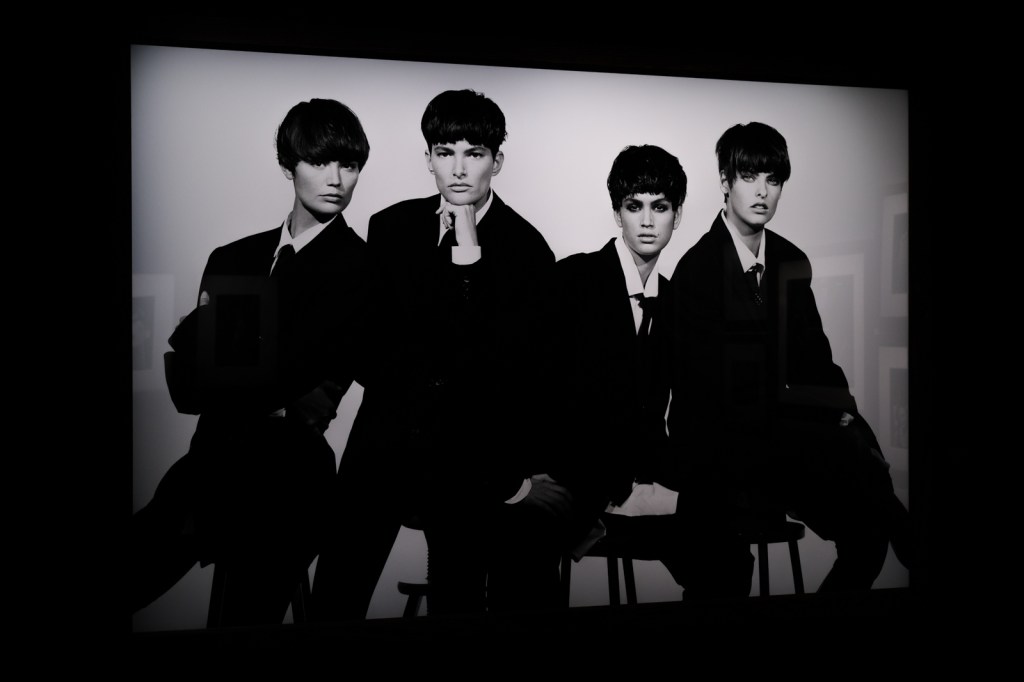
Above are: Estelle Lefébure, Karen Alexander, Rachel Williams, Linda Evangelista, Tatjana Patitz & Christy Turlington, Santa Monica, California, 1988. © Peter Lindbergh. Courtesy Peter Lindbergh Foundation, Paris

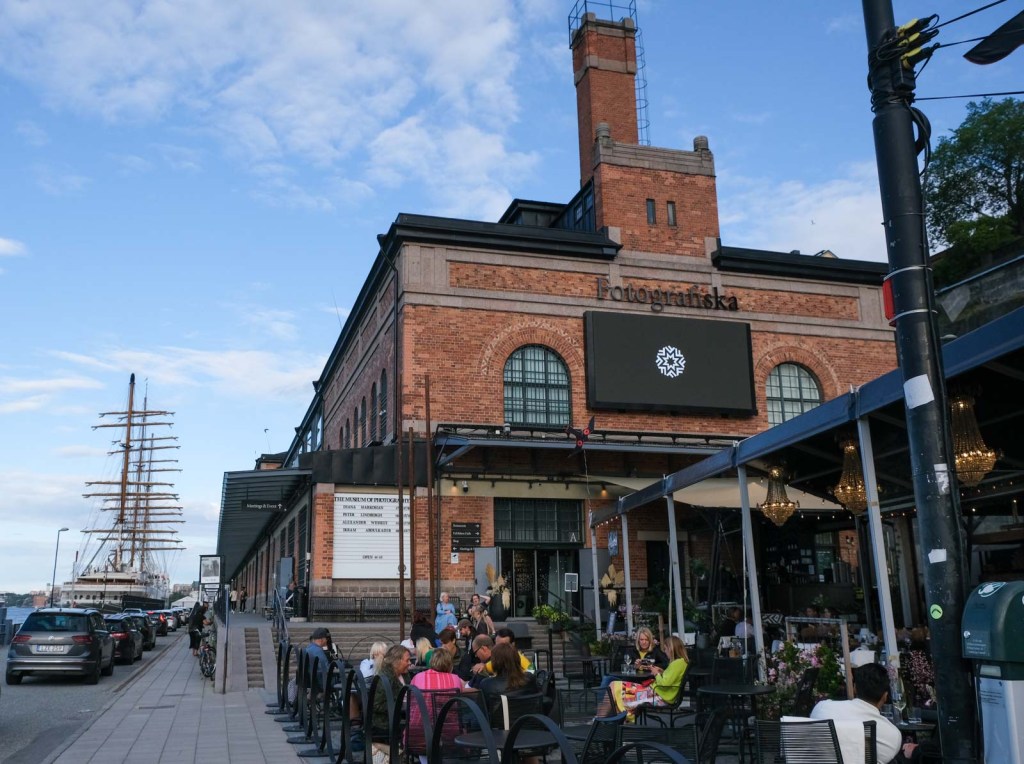
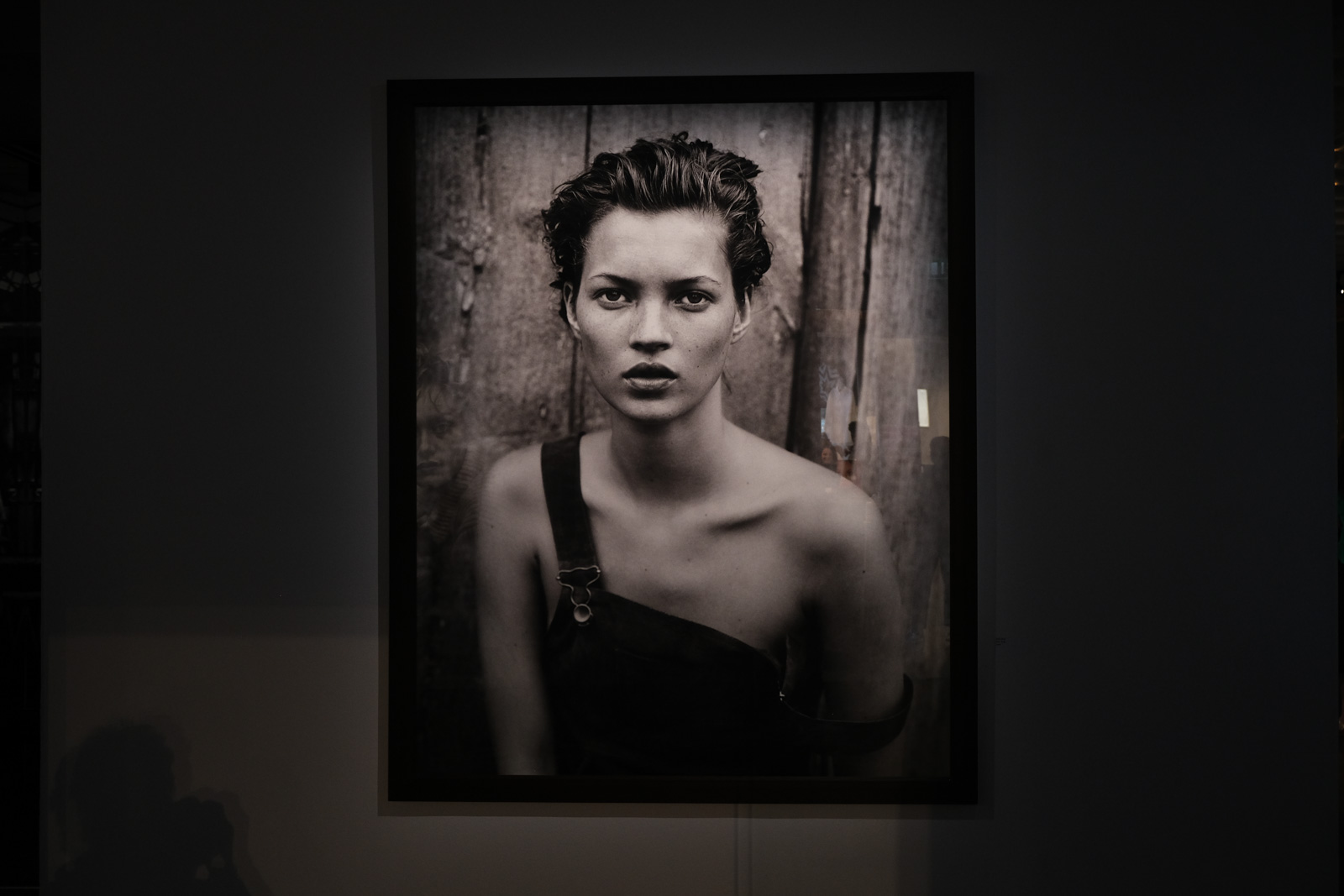
Peter Lindbergh’s iconic pictures now at Fotografiska, Stockholm. Lightness of Being consists of more than one hundred works by the man who is known to have redefined fashion photography.

Lindberg preferred B&W to bring out the best of his models.

Lindbergh wrote the following:

”If photographers are responsible for creating or reflecting an image of women in society…then, I must say, there is only one way for the future, and this is to define women as strong and independent. This should be the responsibility of photographers today: to free women, and finally everyone, from the terror of youth and perfection.”

He must have had a favourite model…I guess it could be

Kate Moss

LAPC #237 – Bringing Softness

We need softness in the world. When you go to sleep at night, do you lay your head on a brick?

– Adrienne Posey

For this week’s challenge, our guest host, Bren, wants us to show how we soften our images. Bren is a master of this, and now we can learn how it works. ” You don’t have to stick to flowers, landscapes and architecture are also ideal subjects. By lowering the clarity and creating softness in those areas frames the subject in an image, be it a tree, path, bridge, even a door or house or just a dreamy looking image.”

I decided to try some different subjects, starting with a flower and finishing with a seascape.

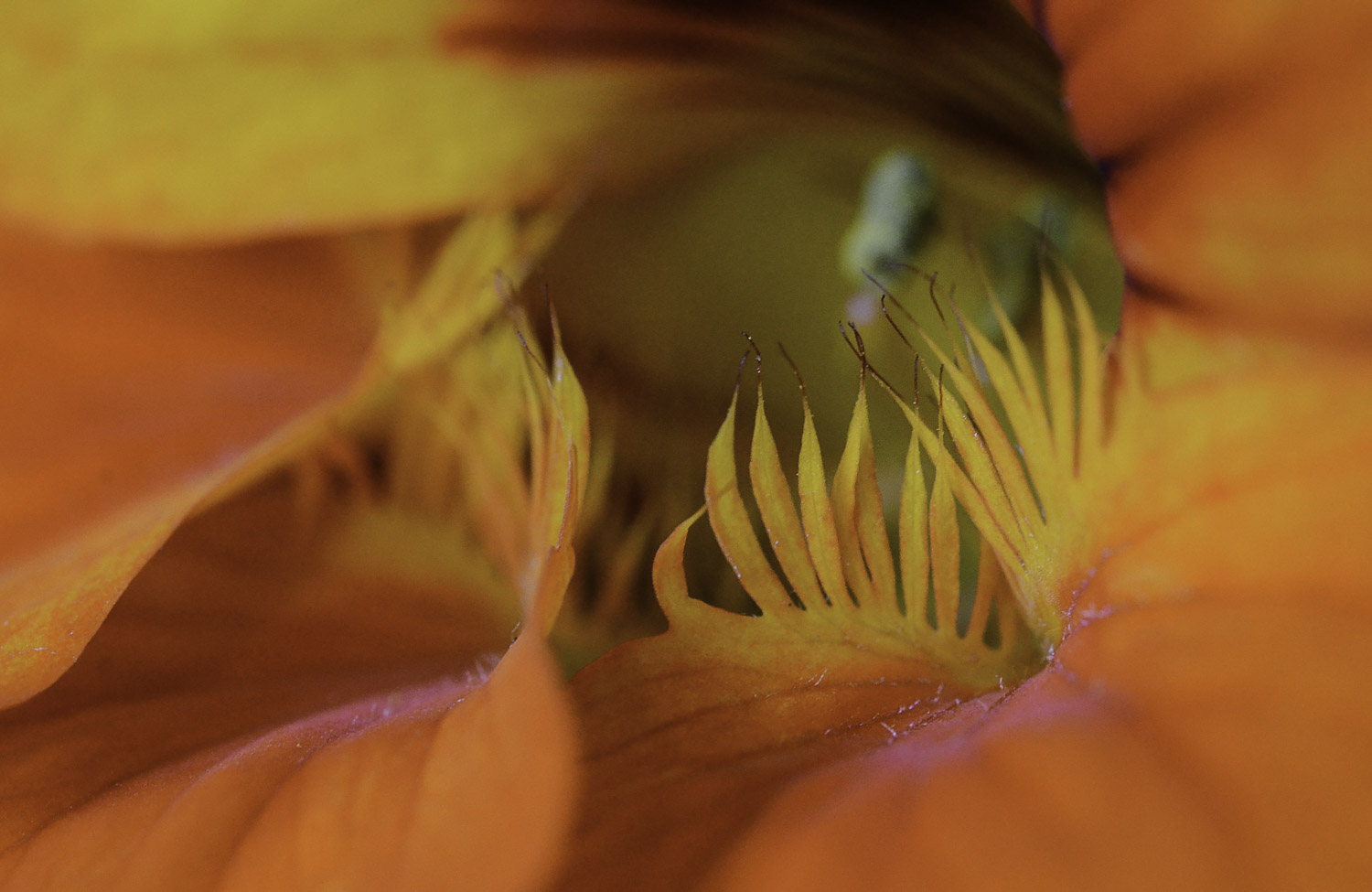
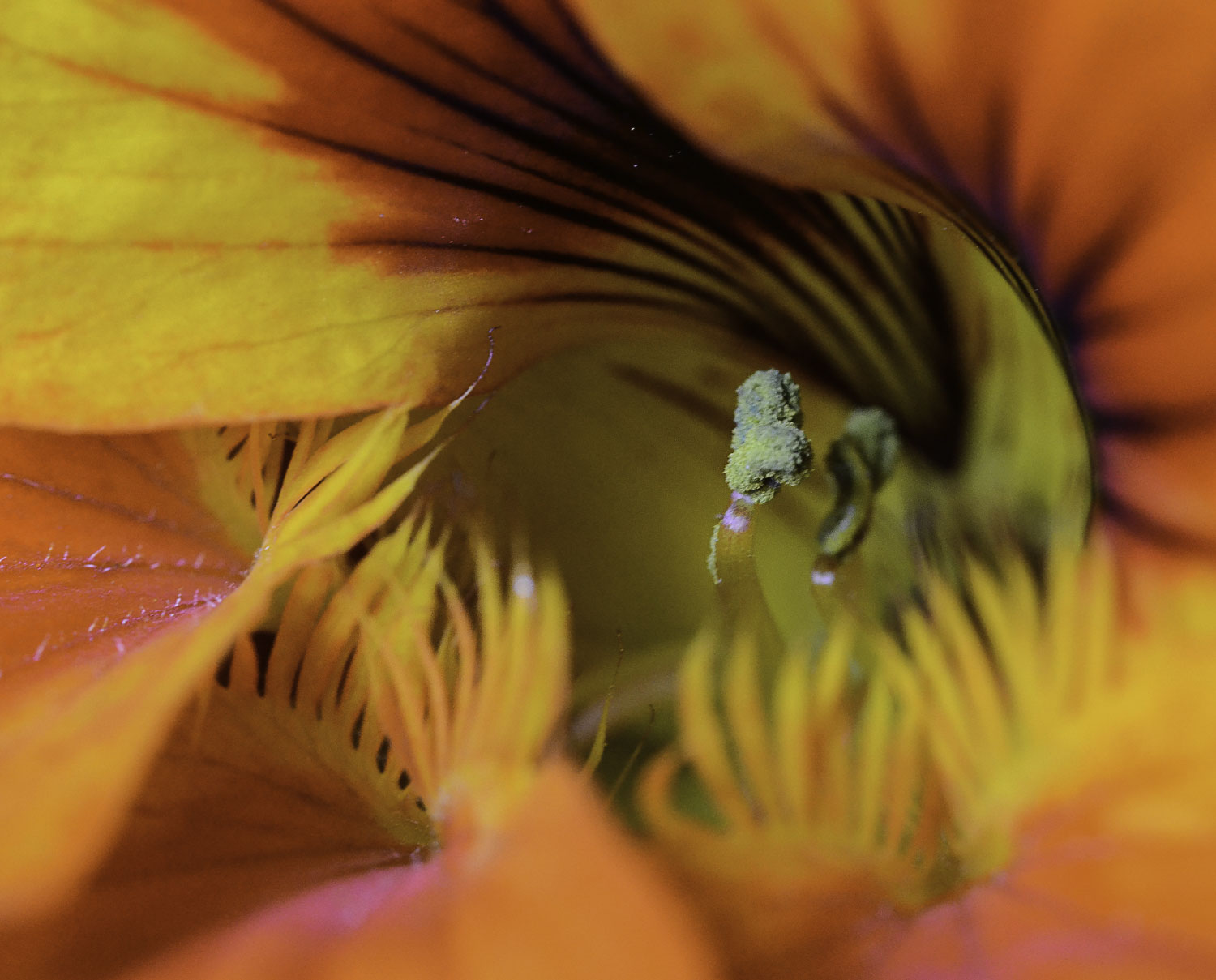
My first try was a Nasturtium plant close-up –

Then some fluffiness against a rough wall – I guess the bee was collecting building material for his home.

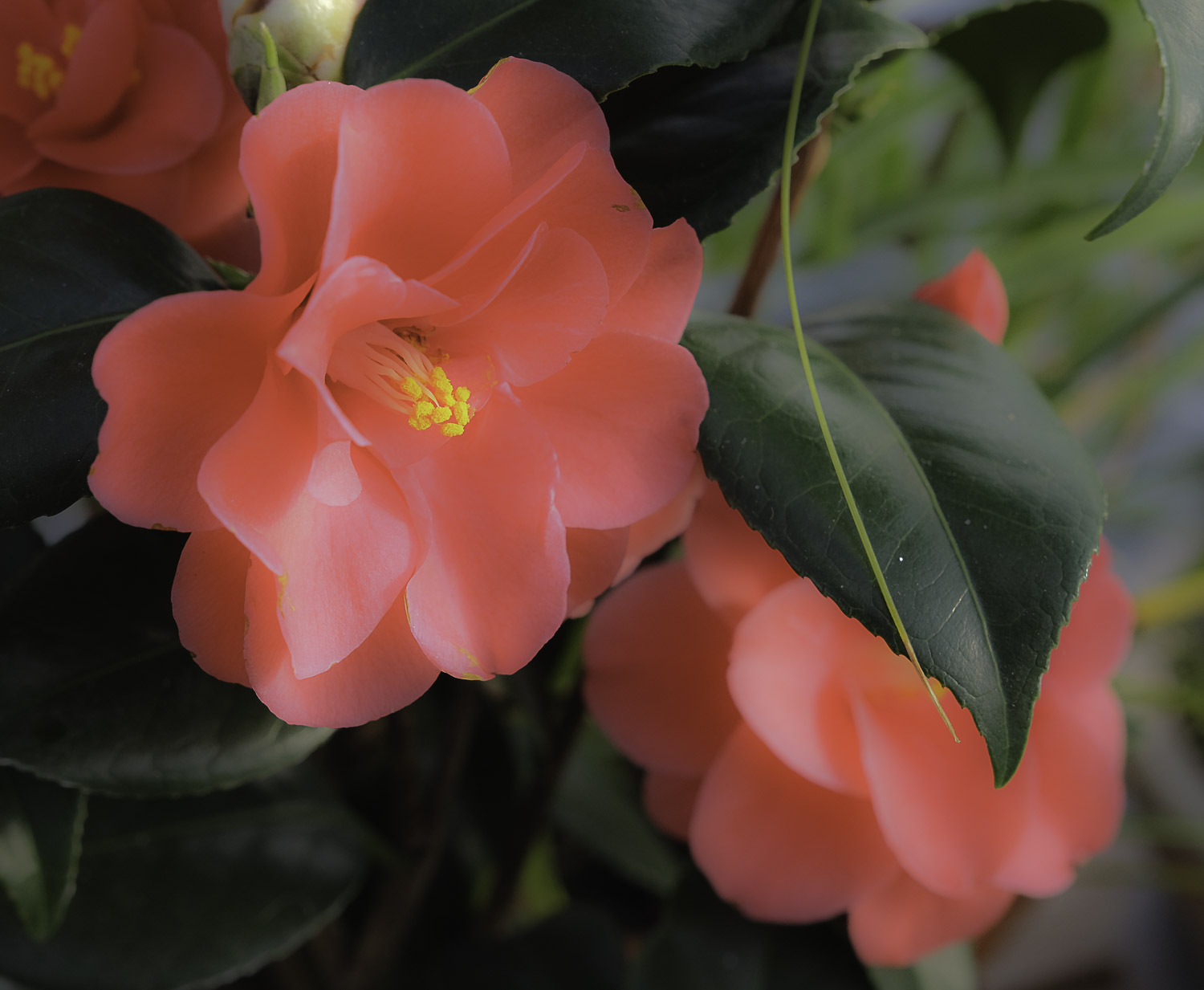
My red camellia is in flower now. I love what the softening did in this image – it made the ”unreal” look of this flower more tempting and strikingly beautiful. The white camellia is in flower as well, but the softness did not work as well as in this one.

The blue colour of the chikory flower is unsurpassed, according to me.

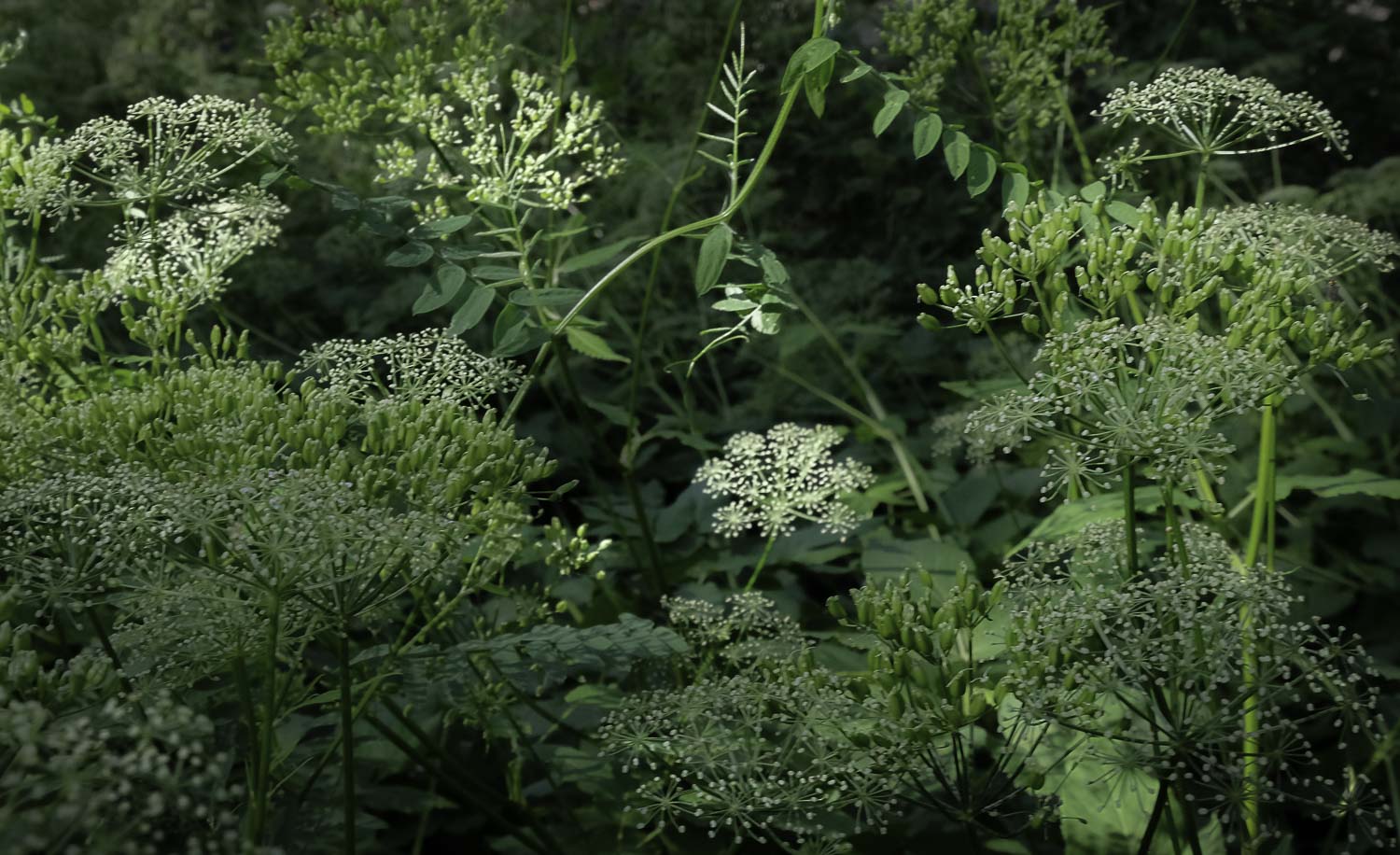
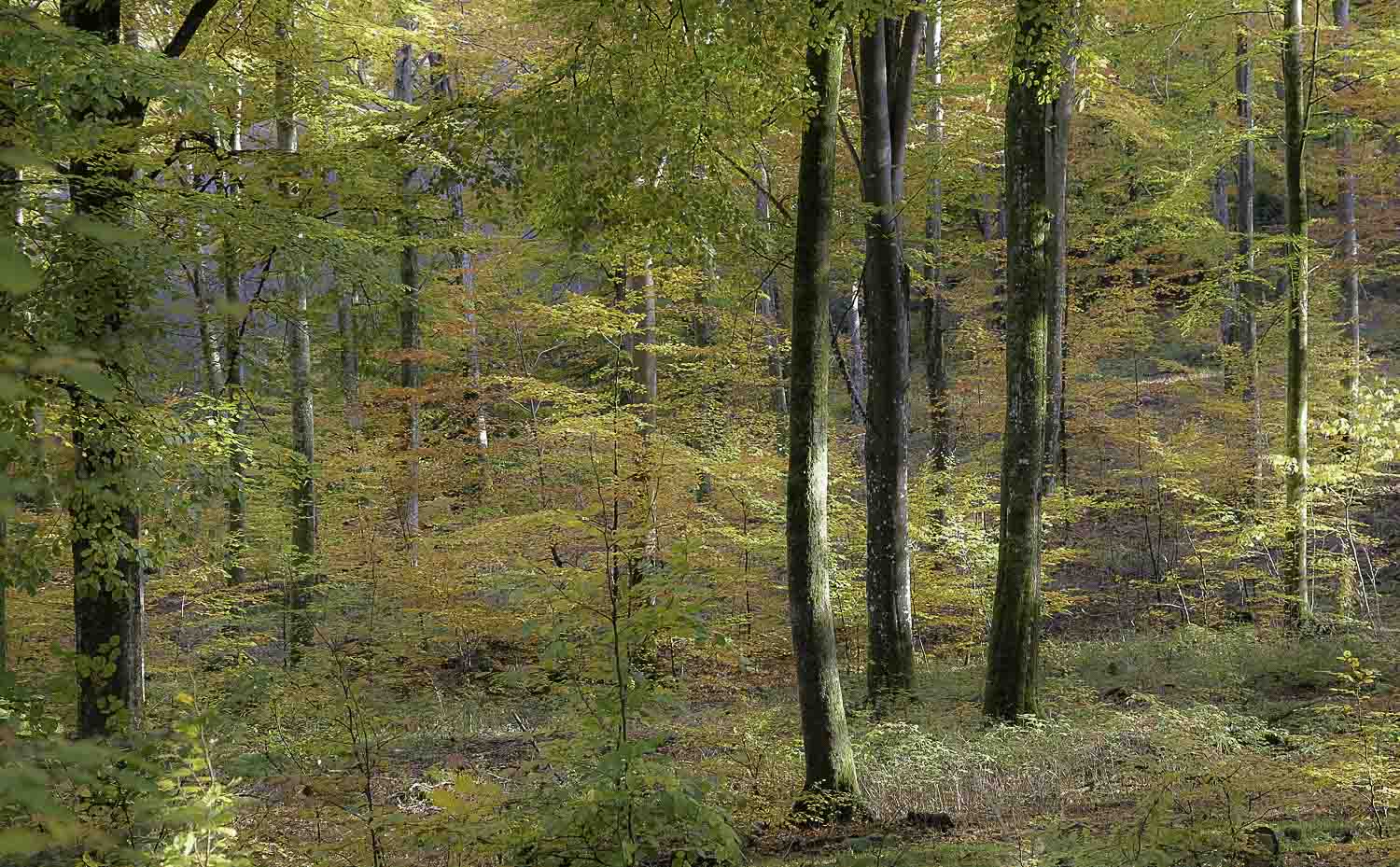
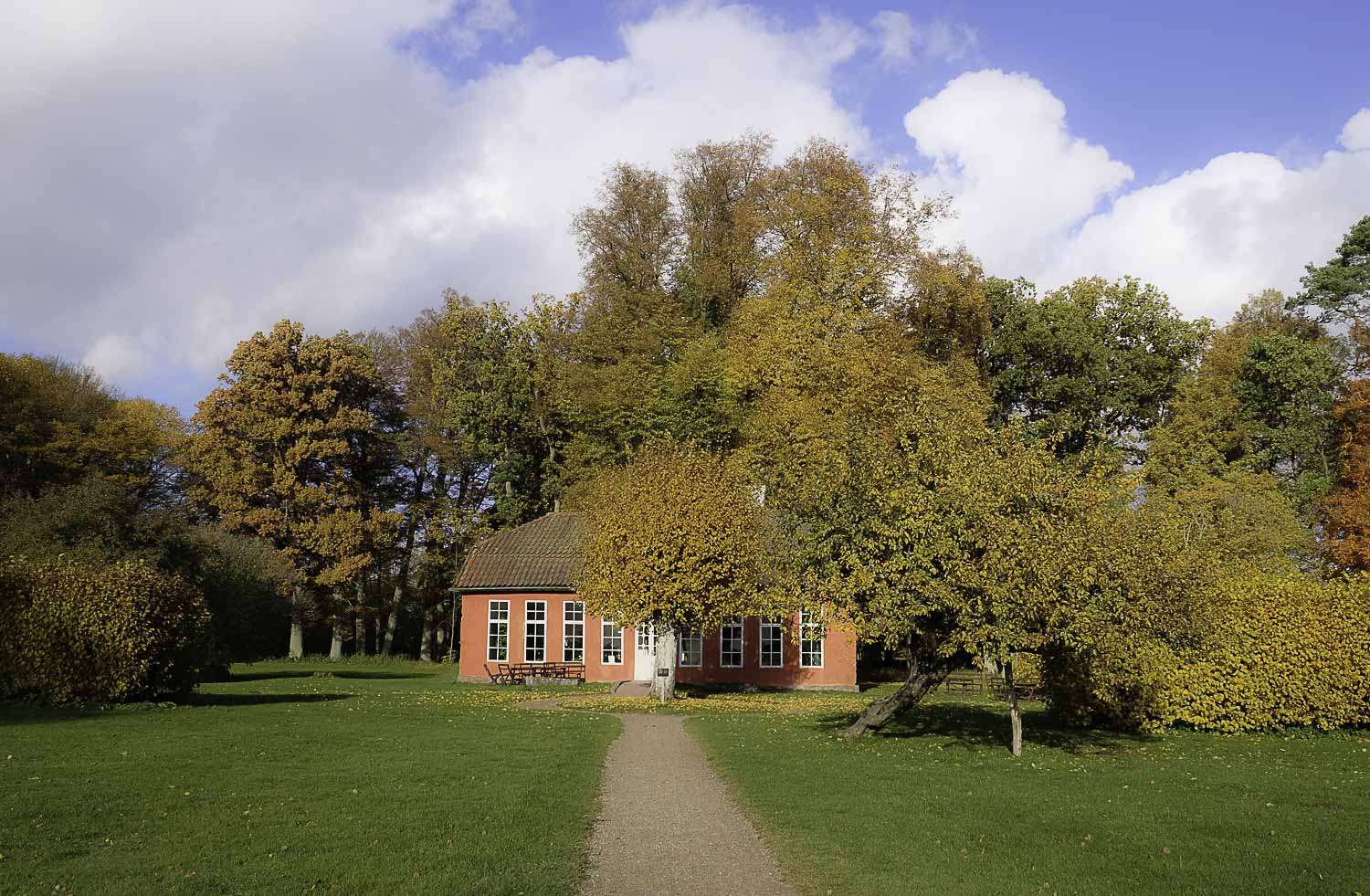
A gallery from my forest walks and Hovdala Castle. Colourful tapestries and soft trees mimicking the clouds.

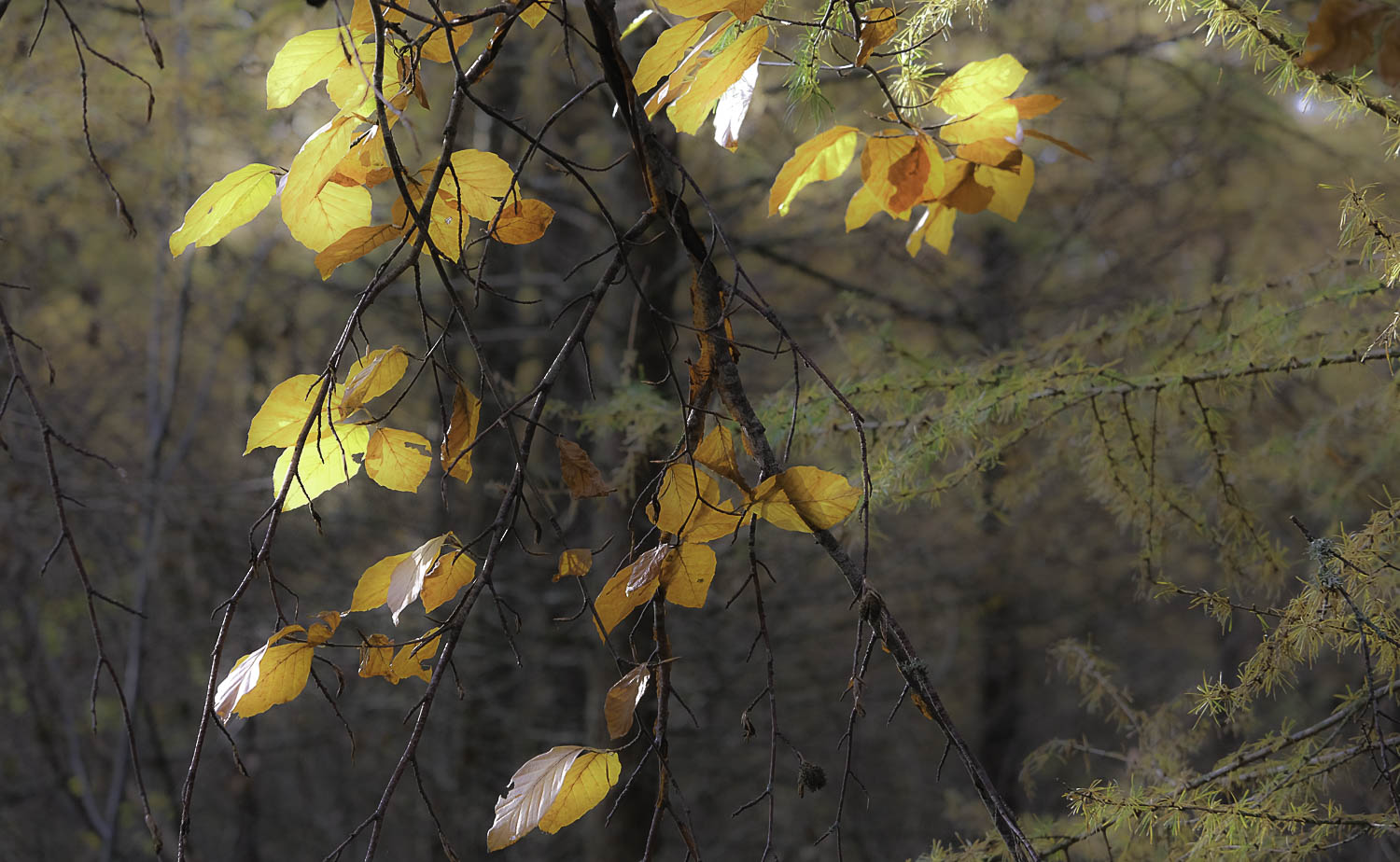
Golden beech leaves among the larch trees. A picture I was to throw away – until Bren’s challenge saved it for me!

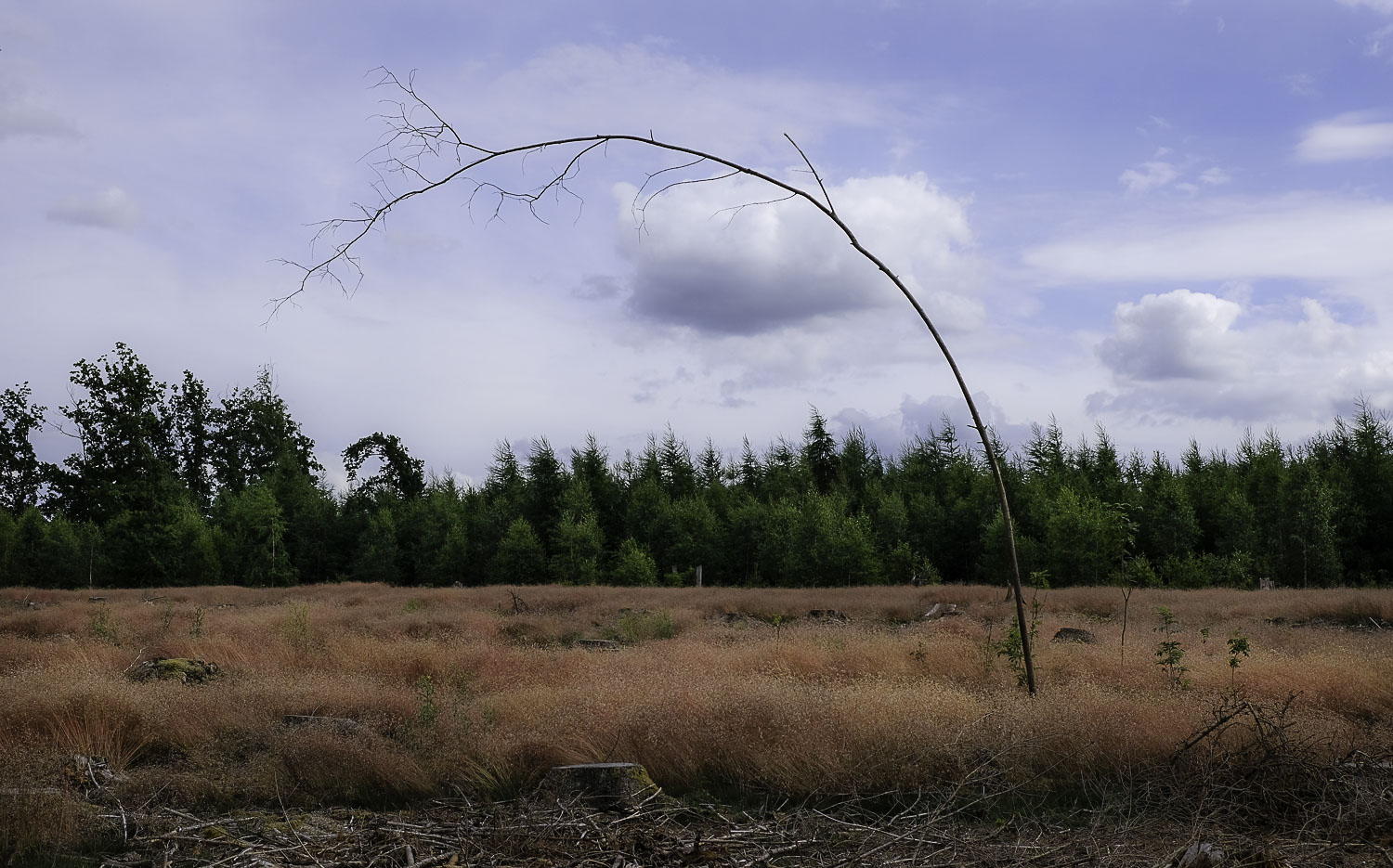
The last tree standing. I made the layers of twigs, grass, forest and sky soft/clear in those sections.

Another gently woven tapestry with field, forest and sky. The colours really appealed to me, and the skies were great that day.

I didn’t believe this technique would work quite that well with a seascape – but I just had to try.

Thank you, Amy, for last week’s wonderful challenge with so many interesting interpretations! And thank you, Bren, for letting us play and learn – I hope you all had as much fun as I had. Now we are looking forward to seeing your responses to this week’s challenge! Please remember to link to Bren’s original post and use the Lens-Artists tag.

Next week it will be me, Ann-Christine/Leya who is your host. See you then!

For more information on joining the challenge each week, check here.

LAPC #233 – One Lens Walk

Annes challenge for us this week is to take a lens for a walk. Yes, to choose a lens and walk. We can also use our cell phone or point and shoot camera. Another trick, when using a zoom lens, is to pick an aperture and stay with it. It is of course also possible to go for our archives. The important thing is to have fun! Remember to link to Anne’s original post and use the Lens-Artists tag.

I usually walk with my Fuji 16-80 lens, or my 35 prime lens. But my absolute favourite is the Tamron 90 macro. It is not a coincidence that my blog is labelled with a quote from William Blake: ”To see a World in a Grain of Sand…” The complete line goes: ”To see a World in a Grain of Sand And a Heaven in a Wild Flower, Hold Infinity in the palm of your hand And Eternity in an hour.” To me, this is the essence of Life.

As there are very few flowers and insects to photograph right now, I have chosen some of my old macros to show the different possibilities of this lens. Close-ups and macros yes, – but you will notice it is very versatile.

For macros I normally use f/11, but f/8 – f/11 works fine. I always use a tripod, and that is why most of my macros are shot in my own garden. I don’t carry a tripod on my walks. Not only because of the weight, I want to feel free. And, I often have my dog, Milo, with me too. In the beginning I tried to hand hold the camera, but there were too many photos to throw away, so Milo and the tripod are two of my best friends.

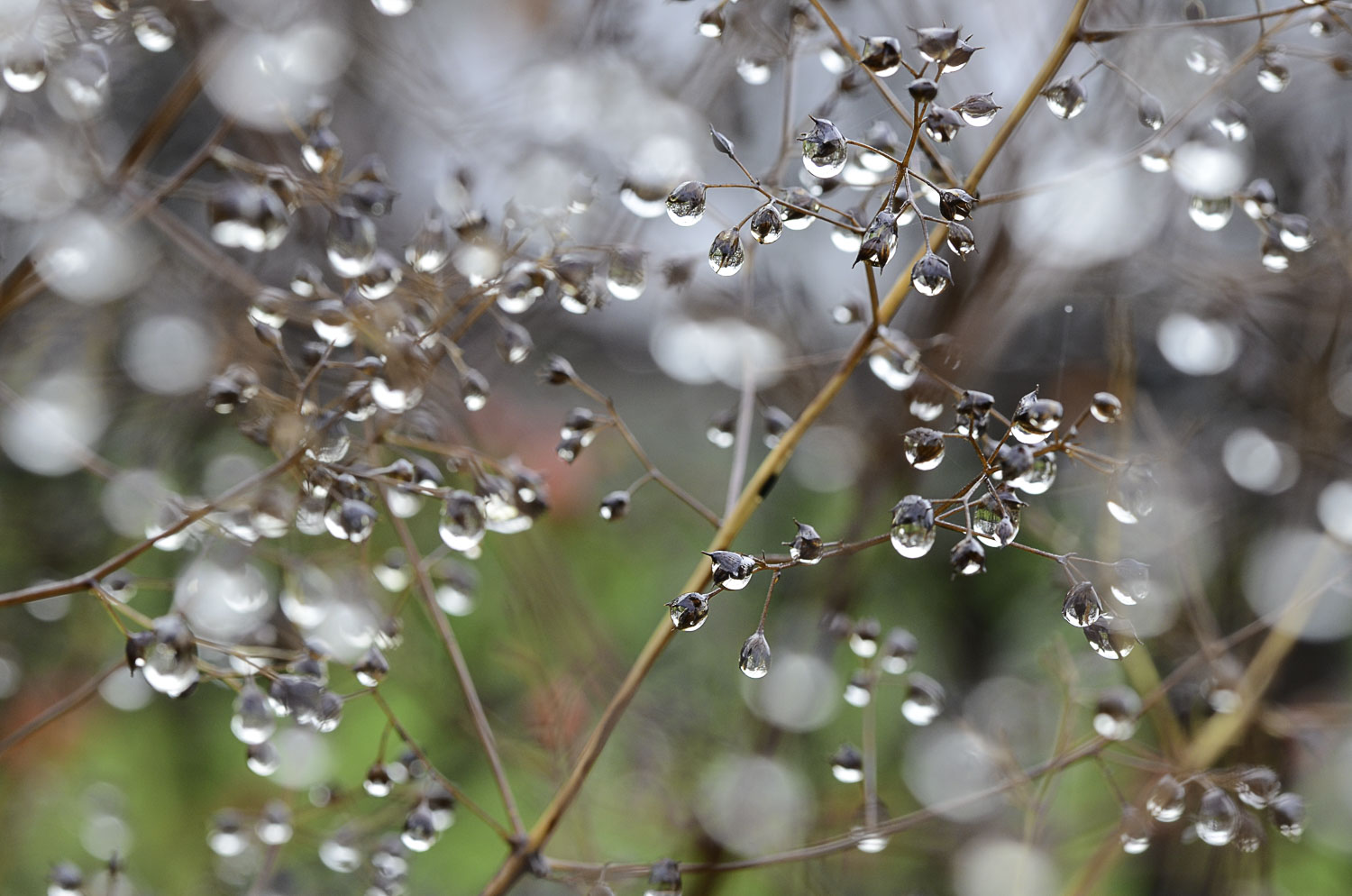
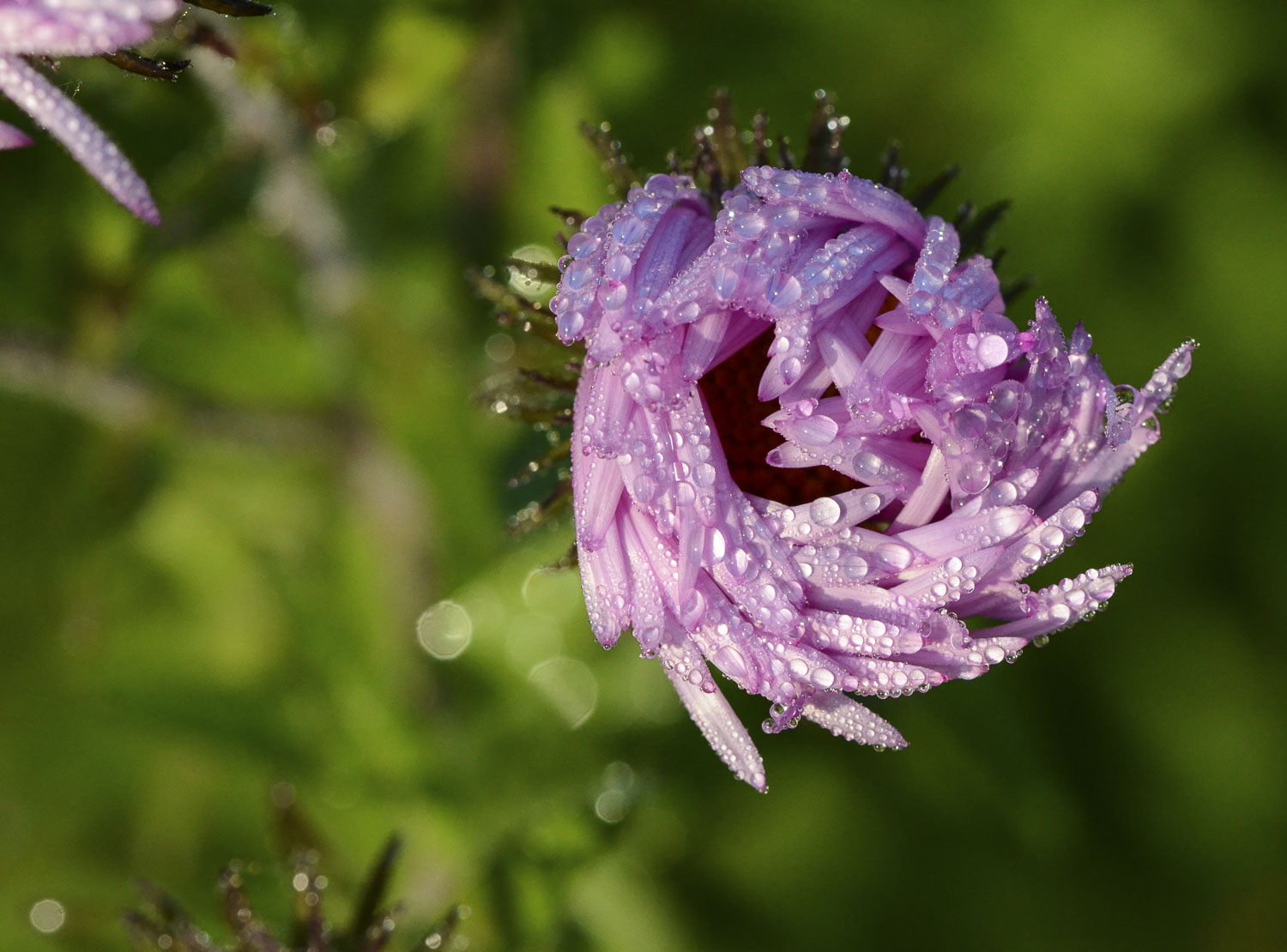
Droplets and frosty petals are always a treat, but even with flowers and other subjects that often don’t move much, I also use the timer in order not to risk accidental camera movements while pressing the button. The photo with many droplets, to the left in this gallery, was hand held. When I don’t take close-ups or macro with the lens, that works fine.

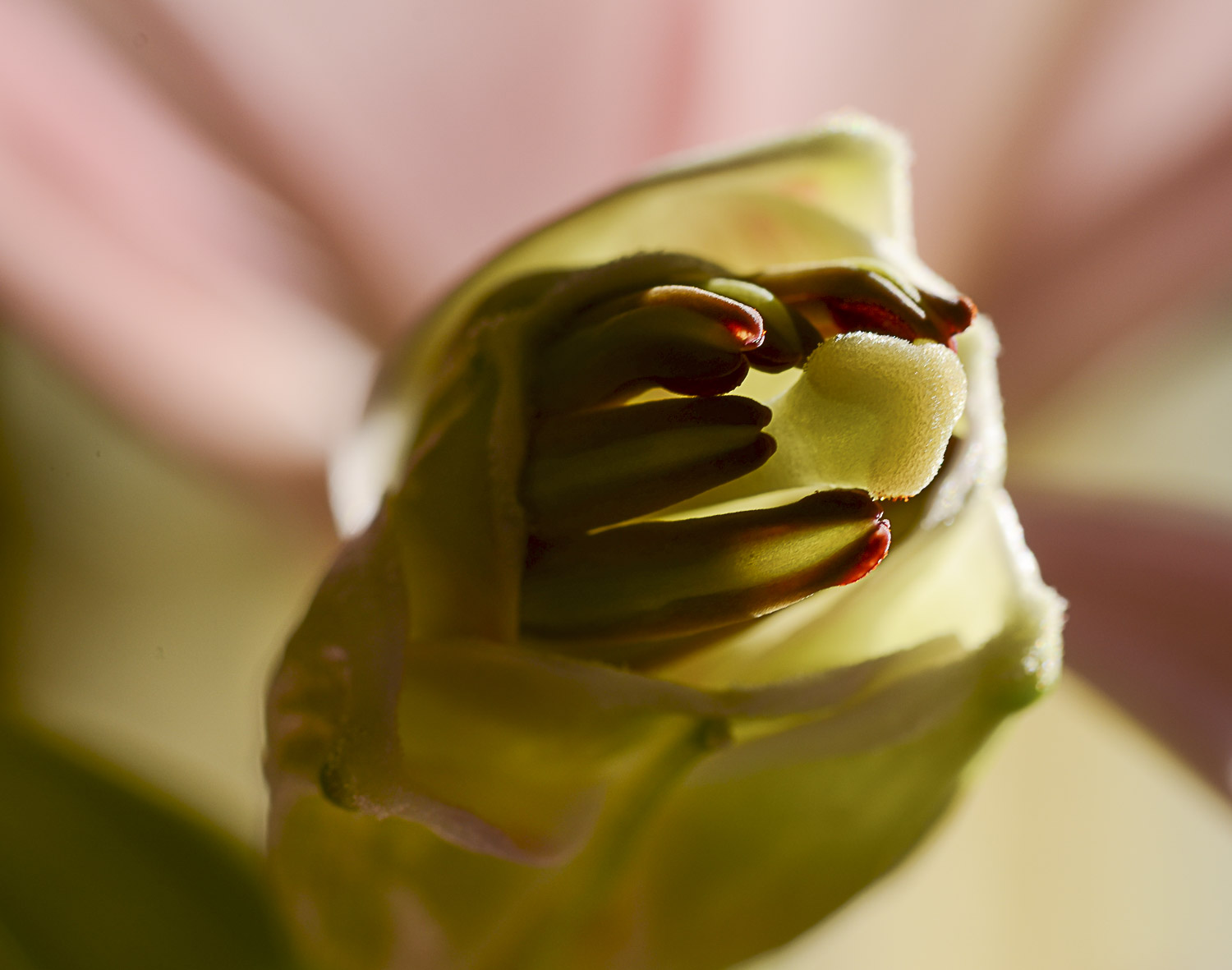
When we get really close, like in the first and the last picture, and the roses, the photo turns almost abstract. Other worlds open up and lets our fantasy work magic.

We enjoyed looking back with all of you during Sophia’s challenge last week. You sent us unique and interesting responses – some surprising ones too. Now we are looking forward to seeing your one lens walks!

Next week our new team member, Donna Holland of Wind Kisses, will be leading the challenge. Be sure to visit her beautiful site for inspiration!

If you would like to participate weekly in our Lens-Artists Challenge, click here for more info. 

Lens-Artists Challenge #224 – Exposure

Sofia leads us in this interesting challenge – Exposure. Please visit her beautiful site for inspiration! Now, it is up to you how you work on exposure. I prefer using aperture when photographing, but for this challenge I decided only to play with changing the exposure settings while editing. In general, I find that the easiest way to get the look I want. The idea here is to see how the mood of any photo depends on its exposure.

First, some of my high key flower images. I used to be rather obsessed with that some years ago.

What is High-Key Photography?

In short, high-key images are those that have few shadows and have the subject set against a very bright background. High-key images are often set against over-exposed backdrops and the average of all the pixels in the image is very bright. High-key is the opposite of low-key images that are defined by their darker tones.

But, I am cheating…I have this opportunity in one of my cameras, and I also use NIK. If you want to try it for real, here’s an explanation and a tutorial.

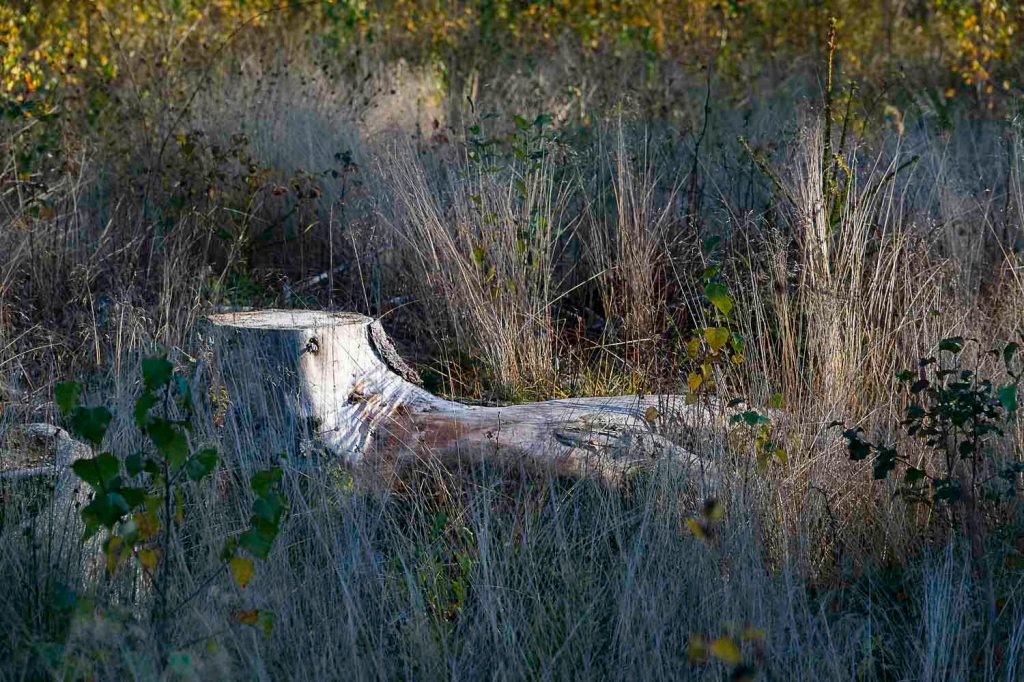
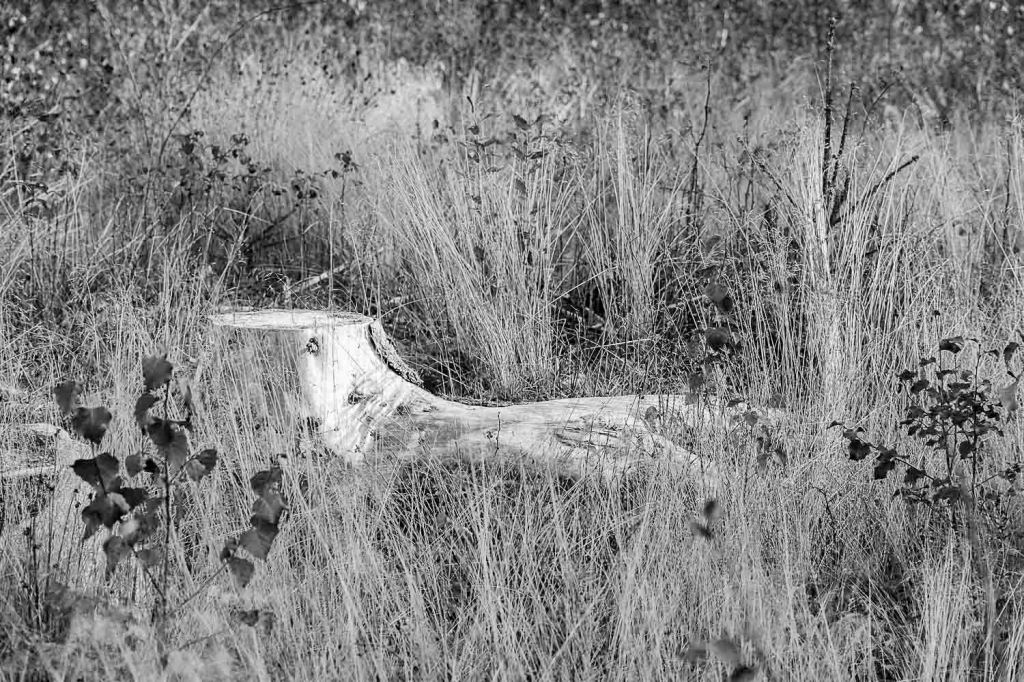
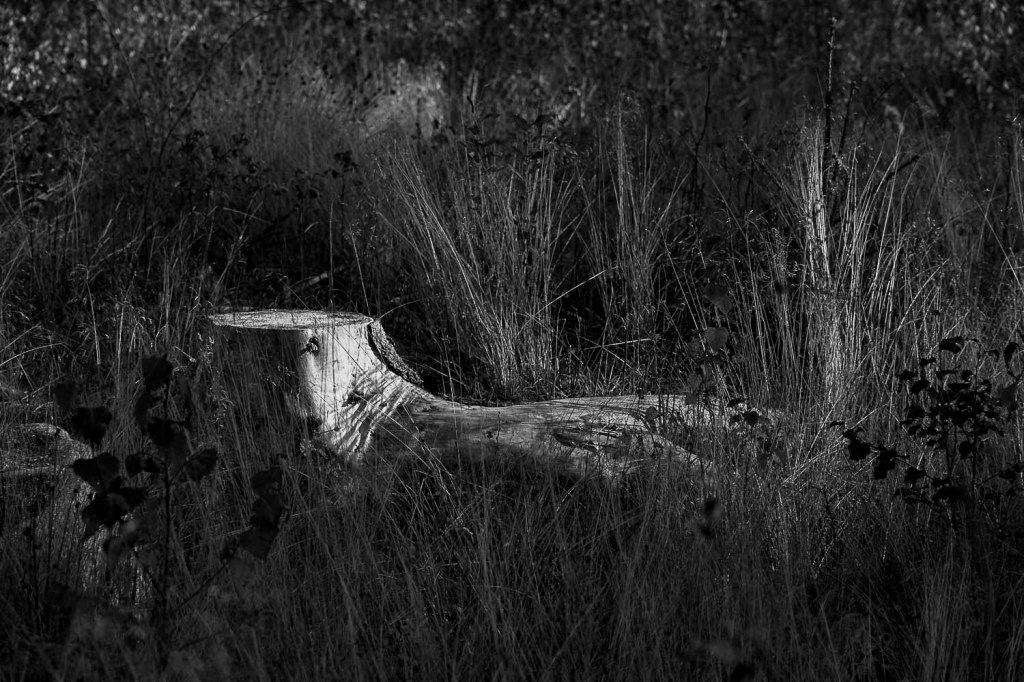
Hiking last week in the deforested area, made for sunlit roots and grass. The area felt desaturated – in a positive way.

I decided for monochrome before changing the exposure in LR. The low exposure was a hit for me. I could almost feel the beautiful, whitened roots come alive in the play of light and shadow. Please click to enlarge.

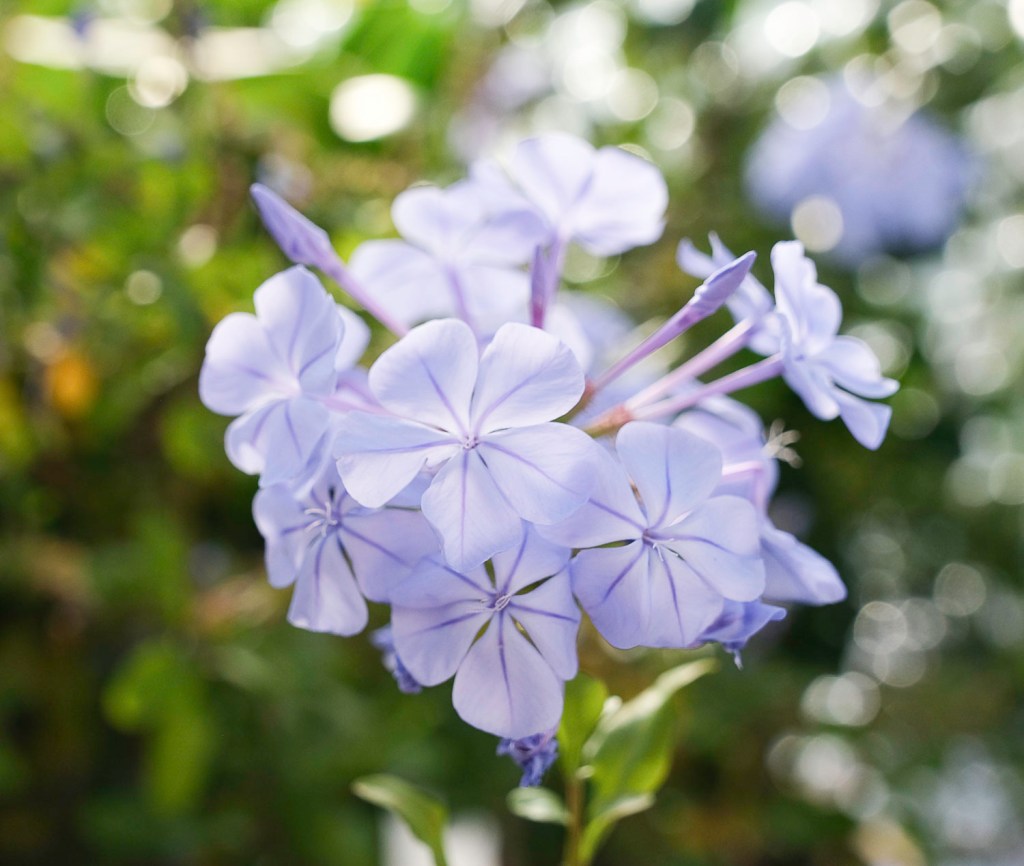
For this plumbago flower, I used Lightroom to create different exposures. You can see that in the underexposed image the light is softly shining through the petals, something you cannot see that well in the overexposed picture. Harmony.

NIK can make striking high key images, while the low key one with LR touched shadows gives another feel.

Different umbrellas

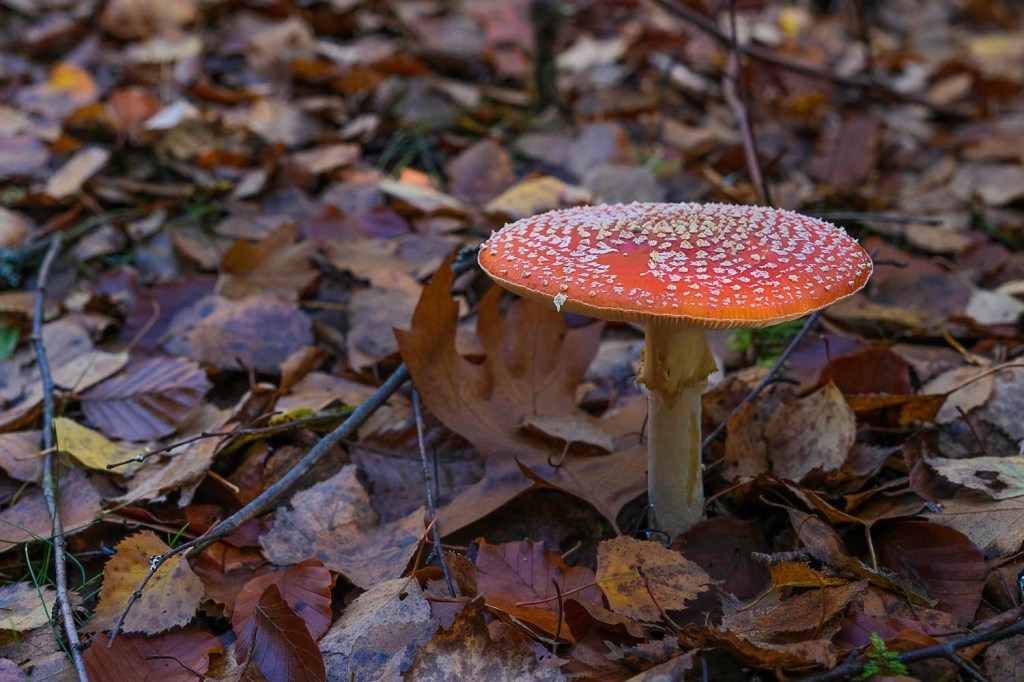
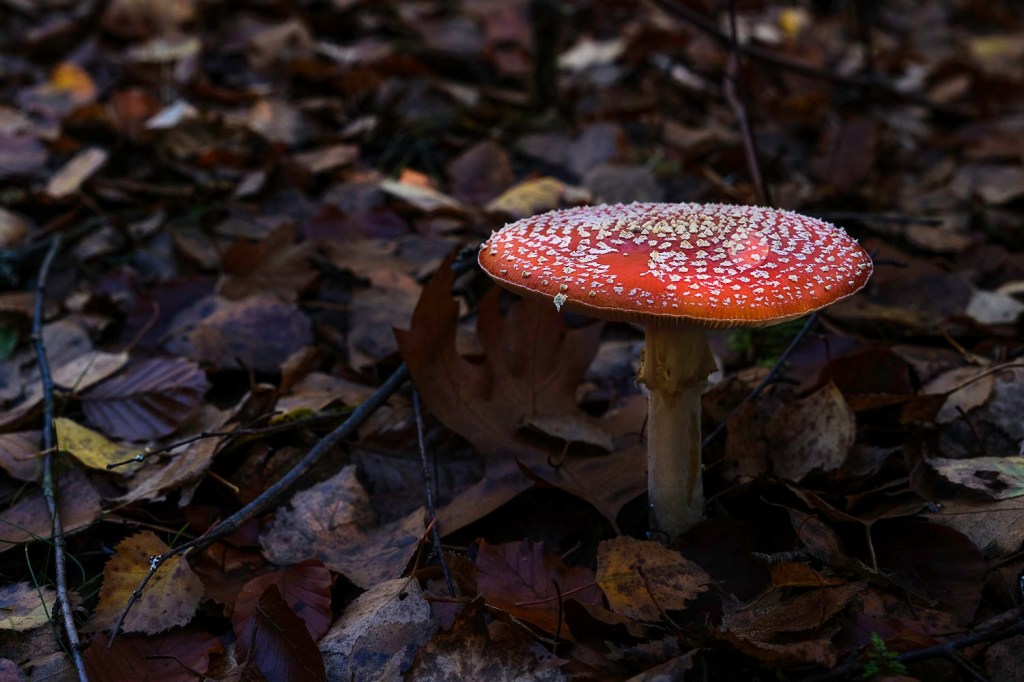
This fly agaric stood alone in the shadow, neutral exposure – with an underexposed image, you can make the ”hat” glow when editing in for example LR. More magic!

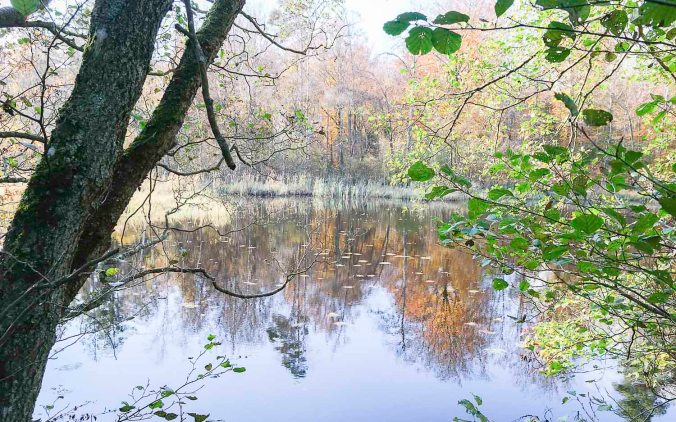
Landscapes – well, I don’t know what you prefer, but I prefer the ethereal look of the overexposed image.

Last, but not least, if you are a follower, you already know that I love double exposures. You can make them in Photoshop, but I am lucky enough to be able to make them in my camera. This image I have featured several times, but it is the one I think have turned out the best. So far. In the header – roses.

To sum it up, for me it’s aperture photography, but I often find that playing with exposure while editing gives me a wider range of opportunities. Good for me – I am not always fast in deciding how I want the final image to look. I think that underexposed images make for interesting edits and overexposed images can lift the photo to something ethereal.

Last week we had John’s creative challenge to lighten up our windows to the world. The variety of replies showed how every challenge can be interpreted in a different, personal way and that applies to this week’s challenge as well. We” invite you to play, think or just do your own thing with exposure, either on camera or while editing. and then show us the result.”

Please link to Sofia’s original post and tag with Lens-Artists so we can all find you. Next challenge it is Anne hosting, be sure to visit her beautiful site for inspiration.

As always, stay calm and kind.

LAPC #211 – What’s Your Photographic Groove?

Our host this week, Anne Sandler , is asking: ”What type of photography do you truly enjoy doing?”

I enjoy almost all types of photography, but Nature is my Muse. More specificly: flowers, close-ups and macro. And I am happy if in the flowers there is a critter or two as well… I believe our ”groove” changes over the years – as the world is changing – so are we.

For many years my photography was all about travel, new places, new people, new architecture, new food… but there has always been flowers. And why flowers? Well, I was born in the countryside, and from my grandmother I learned the importance of the little things – to see a world in a grain of sand. Flowers – nothing beats their great variety; in colours, shapes and sizes. I have to have flowers in my life!

My blog was named lagottocattleya after my favourite breed of dogs and my favourite orchid. So, the first image is a cattleya hybrid pictured at Keukkenhof, Holland. Then follows a gallery with some old and new favourites, from close-ups to macros and from Spring to Autumn. From forest to garden and indoors plants. I hope they will speak for themselves.

Special thanks to our guest host Sarah Wilkie of Travel With Me for the exercise of picking out three of our favorite images. And thank you to all our wonderful July guest hosts, Aletta, Jez, Andre and Tracy. If you join us, please link to Anne’s original post and use the lens artists tag. We’re looking forward to seeing your photos! As the LAPC team resumes rotation, Patti will present next week’s challenge. In the meantime, have fun and safe travels.

If you would like to participate weekly in our Lens-Artists Challenge, click here for more info. 

Lens-Artists Challenge #197 – The Rule of Thirds

Tina explains the well-known Rule of Thirds, and asks us to show our own examples. Visit her site for more inspiration!I must admit the rule is somewhere with me always, but I never think of it. It is true that this composition is pleasing to the eye, but so is breaking it…

This Shar – pei beauty on the steps – is maybe not totally in the ”right” position, but almost. Many times you need to fit into the frame what would look strange if it wasn’t there – and the dog had to be there, just as I wanted the steps to be there as well. And, I had to be fast – or the dog would go indoors again.

In this image I just wanted something in the foreground, and matched the single boat with the boats to the left and the lady on the bridge – a balance after all. My overall idea is that a balanced image is more needed than following the rules. (Rules might help the balancing of course…)

The Mockingbird and the blue bottle makes a balanced picture despite breaking the rules. I almost always avoid putting the significant object in the middle, so, the balance here is kept by the bottle and the bird leaning away from each other. The lack of other colours/the blending in also makes the bird a star.

I say trust your own feeling for when an image has got the finish you want. This Iceland motif is a favourite – warm evening colours contrasted to the darker, colder side of the mountains, and the distinct line going left-right and upwards. The farm in the lower left corner.

Another example, from Ireland, where I would have liked the shot a bit more from the right, putting the ruins in a better position. But, that was not possible – so I made this image anyway. It works for me, thanks to the hiker on the road.

Finally two images where you cannot follow the rule of thirds properly – and it is not needed either. The Moroccan dune works like the Icelandic mountain ridge – the contrast between light and dark, warmth and cold. Just decide where the line should go. One third?

Finally a horse in the middle, or almost. I felt that was his right position. Do you agree?

In the end – were you familiar with the rule? Do you use it? This week we hope you’ll share some rule-of-thirds examples and explain how and why you chose to compose them. Please link to Tina’s post and use the Lens-Artists tag!

Sincere thanks to John for making our week filled with smiles! Much needed…Patti will lead our next challenge with Light and Shadow. Until then, stay safe and be kind.