Vilnius – Lace Curtains and Glass Giants

Why do many of us love things with history, crafted things with ”life” inside – more than the newest of new? We know that we cannot stop development and the growing cities, but my heart aches when everything old is falling apart and being replaced with – what? Soulless machine made things, gigantic glass houses …and more.

As I was walking north, out of the restored Old Town Vilnius, the typical wooden houses appeared again – and I had been waiting for them. In Uzupis we saw some, but now their full glory hit me. Planted in lush gardens, they were also home to several cats and dogs.

The houses may be dilapidated, but the owners’ love of fruit and berries, flowers and details like colours and lace curtains…

…bring gracefulness and beauty to any worn down house. This is what life was in the old days. Now they are all living in the shadows of glass giants and heavy traffic. And, soon they will all be gone, the houses and their inhabitants, and all that is left will be some photos and maybe glimpses in old people’s memories.
WPC: Mirror

Mirror, mirror on the wall…Which is the best representation of them all?

This is a challenge where I think most people have many options in their archives – interesting…which ones do we choose?

In the header is a Bilbao photo from opposite the Guggenheim museum. There is this house mirroring a bridge with a red car passing. The other three photos I guess you have seen before – if you are following my blog.

For more of mirrors, click here.

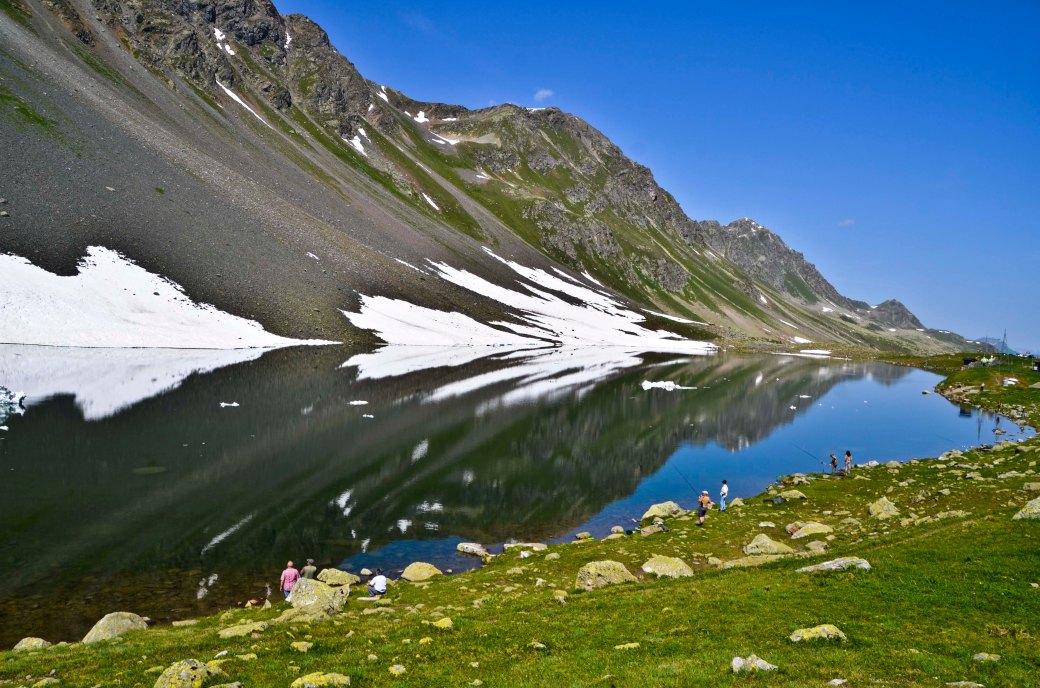
Switzerland, the Fluela Pass in the early morning.

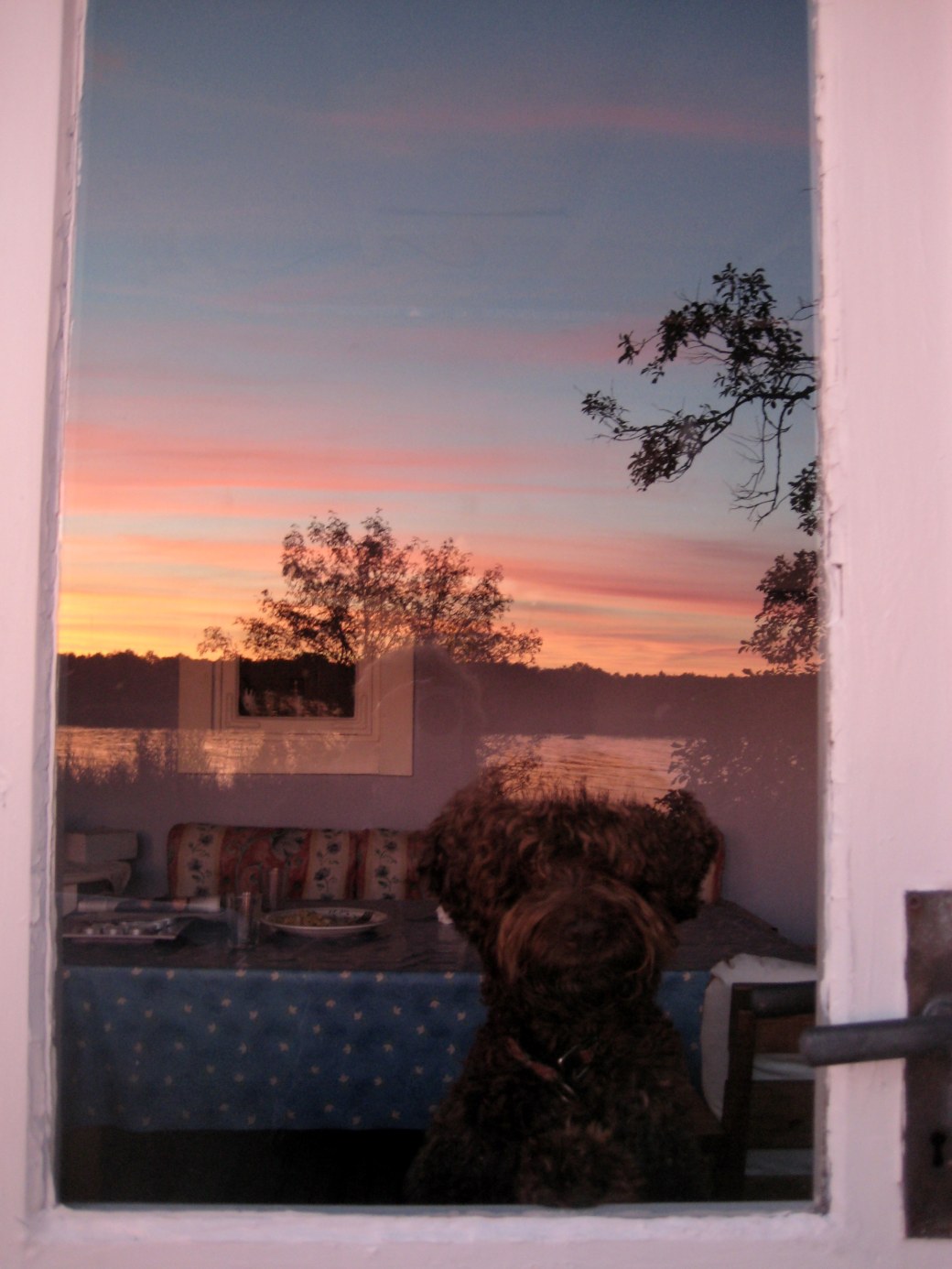
My beloved Mille…looking out for me, walking in the late evening.

Hamnen, Auckland. Vid fiskmarknaden.

 Auckland harbour by the fish market.

Travel theme: History

Travel theme: History

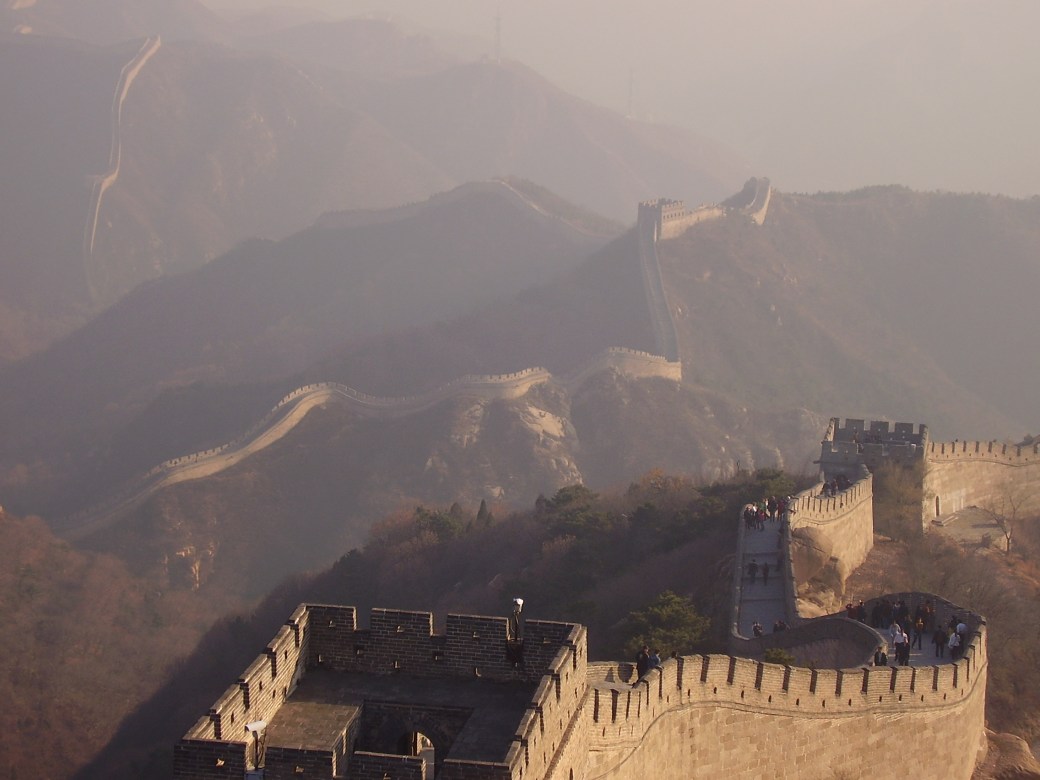
To me, maybe China and the Great Wall stands out when I think of History. Not only is it very old, but there is so much history behind the building of the wall, so many lost lives and such a fascinating idea from the start.

So, I keep returning to it…

Thursday Thoughts – A Yellow Anatomy

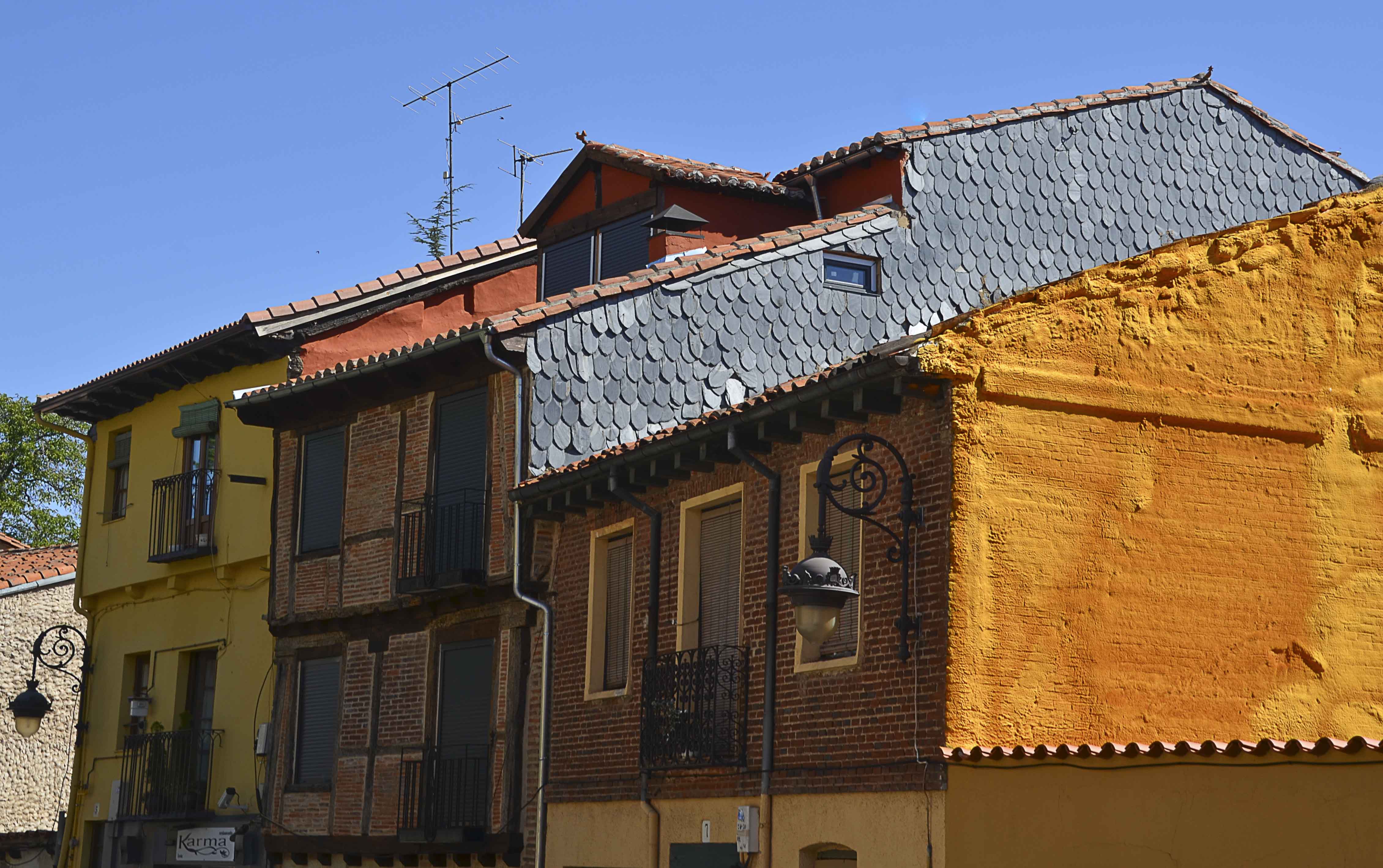
Yes, why yellow walls? Driving through the north of Spain, I recognized this almost saffron colour on a great many walls in the cities and villages.

Personally, I love this colour. Its warmth and connection to Africa and to the desert.

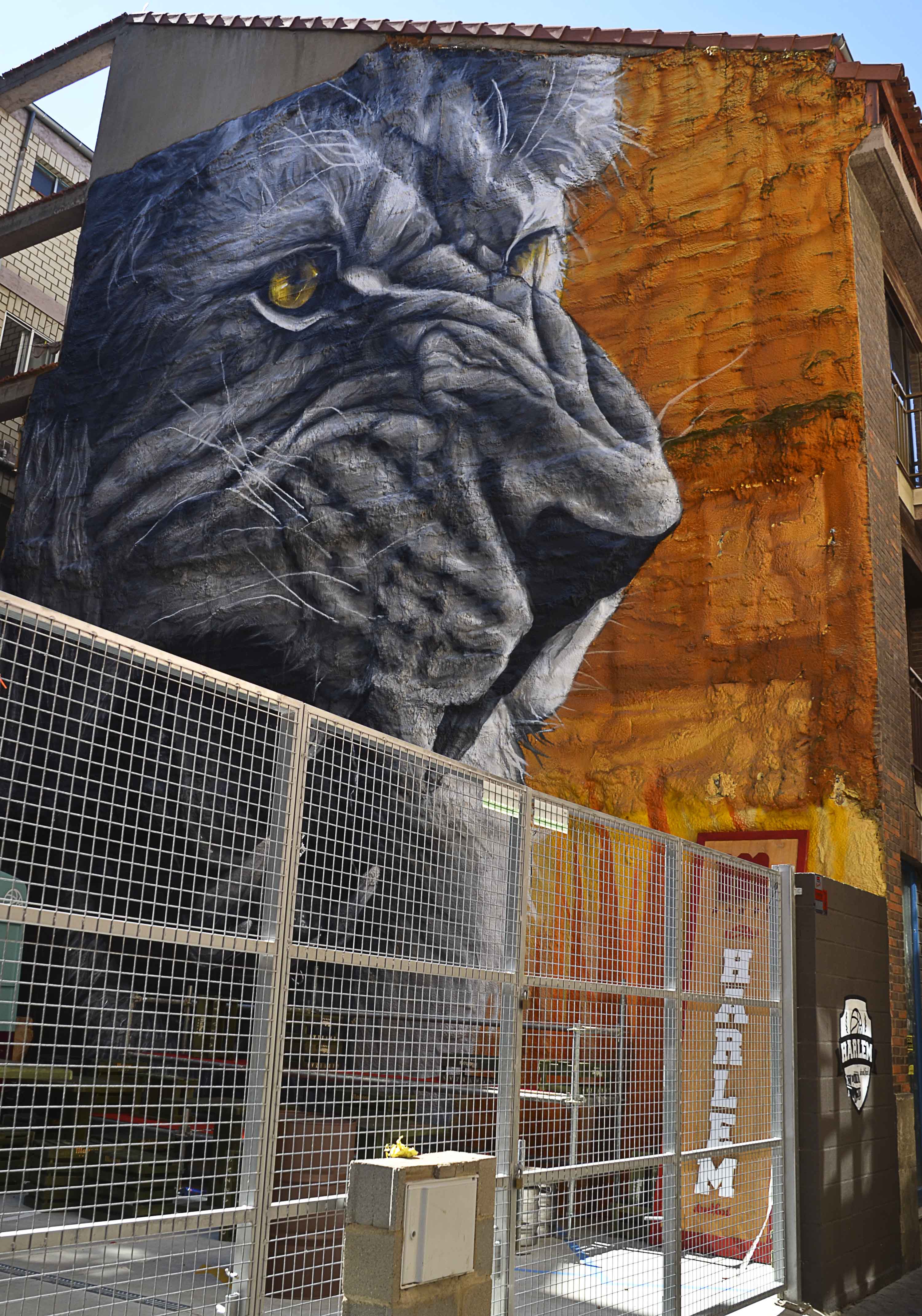
In Pamplona I found this enormous Lion on such a yellow wall – Impressive painting, and so in harmony with all that yellow. On a closer look, I found the painting even more impressive.

I still do not know why those walls are painted saffron yellow, but at least I have figured out what the colour is hiding…

…the anatomy of what once was.

Gernika -The Assembly and The Tree

In the header, the replica in Gernika of Pablo Picasso’s Guernica –  reminding us all of the 1937 bombings. His masterpiece is hanging in the Reina Sofia museum, Madrid.

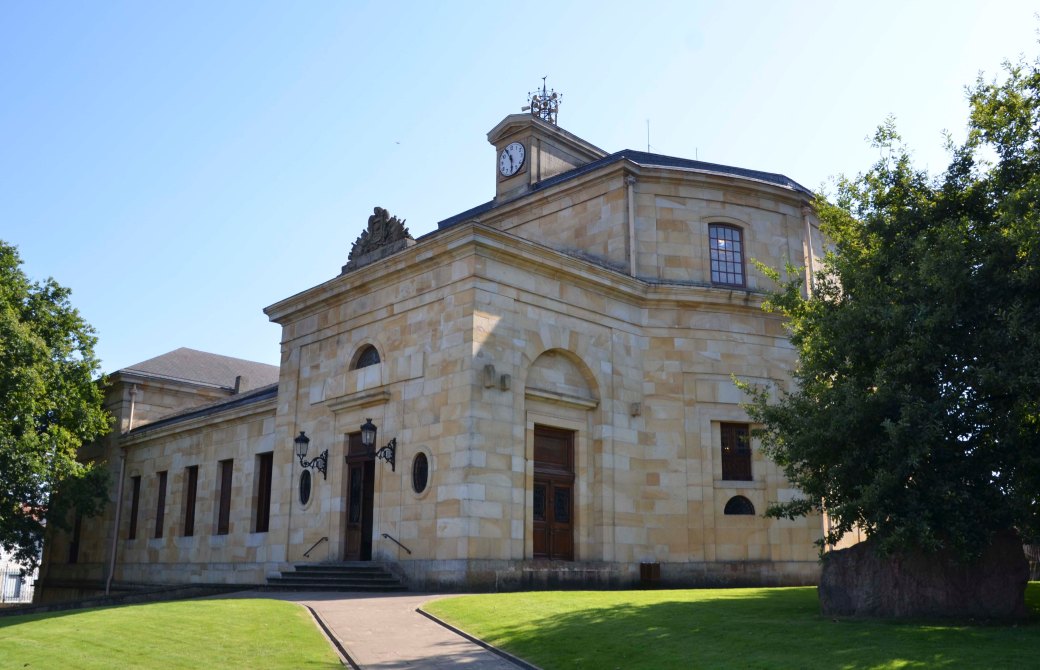
The Assembly House (built 1826) and the Tree of Gernika are the living symbols of the Basque People’s history.

The two of them became a meeting point of all the territories of the Basque Country – bringing together cultural and ethnographic traditions.

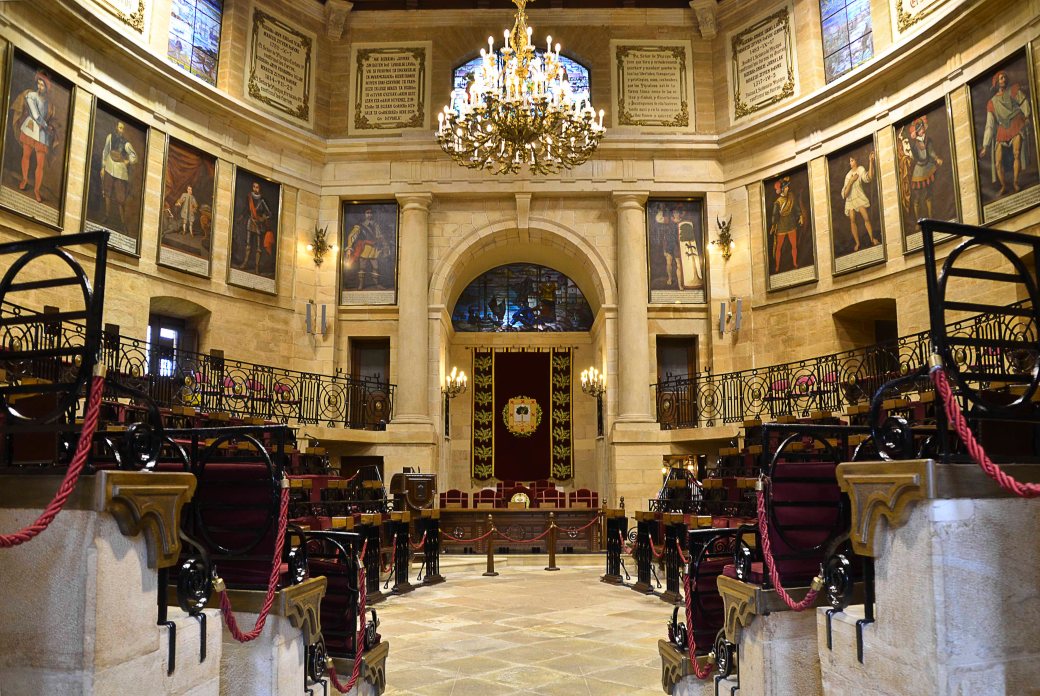
In this room are held all the plenary meetings of the General Assembly. It was conceived as a Church-Parliament that could bring together political and religious functions at the same time. The portrait gallery shows different dates when the Oaths were taken for The Old Law ( based on usage and custom) in a ceremony.

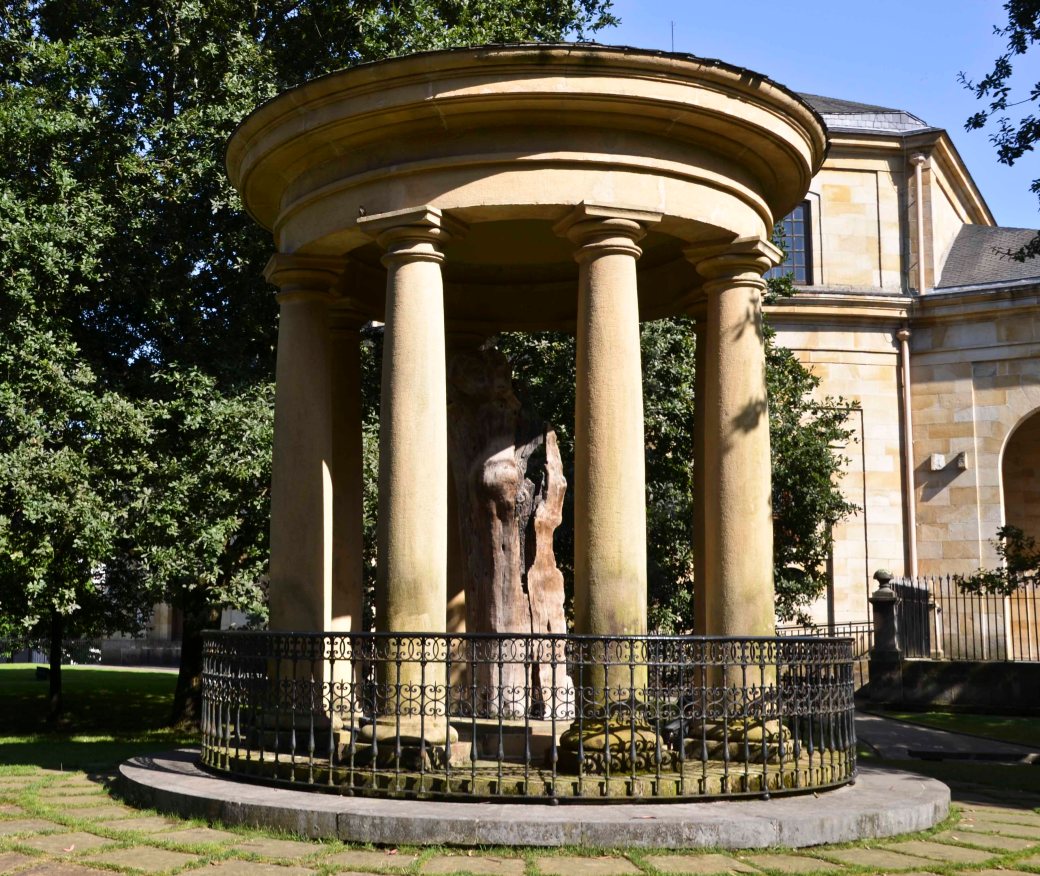
The Tree og Gernika is the best known symbol of the Basque People.

For centuries, under its shade the meetings of the General Assembly were held. This is the old trunk of the oldest remaining of the Assembly Oaks, planted around 1700. A new oak tree (a direct successor of the old one) is planted when the old venerable tree is gone.

Everywhere is the symbolic tree represented, in embroideries as well as wood carvings.

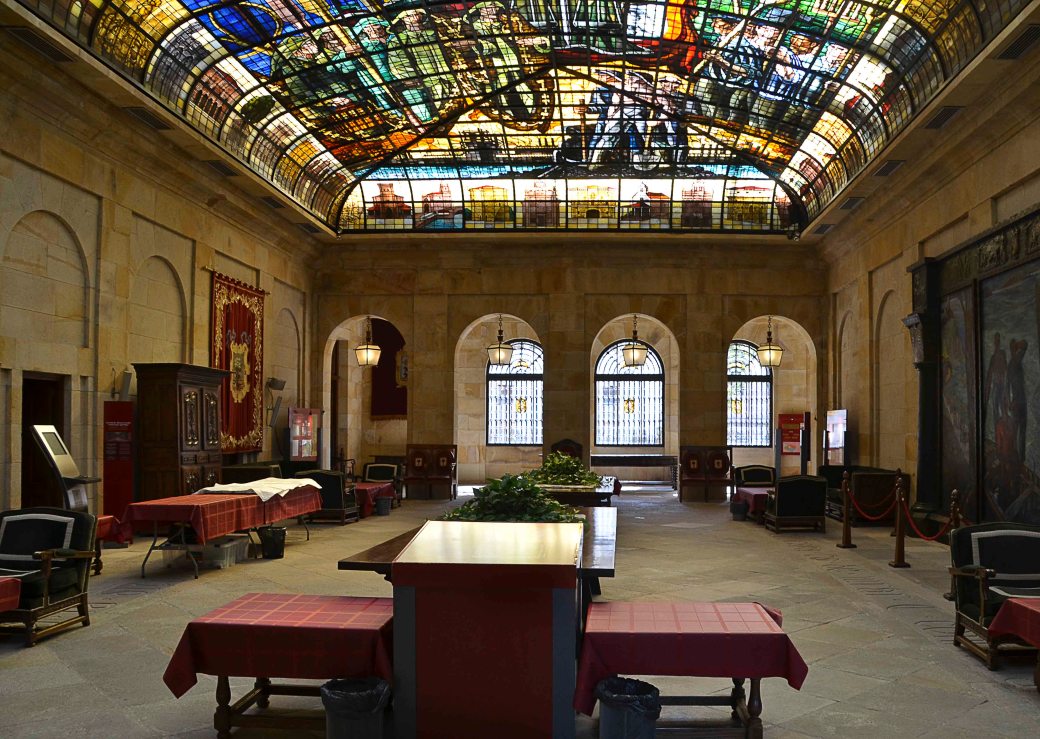
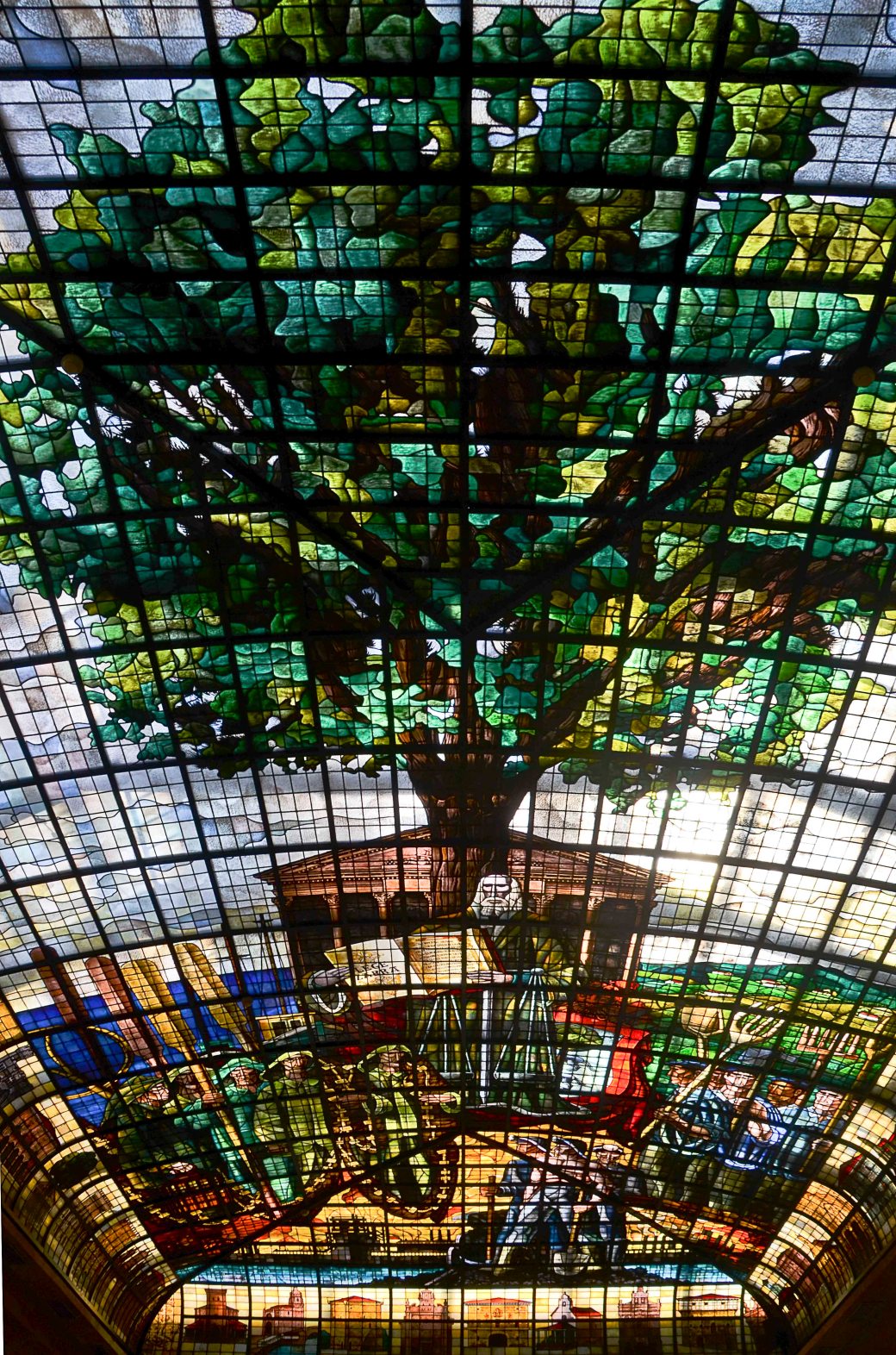
This is the Room of The Stained Glass Window. The space was originally designed as an open air patio, and is now currently employed for institutional uses.

The gigantic stained glass window – or in fact ceiling –  completed in 1985, has a special significance. It was crafted completely by hand by a company from Bilbao, Vidrieras de Arte S.A. It is a graphic representation of the Tree as a meeting point for the districts of Bizkaia.

Cee’s B&W Photo Challenge: Bathrooms and Outhouses

Cee’s Black & White Photo Challenge: Bathrooms and Outhouses

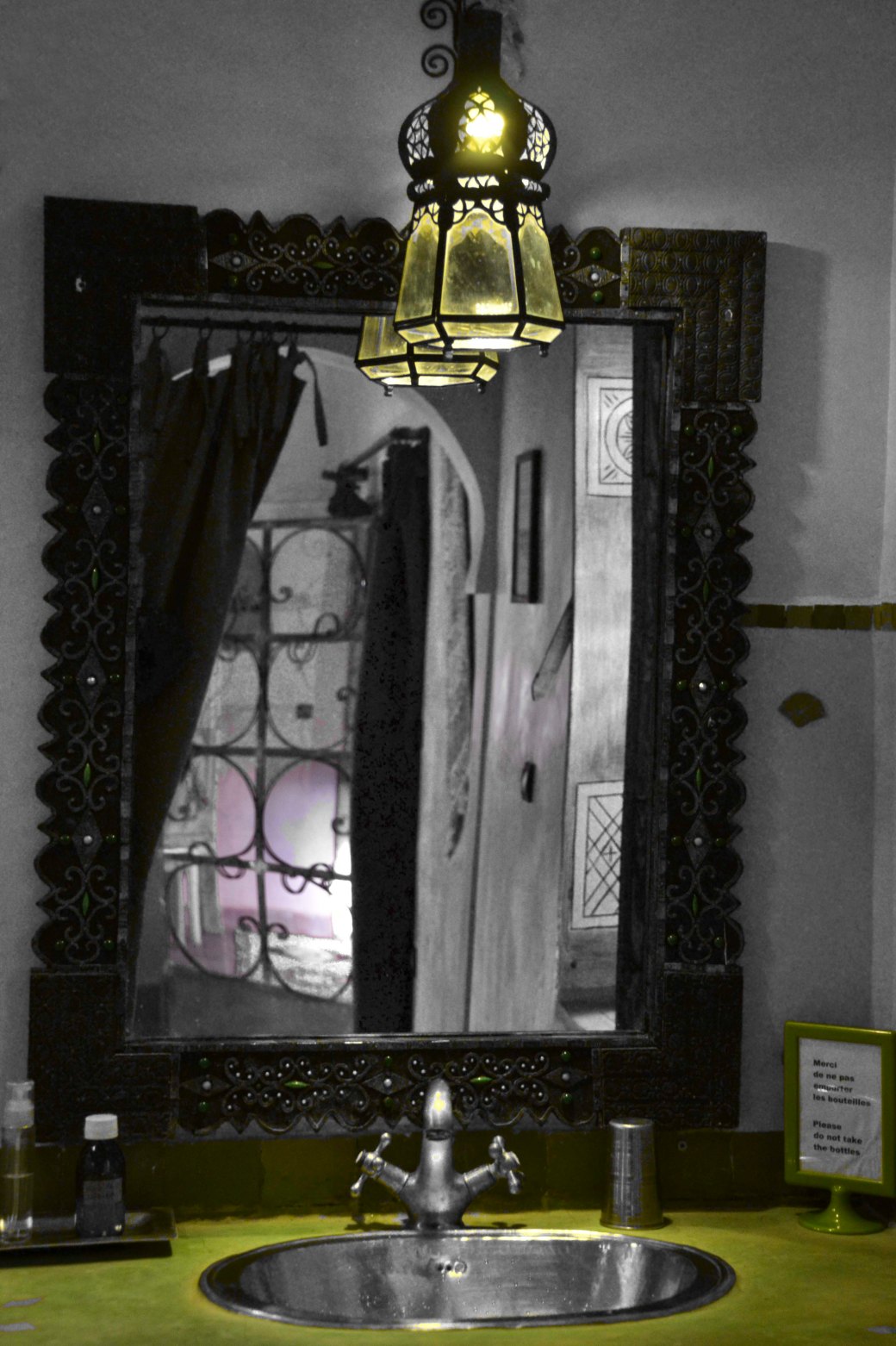
Three Moroccan bathrooms for Cee this week. In the header – Sahara.

Marrakesh

Sawadi

Abandoned

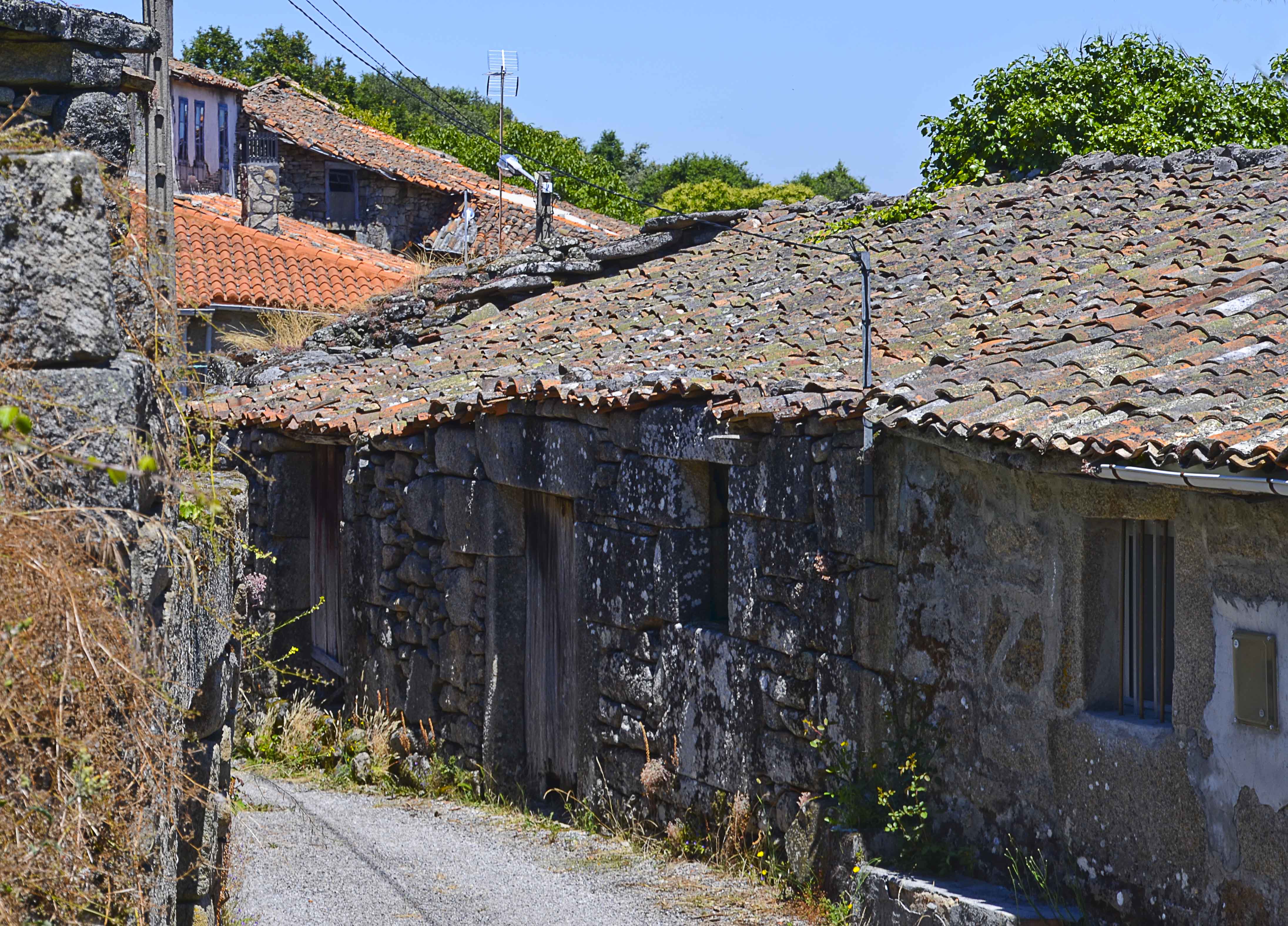
We passed the tiny village Castro in our search for the hidden monastery. After the visit there, the decision was easy –  to park the car and walk up the main street of Castro.

At first sight it looked abandoned, but …electricity and a TV antenna told another story.

And all those doors…most of them belonging to abandoned houses or houses torn down – the door opening onto endless meadows behind… every door having its own secret story.

And, somebody is caring for the lonely rose.

Thursday Thoughts – El Capricho

Why do I love Antonio Gaudí? Maybe because of his love for nature’s wonders – starting when he was only a small child. His way of using nature’s forms and designs in everything he created. Making the pillars in Sagráda Família with scars like the tree trunks get when they have lost a branch, making lamps look like flowers and light spill out like waves in the sea…

In every detail he was …mirroring nature.

In Comillas, on the north coast of Spain, you will find this ”folly” – El Capricho – by Gaudí, built for Máximo Díaz de Quijano (a relative of the marquis of Comillas) in the 1880´s. You immediately recognize his style using iron structures, glazed pottery and stained glass.

Come, let’s take a ”folly” walk …

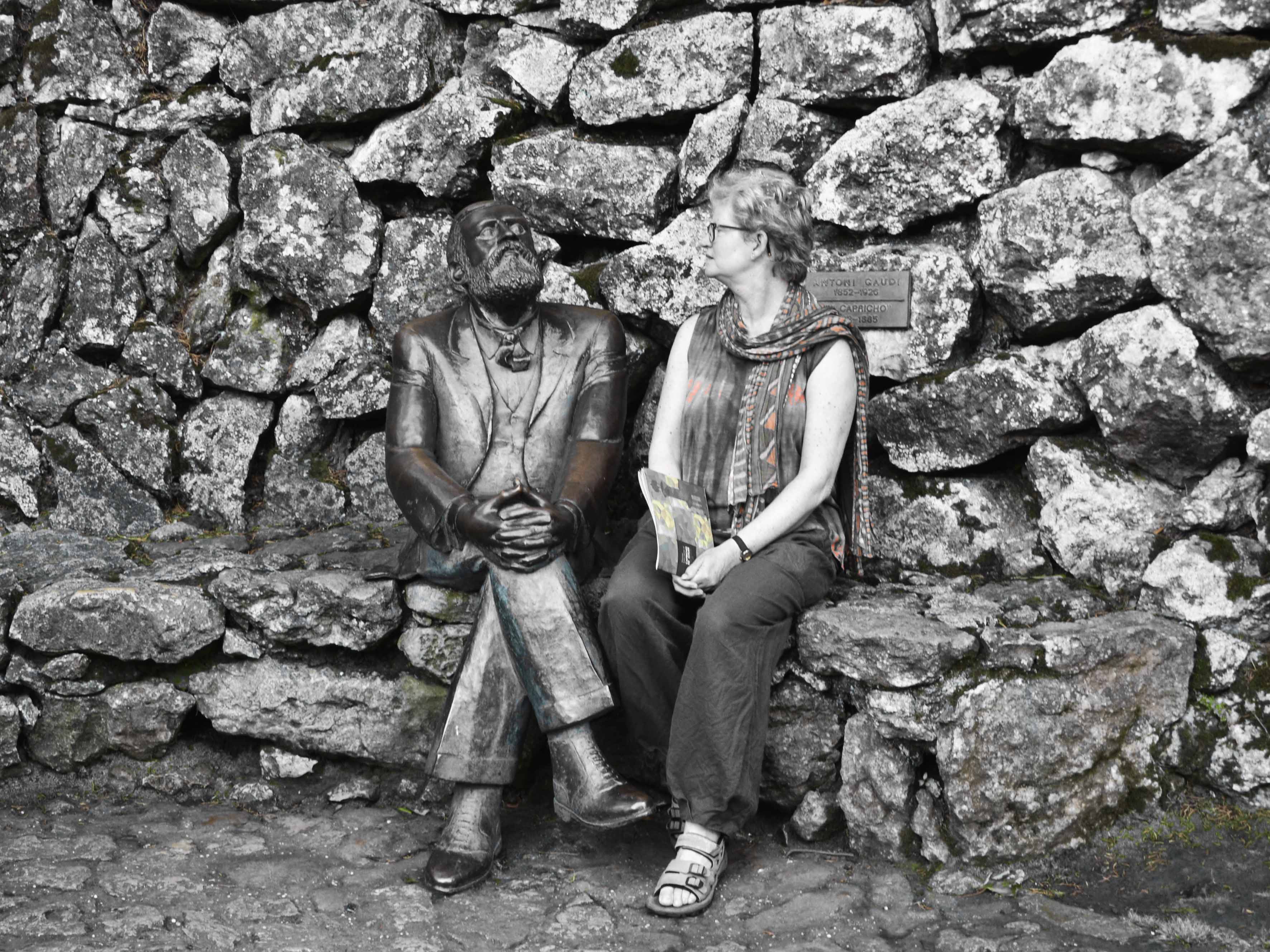
In my dreams, a dinner with Antonio Gaudí would be optional… to get the opportunity to listen to his ideas and maybe discuss nature’s impact on humans – body and soul. I would have had many, many questions…

I was lucky enough to meet him in his garden, sitting there admiring his work. I tried to get some answers, but mostly we sat quietly contemplating…me admiringly of course. But, I am so thankful for having finally met him – my favourite architect.

A Place Where Nobody Wanted to Live…

The controversial modernist architect Antoni Gaudí is one of my own favourites…but in his own time – he was not always popular. In Barcelona, you might have visited  his fabulous Sagrada Família, Casa Battló or La Pedrera and Parc Güell. And Marvelled.

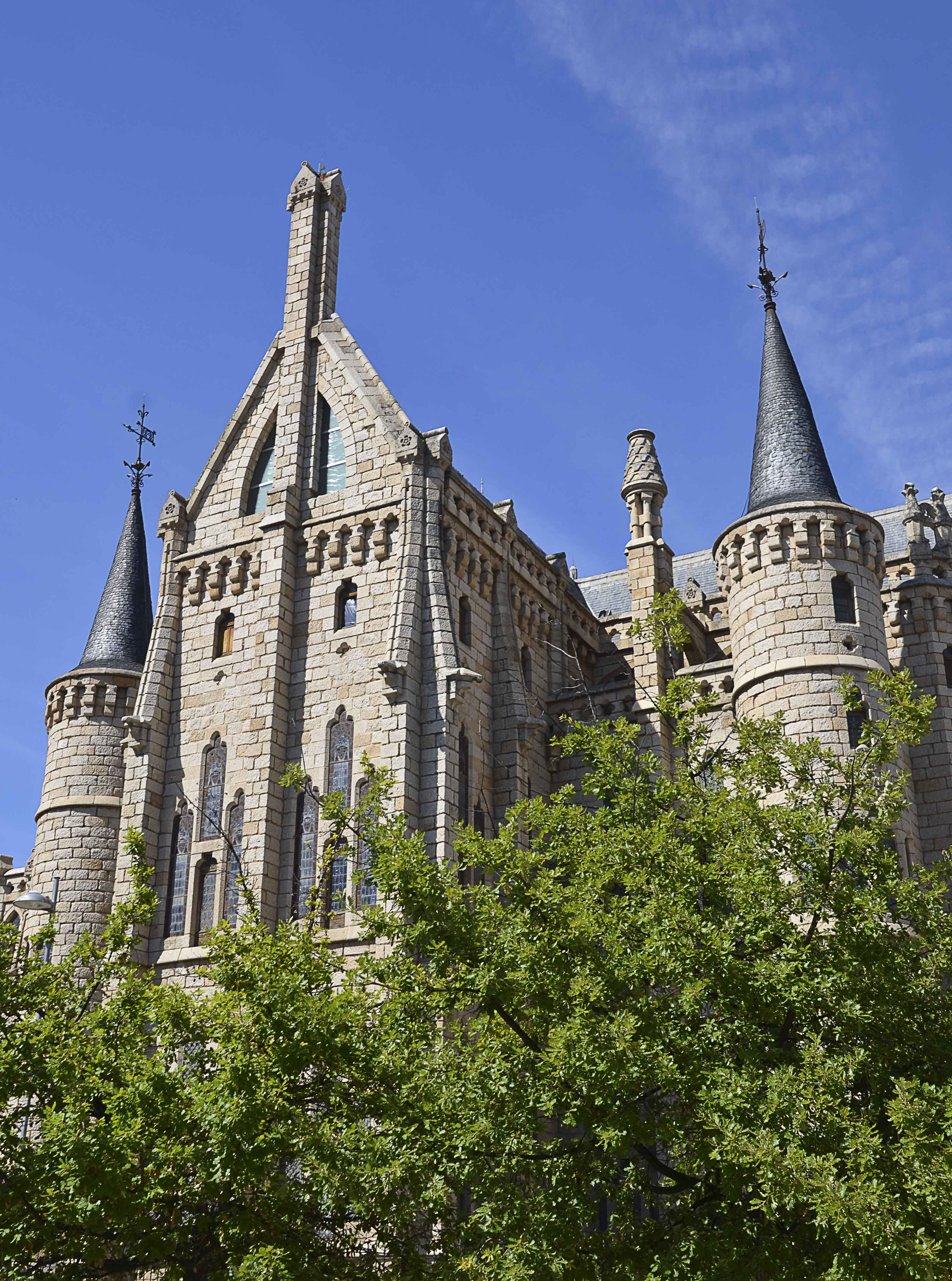
Palacio Episcopal (end of the 19th century) in Astorga was seen as rather abominable in appearance and the cost for building it was just too much for the congregation. No bishop has ever lived there since…

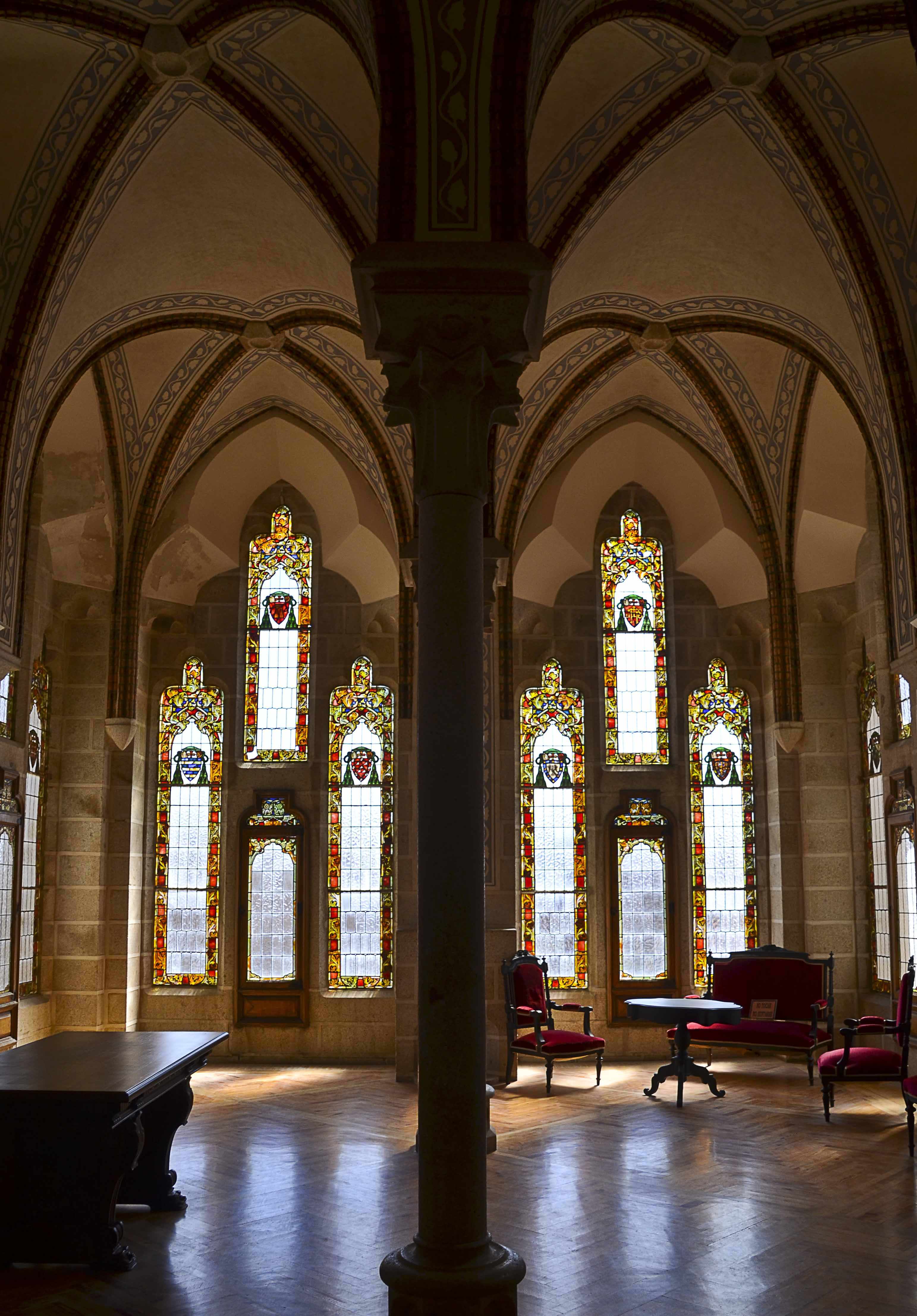
Inside, you recognize Gaudí’s style with beautiful ceramics and stained glass.

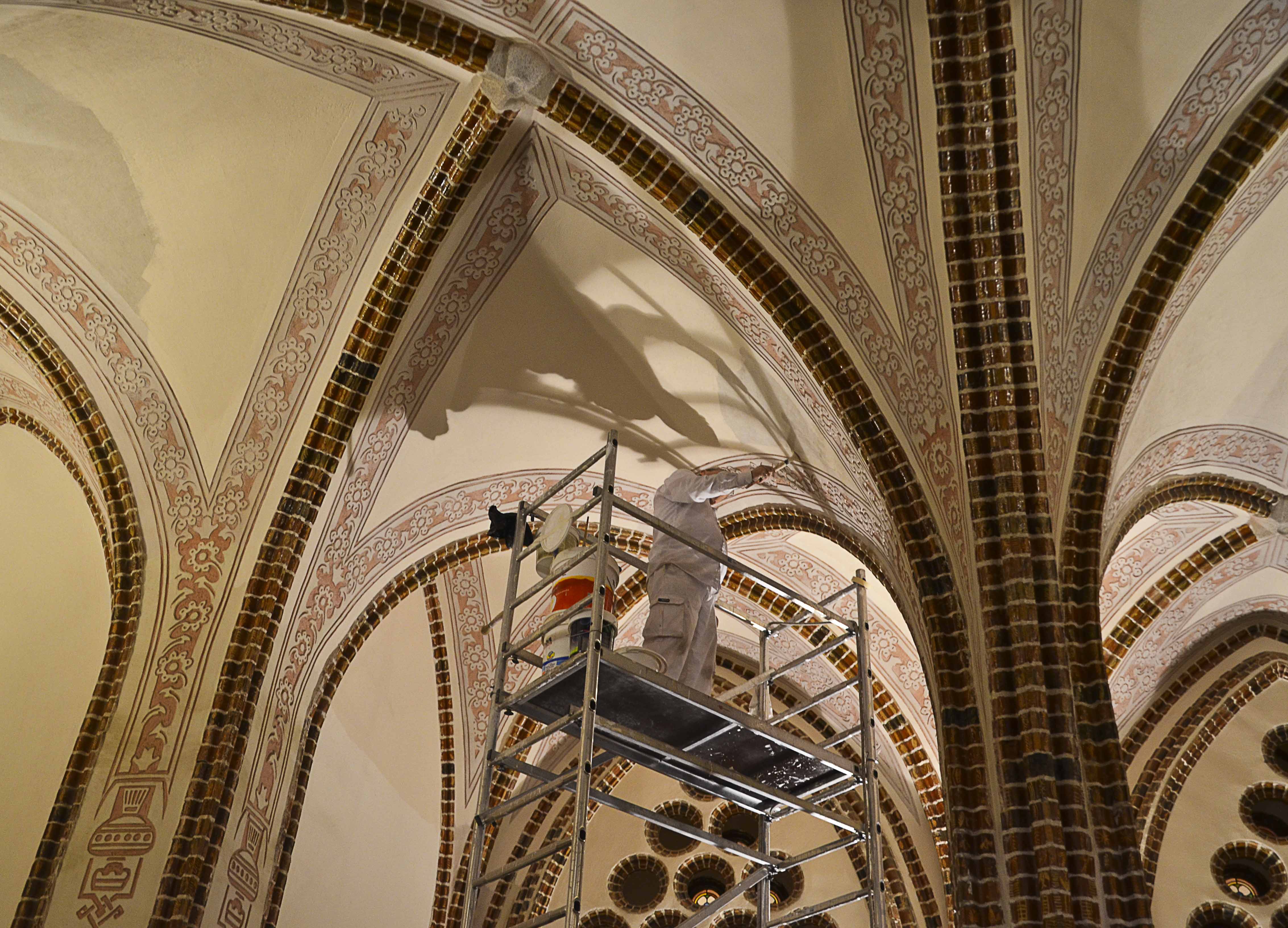
The palace is now being restored, and I guess its future visitors will continue to admire his outstanding art.

The magnificent cross bows and his colour combinations are simply divine.

So, be sure to visit when your road leads you here…you cannot get too much of Gaudí!

As usual, click to get a larger view – sometimes you have to click twice…and click the links for my previous posts on his art in Barcelona!